Video evidence is powerful but not definitive. The same footage can produce opposing conclusions because viewers bring prior beliefs, cognitive biases and imperfect memories to what they see. Specific effects—such as slow-motion bias, camera-perspective bias and memory contamination—skew interpretation, and AI-manipulated media adds new risks. Experts recommend recording accounts before showing footage, slowing down review, and educating fact-finders about visual biases.
Why Video Evidence Can Fool Our Brains — The Science Behind Conflicting Eyewitnesses
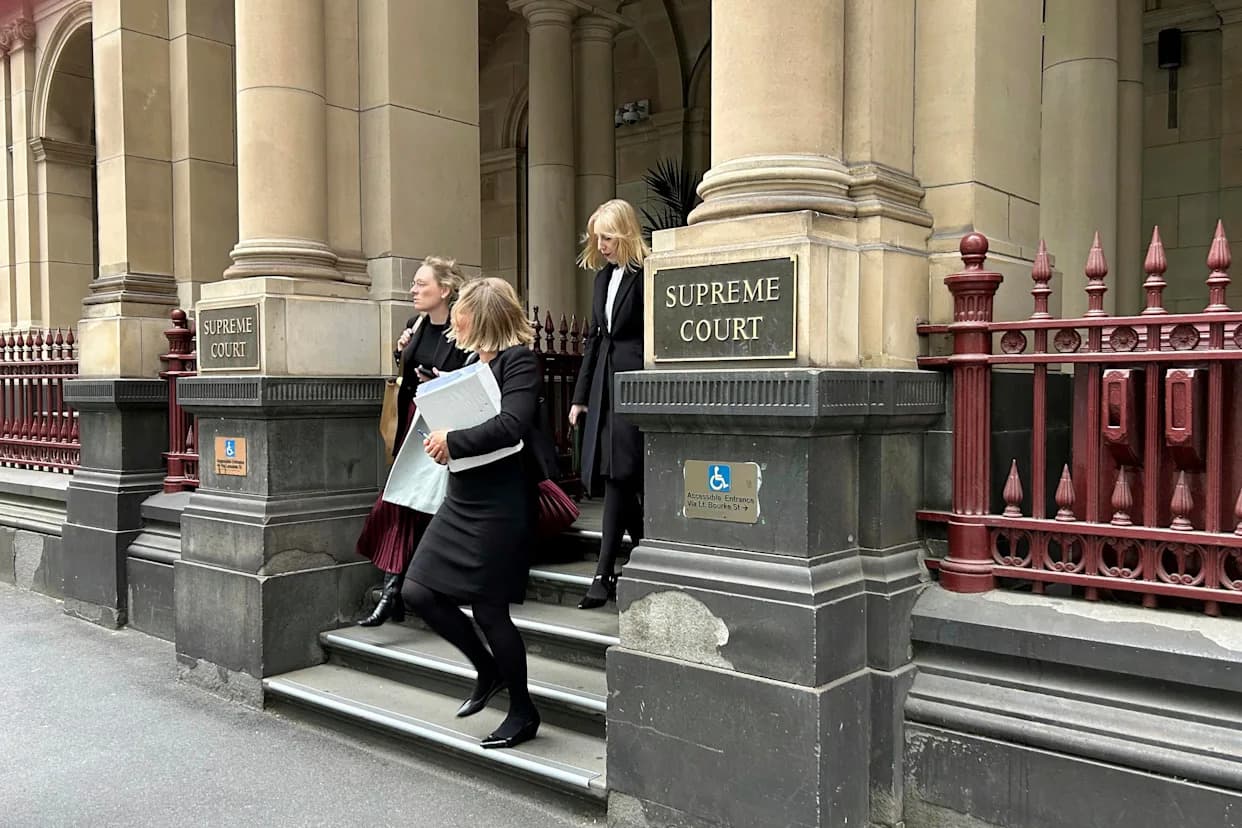
In February 2007 the U.S. Supreme Court decided Scott v. Harris, a case that turned on roughly 15 minutes of dashboard-camera footage showing a police cruiser pursuing and then colliding with a driver's vehicle in Georgia. The driver, 19-year-old Victor Harris, was left permanently paralyzed. Lower courts had ruled for Harris, but the Supreme Court reversed in an 8–1 decision for the officer, asserting the videotape showed an “actual and imminent threat” and that “we are happy to allow the videotape to speak for itself.”
How The Same Video Can Tell Different Stories
The case highlighted a striking truth: people can watch the same footage and come away with opposite conclusions. As Sandra Ristovska, an associate professor of media studies, puts it, perception is shaped not only by what our eyes receive but by our prior experiences, beliefs and expectations.
“Seeing is not just what our eyes physically see,” said Ristovska. “Viewers bring their experiences and ideas to images.”
Common Psychological Mechanisms
Researchers have identified several mechanisms that reliably alter how viewers interpret video evidence:
- Slow-Motion Bias: Slowing footage can make actions look more deliberate. A 2016 study showed observers judged a shooter as more intentional when they viewed the event in slow motion.
- Camera-Perspective Bias: What the camera focuses on matters. Experiments found that confession videos centered on suspects’ faces produce stronger impressions of voluntariness than clips focused on interrogators.
- Shaky or Dramatic Framing: Unsteady footage or dramatic angles can make events seem more intense or chaotic than they were.
Memory Contamination And Constructed Recollection
Eyewitness memory is fragile and malleable. When people discuss an event with others or rewatch footage, they can incorporate details from those sources into their own memory. Miko Wilford notes we are often poor at recalling the origin of information, and Elizabeth Loftus emphasizes that memory retrieval is a reconstructive process rather than a literal playback.
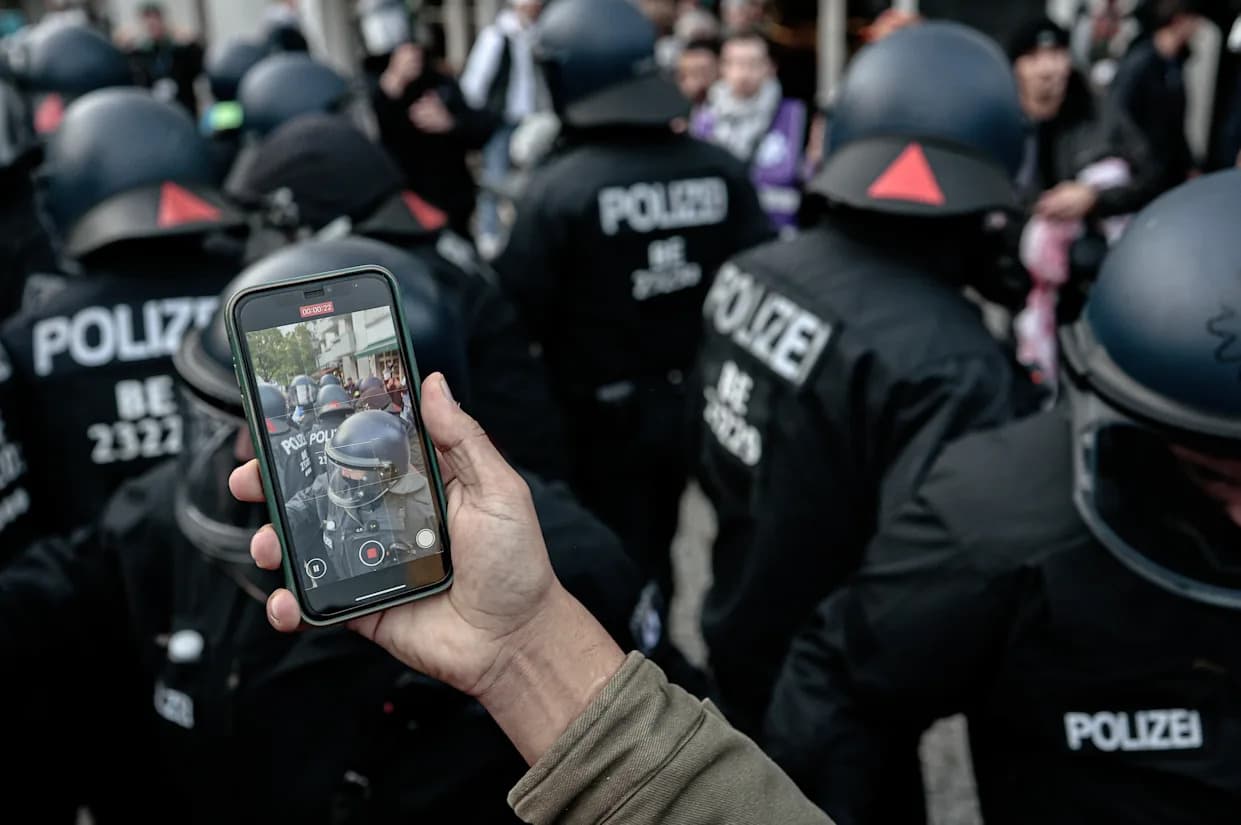
Loftus and colleagues have recommended that police officers write down their accounts before viewing body-camera footage, because watching a recording first can strengthen memory for what is shown while diminishing recall of elements outside the frame.
Naive Realism And Cognitive Biases
People tend to assume video provides an objective record — a tendency researchers call naive realism. This trust helps explain why even fabricated footage can convince observers: in a notable 2008 study, students accused of cheating confessed after being shown a fake video of the alleged cheating.
Other cognitive effects—such as selective attention and priming—also shape what viewers notice. For example, attorneys’ descriptions of footage can meaningfully bias jurors’ interpretations, according to recent research.
Identity, Ideology And Social Context
A viewer’s identity and beliefs strongly color interpretation. People who identify with police are more likely to judge officers’ actions as lawful; those with different ideological views may see the same actions as abusive. A 2009 survey about Scott v. Harris found broad agreement with the Supreme Court majority overall, but wide variation along lines of race, income and attitudes toward social hierarchy.
Artificially Generated Media: A New Layer Of Risk
Advances in AI add complexity. Recent work from the MIT Media Lab shows that subtly altered images can create false memories: participants later falsely remembered a person smiling after seeing a doctored version. Such findings raise concerns about AI-generated video and its power to distort both perception and memory.
Practical Steps For Fairer Use Of Video Evidence
- Record initial witness and officer statements before showing them footage.
- Review video slowly and deliberately, and note how playback speed, framing and edits might influence impressions.
- Provide jurors and fact-finders with guidance about common biases that affect visual evidence.
- When possible, preserve original footage and document any edits or processing applied.
- Recognize that reasonable people may interpret the same recording differently — and treat video as powerful but not infallible evidence.
Video will continue to be central in courts and public debates, but understanding its psychological and social limits is essential to using it responsibly.
Help us improve.