False memories are convincing recollections of events or details that never occurred and can affect both personal experiences and shared cultural facts. Psychologists distinguish episodic (autobiographical) and semantic (factual) memory; the Mandela effect is a communal example of semantic false memory. Theories such as fuzzy trace theory and activation-monitoring theory explain how gist-based summaries or associative activation produce confident-but-wrong recollections, and factors like age, repetition, and sleep loss increase vulnerability.
How Your Brain Invents Memories: Why the Mandela Effect Feels So Real
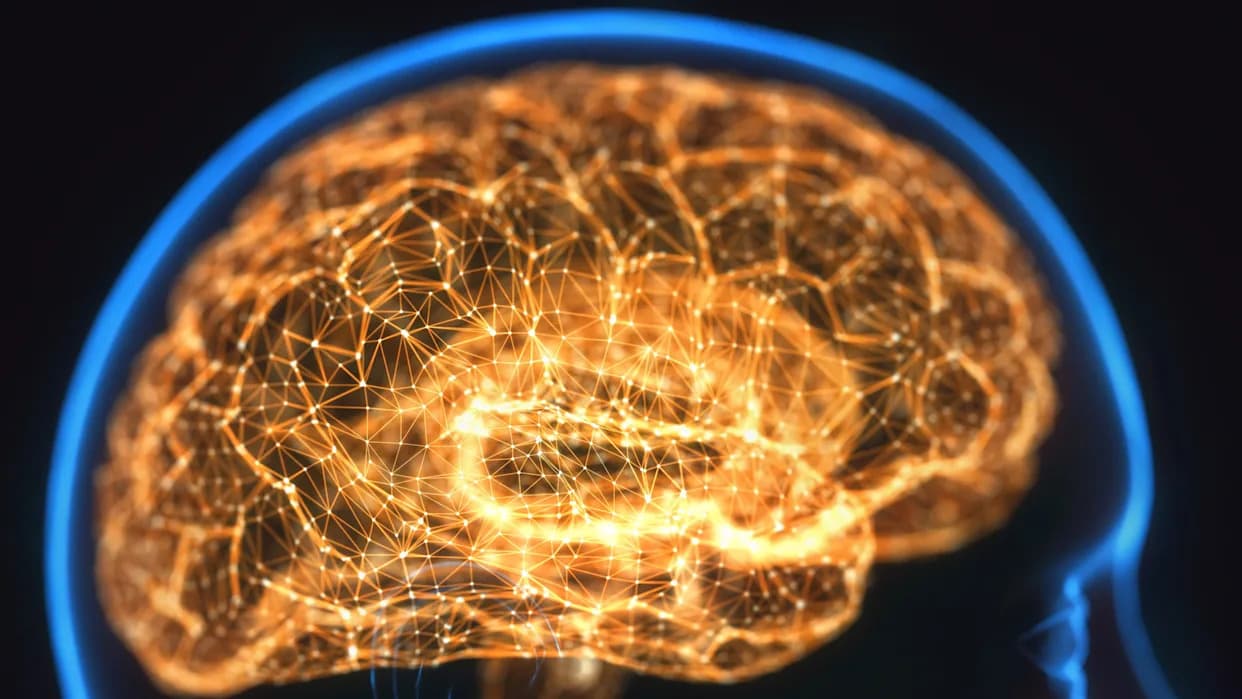
False memories are more than just misremembering someone's name.
Fruit of the Loom’s familiar fruit cluster has become a surprising example of how groups of people can confidently remember details that never existed. Many people insist the logo once included a horned bowl (a cornucopia), even though historical images do not show one. This kind of shared misremembering—popularly called the Mandela effect—helps illustrate a broader phenomenon: false memories.
What Is a False Memory?
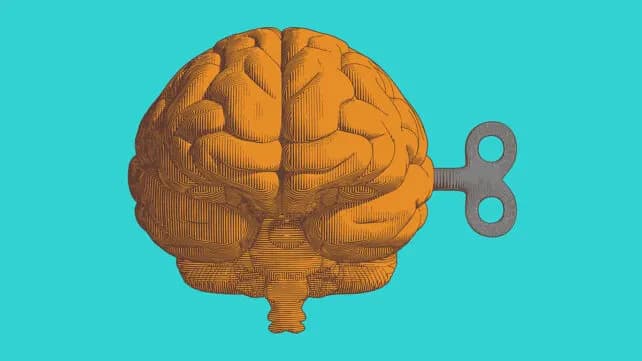
A false memory is a convincing recollection of an event, detail, or fact that did not actually occur. False memories can be personal (episodic) or communal (semantic) and sometimes feel indistinguishable from accurate memories. Researchers have documented everything from people recalling childhood events that never happened to groups confidently misremembering cultural details like brand logos or historical facts.
Types of Memory: Episodic vs. Semantic
Episodic memory stores autobiographical events—your trip to Disneyland, what you ate last Wednesday, or a childhood birthday. Semantic memory holds facts and general knowledge—spellings, logos, historical dates. The Mandela effect typically involves semantic memory because many people can share the same factual belief; episodic false memories tend to be private but can still be vivid and detailed.
How False Memories Form
Psychologists study false memories with controlled tasks and real-world observations. One classic method is the Deese–Roediger–McDermott (DRM) paradigm, in which people study lists of related words (e.g., pupil, classroom, exam, teacher) and later falsely recall a related but unshown "lure" word like "school."
Two major theories explain these errors:

In one study, researchers used manipulated images to present volunteers with false evidence that they had taken a hot air balloon ride as a child. Some participants later said they vividly remembered the ride, which never occurred, and described it in detail.Image:DepositPhotos
- Fuzzy Trace Theory (FTT): We store both verbatim details and a gist-like summary of events. When verbatim memory fades, we rely on the gist—making it easier to accept a plausible but incorrect detail.
- Activation-Monitoring Theory (AMT): Encountering related items activates associated concepts in the brain. Activation can spread to unpresented but related words or images; later, the brain can confuse this activated association with an actual memory of perceiving the item.
Other factors—age, repetition, suggestion, and sleep deprivation—can increase vulnerability to false memories by weakening precise recall or strengthening associative activation.
Real-World Consequences
False memories matter beyond curiosity. They appear in legal contexts (e.g., disputed memories of childhood abuse), eyewitness testimony, and everyday disagreements. Because false memories can be vivid and emotionally charged, they may be persuasive to both the rememberer and others.
Why They Feel So Convincing—and How Common They Are
"Our memories are really like a filtered-down version of the original experience," says Wilma Bainbridge, a psychologist at the University of Chicago. Each time we recall something we compress and reconstruct it. The brain also fills gaps with plausible details drawn from similar experiences or cultural expectations—so a beach memory may later include umbrellas that weren’t there.
Despite dramatic examples like the Mandela effect, experts emphasize that complete false memories are relatively uncommon. Many memory errors are small distortions or omitted details rather than wholesale inventions. Still, when large groups share the same error, it can feel especially startling.
Open Questions and Practical Tips
Researchers like Bainbridge have found that some images and concepts are simply harder to recall accurately, but a single unified explanation for the Mandela effect remains elusive. Ongoing work examines how visual familiarity, cultural context, and neural organization interact to create collective misremembering.
Practical steps to reduce false-memory risk: keep written records (photos, receipts, notes), be cautious with repeated or leading questioning, prioritize sleep, and treat confident recollection as evidence—useful but not infallible—especially in high-stakes settings.
“False memories are actually still very rare,” Bainbridge says. “But that’s why when we encounter these false memories in the wild, like the Mandela effect, they feel so jarring.”
Help us improve.