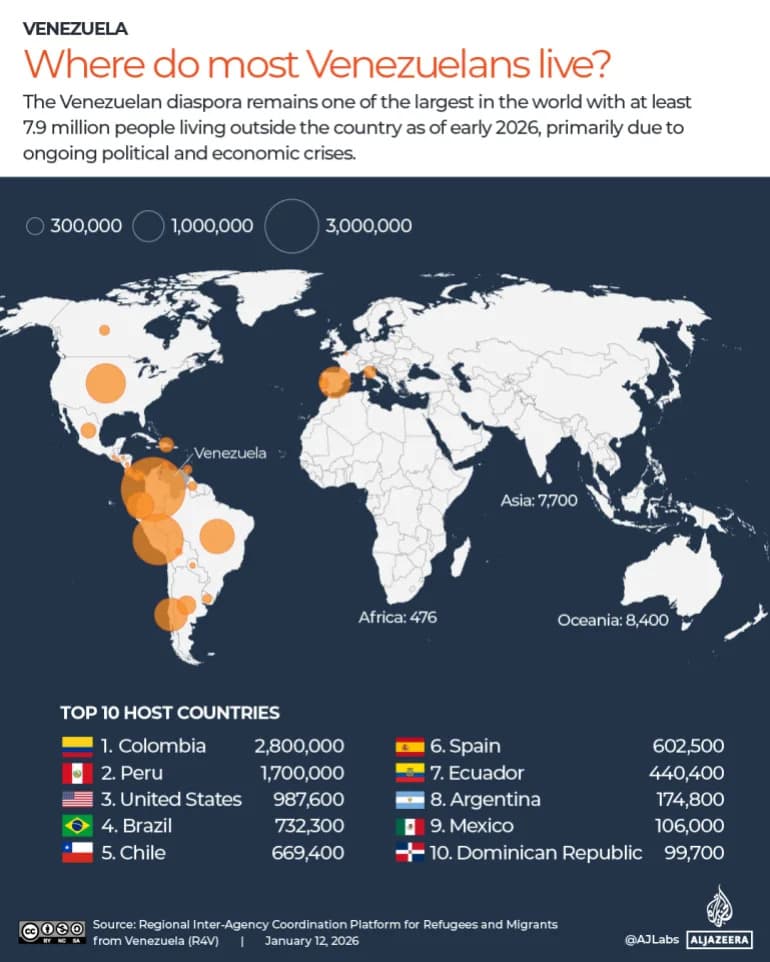
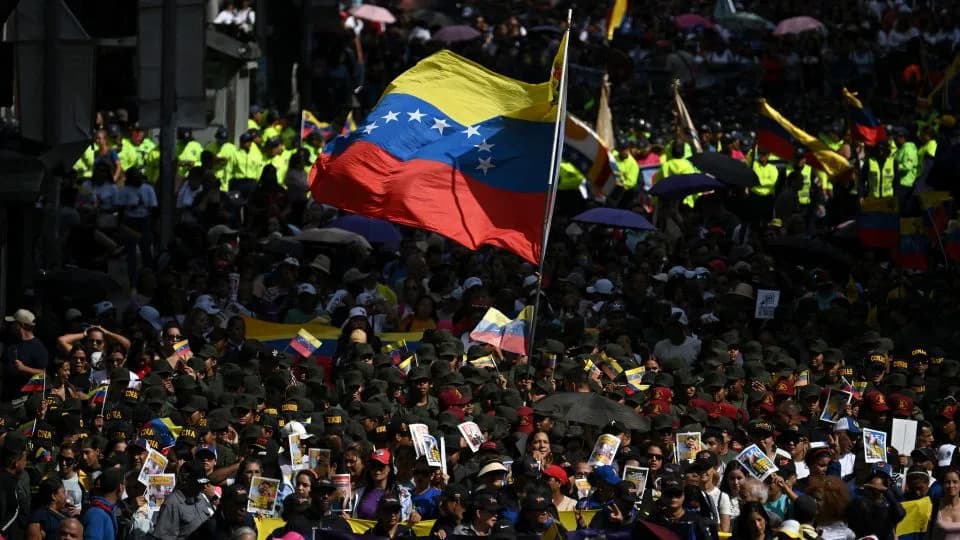
Thousands of Venezuelan migrants are abandoning northbound journeys to the US and returning to South America amid stricter US immigration rules and tighter controls in transit countries. Interpol’s LiberTerra III operation and police sources report a reversal in migration flows, with many halting at Mexico and Panama and some exploring West African routes. Authorities warn gangs such as Tren de Aragua may expand drug trafficking, arms dealing and illegal mining as smuggling income falls. The Darién Gap remains a deadly bottleneck, and US border data recorded over 260,000 Venezuelan arrivals in 2024.
Venezuelan Migrants Turn Back As US Policies And Border Controls Tighten
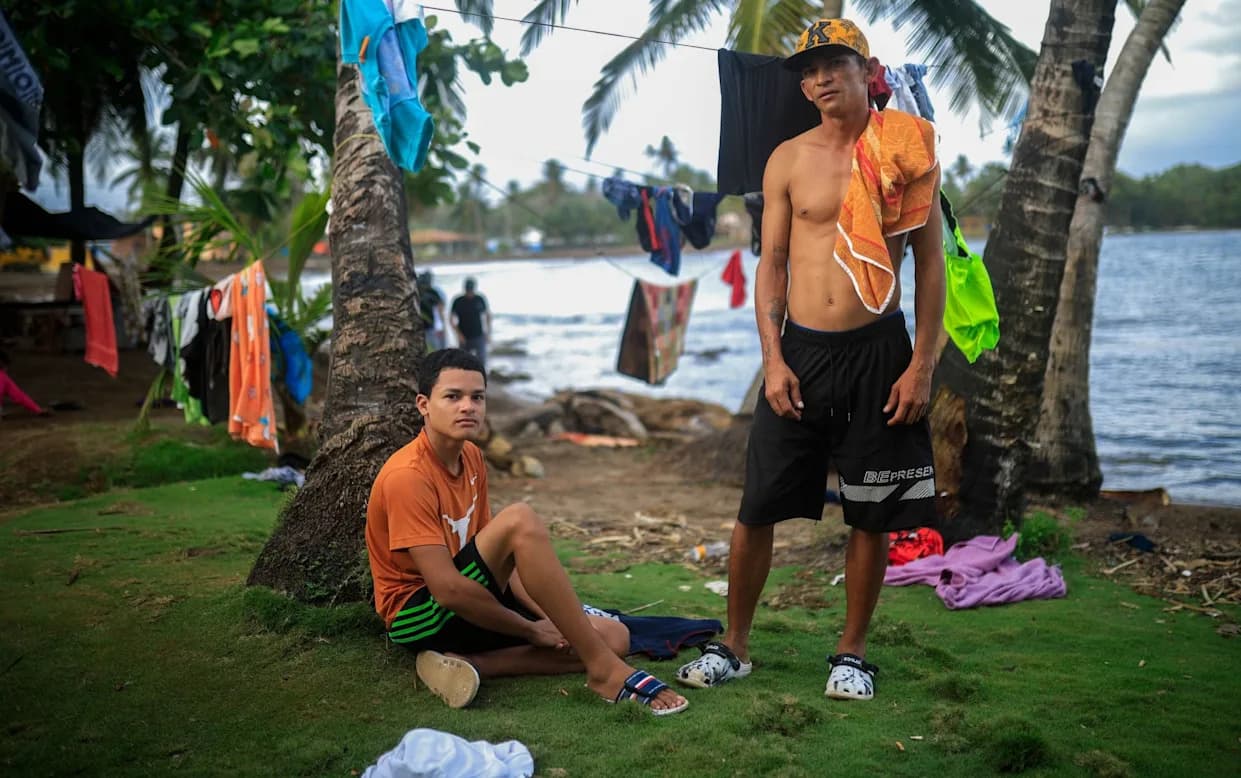
Venezuelan migrants in Panama after giving up their attempts to reach the US - BIENVENIDO VELASCO/EPA/Shutterstock
Thousands of Venezuelan migrants are abandoning attempts to reach the United States and returning to South America after tighter US immigration rules and tougher controls in transit countries, police sources told The Telegraph.
Migration Flows Reverse
Many people making the roughly 2,700-mile journey are halting their trips at the frontiers of Mexico and Panama and heading home; some are reportedly considering alternative routes to Europe via West Africa. Interpol’s recent anti‑human‑trafficking operation, LiberTerra III, noted a marked reversal of migration flows in the Americas, finding that "South American nationals [are] now travelling southwards through Central America." Authorities say Venezuelans make up a significant share of that change.
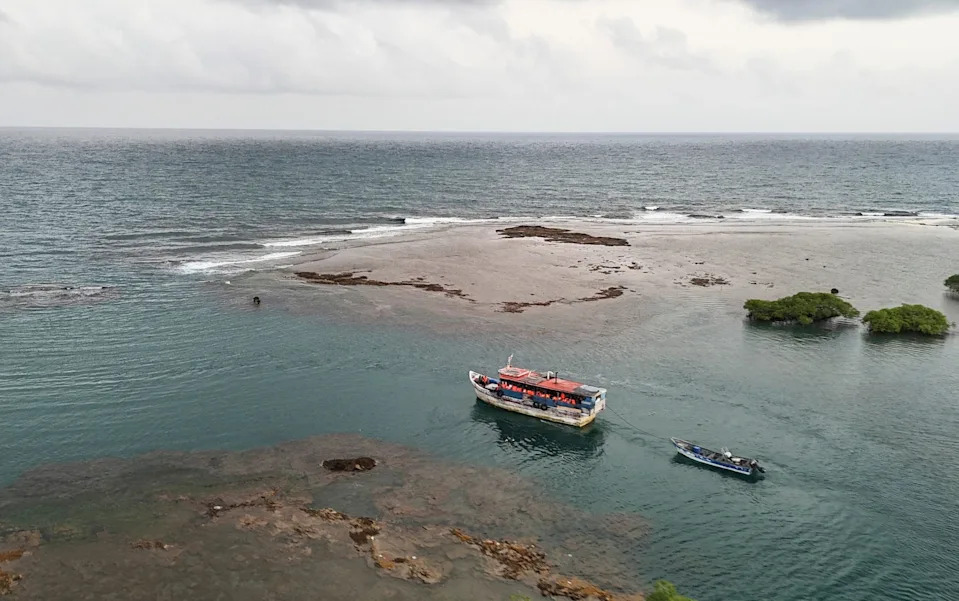
A boat transporting migrants leaves Panama’s Caribbean coast for the Colombian border - Matias Delacroix/AP
Criminal Networks Under Pressure
Police and investigators warn that Tren de Aragua — a Venezuelan criminal network accused of controlling trafficking corridors through alliances with gangs in Colombia and Mexico — may shift resources into drug trafficking, arms dealing and illegal gold mining to make up for lost revenue from people‑smuggling. In November’s LiberTerra III operation more than 3,744 suspects were arrested, roughly 1,800 of them for trafficking and migrant‑smuggling offences.
Hotspots: Darién Gap And Panama
Authorities are concentrating on the Darién Gap, a perilous 60‑mile stretch of swamp and jungle between Colombia and Panama that forms the only land bridge between North and South America. The corridor remains deadly: in 2024, an estimated 55 migrants died attempting the crossing and about 180 children were abandoned mid‑route. Panama has tightened controls, which officials say is contributing to more migrants turning back.
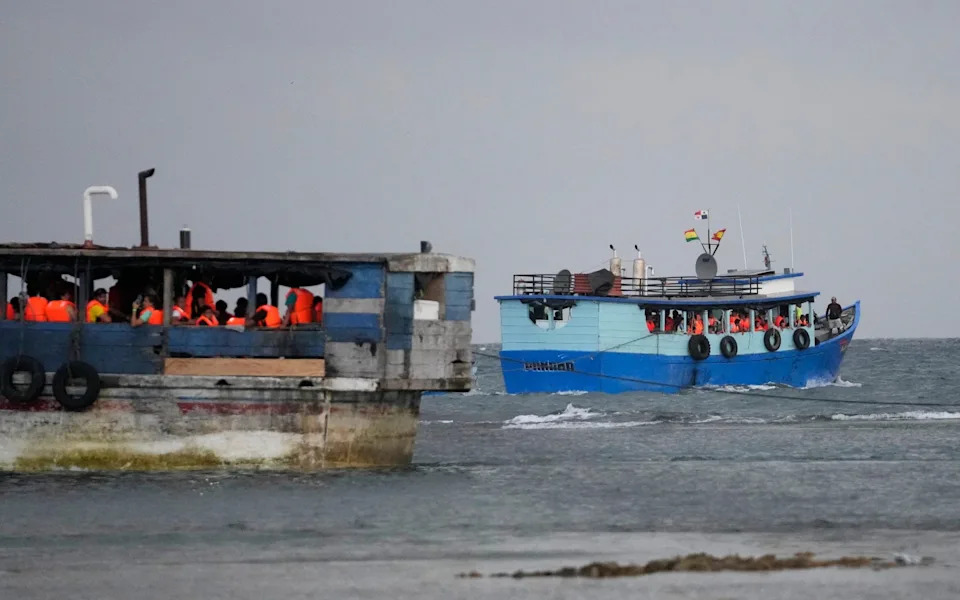
About 260,000 Venezuelan migrants reached America’s border with Mexico in 2024 - Matias Delacroix/AP
Policy Changes Driving Decisions
US policy changes under the current administration have made permanent settlement harder for many Venezuelans. Measures include adding Venezuela to a list of countries whose nationals must post a bond to apply for certain US visas, a pause in consideration of some pending asylum claims, and the removal of Temporary Protected Status for an estimated 600,000 Venezuelans living and working in the United States. According to US Customs and Border Protection, more than 260,000 Venezuelan migrants reached the US‑Mexico border in 2024.
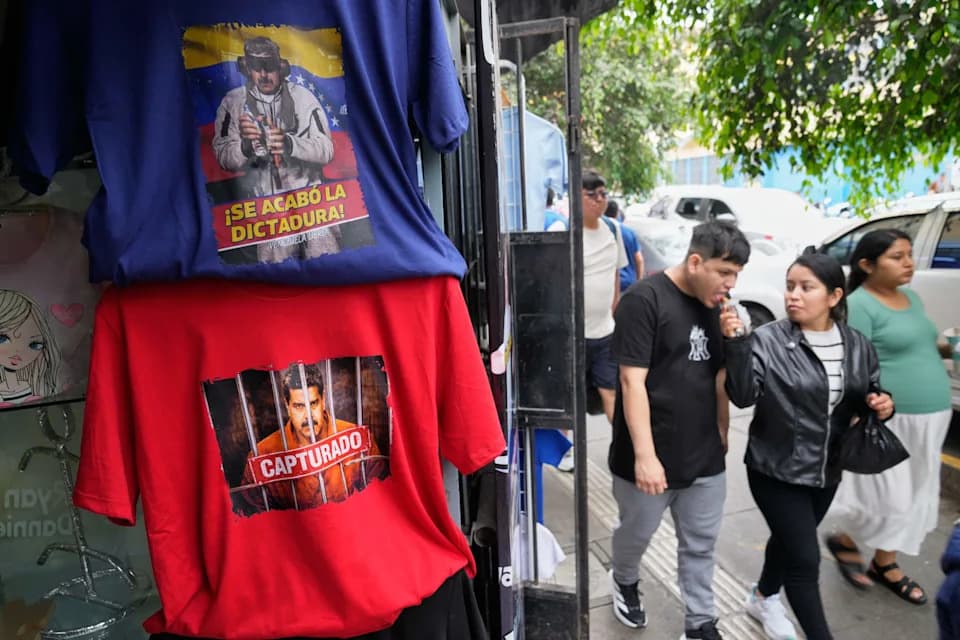
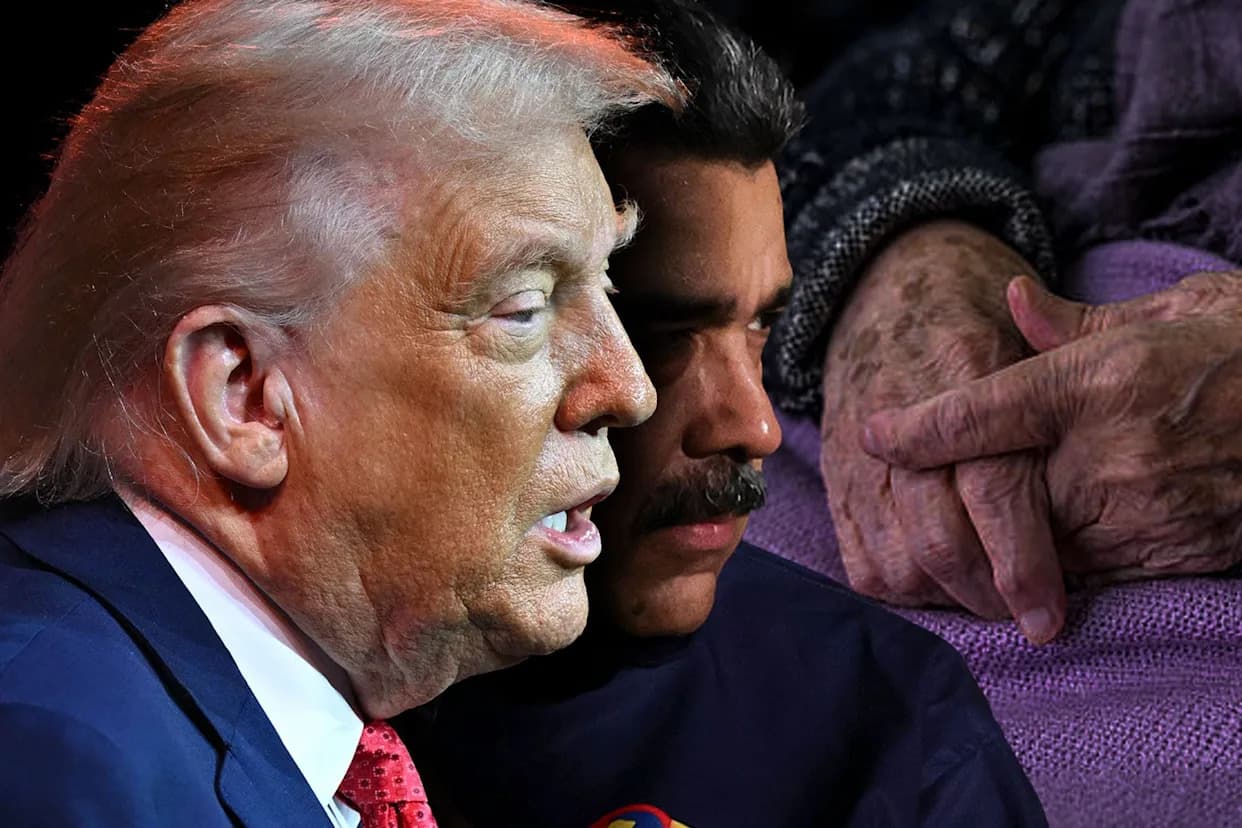
Note on an unverified report: Some recent claims that US forces abducted President Nicolás Maduro have circulated in media and social channels. These reports remain unverified, the Venezuelan government denies wrongdoing, and independent confirmation is lacking.
The situation highlights a complex mix of migration pressure, law enforcement action and criminal adaptation — with humanitarian risks for migrants and potential shifts in illicit markets if smuggling revenues decline.
Help us improve.