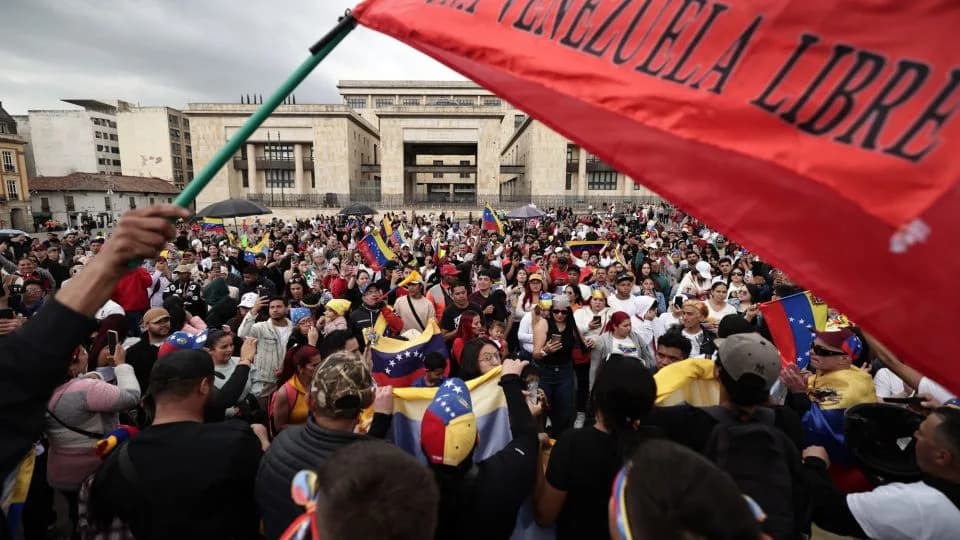
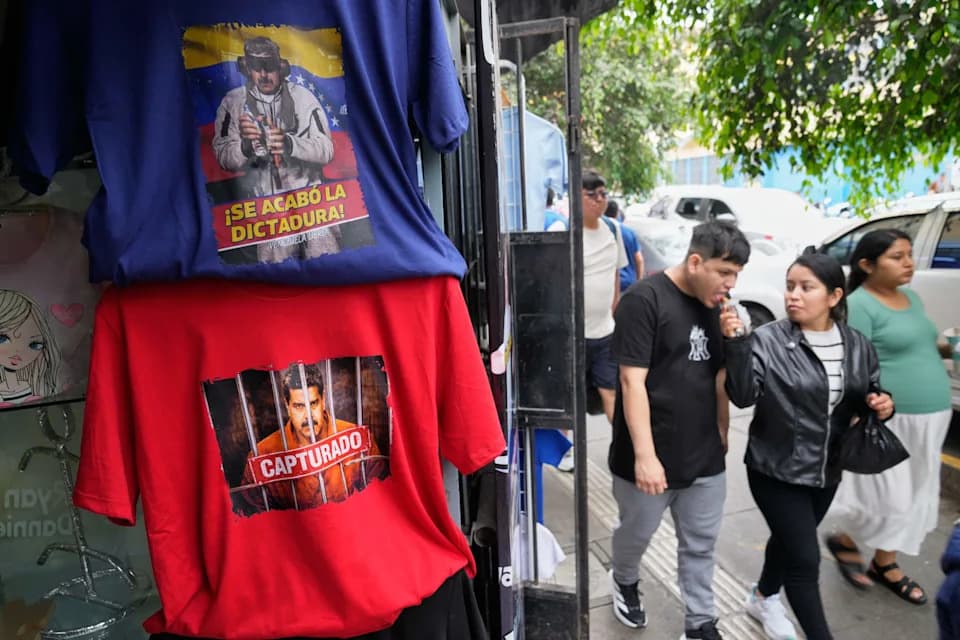
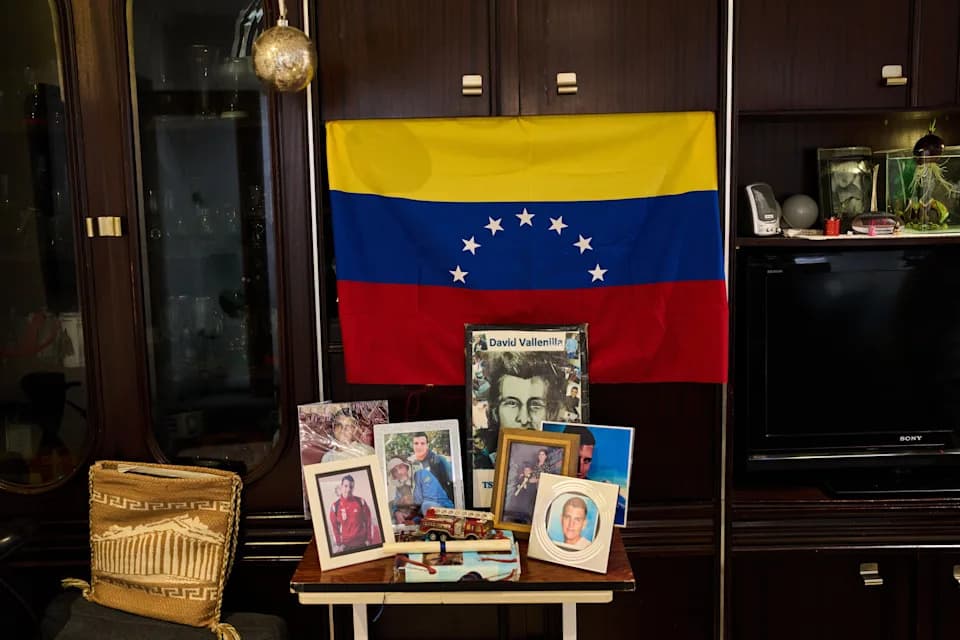
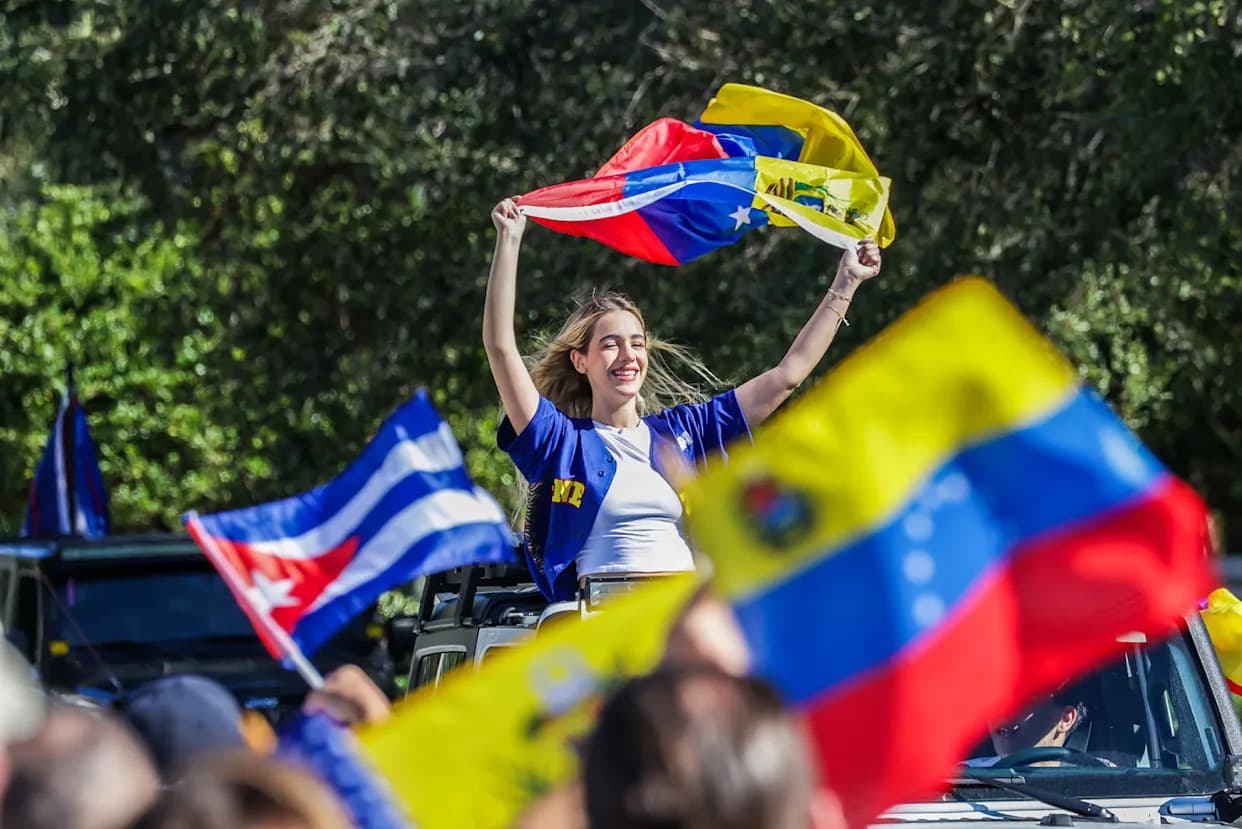
Many Venezuelans across Latin America are considering returning home after recent political developments involving President Nicolás Maduro raised cautious hopes for elections and economic recovery. Since 2014, roughly 8 million people—about a quarter of the population—have left Venezuela. Migrants interviewed in Colombia, Peru, Chile, Mexico and Panama voiced a mix of optimism and concern, citing fear of repression under figures like Delcy Rodríguez and the need for diaspora expertise to rebuild the country. Opposition leader María Corina Machado has urged a quick transition to enable returns.
Venezuelans Weigh Returning Home Amid Political Shifts and Fragile Hope
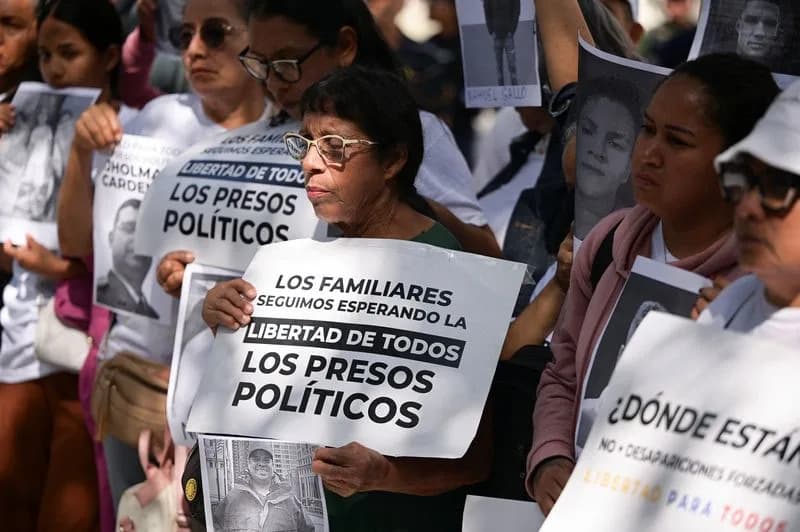
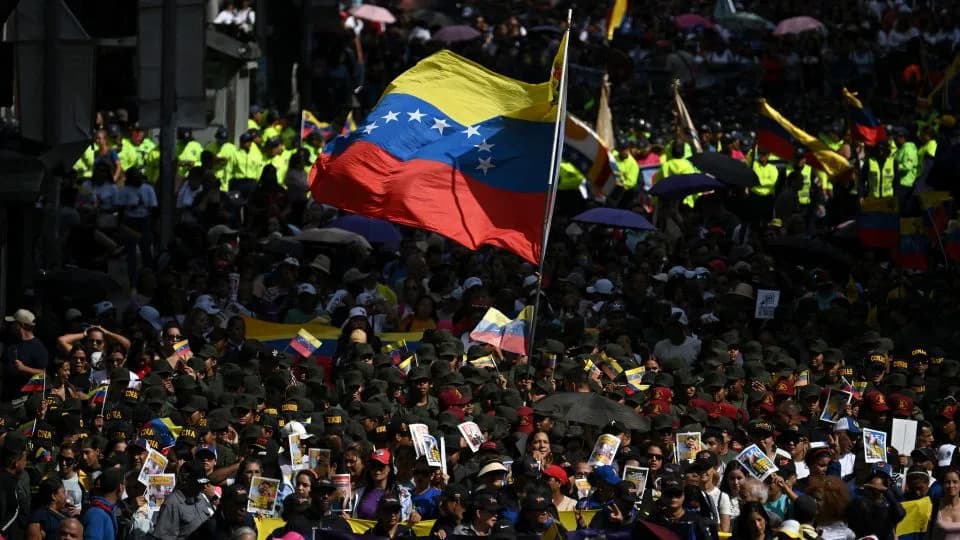
Demonstrators gather outside the Attorney General's office holding posters and pictures of detained people while demanding their liberation, amid prisoner releases by the Venezuelan government following the U.S. capture of Nicolas Maduro, in Caracas, Venezuela, January 20, 2026. REUTERS/Gaby Oraa
SANTIAGO/MEXICO CITY, Jan 21 (Reuters) - Venezuelans living across Latin America are weighing whether to return home after recent political developments and international pressure surrounding President Nicolás Maduro have stirred cautious hopes for democratic openings and economic recovery.
Situation Overview
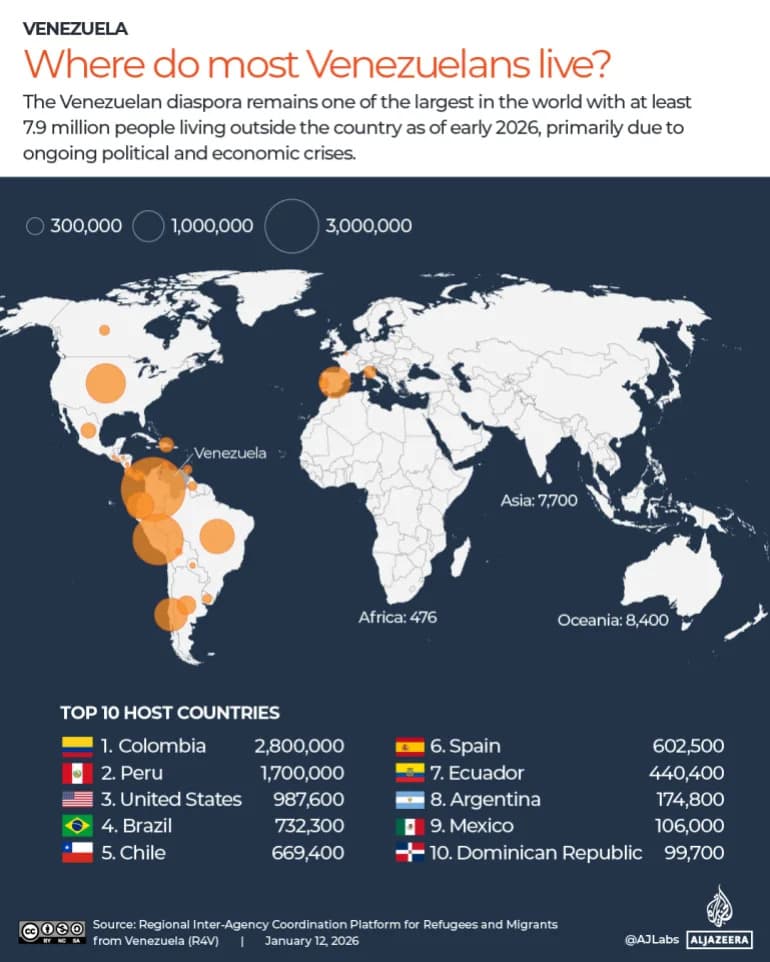
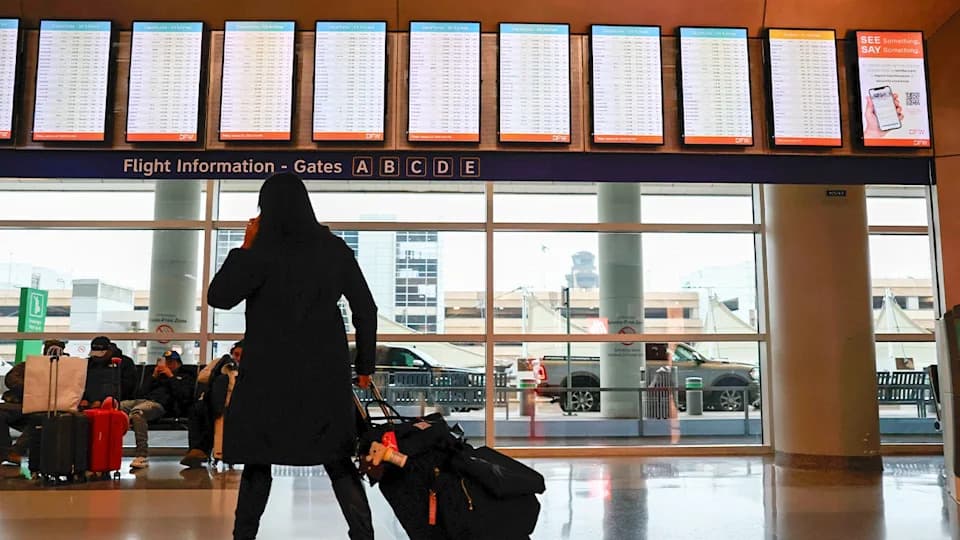
Since 2014, roughly a quarter of Venezuela's population—about 8 million people—has left the OPEC nation, scattering across Latin America, the Caribbean, Spain and the United States. The mass exodus followed the collapse of an oil-dependent economy that many blame on mismanagement and political turmoil.
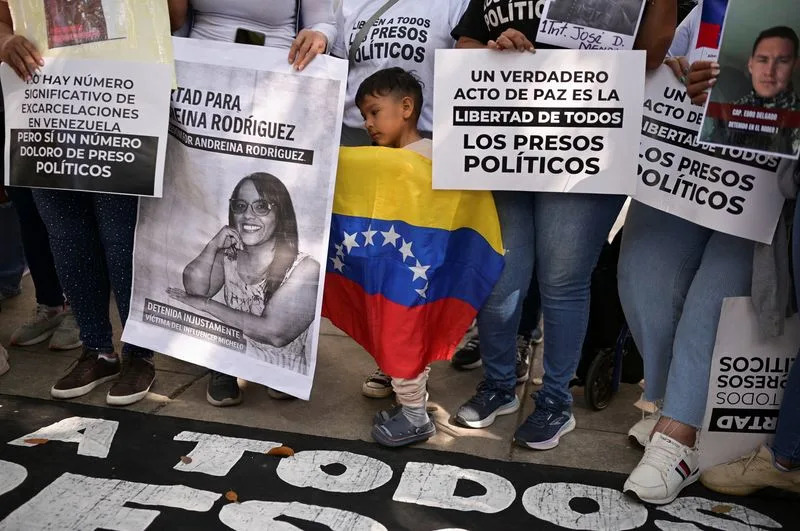
Demonstrators gather outside the Attorney General's office holding posters and pictures of detained people while demanding their liberation, amid prisoner releases by the Venezuelan government following the U.S. capture of Nicolas Maduro, in Caracas, Venezuela, January 20, 2026. REUTERS/Gaby Oraa
Voices From the Diaspora
"I want to return to my country, I want to help rebuild," said Juan Carlos Viloria, a doctor who helps run a migrant advocacy group in Colombia, which hosts the largest Venezuelan community in the region. But Viloria and others warn that concerns persist: with figures such as former vice president Delcy Rodríguez consolidating power, many fear continued repression and economic instability.
Nicole Carrasco, who moved to Chile in 2019 after her father was arrested, said she feared little had changed for political prisoners and their families. "It is not as if Venezuela is free yet—there are still many very bad people in power," she said, adding that she longs to see relatives and eat arepas again.
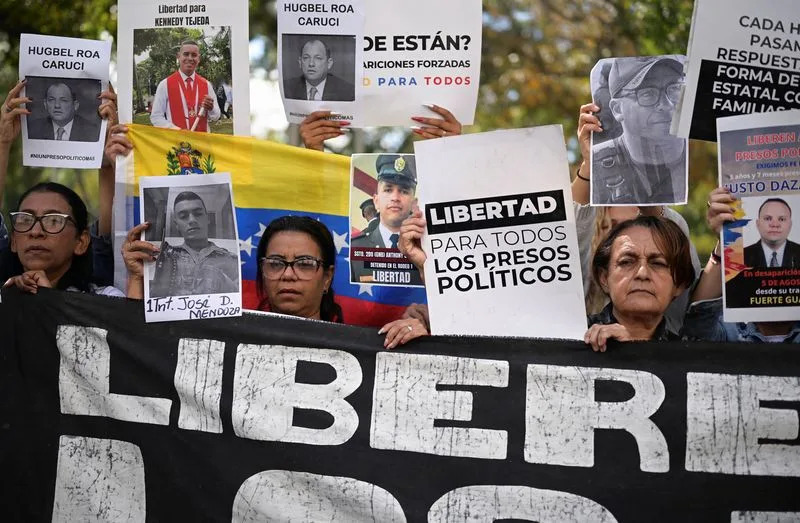
Demonstrators gather outside the Attorney General's office holding posters with pictures of detained people while demanding their liberation, amid prisoner releases by the Venezuelan government following the U.S. capture of Nicolas Maduro, in Caracas, Venezuela, January 20, 2026. REUTERS/Gaby Oraa
Some migrants have settled in their host countries and face difficult choices about uprooting again. Yet several said the skills of the diaspora will be essential to any national recovery. "Rebuilding Venezuela will require many of the talents of those of us who have left," Viloria said. Reuters interviewed about a dozen migrants—including day laborers, business owners and engineers—in Colombia, Peru, Chile, Mexico and Panama.
Political Stakes and Next Steps
Opposition leader and Nobel Peace Prize laureate María Corina Machado, whose camp argued that its candidate was the rightful winner of the contested 2024 election, has called for a swift transition of power to enable Venezuelans to return. While many migrants expressed short-term uncertainty, the prevailing sentiment combined guarded optimism with practical caution.
"All of us outside Venezuela, I think we can come together and recover our country by working together," said Omar Alvarez, traveling through Panama on his way home. "With all of us united, our country's economy will rise again."
How many choose to return—and under what conditions—could play a decisive role in shaping Venezuela's political future and economic recovery.
(Reporting by Sarah Morland and Diego Delgado in Mexico City, Rodrigo Gutierrez in Santiago and Enea Lebrun in Miramar; Editing by Daina Beth Solomon and Rosalba O'Brien)
Help us improve.