Venezuela says security forces dismantled major drug‑trafficking logistics routes in 2025, focusing operations in Zulia and along corridors linking Colombia’s Catatumbo with Lake Maracaibo and the Caribbean. Interior Minister Diosdado Cabello reported arrests of former military personnel, police, judges and mayors and claimed more than 400 aircraft tied to trafficking were neutralized after cooperation with the U.S. DEA ended. Colombian investigations and U.S. case files have renewed allegations of links between some Venezuelan officials and armed groups such as the ELN and FARC dissidents; these remain allegations and not final convictions.
Venezuela Says It Dismantled Major Drug-Trafficking Corridors; Reports Rekindle Allegations Against Diosdado Cabello
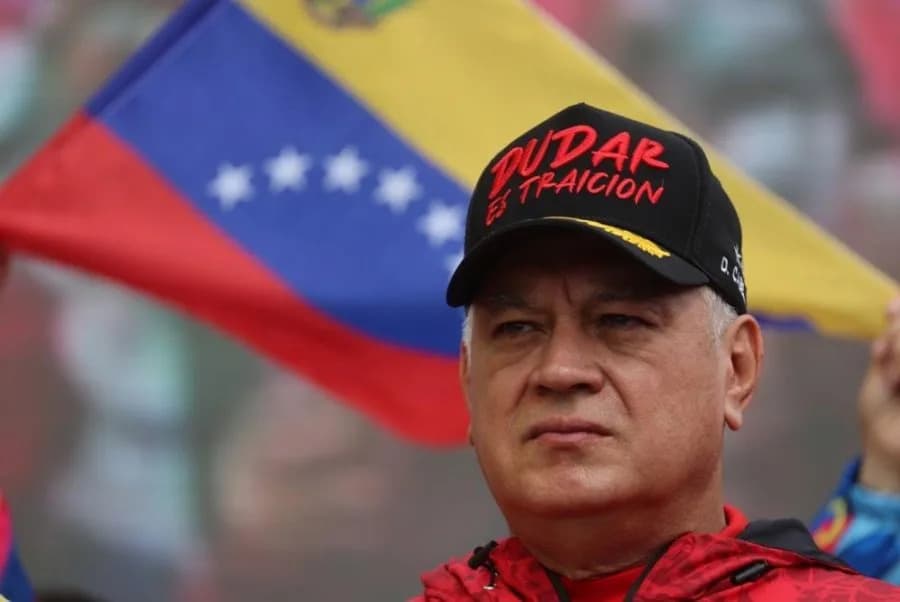
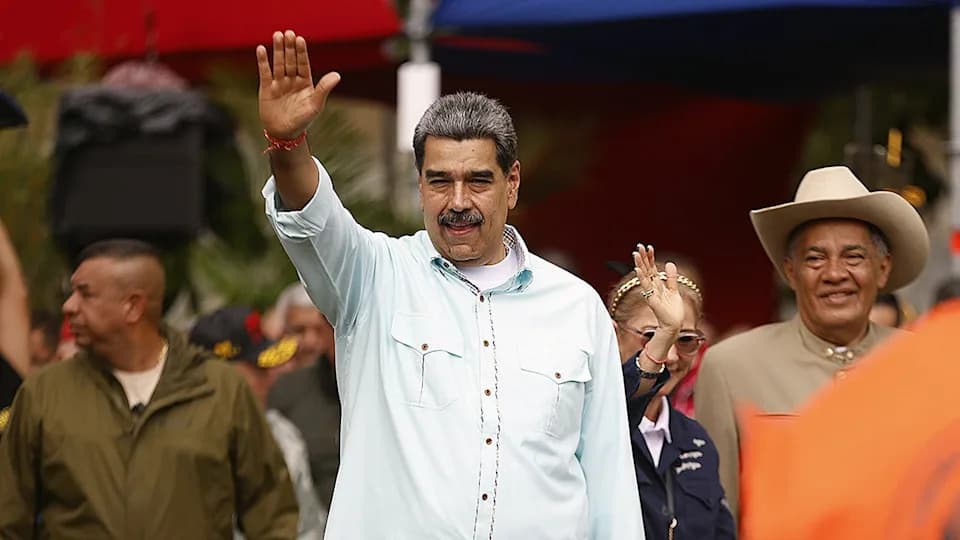
Venezuelan Minister of Interior, Justice and Peace Diosdado Cabello said Wednesday that a series of operations succeeded in “pulverizing” corridors used by drug traffickers, especially those linking Colombia’s Catatumbo region with Lake Maracaibo and the Caribbean, leading to the arrest of numerous suspects. File Photo by Miguel Gutierrez/EPA
Jan. 15 (UPI) — The Venezuelan government announced it dismantled what it described as the country’s main drug‑trafficking logistics corridors during 2025, concentrating operations in the western state of Zulia.
Interior, Justice and Peace Minister Diosdado Cabello said in a conference televised on state channel VTV that security forces conducted a series of operations that "pulverized" routes used by traffickers—particularly corridors linking Colombia’s Catatumbo region with Lake Maracaibo and the Caribbean coast. Authorities reported numerous arrests as a result.
Officials said those detained include former members of the Bolivarian National Armed Forces, police officers, judges and mayors who are accused of facilitating drug‑trafficking operations. Cabello also claimed that, after Caracas suspended cooperation with the U.S. Drug Enforcement Administration, security forces had "neutralized" more than 400 aircraft allegedly linked to drug shipments. He added that dismantling maritime infrastructure on Lake Maracaibo was a priority, given the lake’s role in moving large consignments.
Investigations and Allegations
Separately, Colombian media investigations and reports have renewed public debate about alleged ties between elements of the Venezuelan state and Colombian illegal armed groups. Noticias Caracol cited a 2020 recording and intelligence documents that reportedly mention alliances, contacts and operations involving drug trafficking and weapons, with references to Venezuelan military and political figures—especially in border areas where illicit economies and territorial control overlap.
Colombian authorities are said to hold additional emails and documents attributed to leaders of the National Liberation Army (ELN) and commanders of Revolutionary Armed Forces of Colombia (FARC) dissident factions operating in Venezuela. Local outlets, including El Colombiano, framed these materials within a struggle for control of trafficking corridors along the Colombia–Venezuela border, where ELN and FARC dissidents reportedly face off.
Analysts and regional publications have long documented an ELN presence in parts of Venezuela. A Cambio magazine piece in October 2025 described the ELN’s footprint in states such as Apure, Zulia and Amazonas as longstanding, and a 2020 report by Colombian NGO Indepaz similarly highlighted the persistence and expansion of armed groups in border regions.
Allegations Against Cabello
On Jan. 7, Colombian newspaper El Tiempo reported that U.S. authorities possess documents and evidence included in a judicial case file alleging links between Diosdado Cabello—often described by critics as a powerful figure in President Nicolás Maduro’s government—and international drug‑trafficking networks, including ties to Colombian illegal armed groups and Mexican criminal organizations. The report describes the alleged scheme as long‑running and suggests Cabello may have exercised influence over security and intelligence sectors in ways that facilitated trafficking and cooperation with these groups.
Important: These reports describe allegations, judicial documents and ongoing investigations; they do not represent final convictions.
Venezuelan authorities frame their 2025 operations as a concerted effort to reclaim control over strategic corridors and infrastructure. Independent verification of the government’s claims about the scope of the dismantling and the fate of seized assets has not been independently confirmed in this report.
Sources: UPI summary of government statements; Noticias Caracol; El Colombiano; Cambio; Indepaz; El Tiempo.
Help us improve.