Debate Snapshot: The first Texas Democratic Senate primary debate highlighted contrasts in style and strategy more than policy. Jasmine Crockett emphasized confrontational, high-energy tactics while James Talarico offered a calmer, faith-based message focused on unity. Both criticized federal immigration enforcement after the Minneapolis shooting that killed Alex Pretti and called for major changes to ICE; they differed on how quickly to pursue impeachment or other accountability measures.
Style and Strategy Take Center Stage in First Texas Democratic Senate Primary Debate
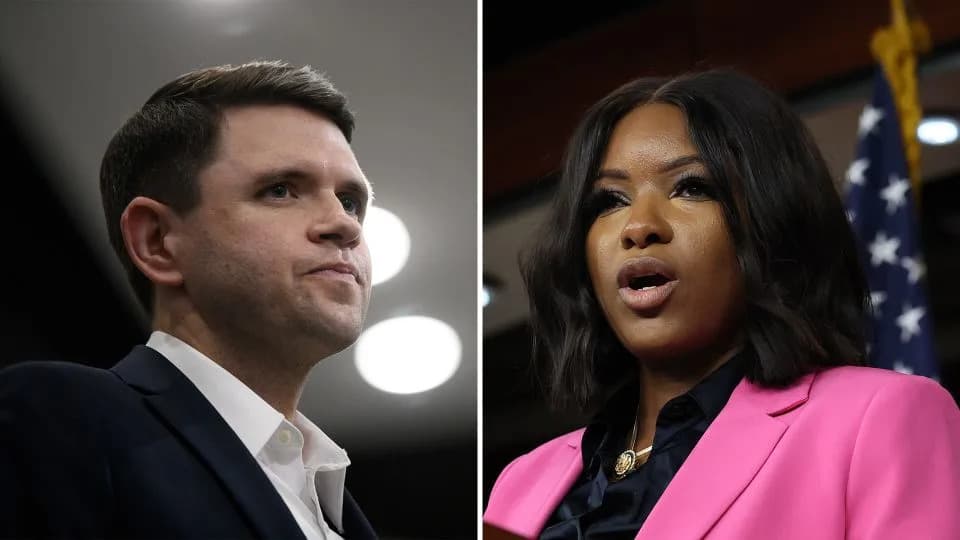
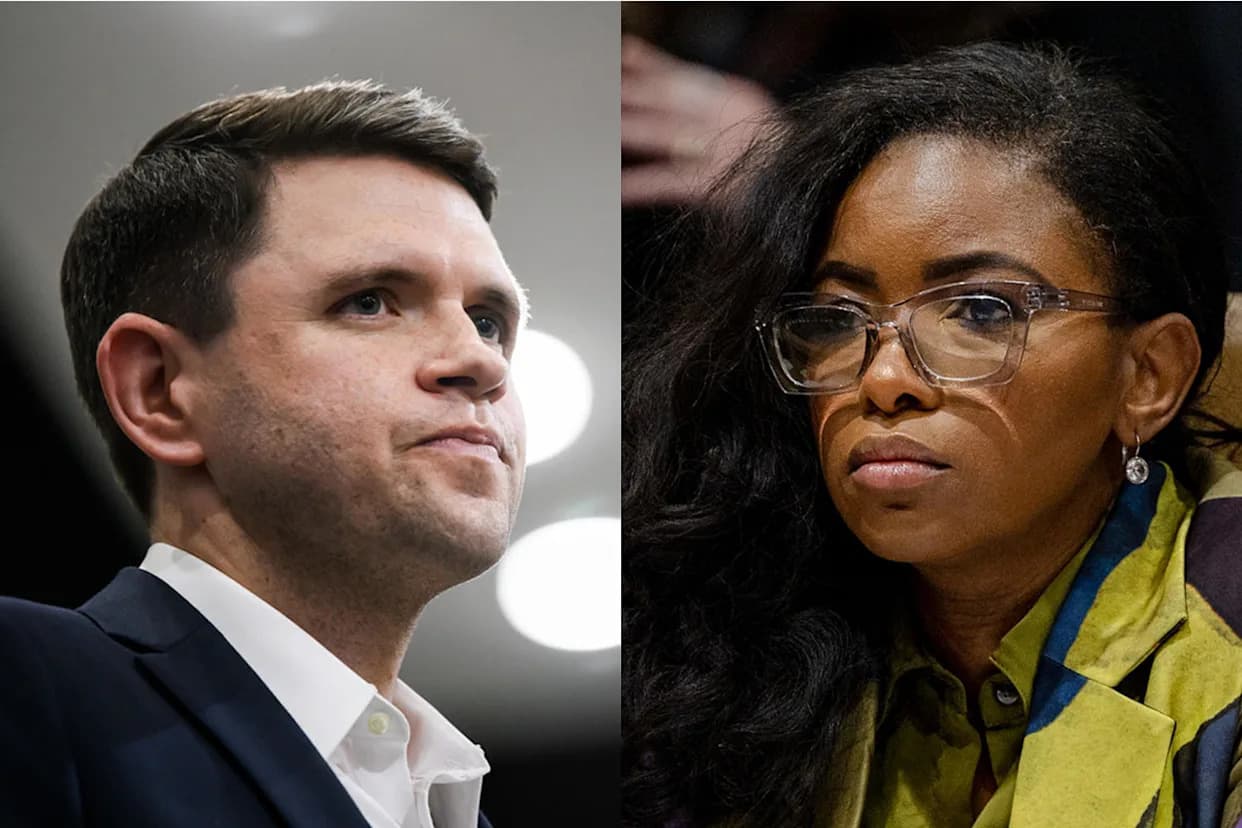
Rep. James Talarico, left, and Rep. Jasmine Crockett - Getty Images
The first debate in the Texas Democratic primary for the U.S. Senate on Saturday spotlighted contrasts in tone and strategy more than policy differences between U.S. Rep. Jasmine Crockett and state Rep. James Talarico. With fewer than six weeks until the March 3 primary, both candidates presented competing visions for how Democrats could be competitive in a state that has not elected a Democrat statewide in decades.
Three Key Takeaways
1. Style Over Substantive Difference
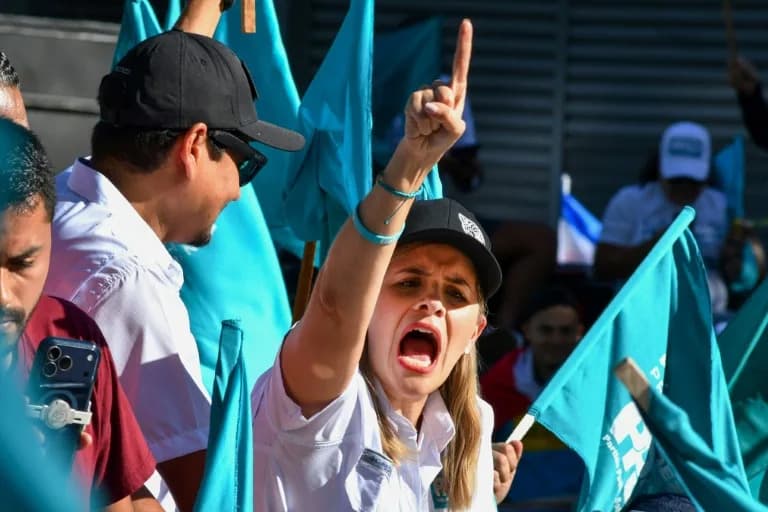
Both candidates broadly agreed on policy priorities, but the clearest contrast was their approach. Crockett, 44, a former state lawmaker and civil-rights attorney, leaned into a combative, high-energy style that has produced viral moments and national attention. Talarico, 36, a former teacher and Presbyterian seminarian, projected a calmer, faith-infused message focused on unity and pragmatic outreach.
“I am here to tell you that while the system has been fighting me, I have been fighting them back,”
Crockett said she would take risks and adopt tactics political consultants might shy away from in order to energize voters. In her closing she warned that a senator from Texas would need to be “ready for real war.”
2. Strong Criticism of Federal Immigration Enforcement
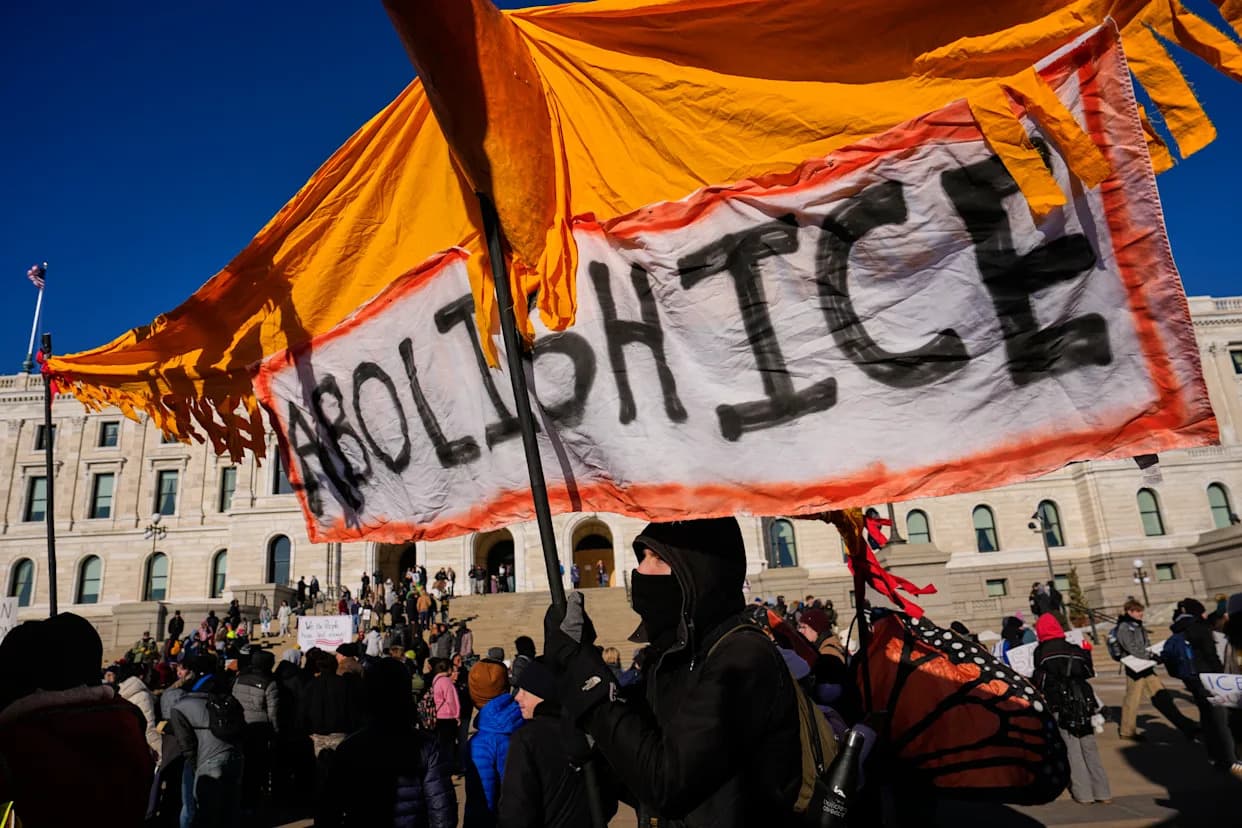
Both candidates condemned the federal immigration operation after a border agent in Minneapolis shot and killed 37-year-old Alex Pretti, calling for a major overhaul of how enforcement is carried out. Crockett described U.S. Immigration and Customs Enforcement (ICE) as a "rogue organization," and said she was willing to "clean house" in immigration agencies. Talarico called for dismantling what he described as a "secret police force" and replacing it with an agency focused on public safety.
“Our southern border should be like our front porch. There should be a giant welcome mat out front and a lock on the door,”
Talarico said, citing family ties to Laredo and stressing a pathway to citizenship for long-standing residents while keeping out those who would do harm.
3. Impeachment and Oversight Divide the Candidates
Crockett said there is enough evidence to impeach former President Donald Trump for, among other things, what she described as unlawful use of tariffs. Talarico stopped short of calling for immediate impeachment of the president, saying instead that the administration’s actions warrant review and possible accountability. Both candidates expressed support for pursuing removal or accountability for senior officials involved in controversial immigration enforcement actions.
Context And Stakes
The debate came amid intense national attention on immigration enforcement and political messaging ahead of the March 3 primaries. Texas — with a roughly 1,254-mile U.S.–Mexico border, large immigrant and refugee communities, and thousands of border and immigration officers — remains a central battleground for immigration policy and political strategy.
Both Democrats are positioning themselves to flip a Republican-held Senate seat in the general election. Their differing styles — Crockett’s confrontational activism versus Talarico’s faith-driven, coalition-building pitch — reflect competing ideas about how Democrats can win statewide in Texas.
What To Watch Next: How the candidates translate debate messaging into outreach in both urban and border communities, fundraising and endorsements in the coming weeks, and whether national Republicans will use debate soundbites to define the eventual Democratic nominee.
Help us improve.