The Trump administration launched "Operation Catch of the Day," sending federal immigration teams to Maine in what officials say is a targeted enforcement surge focused on Somali immigrants. About 50 people have been detained so far and ICE says it has a list of roughly 1,400 people it plans to target; criminal records were released for only four arrestees. The move follows controversial enforcement in Minneapolis that sparked protests and scrutiny after the fatal shooting of Renee Good. The administration has also announced an end to Temporary Protected Status for Somali nationals.
ICE’s 'Operation Catch of the Day' Targets Somali Communities In Maine — Arrests, Protests And TPS Cuts
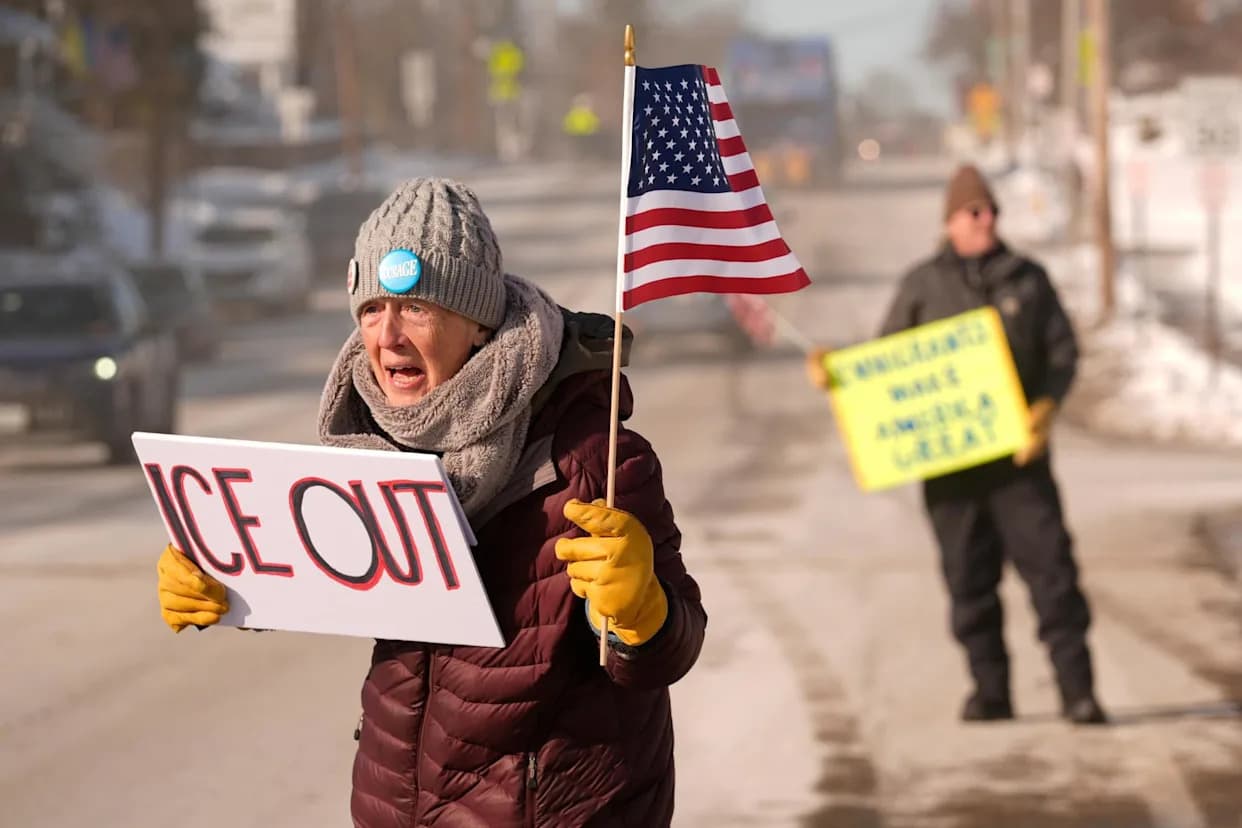
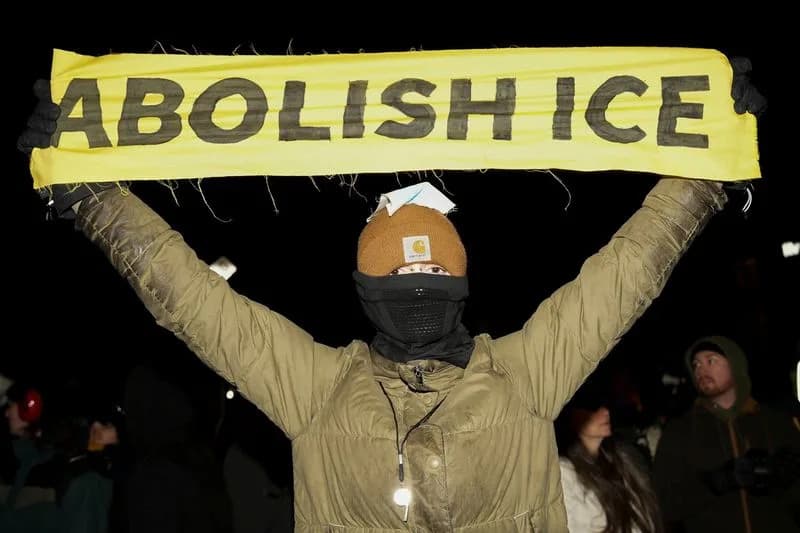
Rosie Grutze protests against ICE on 21 January, in Portland, Maine.Photograph: Robert F Bukaty/AP(Photograph: Robert F Bukaty/AP)
The Trump administration has launched a new, targeted immigration operation in Maine, deploying a surge of federal personnel to the coastal state under a campaign the government has dubbed "Operation Catch of the Day." Reporting indicates Immigration and Customs Enforcement (ICE) is focusing enforcement activity on Somali immigrants living in the northeastern state.
What Happened
The operation began on Tuesday. In a statement quoted by the Guardian, the Department of Homeland Security — ICE’s parent agency — said:
"Some of the arrests of the worst of the worst from the first day of operations include criminal illegal aliens convicted of horrific crimes including aggravated assault, false imprisonment, and endangering the welfare of a child."The government provided criminal histories for four arrestees out of roughly 50 people ICE says have been detained so far and did not release background details for the remainder.
Scope And Tactics
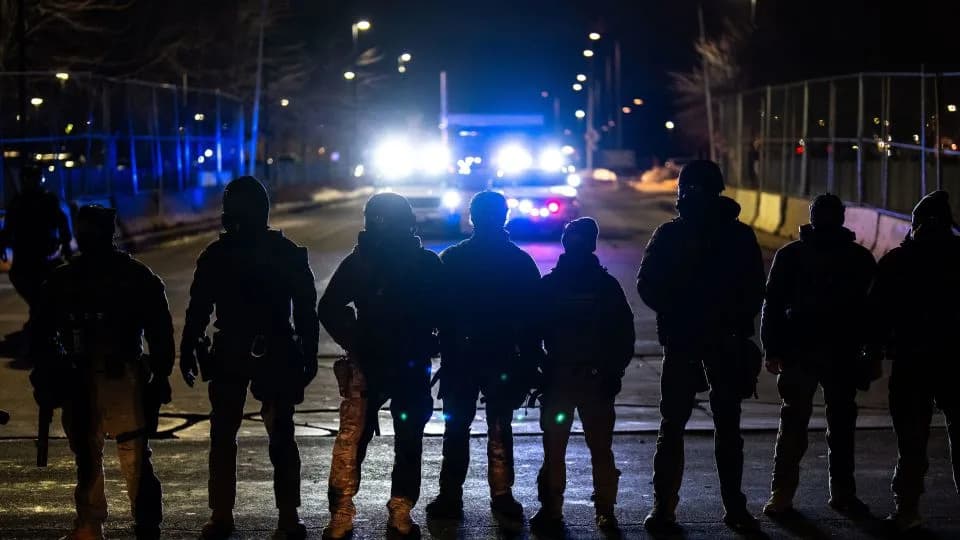
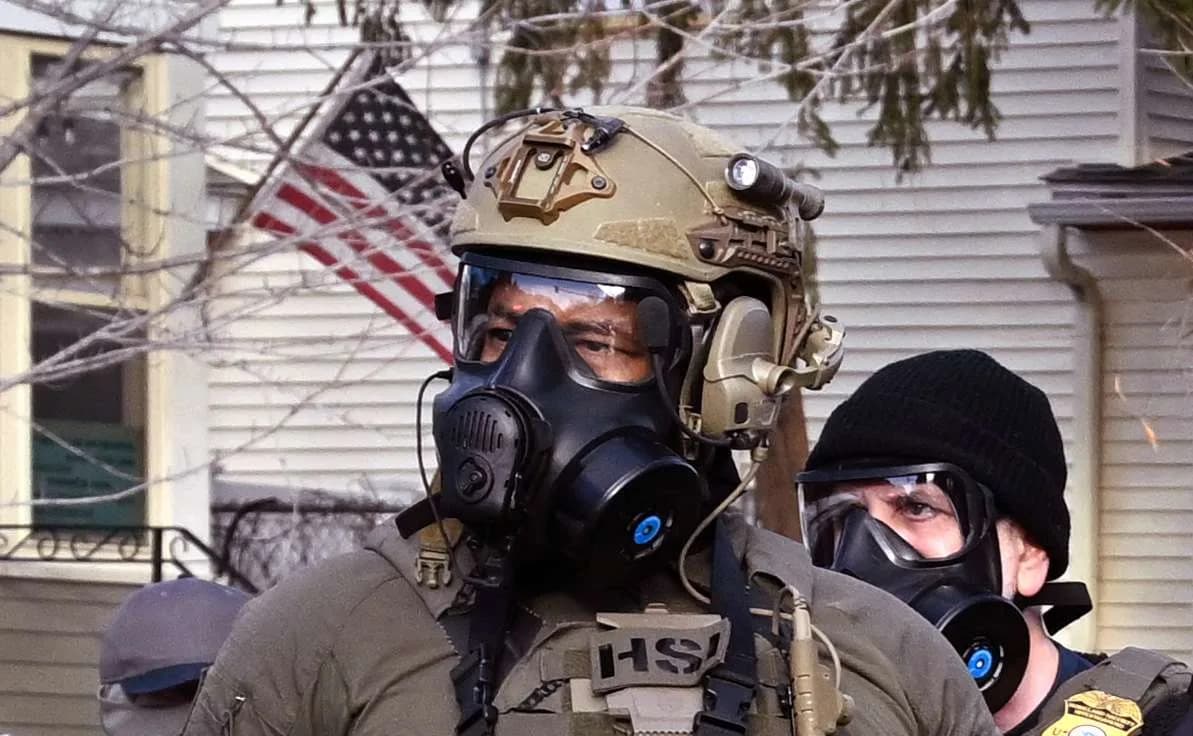
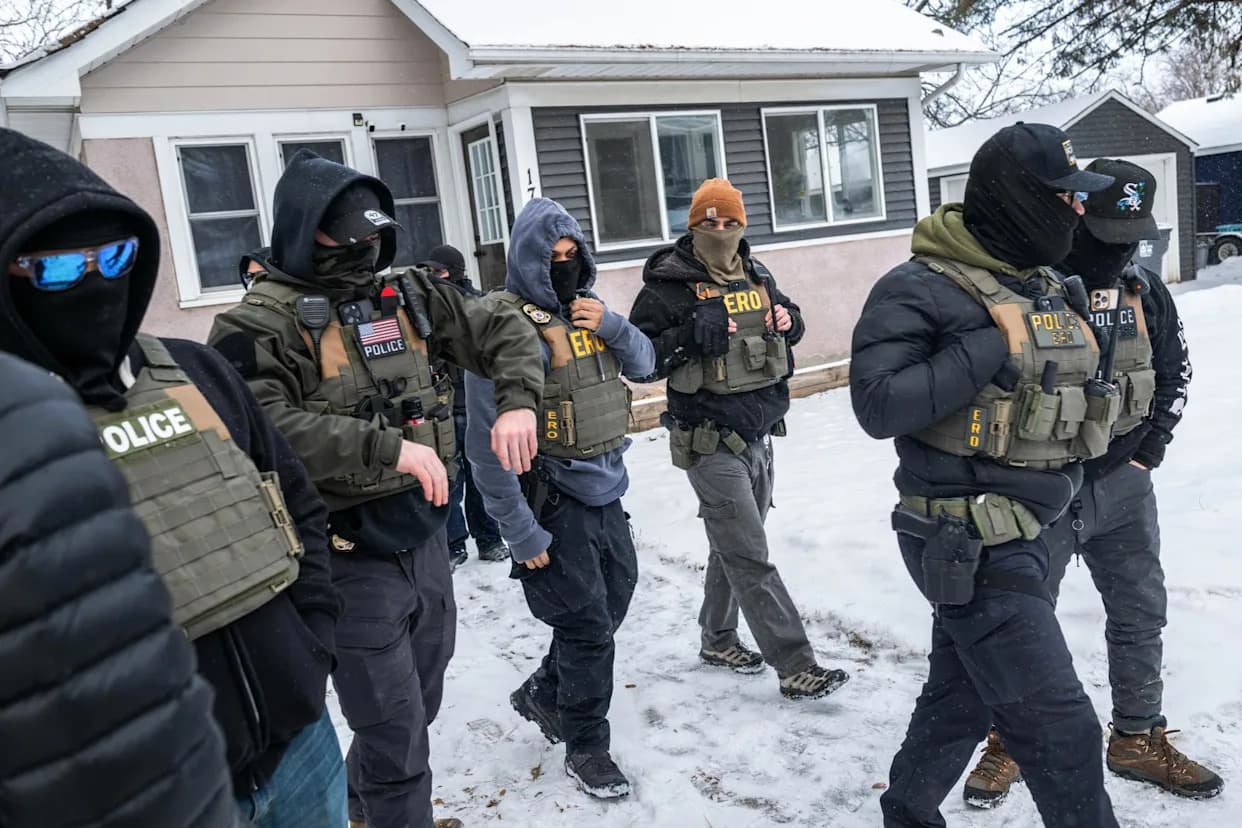
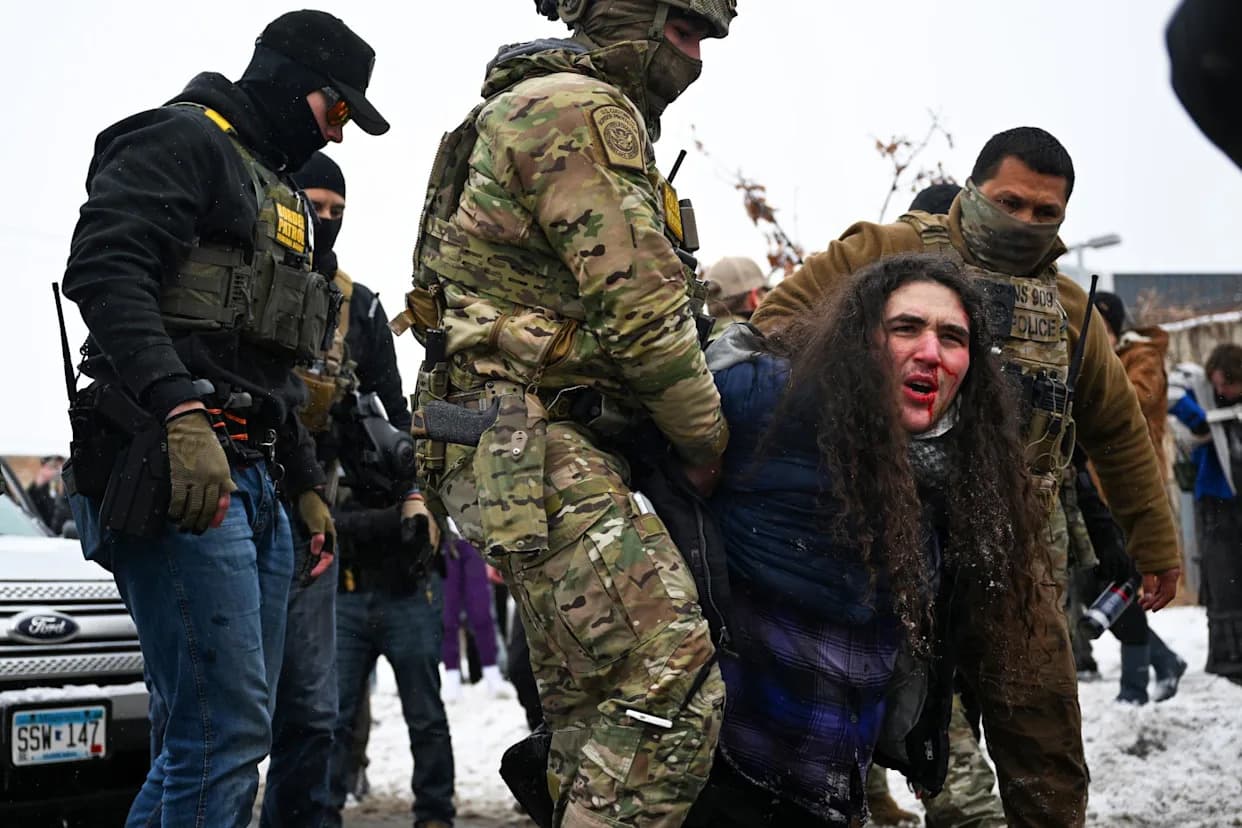
Patricia Hyde, deputy assistant director at ICE, told Fox News that close to 50 people had been detained in Maine as part of the enforcement surge. Hyde also said ICE compiled a list of about 1,400 individuals in the state it plans to target. Television footage shown on Fox News depicted ICE officers wearing masks and with their faces blurred, while images of those taken into custody were not blurred.
Context: Minneapolis And Public Response
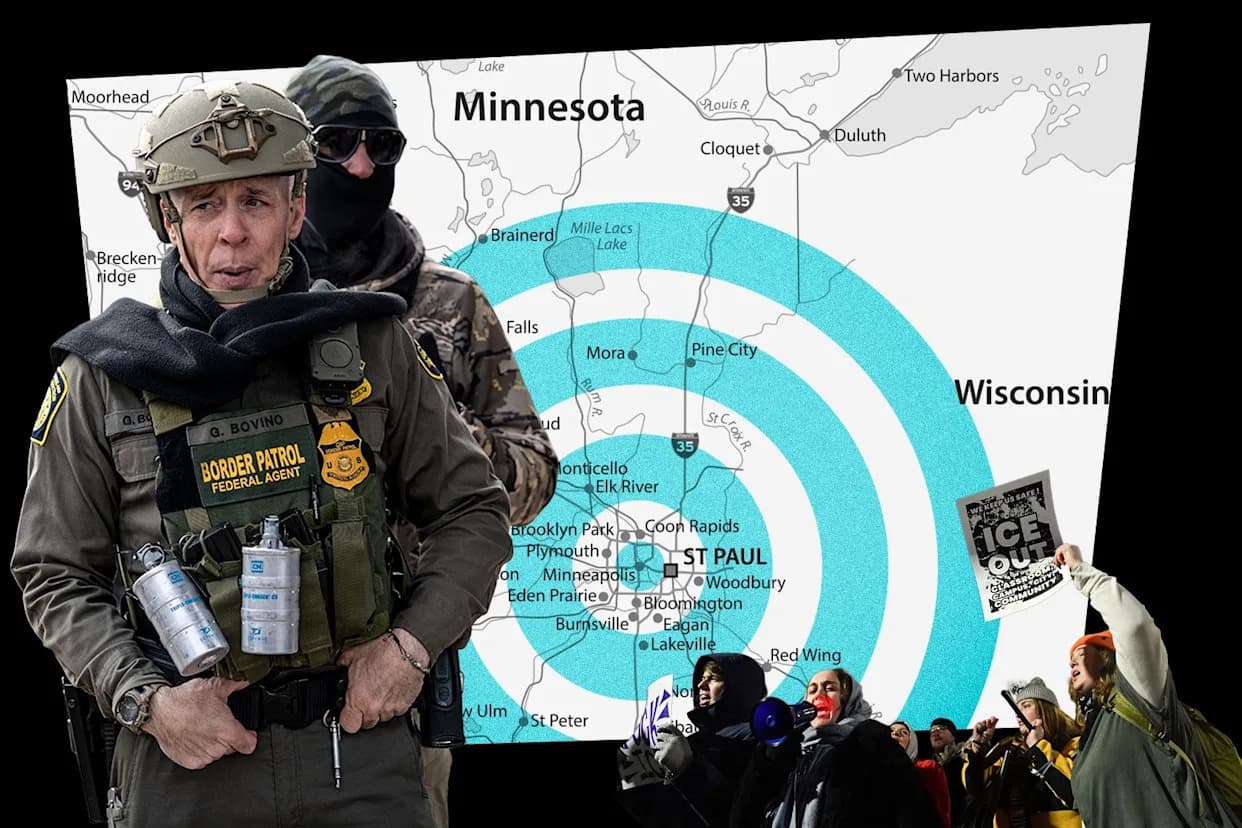
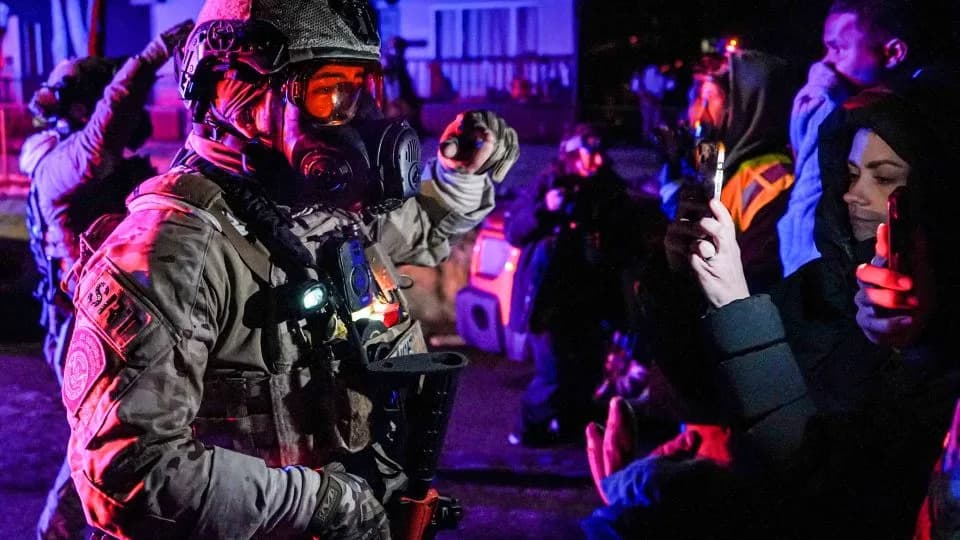
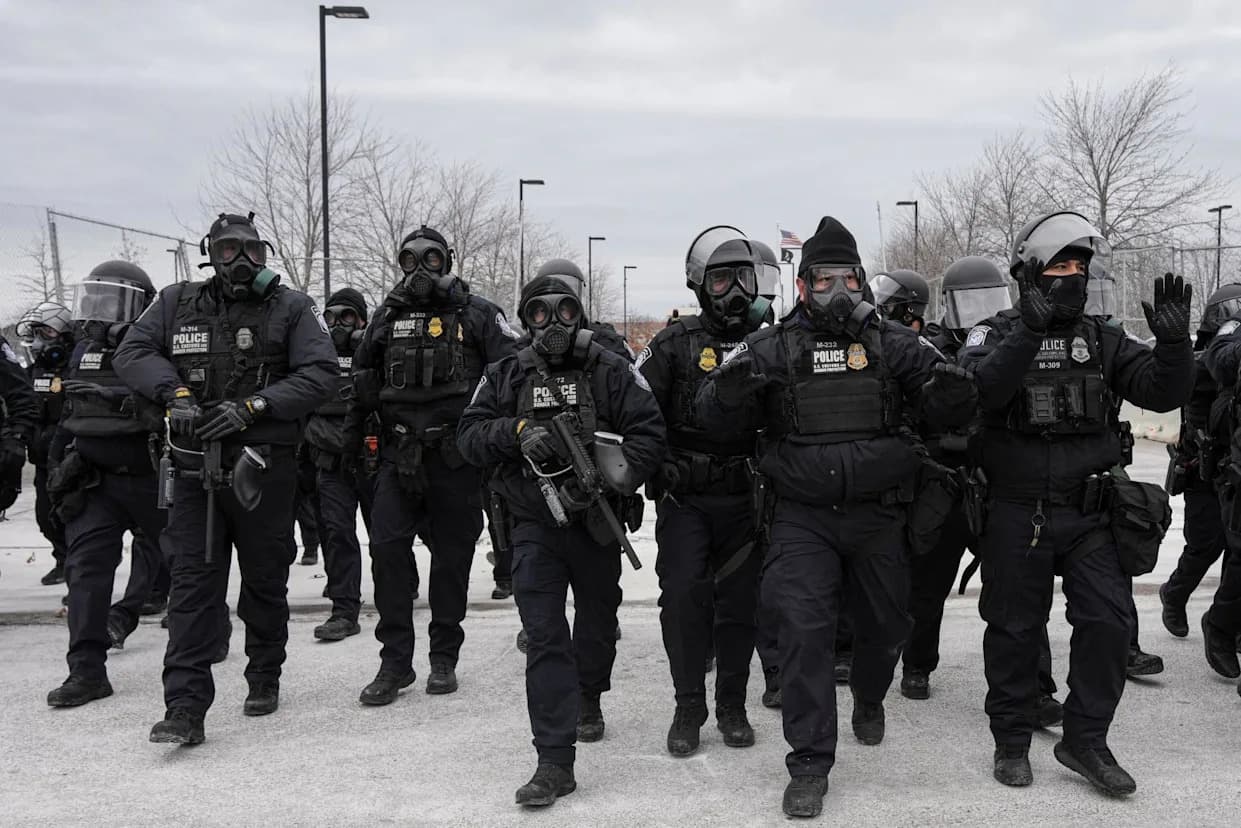
The Maine operation follows weeks of similar enforcement activity in Minneapolis that sparked demonstrations and drew criticism over forceful tactics. Thousands of enforcement officers were mobilized to Minnesota, and the agency faced intense scrutiny after the fatal shooting of Renee Good by an ICE officer in Minneapolis earlier this month. The FBI later excluded local prosecutors from the official investigation into that incident.
Local Impact
Maine has become home to asylum seekers from several African countries, which bolstered a Somali community that began forming in the early 2000s when refugees resettled in Lewiston. Despite this growing diversity, Maine remains predominantly white and has one of the oldest median populations in the nation. Many local businesses increasingly rely on immigrant workers to fill labor shortages as native-born workers retire or leave the workforce.
Officials' Responses
The U.S. attorney’s office in Maine signalled a planned operation in a statement urging anyone who protests to remain peaceful. "In the coming days, if Maine citizens seek to exercise their rights to assemble and protest, it is vital that these protests remain peaceful," said Andrew Benson, the U.S. attorney for the district. "Anyone who forcibly assaults or impedes a federal law enforcement officer, willfully destroys government property or unlawfully obstructs federal law enforcement activity commits a federal crime and will be prosecuted to the fullest extent of the law."
Lewiston’s mayor, Carl Sheline, said ICE agents had increased their presence in the city and urged residents to stay calm and "check in on one another." Community groups and civil-rights organizations have warned residents and organizers about the potential for disruptive enforcement tactics and are coordinating responses and legal support.
Policy Change: Temporary Protected Status
Separately, the administration announced it would end Temporary Protected Status (TPS) for Somali nationals living in the United States, giving hundreds of people roughly two months to depart or face removal proceedings. The administration first signalled intentions to revoke protections for Somali nationals in November, when President Trump posted on Truth Social criticizing Somali communities in Minnesota.
What To Watch
Key questions remain about the scope of arrests, the criteria used to compile the list of individuals targeted, and how local communities and legal advocates will respond. Observers and civil-rights groups are likely to continue monitoring the operation, the handling of detainees, and any legal challenges to the broader policy changes affecting Somali nationals.
Help us improve.