Reza Pahlavi, an exiled crown prince, says Iranians have asked him to lead a democratic transition after months of deadly protests. He has gained prominence as demonstrators chanted his name and reposted his appeals, but polls show only about 30% strongly back him while one-third remain undecided. Analysts caution he lacks a street-level organization inside Iran, faces divisions among supporters, and has not secured full backing from the U.S., including President Trump. Whether Pahlavi can convert visibility into real political influence depends on internal defections, opposition unity and international support.
Exiled Prince Reza Pahlavi Says He Can Lead Iran’s Democratic Transition — But Lacks Trump’s Endorsement
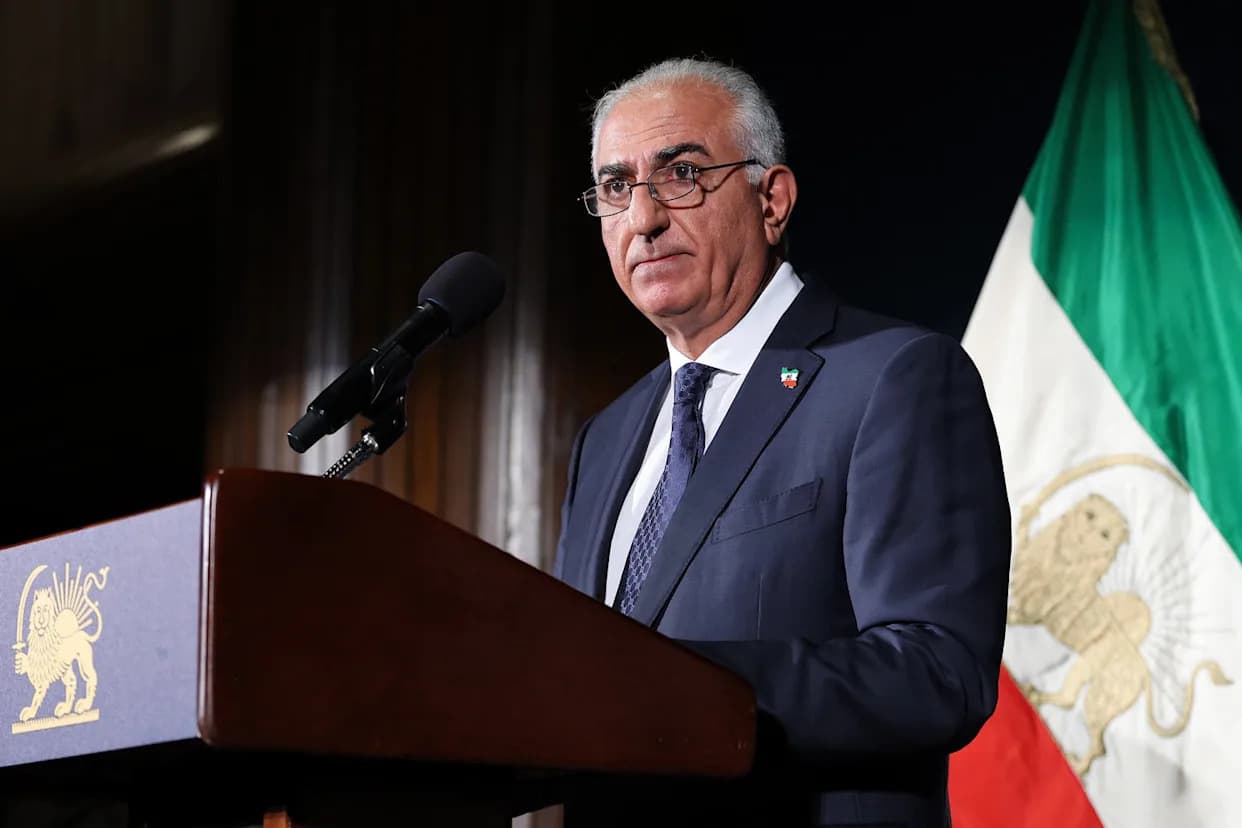
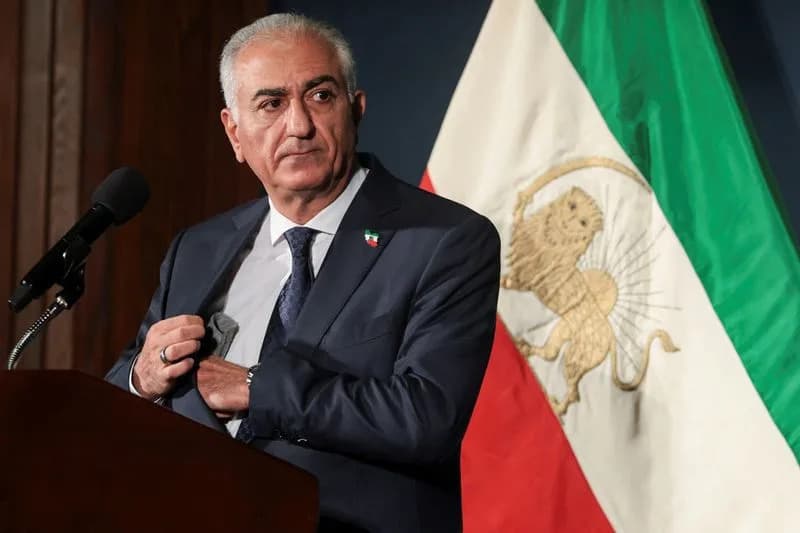
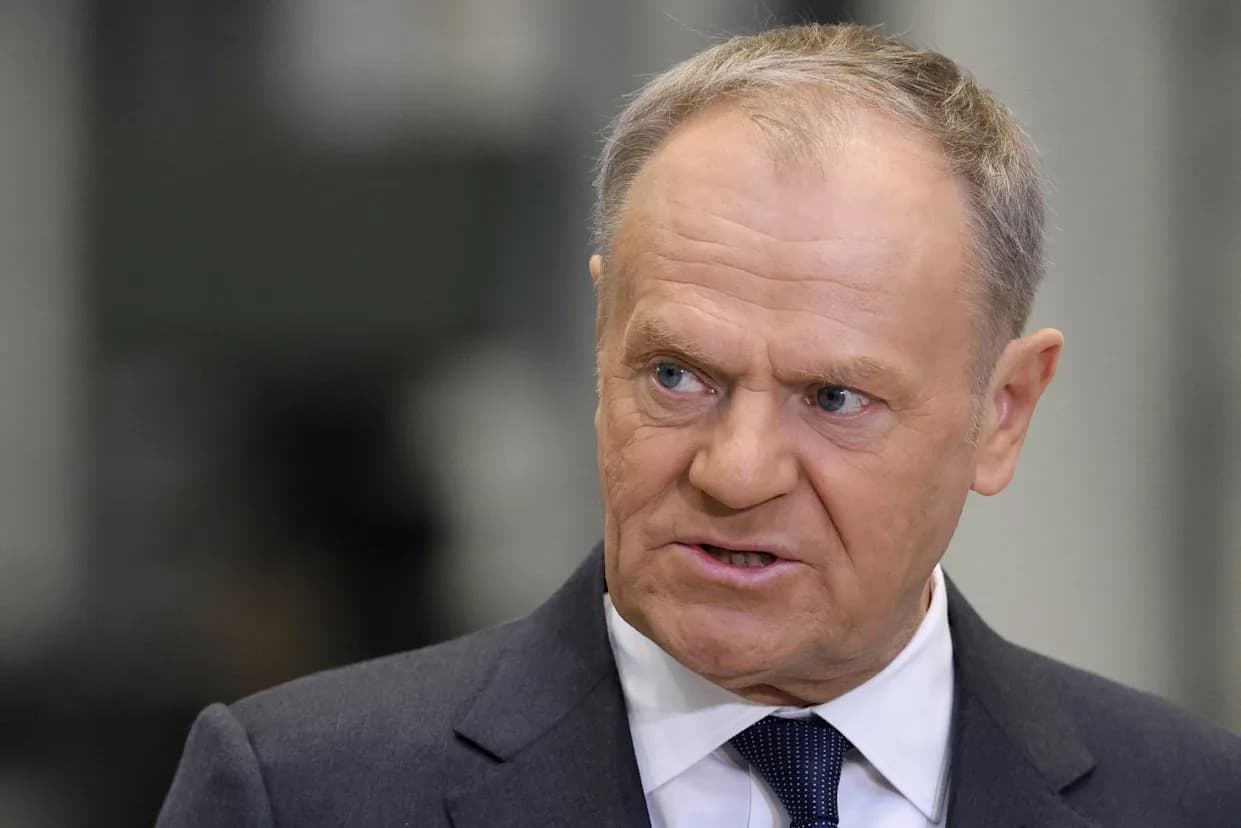
Iranian opposition leader Reza Pahlavi speaks during a news conference at the National Press Club on Jan. 16 in Washington, D.C. (Kevin Dietsch / Getty Images)(Kevin Dietsch)
Reza Pahlavi, an exiled Iranian crown prince who has lived abroad for 47 years, told reporters in Washington that many Iranians have asked him to help lead a democratic transition after months of nationwide protests. Pahlavi said he and a team of experts have prepared a plan to stabilize the country in the first 100 days following any collapse of the clerical regime.
Rising Profile Amid Deadly Protests
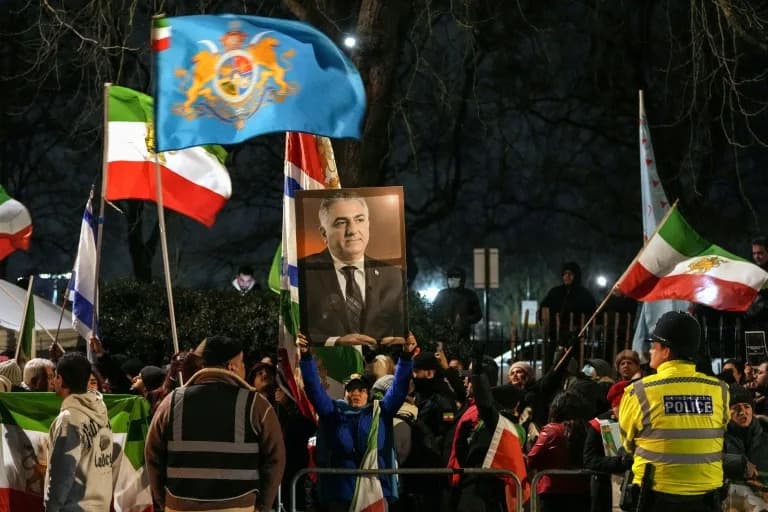
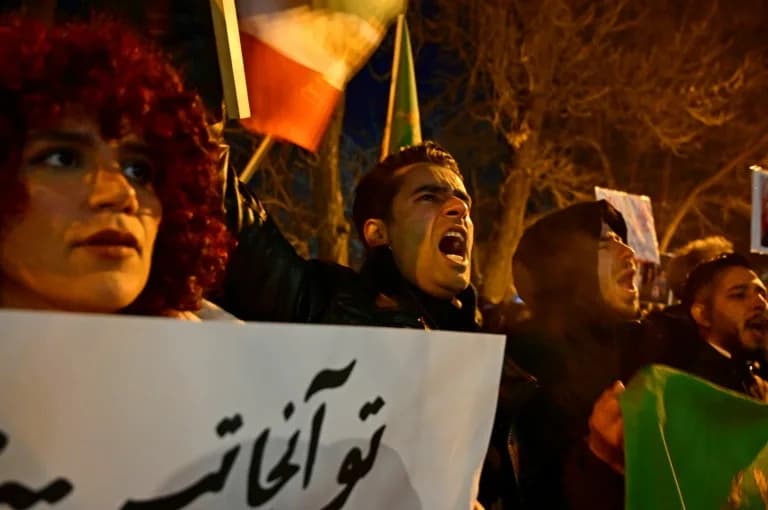
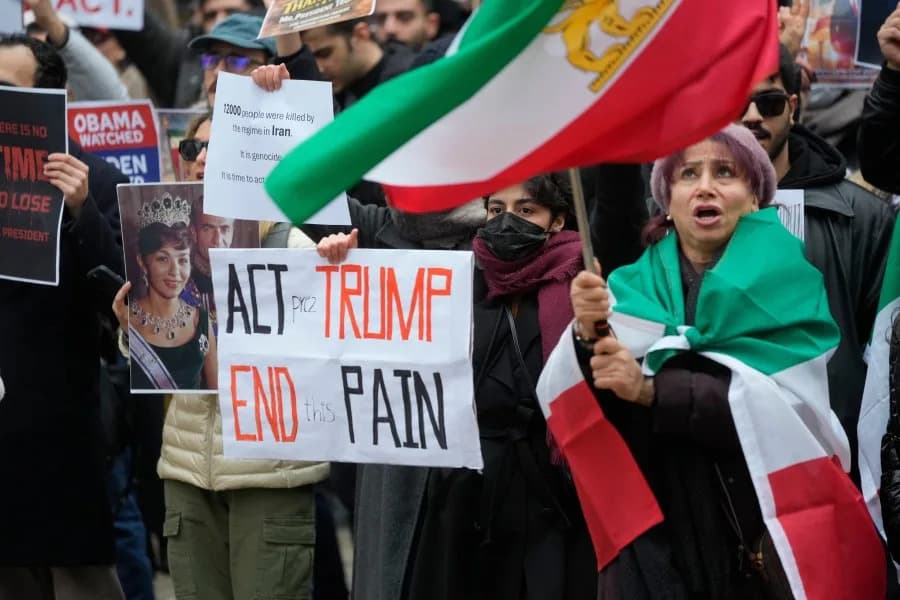
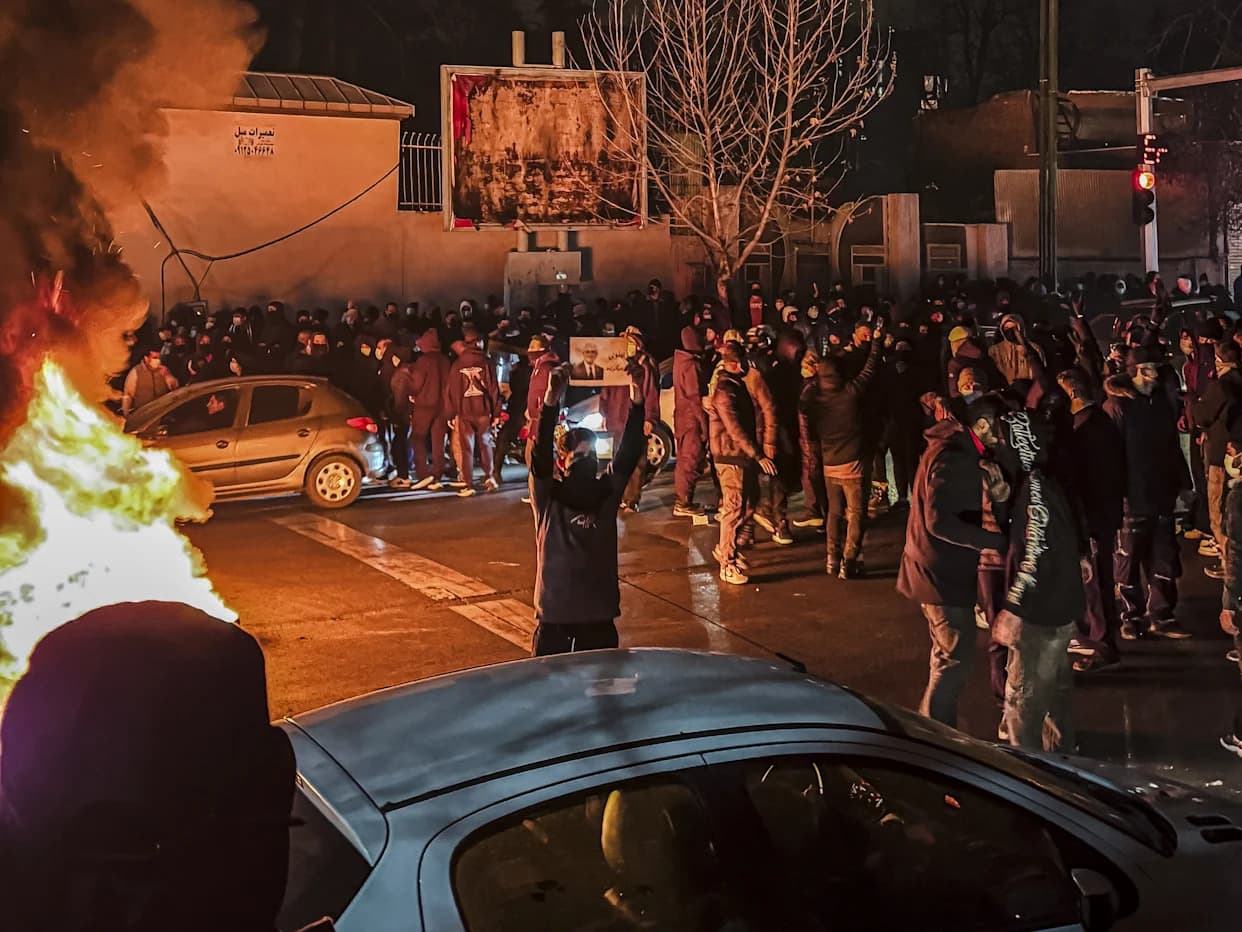
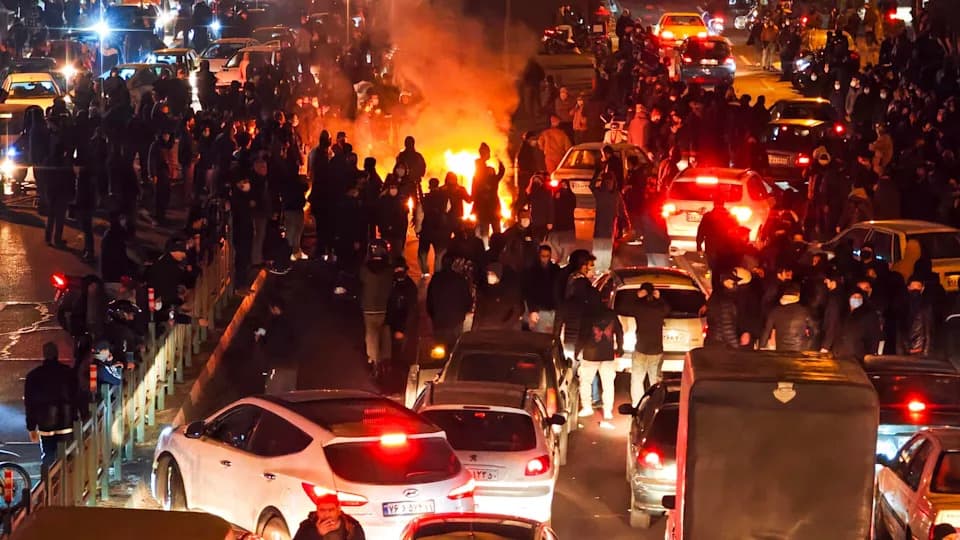
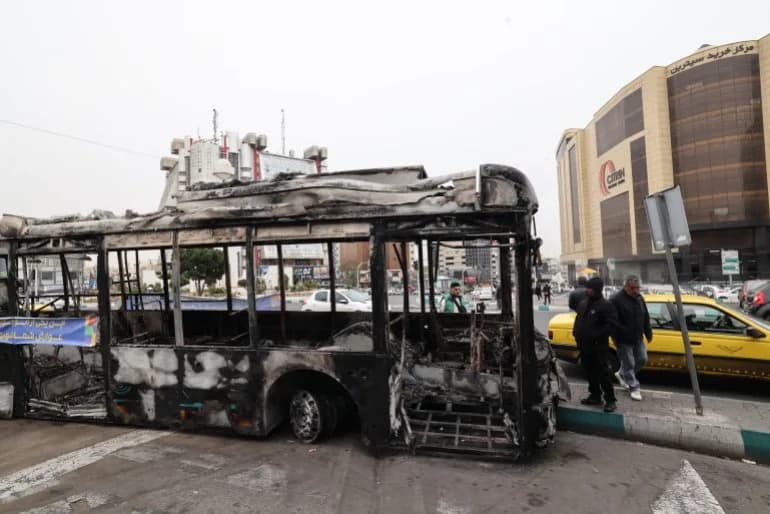
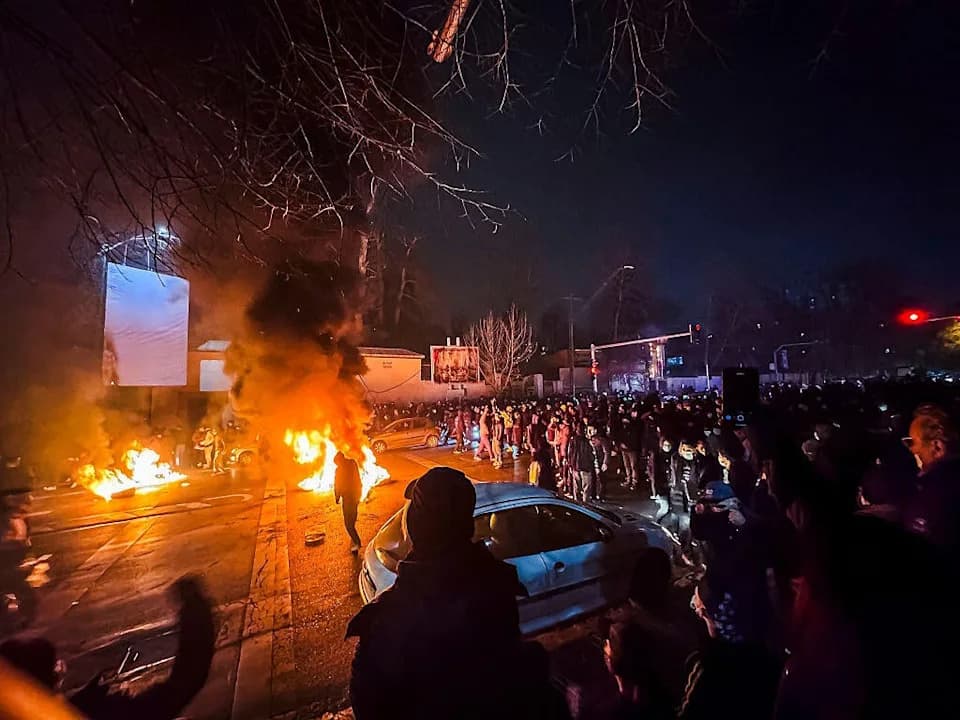
Once often dismissed as a marginal political figure, Pahlavi has resurfaced as protesters across Iran chanted his name and amplified his appeals on social media. Large-scale demonstrations that began in late December have subsided after Iran’s security forces opened fire on demonstrators, killing thousands, according to human rights groups. The repression of other dissidents — many jailed or silenced — has also raised Pahlavi’s visibility among opposition figures.
What Support Looks Like
Polling overseen by Ammar Maleki at Tilburg University in the Netherlands shows Pahlavi with higher name recognition and support than other opposition figures: roughly 30% of Iranians express strong support for him, about 30% oppose him and roughly one-third remain undecided. Supporters and some analysts say he can mobilize people, but others note his support is neither overwhelming nor unanimous.
Relations With the U.S. and Donald Trump
President Donald Trump has called Pahlavi a “nice guy” but stopped short of endorsing him as a future leader, telling Reuters, “He seems very nice, but I don’t know how he’d play within his own country.” Pahlavi has praised Trump for promising to assist protesters and has said he views the president as "a man of his word." During Trump’s first term, senior U.S. officials kept close contact with Pahlavi and other dissidents; in the president’s second term, Pahlavi has struggled to gain an inside track with top advisers, though he says he remains in communication with the administration and has met with the president’s envoy Steve Witkoff.
“My team of experts have developed a plan for the first 100 days after the regime’s collapse and the long-term reconstruction and stabilization of our country,” Pahlavi said at a Washington news conference.
Obstacles to Leading a Transition
Analysts cite several reasons why Pahlavi’s path to power would be difficult. Iran’s opposition is fragmented, and there are few signs of large defections from the regime’s security forces. Critics note that Pahlavi has not set foot in Iran since 1979 and lacks a robust, street-level political organization able to direct protests and sustain momentum beyond social media.
Internal divisions among his supporters also complicate efforts to broaden his appeal. Some followers openly call for restoring an absolute monarchy, which alarms other activists and could deter officials or security personnel from defecting for fear of reprisals under a restoration. Observers compare Pahlavi’s situation to that of other exiled or external opposition figures who struggled to convert international attention into reliable political backing.
Analysts’ Take
Experts say Pahlavi’s increased profile partly reflects the Iranian regime’s systematic repression of competing voices: many dissidents who might otherwise lead have been imprisoned. Some analysts believe he represents an idea or focal point for public anger against the Islamic Republic rather than a guaranteed future head of state. As Elliott Abrams, who served as the Trump administration’s special envoy to Iran, put it, chanting Pahlavi’s name is often a symbolic expression of total rejection of the current regime — not necessarily an endorsement of monarchy.
What’s Next
Pahlavi argues his role would be to lead a democratic transition, not to reinstate permanent monarchical rule. Yet major questions remain: Can he build or unite an effective opposition network inside Iran? Will influential international actors, including the U.S. administration, offer consistent political backing? And crucially, will Iran’s security apparatus fracture in a way that opens meaningful space for a nonviolent transfer of power?
The answers to those questions will determine whether Pahlavi’s recent prominence translates into a concrete political role or remains largely symbolic amid a turbulent moment in Iran’s modern history.
Help us improve.