Iran's national police chief said young people 'deceived' into weeks-long protests may receive reduced punishment if they surrender within three days. The demonstrations, sparked in late December by economic grievances, were met with a brutal crackdown; sources speaking to CBS News estimate 12,000–20,000 dead, while Tasnim reported about 3,000 arrests and rights groups say detentions may be far higher. Authorities have also seized assets of those accused of supporting the unrest, and state TV was briefly hijacked to broadcast exiled Crown Prince Reza Pahlavi's appeal to security forces.
Iran Offers Three-Day Surrender Window For 'Deceived' Youths After Deadly Crackdown
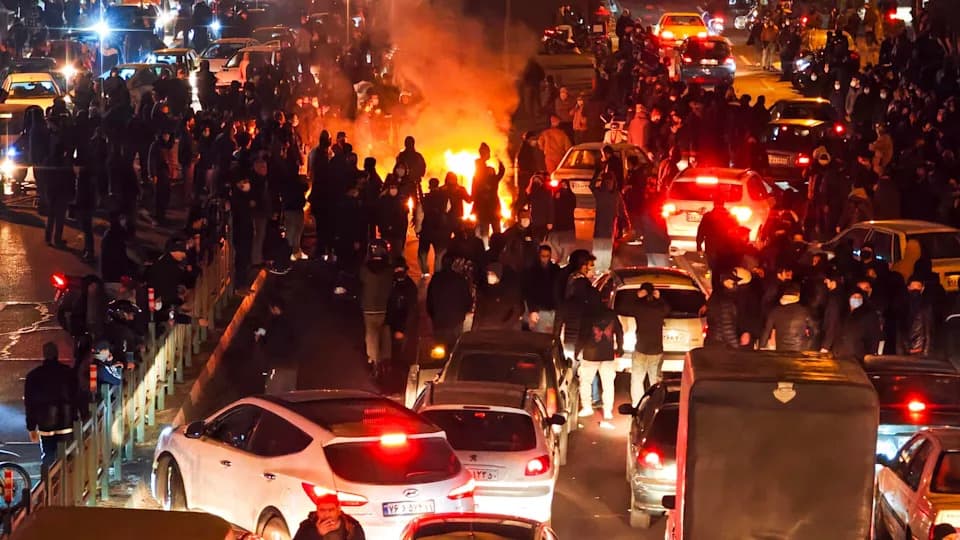
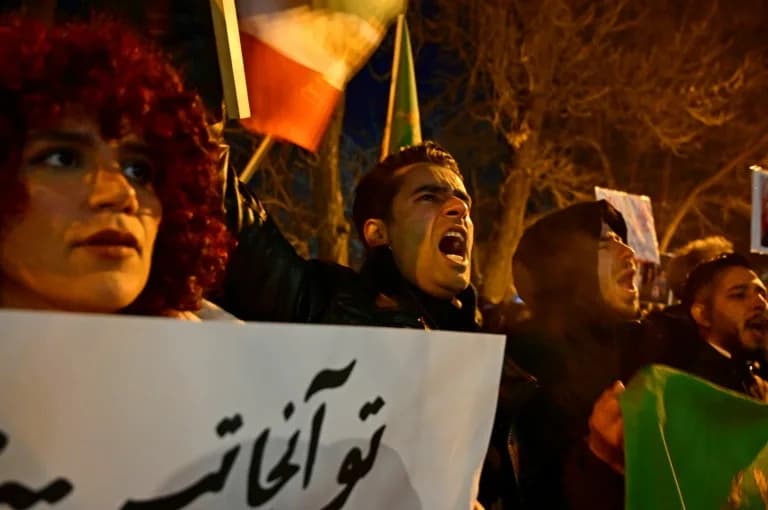
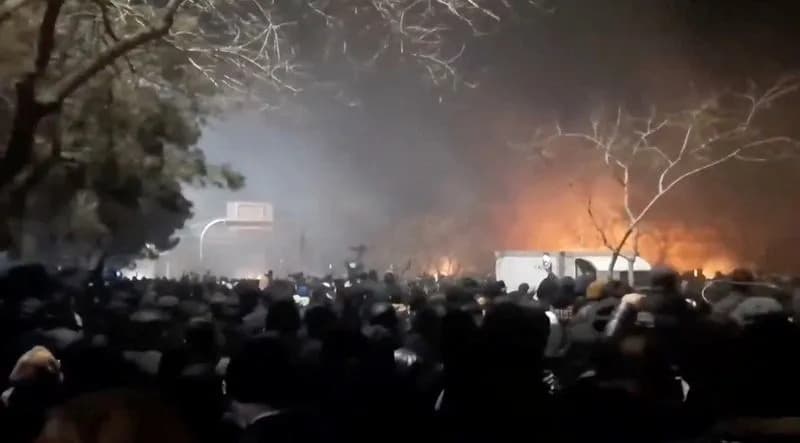
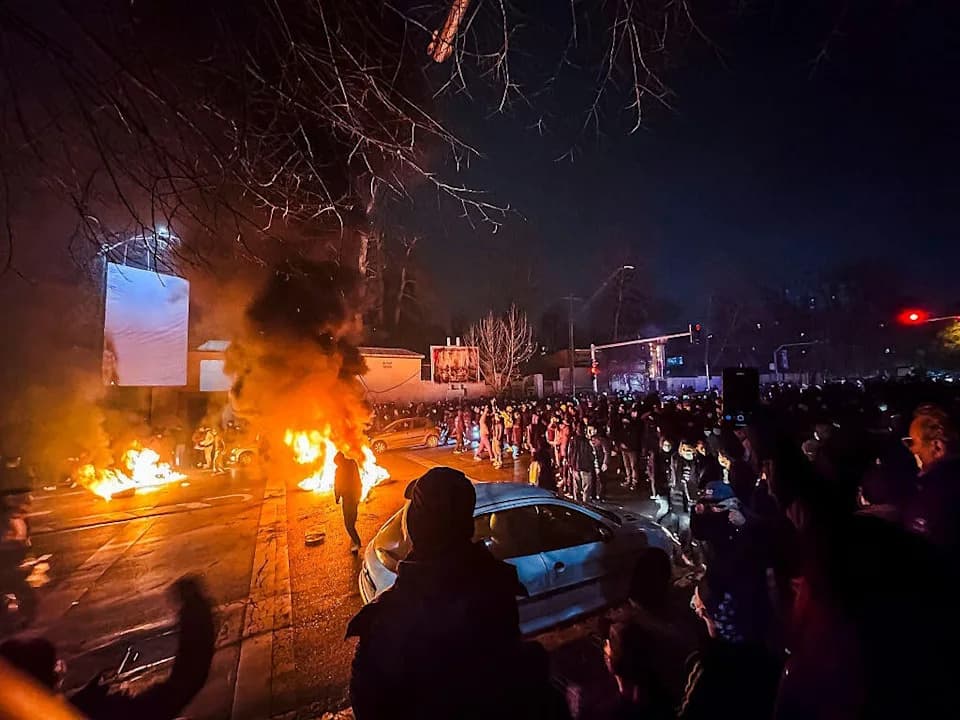
People gather during an anti-government protest, Jan. 8, 2026, in Tehran, Iran, during the height of two weeks of unrest. / Credit: Anonymous/Getty
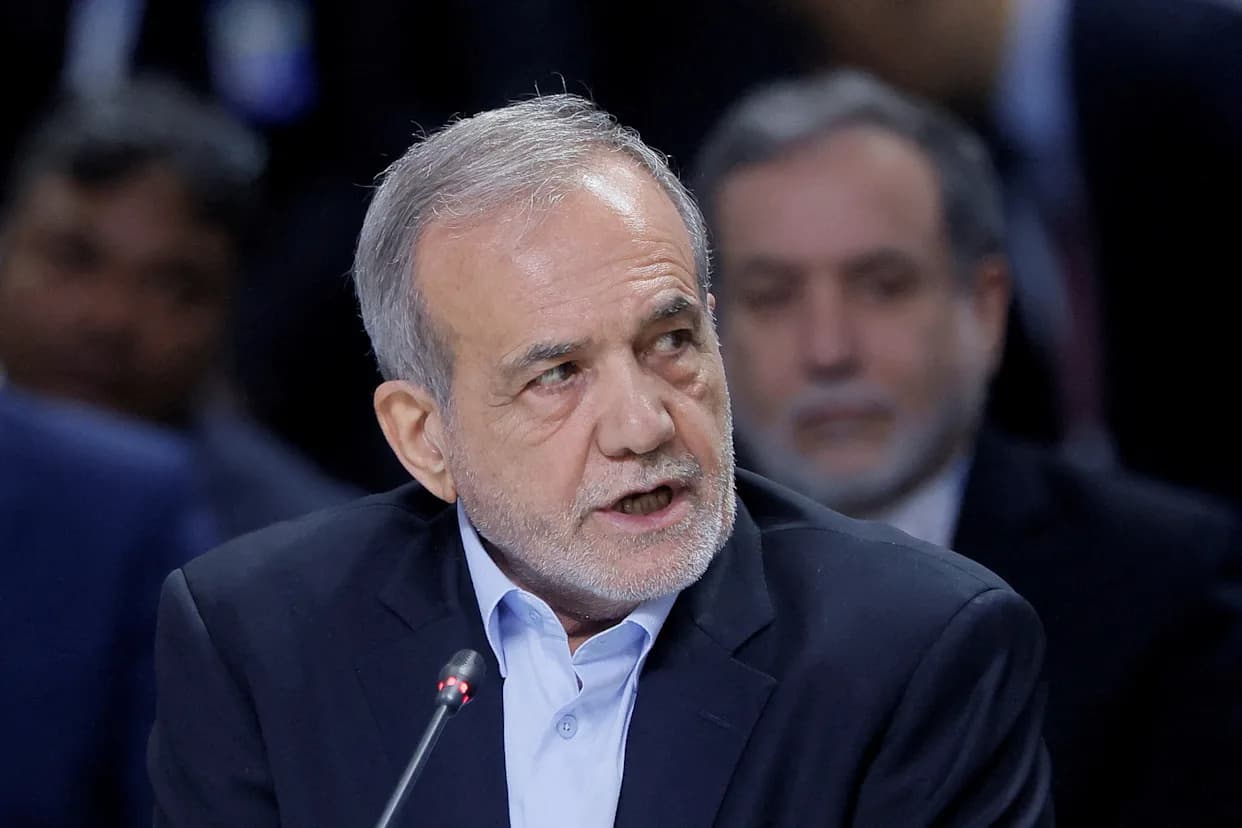
Iran's national police chief announced a limited surrender period for young people he says were 'deceived' into joining weeks-long protests, offering reduced punishment if they turn themselves in within three days.
Maj. Gen. Ahmad-Reza Radan said on state television that 'young people who became unwittingly involved in the riots are considered to be deceived individuals, not enemy soldiers,' and that those who surrender within the three-day window 'will be treated with leniency by the Islamic Republic system.'
Protests, Casualties and Arrests
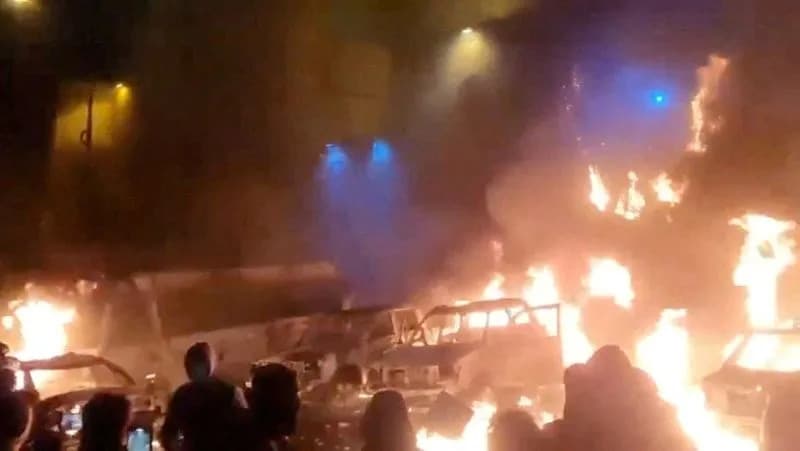
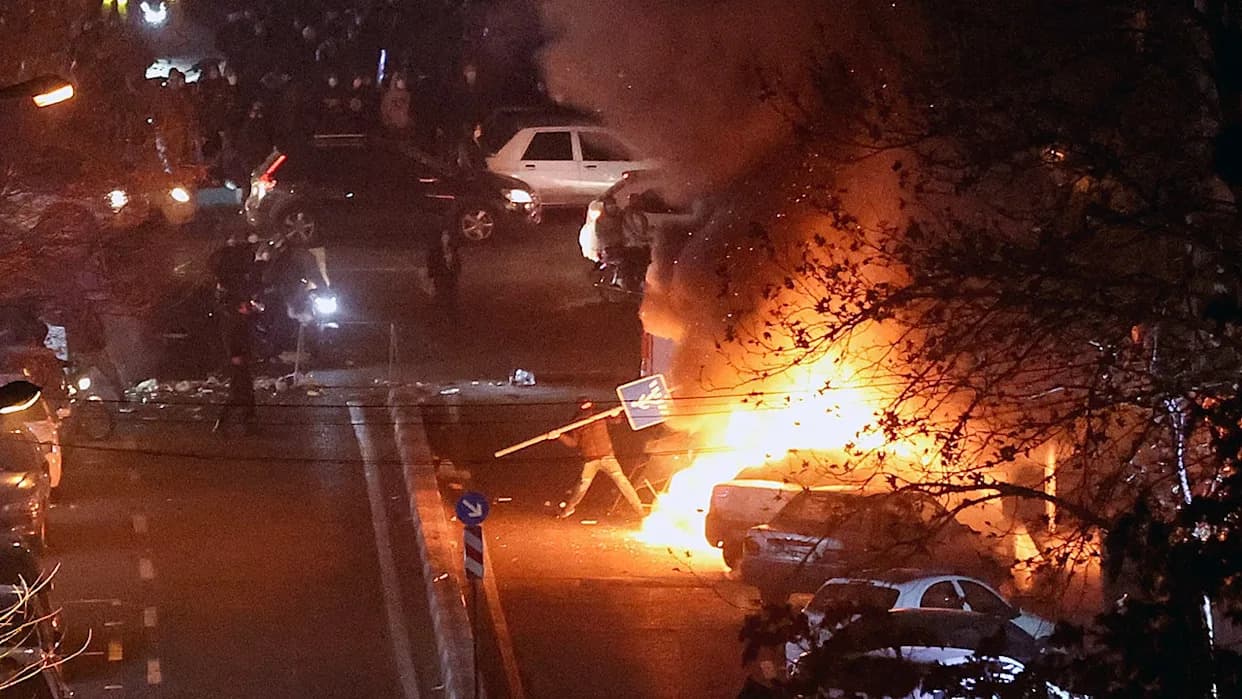
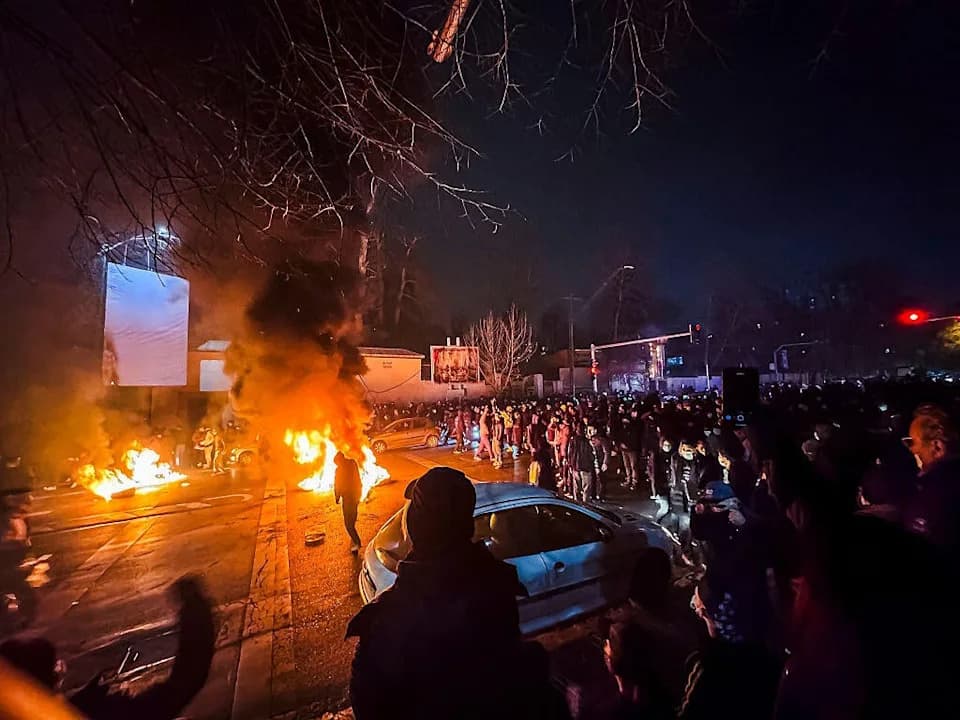
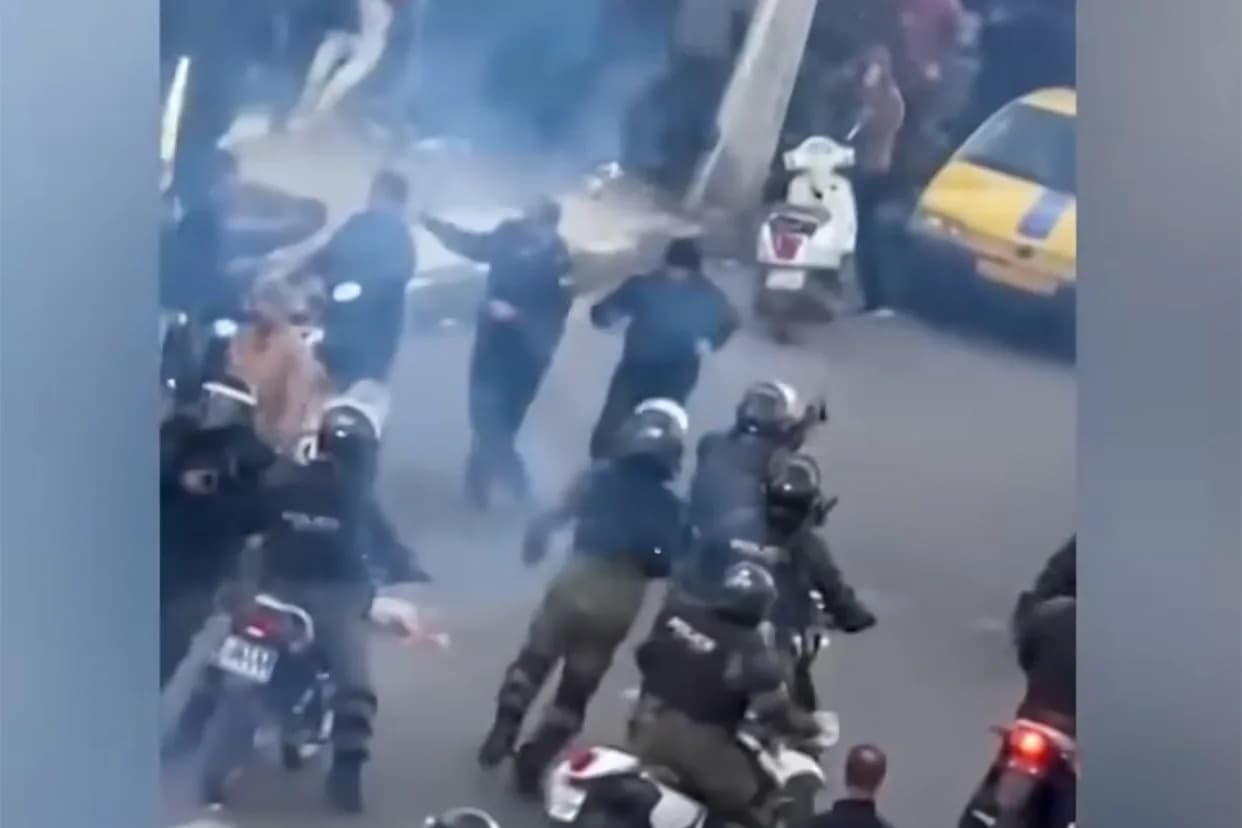
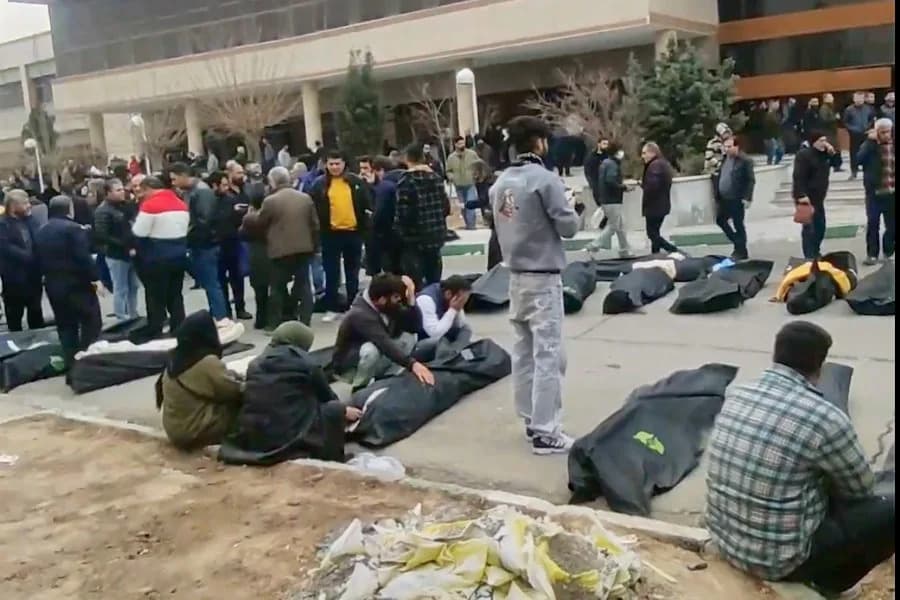
The demonstrations began in late December amid widespread anger over economic hardship and quickly grew into what many observers described as Iran's most significant popular challenge to the country's hardline leadership in years. Sources speaking to CBS News told reporters that the crackdown left an estimated 12,000 to 20,000 people dead. These figures are contested and have not been independently verified.
The semi-official Tasnim news agency, which is linked to the Islamic Revolutionary Guard Corps, late last week reported about 3,000 arrests related to the unrest. Rights groups, however, say the number detained may be far higher — closer to 20,000 — and have called for independent investigations into allegations of excessive use of force and mass detentions.
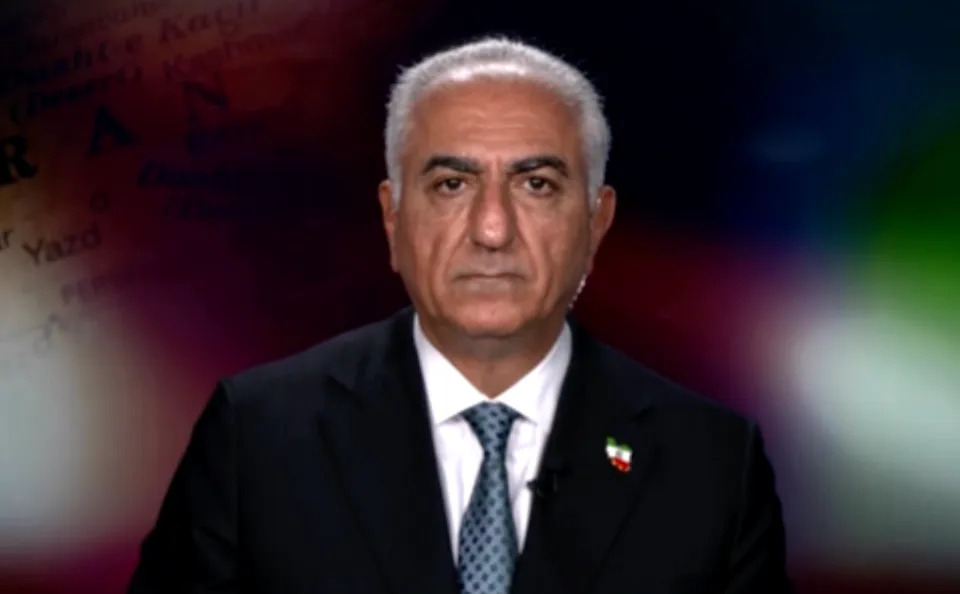
Reza Pahlavi, Iran's exiled crown prince, speaks with CBS News' Norah O'Donnell. / Credit: CBS News
Official Rhetoric and Asset Seizures
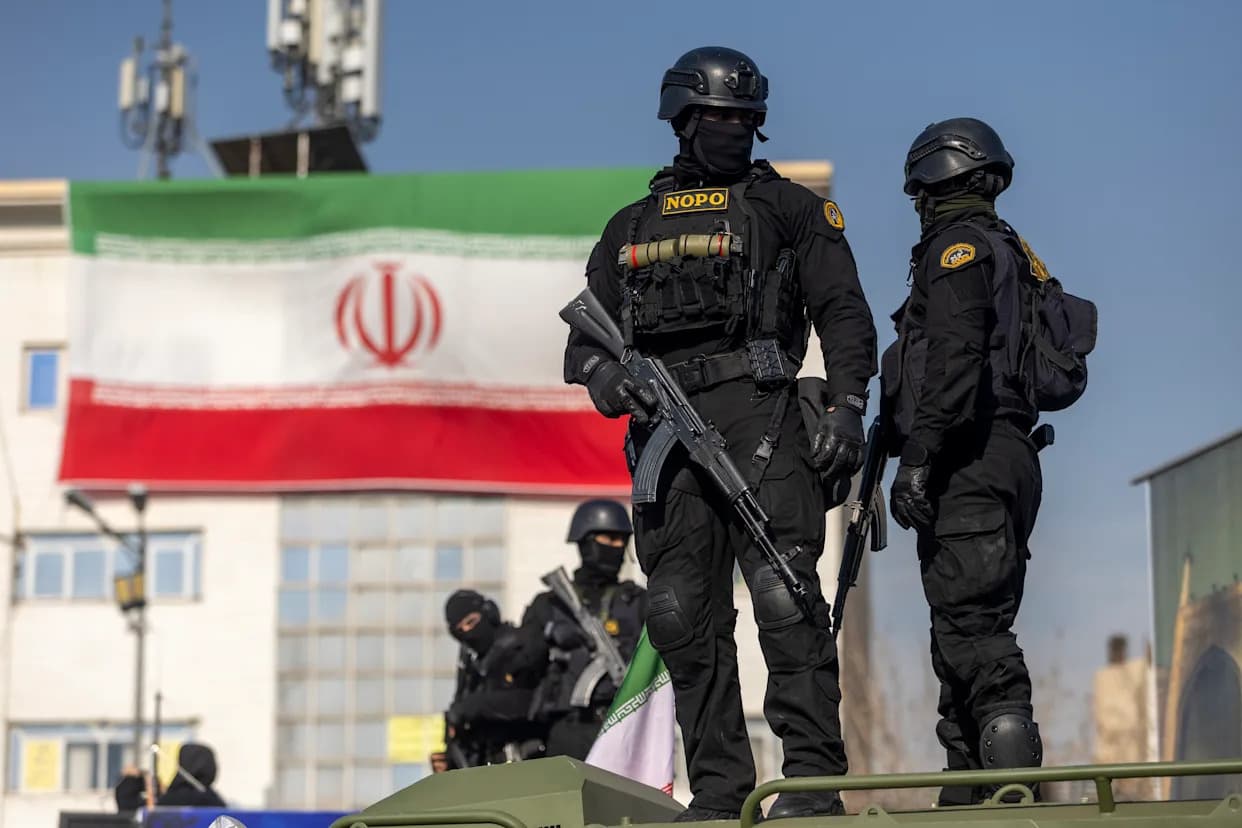
Iranian authorities say the protests began peacefully and later turned into 'riots,' accusing foreign adversaries — notably the United States and Israel — of fomenting unrest, a claim they have not substantiated publicly. Supreme Leader Ayatollah Ali Khamenei urged security forces to 'break the back of the seditionists' and warned that both domestic and foreign 'criminals' would not be spared punishment.
Judicial officials appear to be targeting not only protesters but also those accused of supporting the unrest indirectly. Tasnim quoted Attorney General Mohammad Movahedi Azad as saying that judicial authorities are 'obliged to identify the property of the "terrorists" and report it to the prosecutors.' Tasnim also reported that a prominent businessman who closed his cafes in solidarity with protesters was detained and had his assets seized; officials said asset confiscation would be used to 'teach them a lesson.'
State TV Hack And Exiled Crown Prince
For several minutes on Sunday night, broadcasts on state television were interrupted and replaced with footage of exiled Crown Prince Reza Pahlavi urging security forces not to fire on demonstrators and appealing to them to 'join the nation for the freedom of Iran.' The clips aired on multiple channels operated by the state-controlled IRIB network, which later acknowledged a momentary satellite signal disruption in some areas but did not comment on the content that had been shown.
Pahlavi — who has lived abroad for almost five decades — used the unrest to present himself as an opposition figure ready to lead if the Islamic Republic were to fall. In interviews he has urged foreign leaders to take action to prevent further bloodshed.
What Comes Next
The government's three-day surrender offer, asset seizures and stern rhetoric from senior officials signal a dual approach: offering limited leniency to those deemed misled while maintaining a hard line against what the regime calls sedition. Independent verification of casualty and detention figures remains limited, and rights groups continue to call for transparency and accountability.
Note: Casualty and detention numbers cited in this article are reported by various sources and remain contested. Where possible, attributions have been specified.
Help us improve.