Senate Republicans have largely rallied behind Federal Reserve Chair Jerome Powell after Justice Department subpoenas and White House hints at criminal charges over a roughly $2.5 billion renovation of Fed buildings. Powell denied wrongdoing in a video, calling the moves “pretexts” meant to pressure the Fed on interest-rate policy, and leaned on long-standing relationships in Congress. Several GOP senators warned they may block Trump administration Fed nominees until the legal questions are resolved, creating a rare rift between the president and members of his own party.
Senate Republicans Rally Behind Fed Chair Powell, Creating a Rare GOP Split With Trump
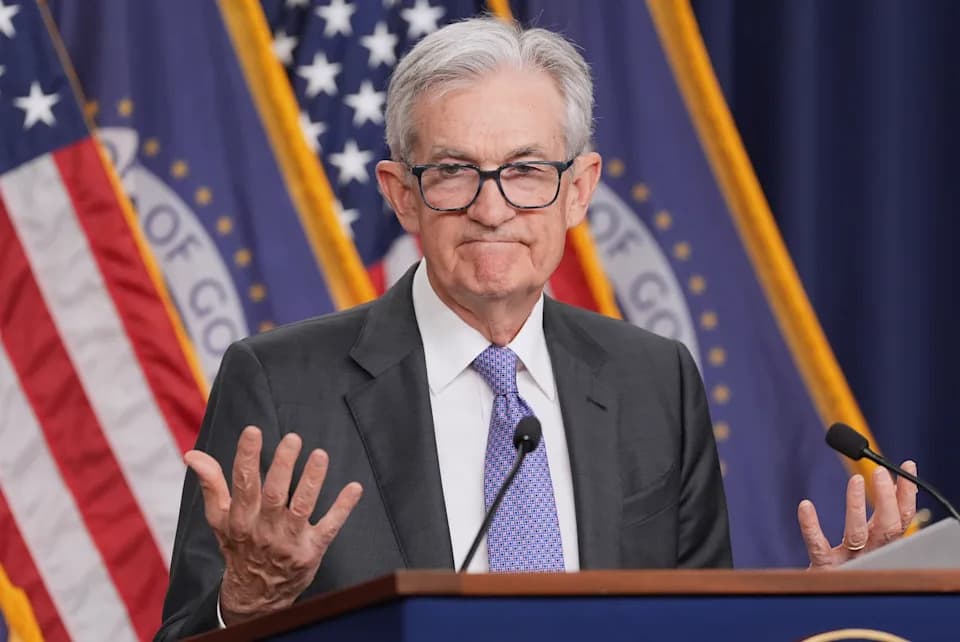
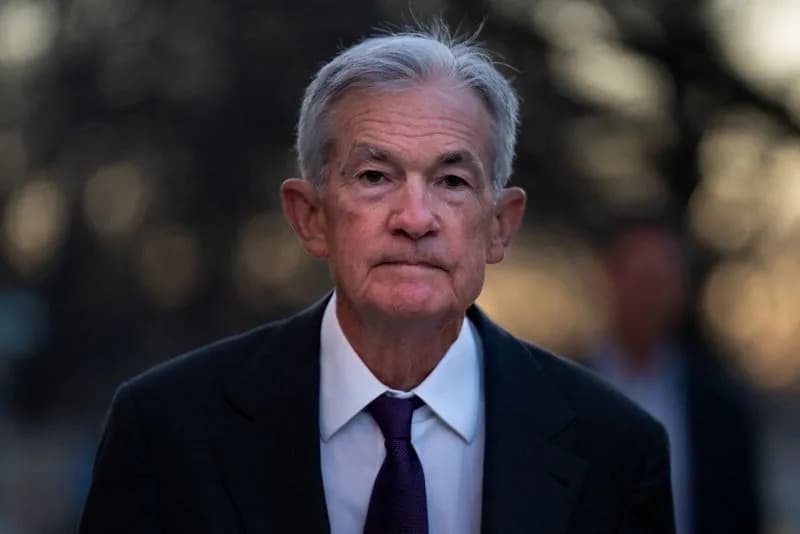
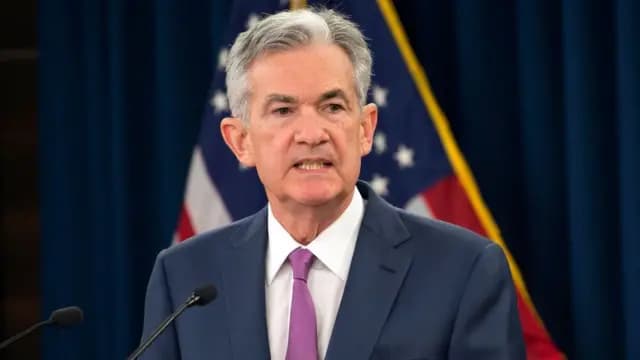
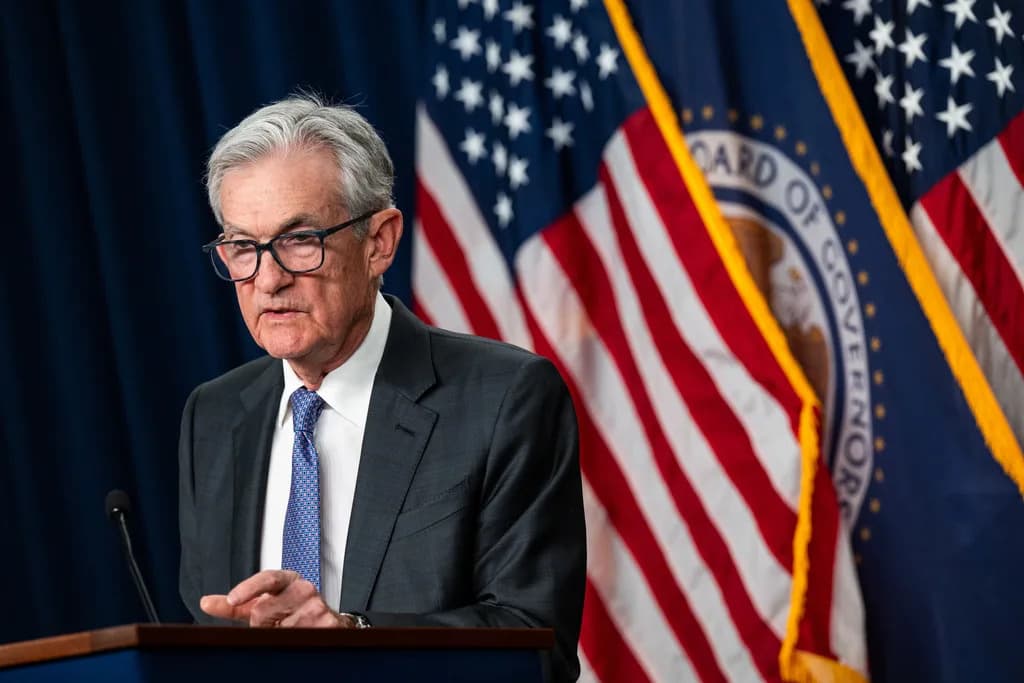
FILE - Federal Reserve Chair Jerome Powell speaks at the Federal Reserve, Dec. 10, 2025, in Washington. (AP Photo/Jacquelyn Martin, File)(ASSOCIATED PRESS)
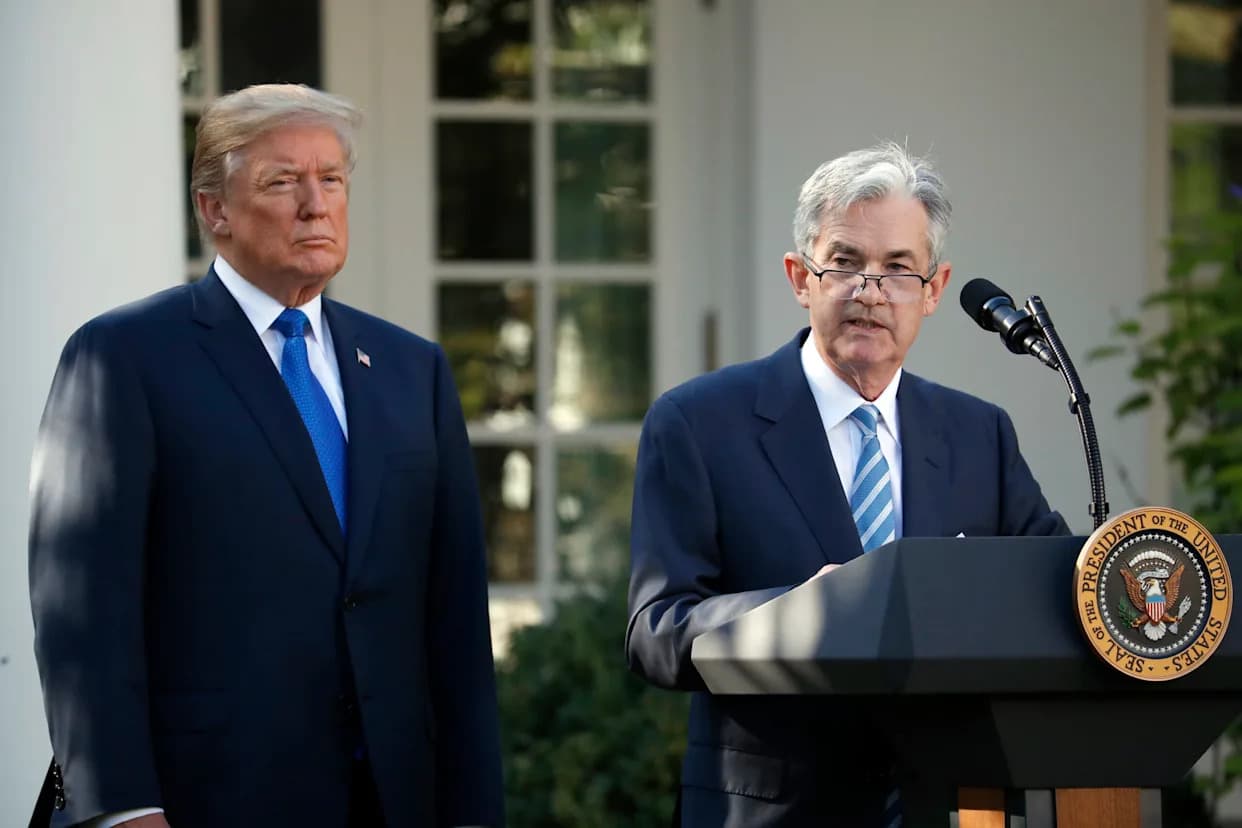
Senate Republicans have largely rallied behind Federal Reserve Chair Jerome Powell after the Justice Department issued subpoenas and the White House signaled the possibility of criminal charges tied to a roughly $2.5 billion renovation of Fed office buildings. Powell, 72, pushed back publicly in a video statement, calling the moves “pretexts” designed to pressure the Fed into cutting interest rates the president prefers. His outreach to Capitol Hill and long-standing relationships in both parties helped blunt the immediate political fallout.
Reactions On The Hill
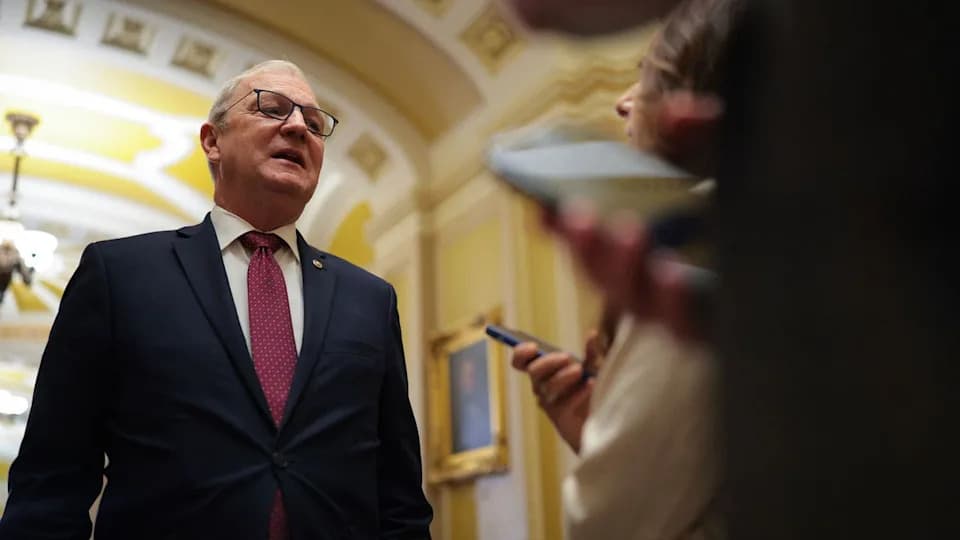
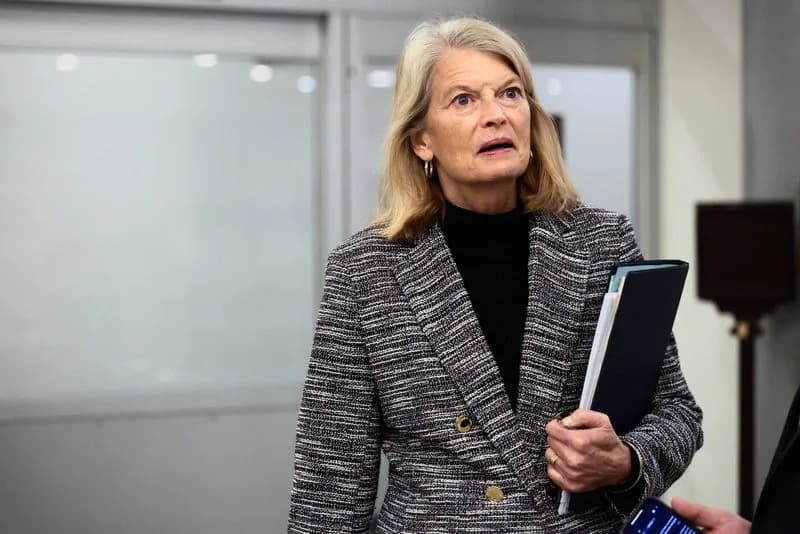
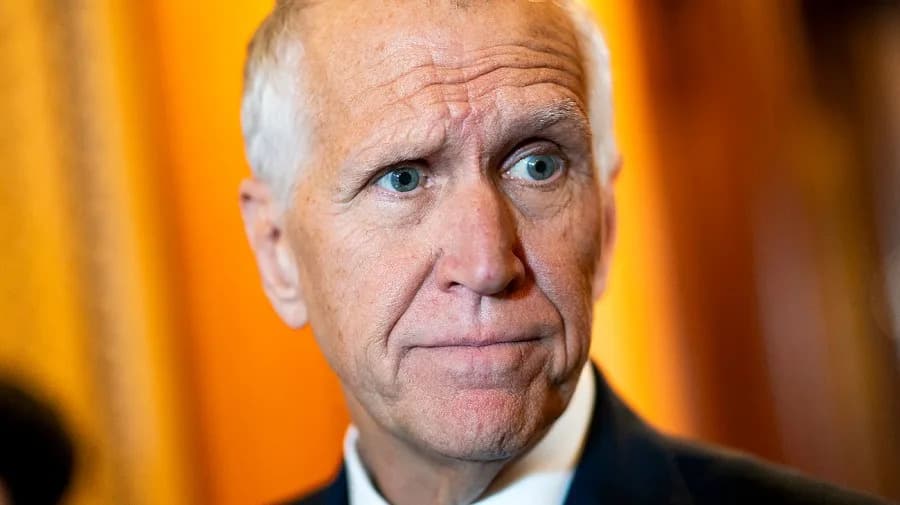
Prominent Senate Republicans — including John Kennedy, Thom Tillis and Lisa Murkowski — publicly defended Powell and emphasized the importance of an independent Federal Reserve. Sen. Kennedy said he would be “stunned” if Powell had done anything wrong. Tillis and Murkowski warned they could withhold support for future Trump administration nominees to the Fed until the legal questions surrounding the chair are resolved.
Other Republicans, such as Sen. Dave McCormick, reiterated support for Fed independence even while criticizing some of Powell's policy judgments. Senate Majority Leader John Thune said the investigation “better be real” and “better be serious,” reflecting skepticism about the administration's approach from within the president's own party.
Details Of The Allegations
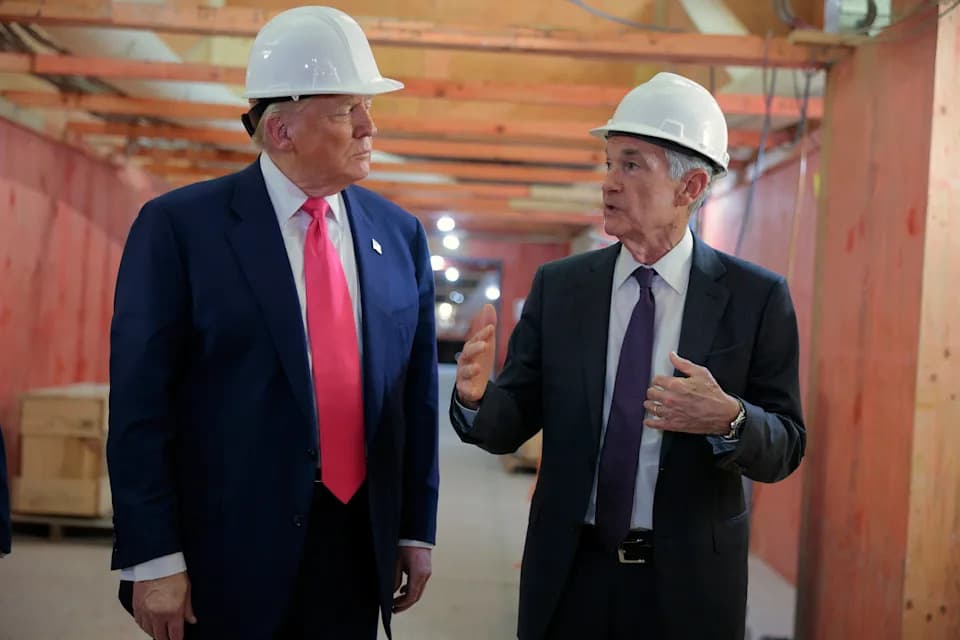
The subpoenas concern Powell's public comments about the estimated $2.5 billion renovation of two Fed office buildings — a project the president has condemned as excessive. The Justice Department's requests followed Powell's video in which he argued that threats of criminal charges could be an effort to coerce the Fed into setting interest rates to suit political preferences rather than the public interest.
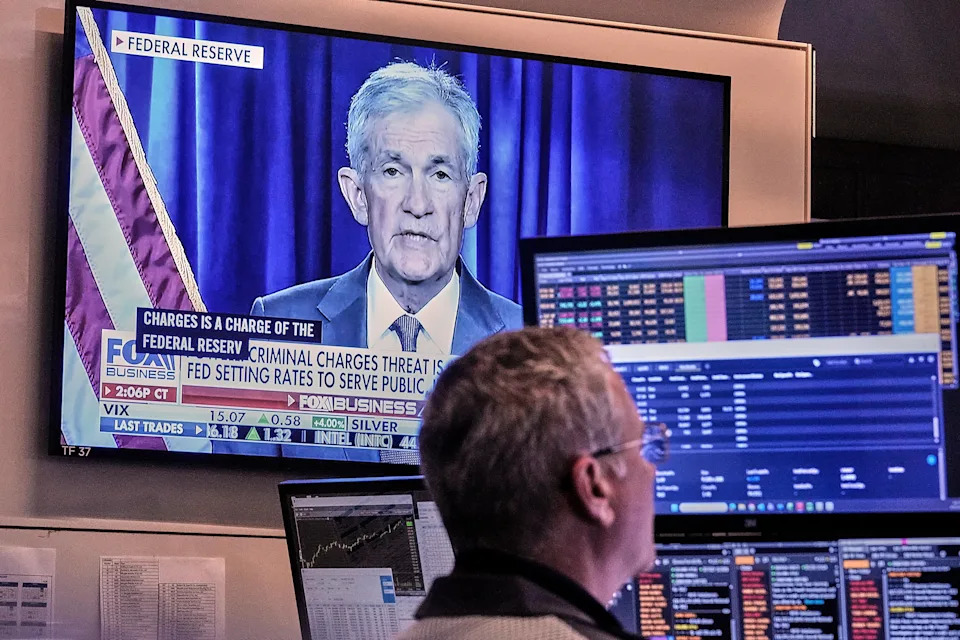
A video of Federal Reserve Chair Jerome Powell plays on a screen on the floor of the New York Stock Exchange, Monday, Jan. 12, 2026. (AP Photo/Richard Drew)(ASSOCIATED PRESS)
Powell's Capitol Strategy And Background
Powell has cultivated Congressional relationships for years. After his 2018 appointment as Fed chair, he maintained frequent contact with lawmakers across the aisle — reportedly meeting with or calling dozens of senators in the weeks after the most recent presidential inauguration. A former centrist policy adviser and a one-time Treasury colleague of some lawmakers, Powell has been appointed to the Fed by presidents from both parties and reappointed in 2022.
Broader Political Context
The dispute over Powell follows a pattern of the administration targeting officials perceived as antagonistic. Attempts to remove or discredit other officials, such as the effort to fire Fed Governor Lisa Cook, have produced legal pushback: the Supreme Court allowed Cook to remain in her role and agreed to hear related legal arguments. Scholars and legal experts say aggressive moves against the Fed chair risk provoking a backlash that undermines the administration’s objectives.
“So far it looks like this has been a misstep for the administration,” said Lev Menand, a Columbia law professor who has written about the Fed, noting the bipartisan resistance Powell's targeting has generated.
Why This Matters
The episode touches on core principles of U.S. governance: the political independence of the Federal Reserve, the separation between policymaking and political pressure, and the limits of executive influence over regulatory and monetary institutions. How lawmakers respond could shape future norms around presidential pressure on independent agencies.
What Comes Next
Possible outcomes include congressional moves to block nominees to the Fed, continued investigations by the Justice Department, and court challenges. The dispute also raises the prospect of sustained intra-party tensions for Republicans who must balance loyalty to the president with the institutional importance of an independent central bank.
Help us improve.