Lisa Cook defended the Federal Reserve's independence after nearly two hours of Supreme Court arguments over an unprecedented bid to remove her. Justices expressed skepticism about immediate removal, citing procedural gaps, the risk of harmful precedent and potential market fallout. Economists warned of serious economic consequences if the Fed's independence were weakened. The case could have lasting implications for the governance of independent agencies.
Supreme Court Signals Doubt Over Bid To Oust Fed Governor Lisa Cook; Cook Reaffirms Independence
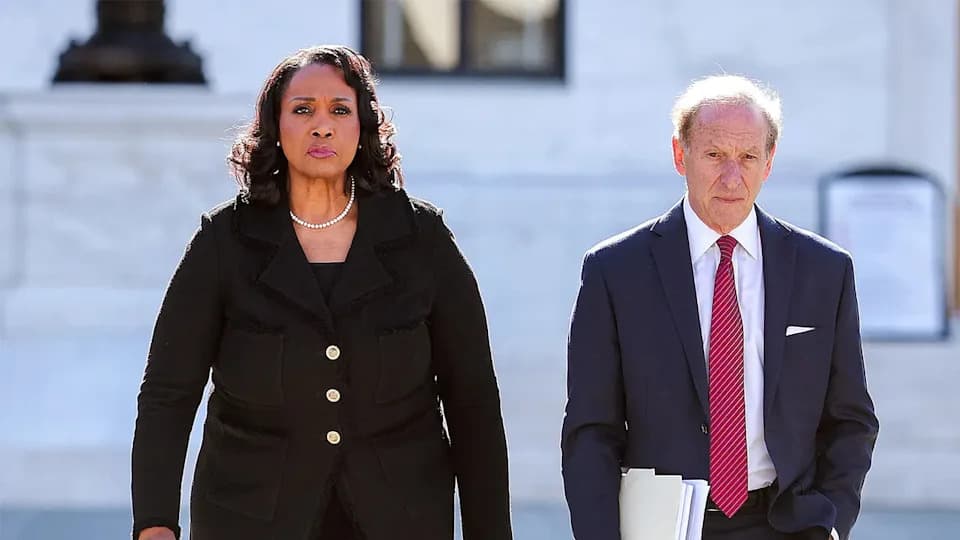
Federal Reserve Governor Lisa Cook and attorney Abbe Lowell leave the U.S. Supreme Court Wednesday in Washington, D.C.(Getty Images)
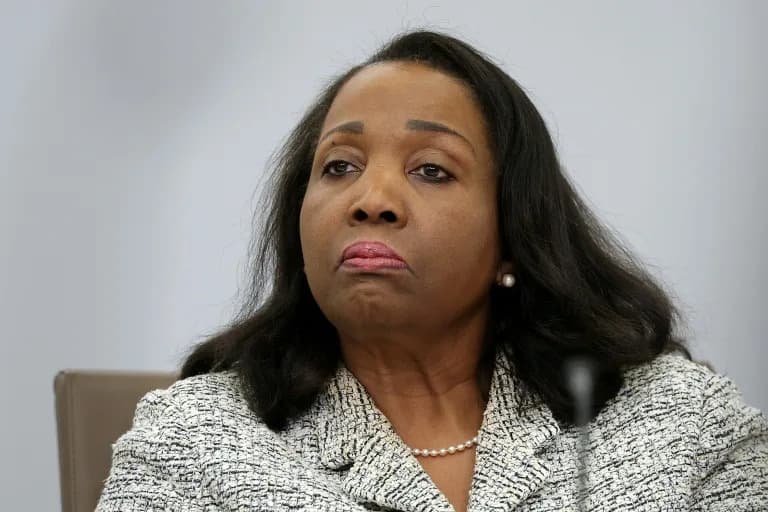
Federal Reserve Governor Lisa Cook on Wednesday forcefully defended the legitimacy of her role and the Fed's institutional independence after nearly two hours of Supreme Court oral arguments over an unprecedented effort to remove her. The hearing centered on whether a president may remove a sitting Fed governor "for cause" and whether Cook may remain in office while the case is decided on its merits.
"Research and experience show that Federal Reserve independence is essential to fulfilling the congressional mandate of price stability and maximum employment," Cook said in a post-argument statement. She added that Congress deliberately designed the Federal Reserve to be shielded from political threats while still holding it accountable for fulfilling that mandate.
"For as long as I serve at the Federal Reserve, I will uphold the principle of political independence in service to the American people," she said.
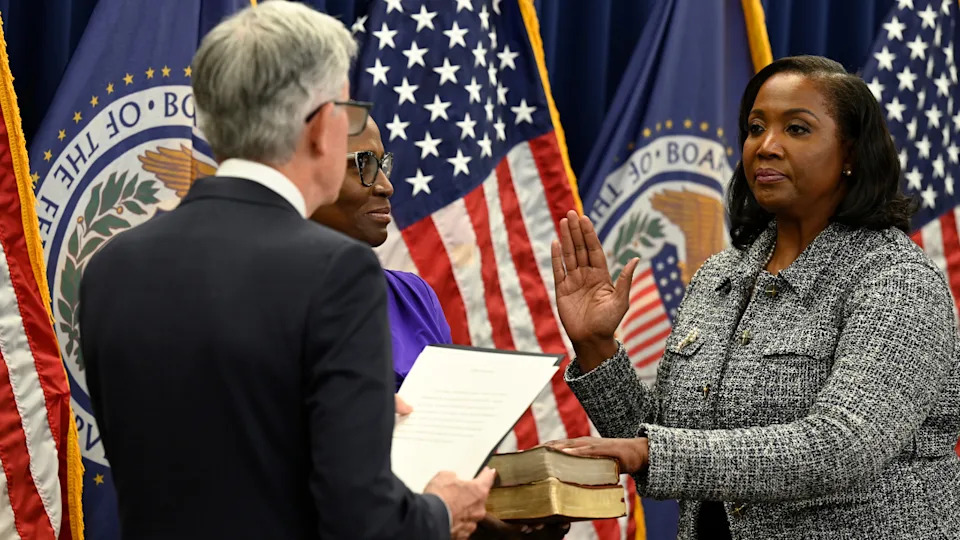
Chairman Jerome Powell swears in Lisa D. Cook as a member of the Board of Governors of the Federal Reserve System in May 2022.
As arguments concluded, several justices signaled reluctance to grant the administration's immediate request to remove Cook. They raised concerns about the absence of clear procedures, the precedent that would be set by allowing at-will removals, and potential damage to public and market confidence.
Justice Amy Coney Barrett noted amicus briefs from economists warning that an abrupt removal could undermine economic stability, asking how courts should weigh the public interest in a case with such potential ripple effects.
Justice Brett Kavanaugh stressed the importance of preserving the Fed's institutional independence: "It’s less important that the president have full faith in every single governor, and it’s more important that the markets and the public have faith in the independence of the Fed from the president and from Congress."
Created by Congress in 1913, the Federal Reserve System was designed as an independent institution to insulate monetary policymaking from short-term political pressure and the risk of presidents "stacking the deck" with partisan appointees.
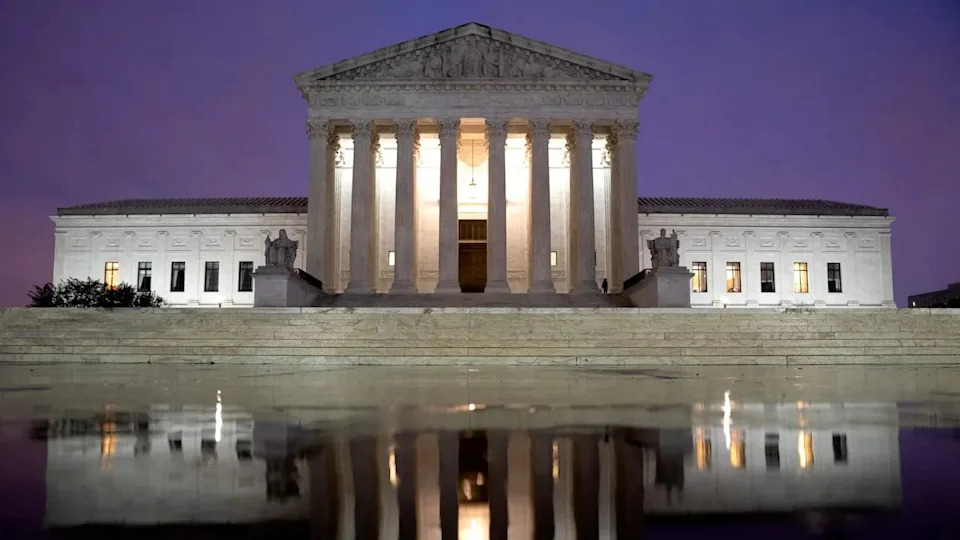
The U.S. Supreme Court is reflected in Washington, D.C.
Observers noted the case's potential market implications. Several justices and lawyers said financial markets would be watching closely. The next Federal Open Market Committee meeting is scheduled for later this month; barring a last-minute court intervention, Cook is expected to participate.
The dispute over Cook's tenure is part of broader tensions between former President Donald Trump and Fed leadership. Trump has been a frequent critic of Chair Jerome Powell and other Fed officials over interest-rate policy. Powell attended Wednesday's arguments to show support for Cook. Separately, the Federal Reserve recently received a Justice Department subpoena related to allegations about testimony concerning the cost of a major headquarters renovation; that matter remains under investigation.
What Comes Next
The Supreme Court must decide whether Cook can stay in office while the underlying legal questions are resolved and whether presidents have broader removal powers over independent agency officials. The court's ruling could reshape legal protections for independent economic institutions and influence market perceptions of central-bank independence for years to come.
Help us improve.