Press-freedom groups and New York news outlets have asked the Department of Homeland Security to open talks after a marked rise in confrontations between journalists and law enforcement during immigration enforcement actions. Advocates say DHS lacks formal media guidelines and should adopt an "arrest avoidance" policy and clearer training so credentialed reporters can continue newsgathering without being subject to unnecessary dispersals. The Freedom of the Press Foundation recorded 172 alleged assaults last year, and several reporters have filed suit after being struck while covering protests. With thousands of new ICE officers reportedly being hired, groups say urgent steps are needed to reduce future clashes.
Press Groups Urge DHS To Curb Violence Against Journalists As ICE Operations Expand
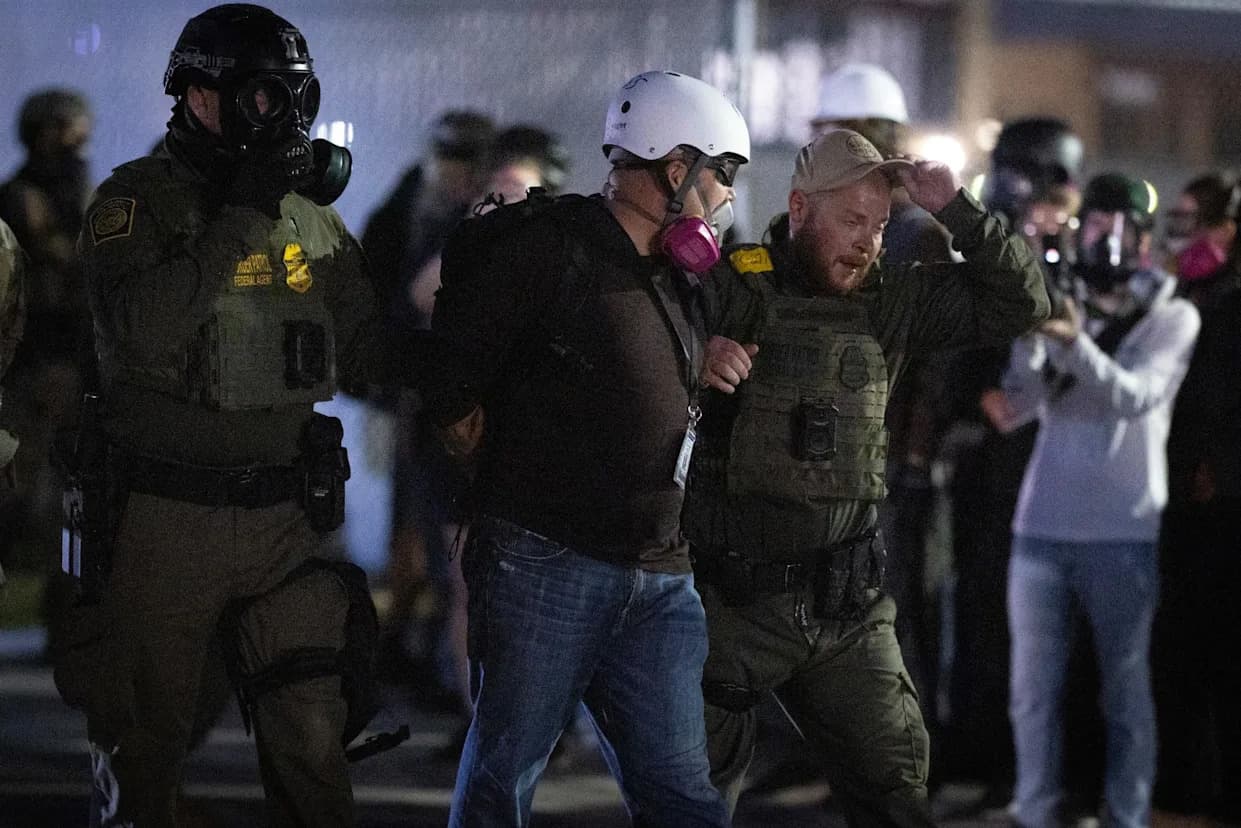
A journalist is arrested by federal agents at a protest in Broadview, Illinois.Photograph: Scott Olson/Getty Images
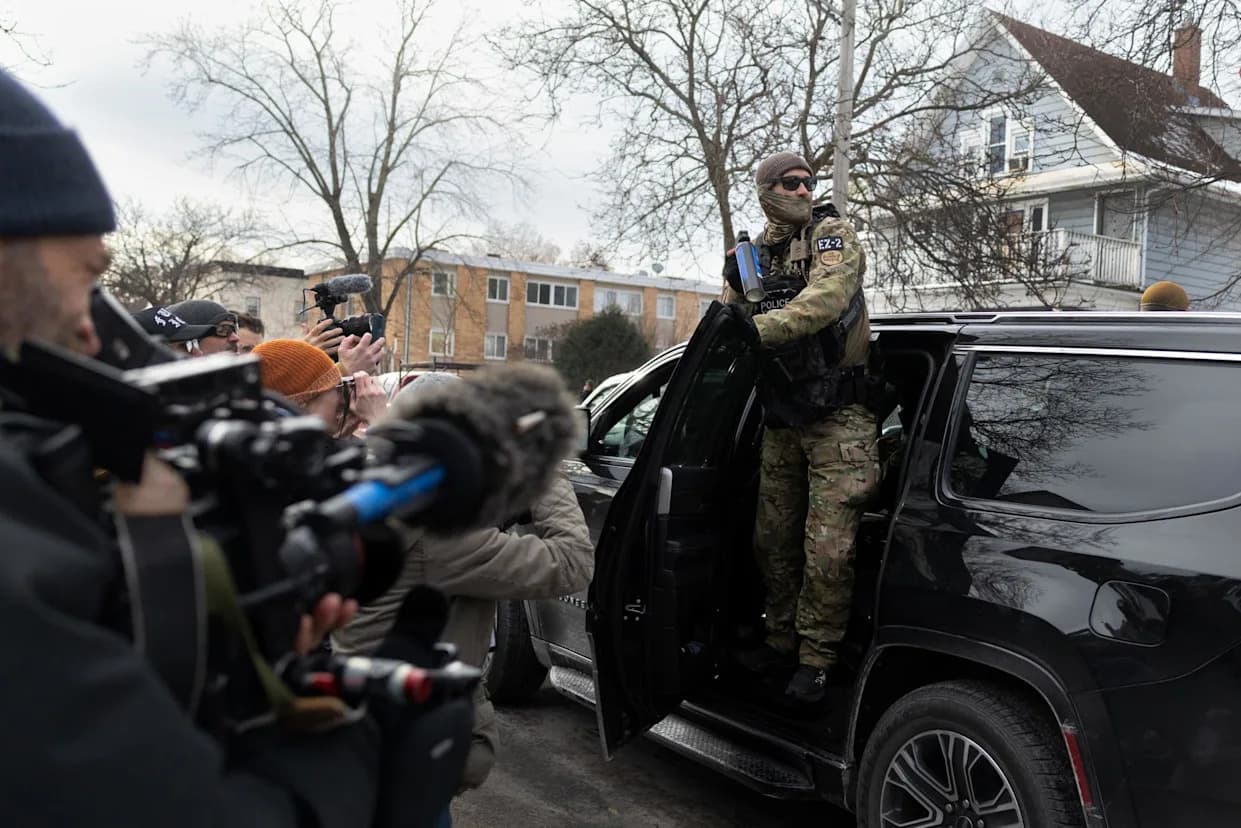
News organizations and press-freedom groups are pressing the Department of Homeland Security to open a dialogue after a year that saw a sharp rise in confrontations between journalists and law enforcement during immigration enforcement actions.
Over the past four months, the Reporters Committee for Freedom of the Press and several New York news outlets have sent letters to DHS seeking formal engagement to reduce clashes between officers and reporters at demonstrations — particularly during enforcement operations that target alleged undocumented immigrants.
Why Advocates Are Alarmed
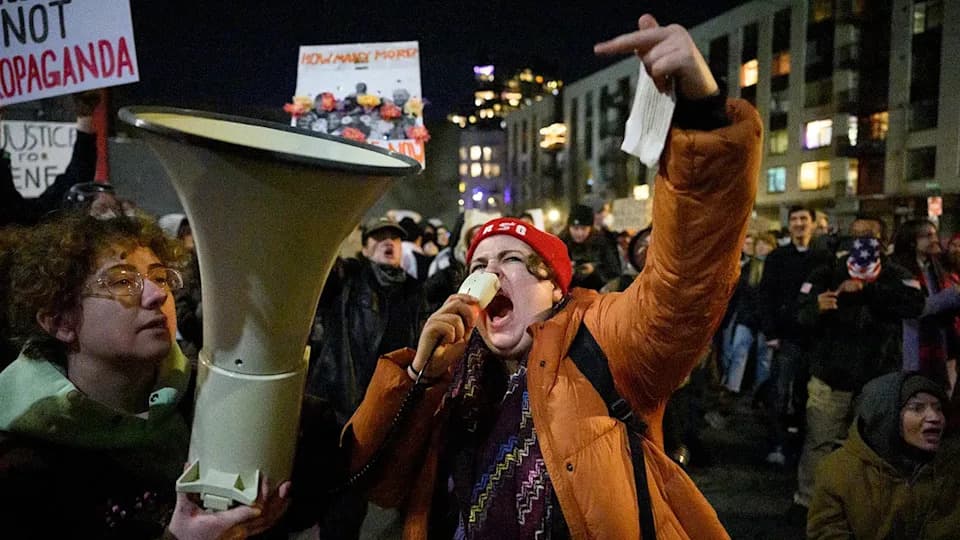
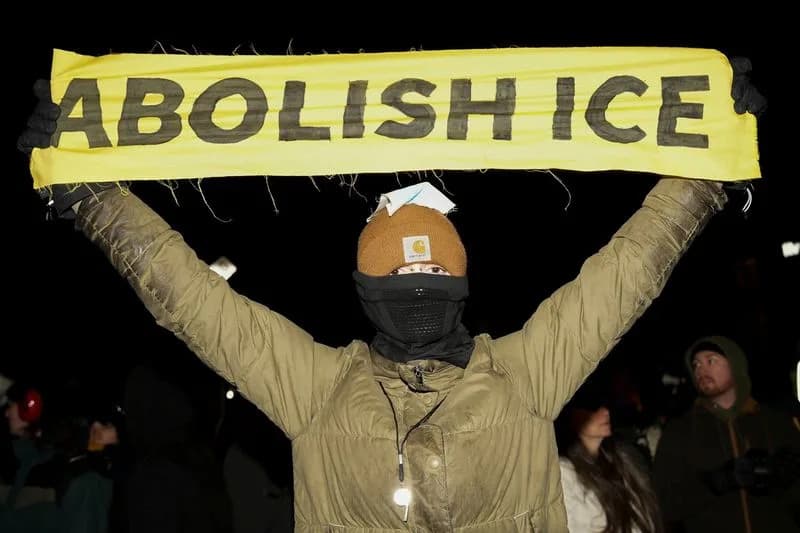
The Trump administration has said it has hired thousands of new Immigration and Customs Enforcement (ICE) officers and plans to intensify deportation operations this year. Advocates say that expansion, combined with recent high-profile incidents — including an allegation that an ICE officer in Minnesota killed a woman — will likely drive more protests and increase the risk of journalists being caught up in violence.
Carroll Bogert, CEO of The City, a New York news outlet that sent a December letter to DHS officials, said it is uncertain whether ICE will escalate enforcement in New York, “because that depends on a lot of political factors.” But she added that past ICE conduct in other cities suggests the absence of clear communication channels between newsrooms and federal agents increases risk for everyone at demonstrations.
Data And Training Gaps
The Freedom of the Press Foundation, which tracks arrests and assaults against journalists, recorded 172 alleged assaults against reporters last year, most attributed to law enforcement during demonstrations over immigration policy. The foundation says it reports only incidents verified by first-person accounts or corroborated by multiple news outlets; it also reports 175 alleged assaults for the 2022–2024 period in its datasets.
Gabe Rottman, vice president of policy at the Reporters Committee, said some confrontations stem from inadequate DHS training on how officers should interact with journalists — including how to enforce dispersal orders without unduly preventing newsgathering.
“It’s crucial that officers be trained to permit journalists to remain on the scene even when they are issuing a dispersal order,” Rottman said. “If journalists are not obstructing police operations, then as a First Amendment matter they may have a right to remain.”
Rottman also noted that, unlike the Department of Justice, DHS lacks formal media-interaction guidelines. In 2024 the Justice Department worked with the Reporters Committee to publish recommendations for police-media interactions at mass demonstrations: require visible credentials, allow reporters to position themselves in safe locations, and clear areas only when needed for public safety.
Incidents And Legal Action
Southern California News Group reporter Ryanne Mena says she was struck by a pepper-ball projectile allegedly fired by a DHS agent while covering a Los Angeles protest. The following day, she says she was hit in the head by an apparent rubber bullet that caused a concussion. On both occasions, Mena wore press credentials.
Mena and other journalists filed suit seeking to bar DHS officers from using “unnecessary and excessive violence” against reporters. In September, a federal judge issued a temporary injunction finding that DHS officers cannot lawfully disperse anyone “they know or reasonably should know is a journalist” without probable cause to believe the person has committed a crime unrelated to failing to obey a dispersal order. The judge added that, in some cases, federal agents have endangered peaceful protesters, legal observers and journalists under the guise of public safety.
DHS appealed, arguing that a rule protecting journalists from dispersal could expose officers to people who might fraudulently claim press credentials and then cause harm or damage federal property.
Requests To DHS And Agency Response
In October, the Reporters Committee asked the DHS secretary for a meeting and urged adoption of an “arrest avoidance” policy like the Justice Department’s guidance. The committee argued that making supervisory officials available in the field to review detentions when someone presents evidence they are a journalist can reduce unnecessary conflict.
Last month, The City and seven other news organizations sent a separate letter asking about DHS training protocols for interactions with the press during enforcement activities. According to the senders, DHS did not respond to either letter.
When asked about the outreach, an assistant DHS official emphasized the dangers ICE officers face and cited agency claims of a steep rise in assaults on officers. Independent reporting by The Los Angeles Times and National Public Radio, however, found the actual increase was closer to roughly 25 percent, not the larger figure cited by the agency spokesperson.
“We remind members of the media to exercise caution as they cover these violent riots and remind journalists that covering unlawful activities in the field does come with risks — though our officers take every reasonable precaution to mitigate those dangers to those exercising protected First Amendment rights,” the assistant secretary wrote.
What Comes Next
With reports that thousands of new ICE agents are being hired and enforcement planned to ramp up, immigration reporters are bracing for a busy year. Advocates say creating formal lines of communication and issuing clear training and policy guidance for interactions with the press are urgent steps to reduce clashes and protect journalists’ First Amendment rights.
“I don’t want to sound naive, but it’s important that we’ve made the effort,” Bogert said. “If disputes arise over ICE treatment of journalists, it will behoove us to have tried.”
Help us improve.