
Venezuela faces deep uncertainty after the sudden capture and removal of President Nicolás Maduro. Streets in Caracas and other cities are unusually quiet as residents stock up on essentials amid fears of unrest and looting, while government-backed colectivos have not been widely visible. Acting president Delcy Rodríguez is constitutionally required to call elections within 60 days, but the Venezuelan military’s stance and recent U.S. comments about governing until a transition have left many citizens unsettled.
Venezuela Enters Uncertain Era After Sudden Ouster of President Nicolás Maduro

Jesus Linares, 48, stands next to a local resident as he looks at his damaged apartment building, after the US launched a strike on Venezuela over the weekend. - Gaby Oraa/Reuters
Venezuela has entered a new and deeply uncertain chapter after the abrupt capture and removal of President Nicolás Maduro, who led the country for 12 years. Across Caracas and other cities, streets are unusually quiet as residents stay indoors and stock up on essentials amid fear of unrest.
Security forces appear tense, and there has been little visible activity from the government-backed paramilitary groups known as colectivos. Videos obtained by CNN showed largely empty avenues alongside long lines outside supermarkets and pharmacies as people top up basic supplies rather than engage in panic buying.
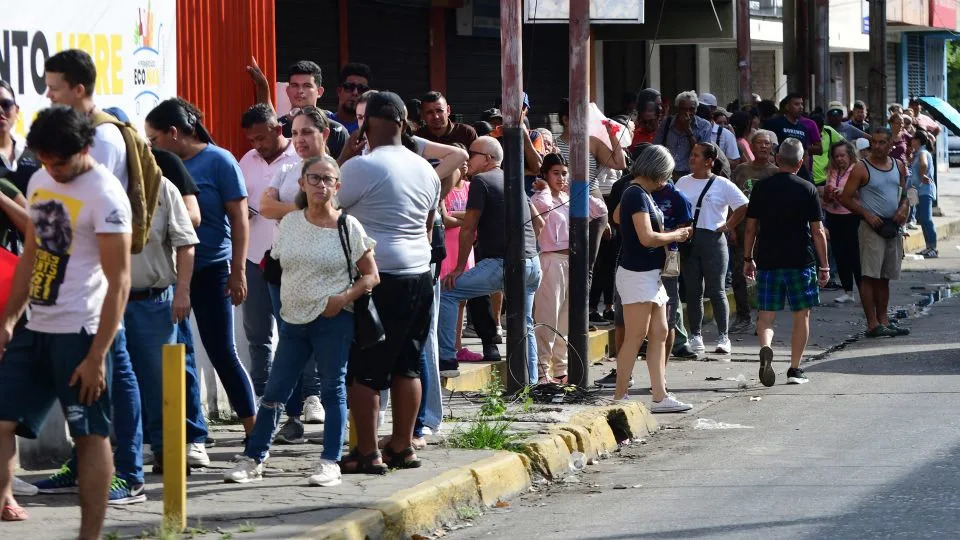
People queue at a store to get groceries in Caracas on January 3, 2026, after US forces captured Venezuelan leader Nicolas Maduro. - Jacinto Oliveros/AFP/Getty Images
“You can’t hear anything on the streets except the birds singing,” journalist Mary Mena reported on Sunday.
Opposition supporters are reportedly celebrating in private, but public demonstrations in support of the U.S. action have not materialized. Observers say many activists will likely stay low-key unless leading opposition figures demonstrate clear backing from Venezuelan officials or military commanders.
Reporting from other cities paints a similar picture of uncertainty. Reuters described long queues for groceries in Maracaibo — the country’s oil hub — where residents have closed businesses and limited movement amid fears of looting. In Maracay, residents described the city as feeling abandoned.
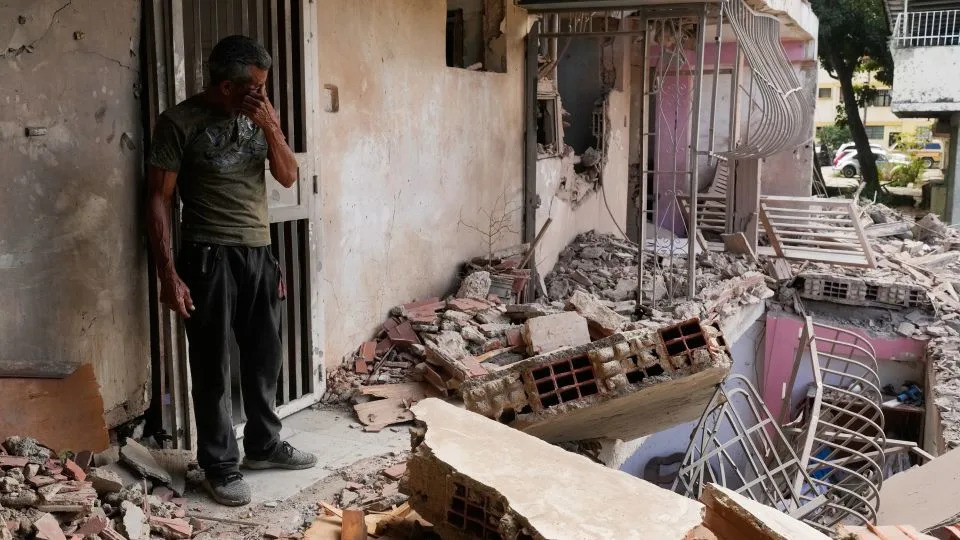
Wilman Gonzalez stands at his home, which he says was hit during US military operations to capture Venezuelan President Nicolas Maduro, in Catia La Mar, Venezuela. - Matias Delacroix/AP
Citizens expressed mixed emotions. Some are relieved at the change in leadership; others are uncomfortable at the prospect of decisions about Venezuela being influenced from abroad. As she shopped in Caracas, Jenny Salazar told CNN, “I don’t agree with another president, outside of Venezuela, taking control of us Venezuelans.”
At a news conference, U.S. President Donald Trump said his administration would govern Venezuela “until there can be a transition,” a comment that surprised many Venezuelans and deepened debate about the country’s immediate future.
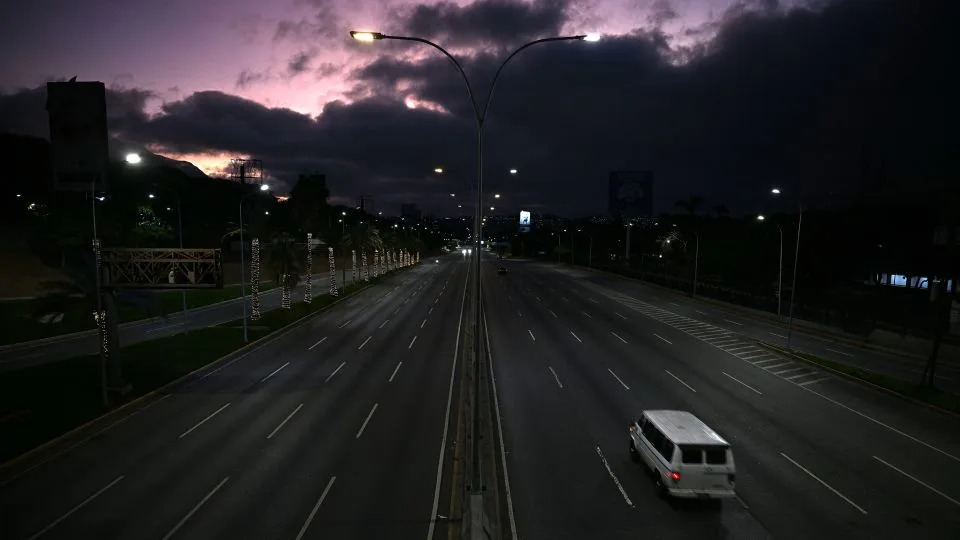
View of an empty street in Caracas, on January 4, 2026, a day after Venezuela's president Nicolas Maduro was captured in a US strike. - Federico Parra/AFP/Getty Images
What Comes Next
Under the Venezuelan constitution, acting president Delcy Rodríguez is required to call new elections within 60 days. Rodríguez has been nominated by the Supreme Court to serve as acting head of state, and state media have featured defiant messages from regime supporters emphasizing continuity and sovereignty.
Observers emphasize that the stance of the Venezuelan Armed Forces will be decisive in shaping events. A doctor in Caracas who declined to be named told reporters that the forces’ position is “fundamental” and that people are waiting to see how they will define themselves.
Authorities say the main international airport remains open and the National Assembly is scheduled to be sworn in on Monday as planned. For now, many Venezuelans remain uncertain and anxious as political leaders, the military and international actors respond to the sudden change.
Reporting contributed by CNN correspondents Anabella González, Mary Mena and Alessandra Freitas; additional reporting by Reuters.
Help us improve.


