The Supreme Court heard arguments over a Hawaii law that bars carrying firearms into businesses without owner consent, and the debate repeatedly focused on race and the role of 19th-century Black codes in shaping modern Second Amendment limits. Advocates for the law cited an 1865 Louisiana consent statute, while opponents argued laws rooted in racism should not guide constitutional analysis. Justices debated how to apply the Court’s 2022 Bruen test, and several conservative justices appeared likely to strike down Hawaii’s statute; a decision in Wolford v. Lopez is expected by late June.
Race, History And The Second Amendment: Supreme Court Hears Challenge To Hawaii Gun Rule
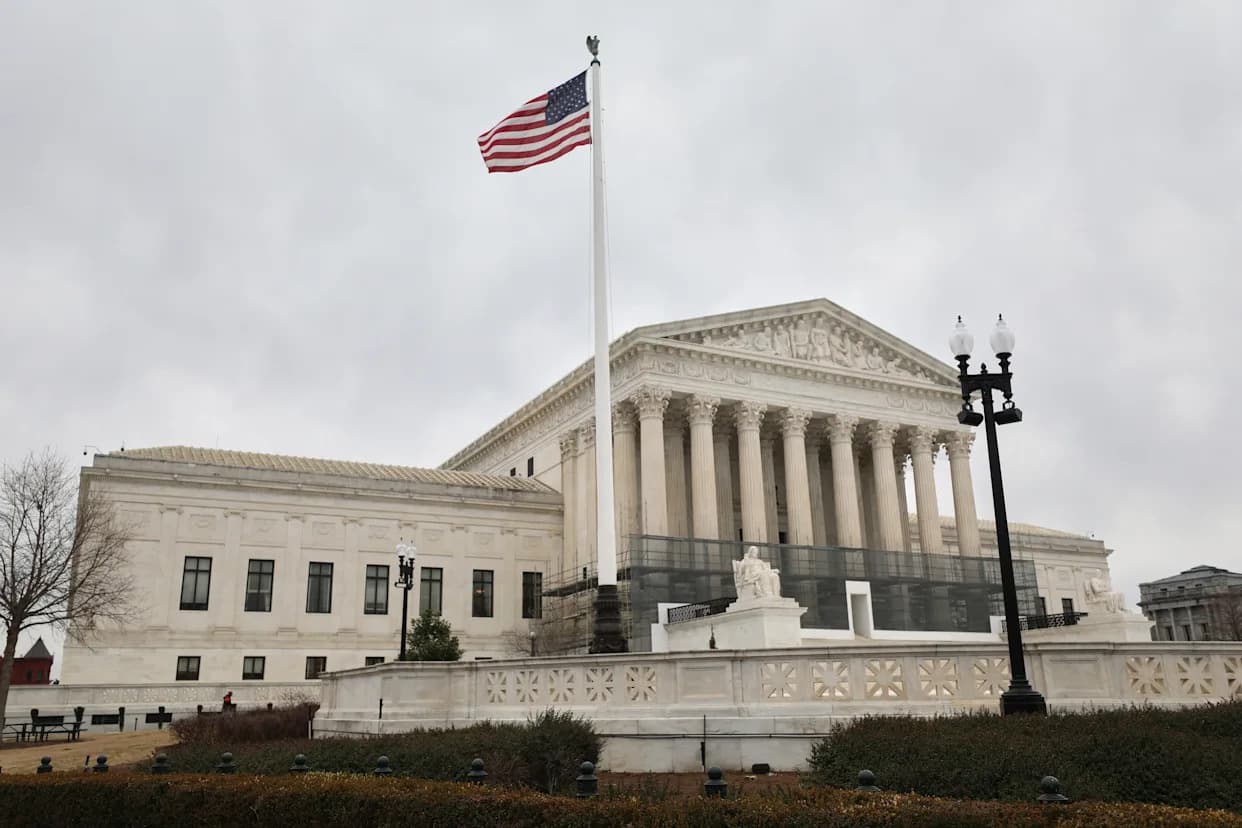
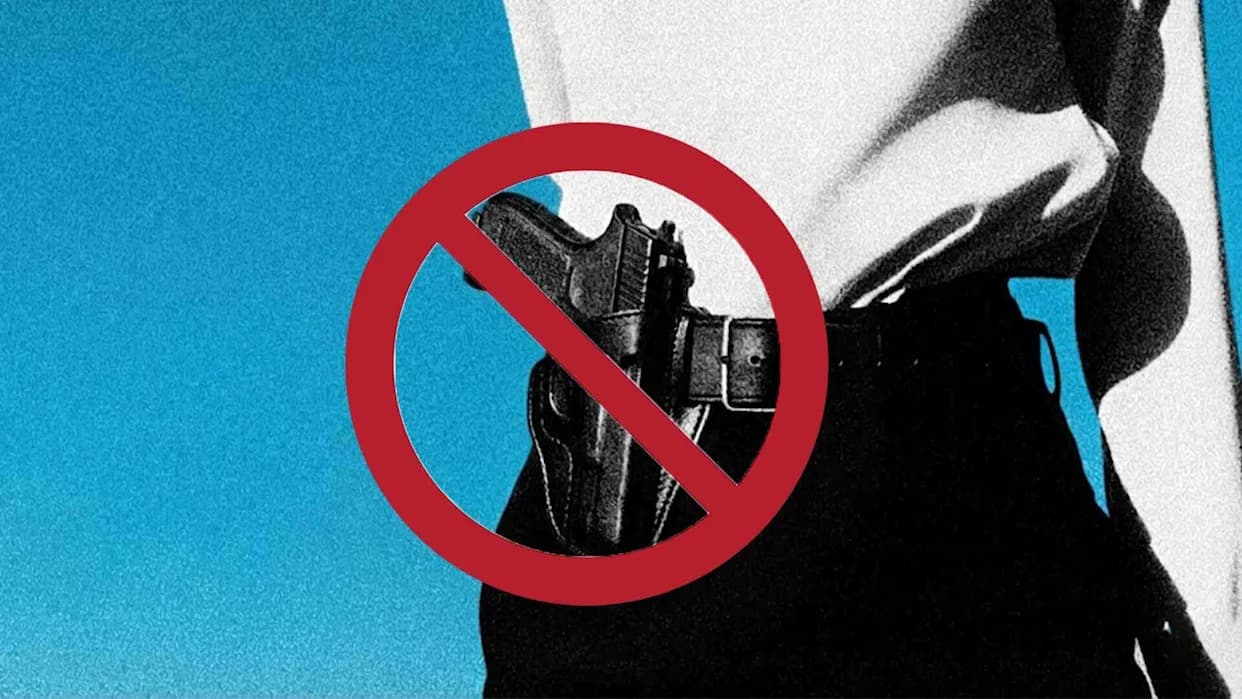
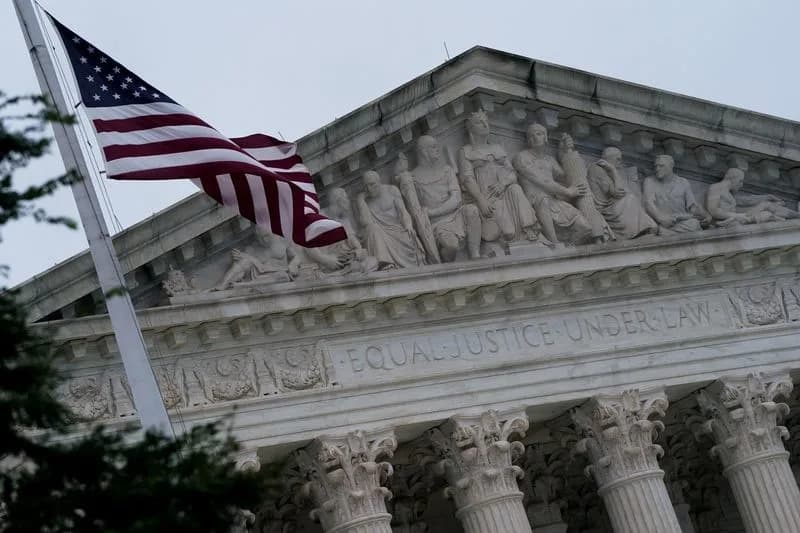
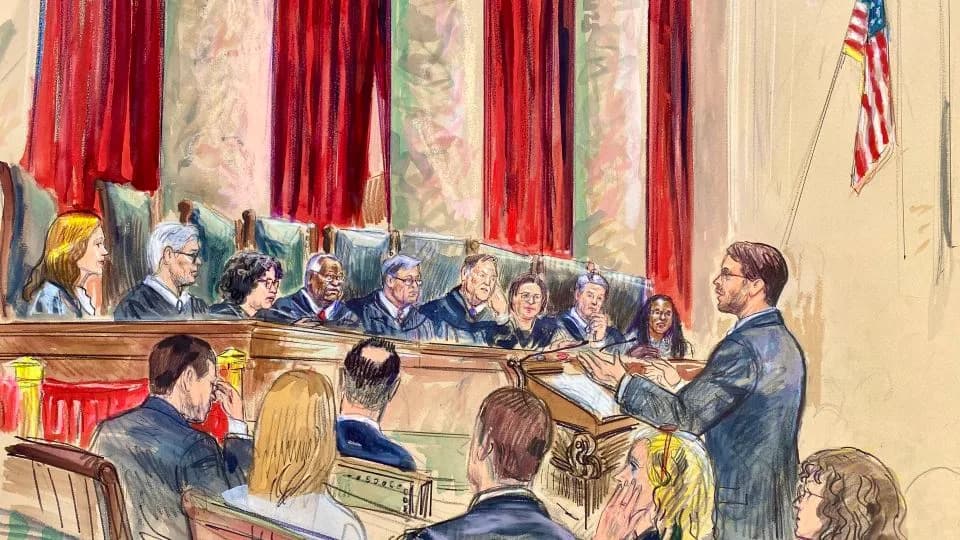
The Supreme Court on Tuesday heard arguments over a Hawaii law that prohibits people from carrying firearms into certain businesses without the owner's consent. The two-hour argument repeatedly returned to questions of race and history — particularly 19th-century “Black codes” enacted after the Civil War to restrict freedoms of newly freed Black Americans — and how those laws should factor into modern Second Amendment analysis.
What Was Argued
Hawaii, defending a statute adopted about three years ago, pointed to an 1865 Louisiana law that required explicit owner consent before someone could bring a gun onto another person's property. Louisiana officials have acknowledged that some Black codes were intended to disarm formerly enslaved people, and the state argued that the consent provision is a relevant historical analogue for present-day restrictions.
Neal Katyal, representing Hawaii, conceded that the Black codes were a shameful chapter in U.S. history but urged the Court to consider the Louisiana provision as a race-neutral rule that was effectively accepted when Congress readmitted Louisiana to the Union in 1868.
Key Exchanges and Arguments
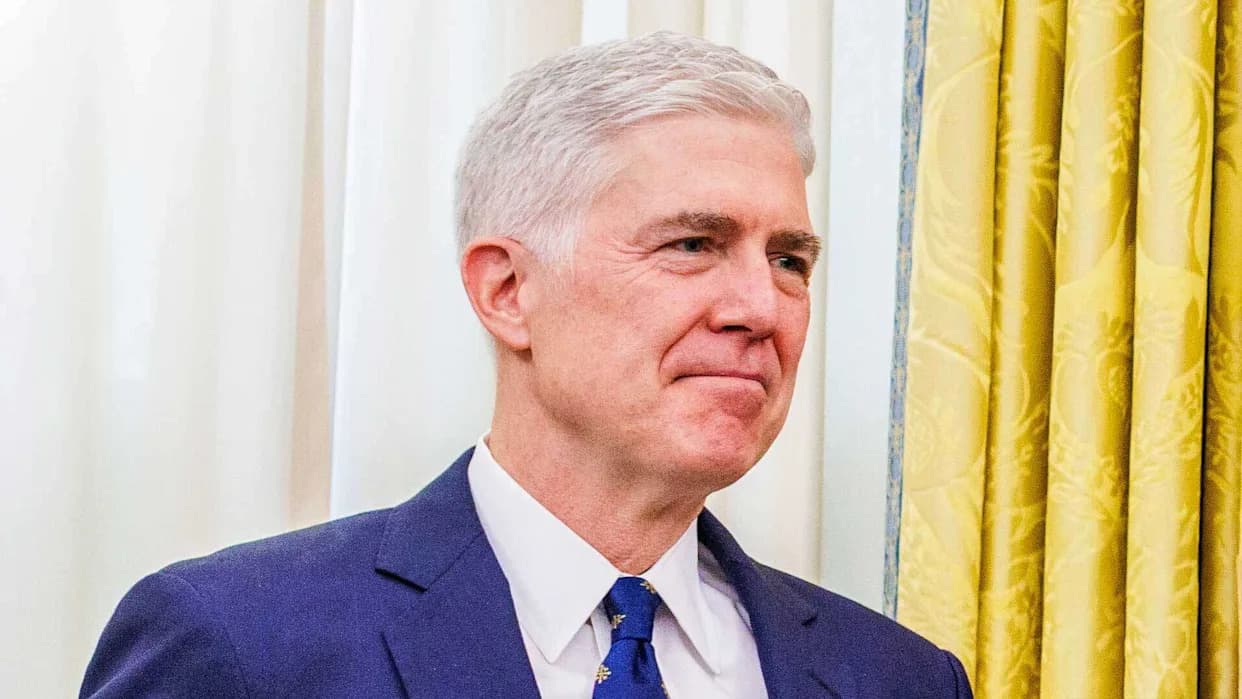
Conservative justices pressed skeptical questions about relying on discriminatory 19th-century statutes. Justice Neil Gorsuch expressed surprise that some advocates who otherwise emphasize racial progress would invoke racist-era laws to defend modern gun limits.
“I understand a lot of people who promote gun restrictions like to cite the Black codes... But here they like them, they embrace them. And I'm really interested in why.”
Justice Samuel Alito likewise highlighted the racist purpose behind many Black codes, saying they aimed to disarm African Americans “to help the Klan terrorize them” and to empower discriminatory law enforcement — and asked whether it is ironic to cite such laws in support of constitutional restrictions.
“Is it not the height of irony to cite a law that was enacted for exactly the purpose of preventing someone from exercising the Second Amendment right — to cite this as an example of what the Second Amendment protects?”
On the other side, Justice Ketanji Brown Jackson warned that the Court must apply its 2022 New York State Rifle & Pistol Association v. Bruen decision consistently. Under Bruen, the Court examines whether modern regulations are consistent with the Nation’s historical tradition of firearm regulation — and Jackson cautioned that the Court should consider all relevant history rather than picking or excluding pieces for convenience.
“To the extent that the test today is tying us to historical circumstances, it would seem to me that all of history should be on the table. And if we start taking pieces off... I think there's going to be a problem with respect to the accuracy of our test.”
Principal Deputy Solicitor General Sarah Harris, arguing for the federal government opposing the Hawaii statute, urged the Court to disregard laws rooted in racism when reconstructing the historical tradition, saying that clearly unconstitutional statutes should not illuminate a permissible tradition of regulation.
What’s At Stake
The argument centered on how to apply the Bruen framework: which historical laws count as legitimate analogues for evaluating modern firearm restrictions, and whether statutes with racist origins should be treated as part of the relevant tradition. The case tests the limits of governmental authority to restrict where firearms may be carried in public, particularly on private commercial property.
How the Justices Seemed to Be Positioned
By the end of the argument, several justices appeared inclined to strike down Hawaii's rule. Justices Neil Gorsuch, Samuel Alito, Clarence Thomas and Brett Kavanaugh seemed convinced the statute is unconstitutional, with Chief Justice John Roberts leaning the same way. Justices Ketanji Brown Jackson and Sonia Sotomayor appeared inclined to uphold the law. The positions of Justices Amy Coney Barrett and Elena Kagan were less clear from the argument.
Next Steps
The Court's decision in Wolford v. Lopez is expected by late June. The ruling will further define how Bruen's history-and-tradition test is applied and whether laws with discriminatory origins should inform modern Second Amendment doctrine.
Help us improve.