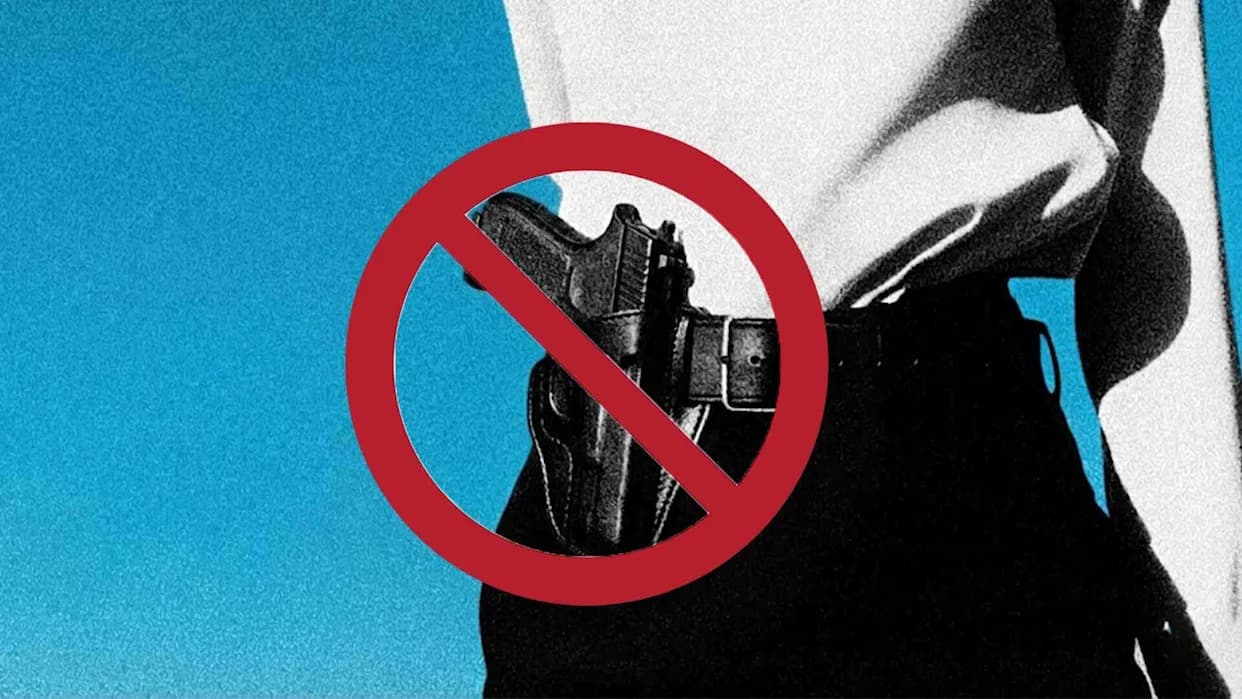
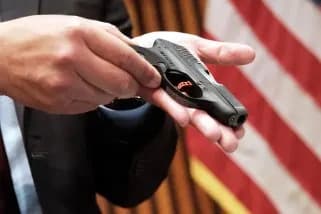
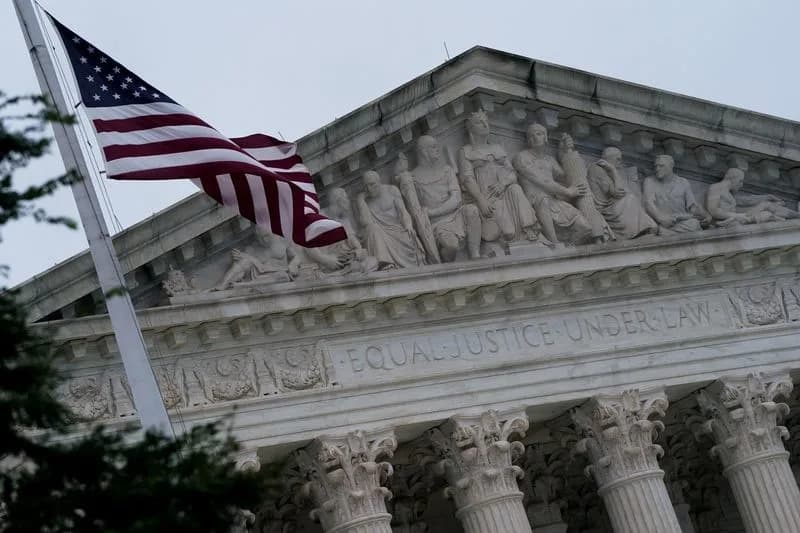
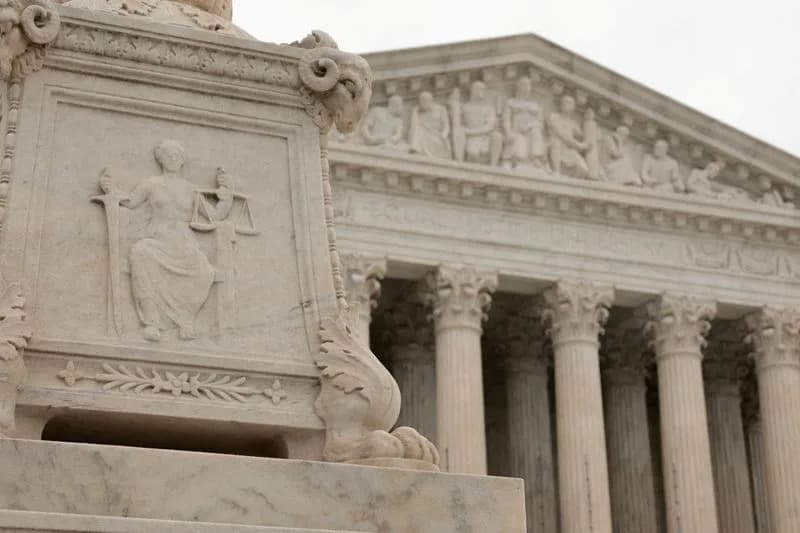
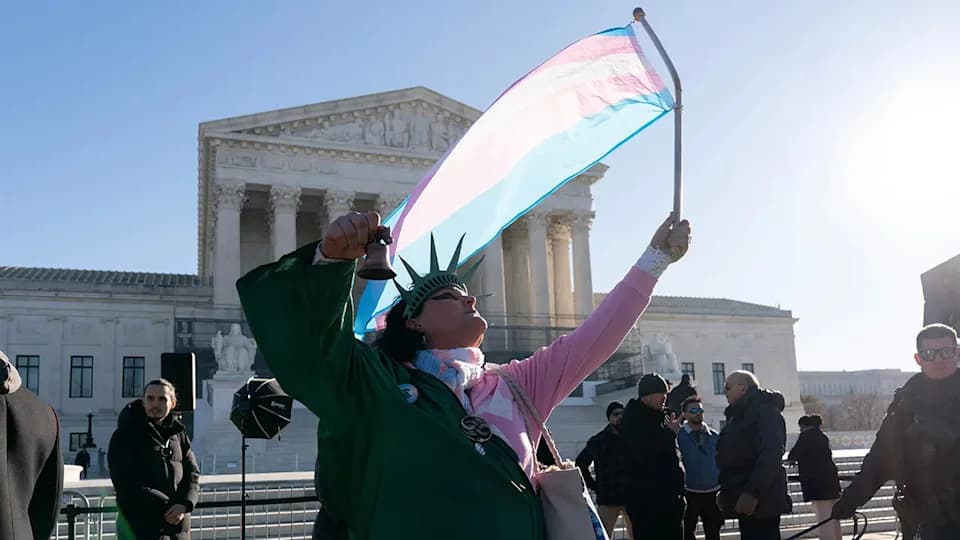
The Supreme Court will hear argument on Jan. 20 over a Hawaii law that requires property-owner permission to carry firearms on privately owned places open to the public. Historical statutes from the 18th and 19th centuries — including laws in New Jersey, Louisiana, New Mexico, Oklahoma and Texas — show many examples of restrictions on carrying in private-public venues. From colonial times through the early 20th century, most states regulated concealed and often open carry, suggesting regulation was historically the norm.
Supreme Court To Hear Hawaii Carry Case — History Shows Regulation, Not Unfettered Public Carry, Was The Norm
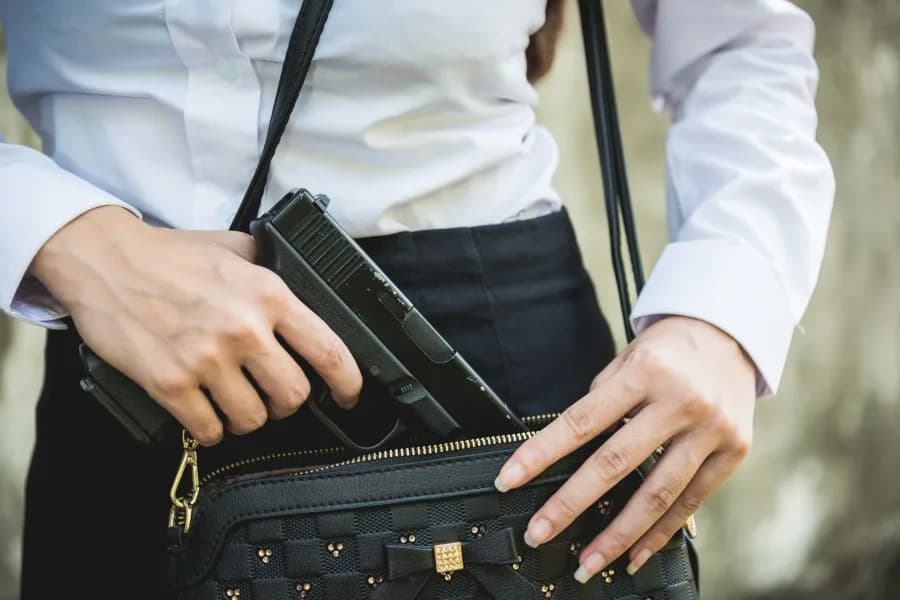
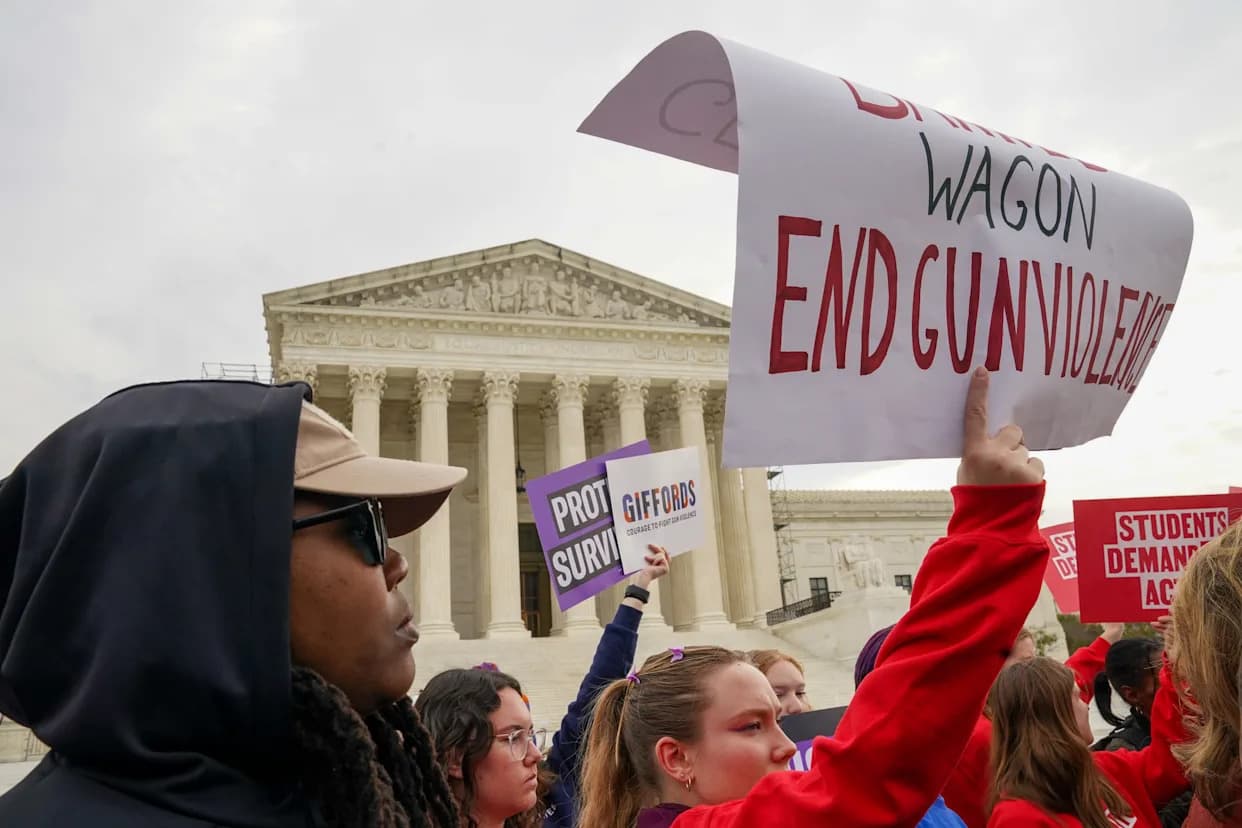
History matters — the Supreme Court itself said so in 2022 when it established that modern Second Amendment questions should be judged against historical practice. On Jan. 20 the high court will hear oral argument in an appeal challenging a Hawaii statute that requires people to obtain permission from private property owners before carrying firearms on premises that are generally open to the public, such as stores, restaurants and shopping malls.
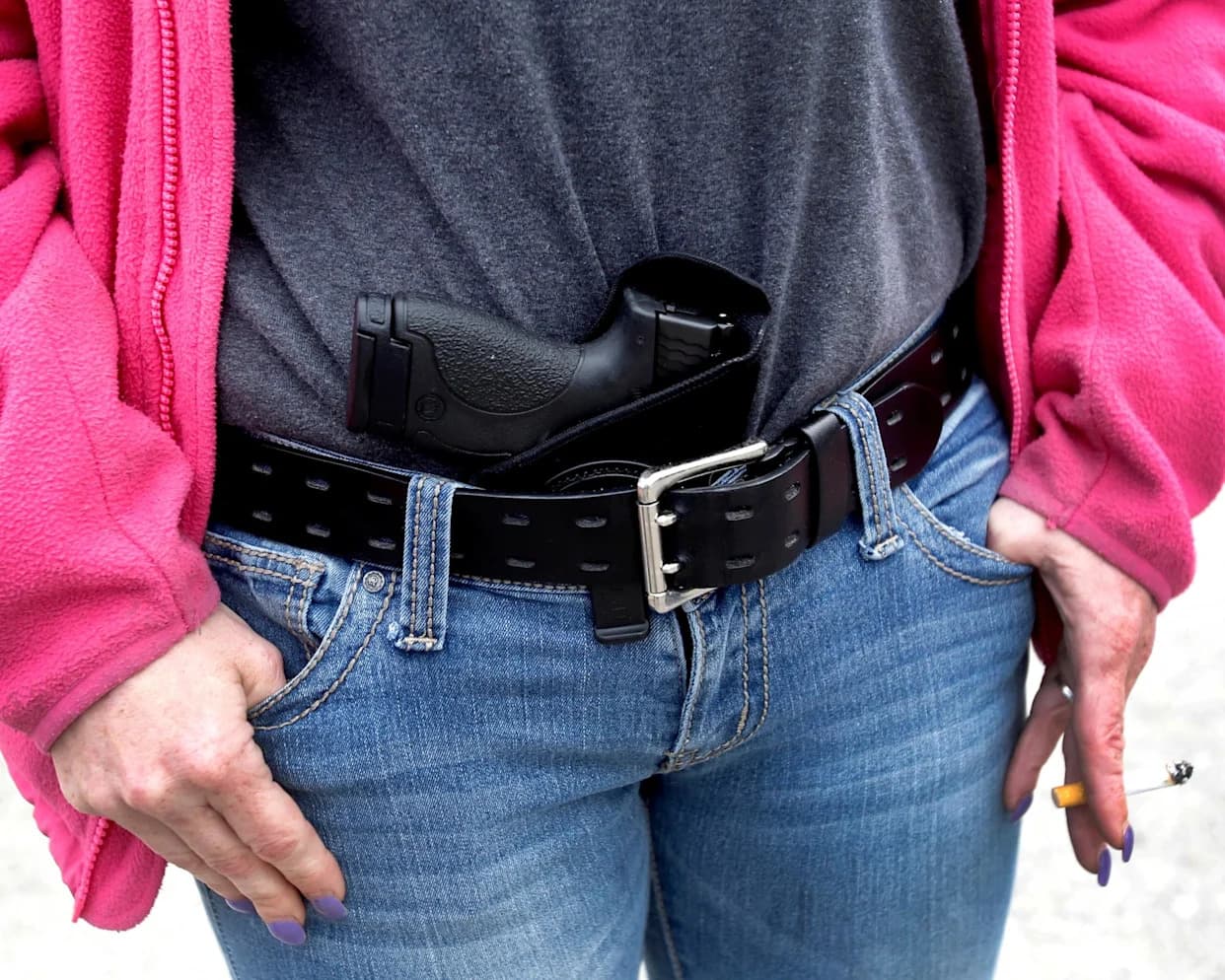
The Hawaii law does not ban carrying firearms outright. Instead it places an affirmative obligation on the carrier to verify that the property owner permits firearms on site. California, Maryland, New Jersey and New York have comparable rules; most other states take the opposite approach, allowing carry by default unless a property posts an explicit prohibition.
What Supporters and Opponents Say
Critics of the Hawaii rule — including a Justice Department brief filed under the previous administration — argue the statute "manifestly seeks to suppress gun rights." Supporters counter that a "prohibited-unless-permitted" default better protects the rights of commercial property owners to exclude firearms and safeguards the associational interests and safety of customers. They also point to research and public-opinion data suggesting such rules could reduce impulsive misuse of firearms and lower incidents of thefts and suicides.
Historical Evidence Matters Under The Court's Test
Under the Court's historicist test, policy arguments are secondary to whether analogous regulations existed at the relevant historical moment. The archival record contains numerous examples of laws that constrained carrying on private lands and at privately run venues open to the public.
- Courts have recognized two close analogues: a 1771 New Jersey law forbidding weapons on another's land without the landowner's permission, and an 1865 Louisiana statute barring gun carry on 'premises' without affirmative consent.
- Comparable statutes were enacted in Maryland (1715), New Jersey (1722), New York (1763), Pennsylvania (1721) and Oregon (1893), among others.
- Cities and states historically restricted weapons at social events in private venues that served public functions: New Orleans banned weapons at 'public balls' in 1804 (with follow-up ordinances in 1808 and 1817); New Mexico forbade arms at 'balls or fandangos' in 1853 and 1860.
- An 1890 Oklahoma law extended prohibitions to people carrying weapons 'for the purpose of defense' at public-private gatherings, circuses, shows and similar venues. Arizona (1883), California (1886), and Missouri (1874, 1879) enacted parallel measures. Texas' 1870 statute — titled 'An Act Regulating The Right To Keep And Bear Arms' — penalized carrying firearms into ballrooms, social parties and other public assemblies.
More broadly, from the colonial era through the early 20th century, every state enacted laws banning concealed weapons; roughly three-quarters restricted open carry; and nearly half prohibited any civilian carrying of weapons except for recognized exceptions such as transport, travel, hunting, or law enforcement. These patterns indicate that regulation, rather than unfettered public carry, was the prevailing practice.
What This Means For The Court's 2022 Ruling
The Supreme Court in NYSRPA v. Bruen described an "enduring American tradition permitting public carry." The historical record assembled here presents a different picture: a long, widespread pattern of restrictions on public carrying in various forms.
If the Court gives weight to the extensive corpus of historical regulations that limited carrying in privately owned public venues and at public events, Hawaii's law — and similar state rules — have strong historical analogues. The central question before the justices will be whether those analogues are close enough in purpose and effect to justify modern regulations under the Court's historical test.
About the author: Robert J. Spitzer is Distinguished Service Professor Emeritus of Political Science at SUNY Cortland and an adjunct professor at the College of William & Mary School of Law. He is the author of six books on gun policy, including The Gun Dilemma and the 10th edition of The Politics of Gun Control.
Copyright 2026 Nexstar Media, Inc. All rights reserved. This material may not be published, broadcast, rewritten, or redistributed.
Help us improve.