Summary: The Supreme Court’s Bruen decision (2022) ties most modern gun regulations to a historical‑analogy test, but lower courts and scholars say the test is vague and administratively burdensome. Wolford v. Lopez (argued January 20) asks whether a Hawaii law banning guns on private property without owner permission fits within that historical tradition. Rahimi and empirical research suggest Bruen’s test has produced ideologically split outcomes; Wolford may either clarify, preserve, or topple Bruen’s approach.
Bruen Backlash: How Historical Tests Are Mangling Modern Gun Law — Wolford Could Force a Reckoning
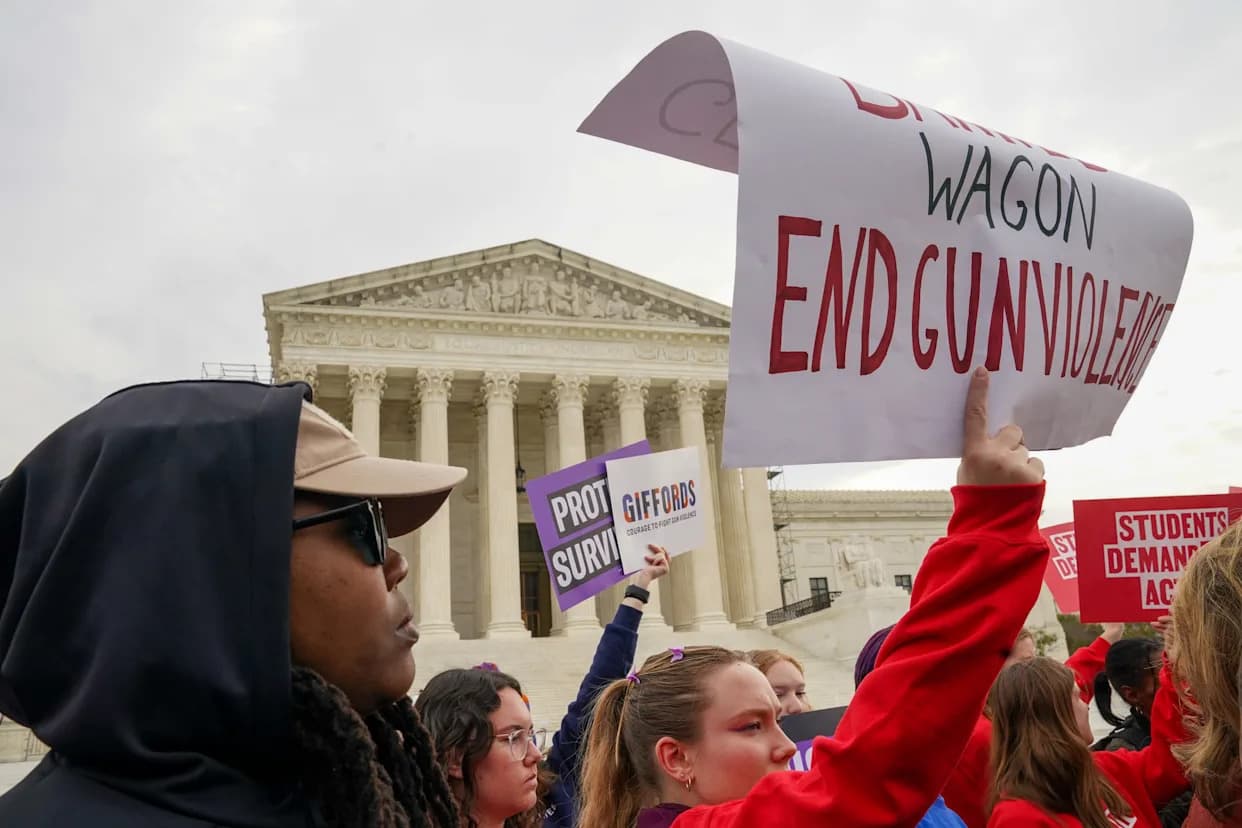
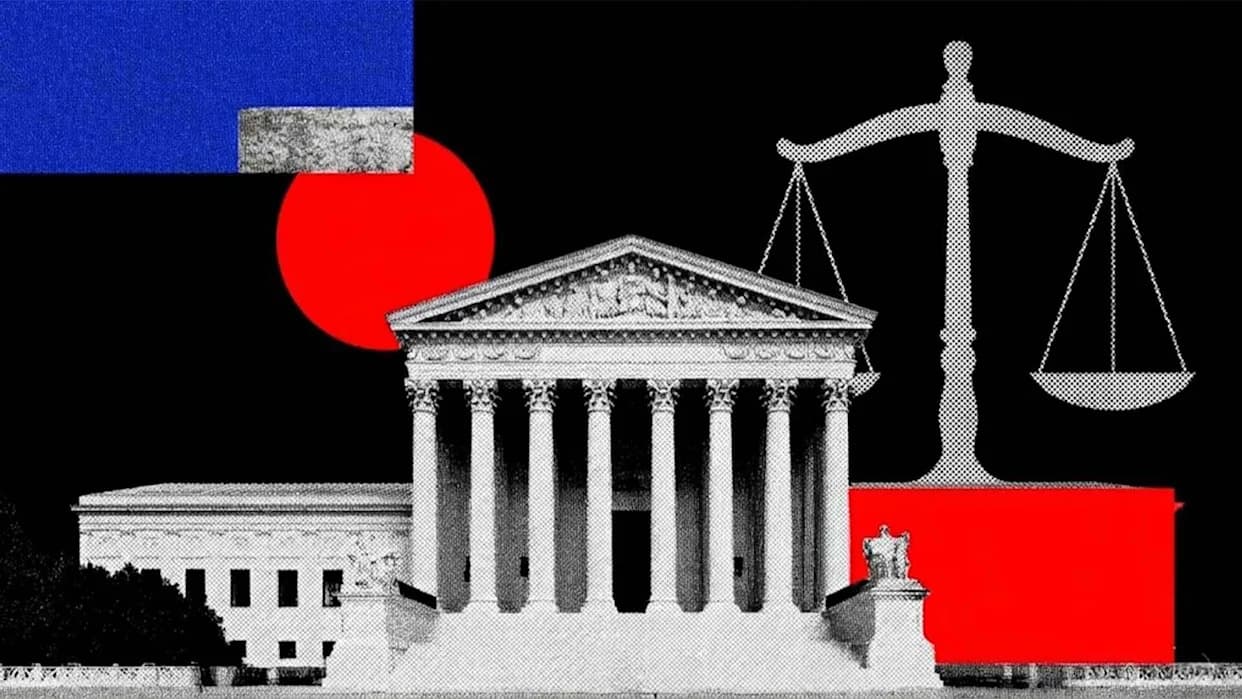
The Supreme Court will hear two Second Amendment cases this term. The first, Wolford v. Lopez, will be heard on January 20. | Jahi Chikwendiu/The Washington Post via Getty Images
The Supreme Court’s 2022 decision in New York State Rifle & Pistol Ass’n v. Bruen created a doctrine meant to ground modern Second Amendment disputes in the nation’s historical tradition of firearm regulation. Instead, Bruen has unleashed widespread judicial frustration, inconsistent outcomes, and a torrent of historical-mining litigation. Wolford v. Lopez — argued January 20 — is shaping up to be the Court’s second attempt to define what Bruen actually requires.
Why Bruen Matters
Bruen holds that, to survive constitutional scrutiny, most contemporary gun regulations must be shown to be “consistent with this Nation’s historical tradition of firearm regulation.” In practice, that requires governments defending a law to identify Founding-era or colonial analogs that are sufficiently similar to the modern statute.
Judicial Pushback And Practical Problems
Many federal judges — including some appointed by Republican presidents — have openly criticized Bruen as vague and unworkable. One judge described the decision’s “unique test” as offering little clear guidance; another observed that courts are "struggling at every stage of the Bruen inquiry." Justice Ketanji Brown Jackson’s concurrence in United States v. Rahimi (2024) quoted numerous opinions that called Bruen incoherent.
Practical consequence: In 2020 more than 14,000 federal firearm-related prosecutions were brought. Under Bruen, virtually every such case can devolve into lengthy historical investigation over whether a centuries-old law resembles a modern restriction.
The Wolford v. Lopez Puzzle
Wolford challenges a Hawaii statute that criminalizes bringing a firearm onto private property without the owner’s express authorization. Functionally, the law keeps guns out of most shops, hotels, restaurants, and businesses where owners do not proactively permit them. At first glance this might seem like a straightforward attempt to evade Bruen by changing the mechanism used to limit public carry.
Yet under Bruen’s historical-analogy test, Hawaii’s lawyers have identified colonial and early-state statutes that closely resemble the state rule — including laws from 1721 (Pennsylvania), 1763 (New York), and 1771 (New Jersey) that limited carrying guns on another’s land without permission. Those historical analogs could, under the Bruen framework, justify upholding the modern Hawaii statute.
Rahimi Shows How Bruen Swings Both Ways
United States v. Rahimi was the Court’s first post-Bruen attempt to apply the test. A majority upheld a federal prohibition on firearm possession by people subject to domestic-violence restraining orders, likening the modern ban to Founding-era bond-posting rules intended to prevent breaches of the peace. Justice Clarence Thomas dissented, arguing those historical measures were not comparable because they did not disarm people or impose similar burdens. The split highlighted Bruen’s ambiguity: reasonable judges could reach opposite outcomes using the same methodology.
Evidence Of Ideological Influence
Empirical research supports concerns that Bruen has freed judges to decide based on ideology while dressing results in history. A 2023 study by Eric Ruben, Rosanna Smart, and Ali Rowhani‑Rahbar found that judges appointed by Republican presidents are roughly 1.8 times as likely as those appointed by Democratic presidents to rule that a gun law violates Bruen.
What Wolford Could Decide — And Why It Matters
Wolford gives the Court a chance to clarify whether Bruen requires close, textual analogs or allows broader historical patterns to justify modern regulations. The ruling could: (1) reaffirm Bruen and thereby allow historical analogs to determine many modern gun-law disputes; (2) narrow Bruen by articulating clearer standards for what counts as an “analogous regulation”; or (3) overrule Bruen and return to the prior two-step framework that many lower courts used before 2022.
Implication: With a 6-3 conservative majority on the bench, the most likely outcome is a decision that preserves Bruen’s basic originalist approach but stretches its logic to reach a politically sympathetic result. That said, the historical analogs cited in Wolford create real tension for justices who want doctrinal clarity yet remain committed to originalist reasoning.
Takeaway
Bruen aimed to anchor Second Amendment law in history but instead has made outcomes unpredictable and litigation more burdensome. Wolford v. Lopez is likely to shape whether Bruen remains the Court’s controlling approach, is narrowed into a usable test, or is set aside in favor of a more administrable framework.
Help us improve.