The Ninth Circuit held that California’s ban on openly carrying firearms in its most populous counties violates the Second Amendment under the Supreme Court’s Bruen framework because historical practice protected open carry. Judges VanDyke and Lee formed the majority, finding that 19th-century laws targeted concealed carry and preserved open carry; Judge Smith dissented. The opinion highlights the 1967 Mulford Act, California’s 2011 expansion of the ban, the absence of any issued open-carry licenses in small counties, and the likelihood of en banc review.
9th Circuit: California’s Ban On Openly Carrying Firearms In Urban Counties Is Unconstitutional

California's Ban on Openly Carrying Guns Is Unconstitutional, 9th Circuit Says
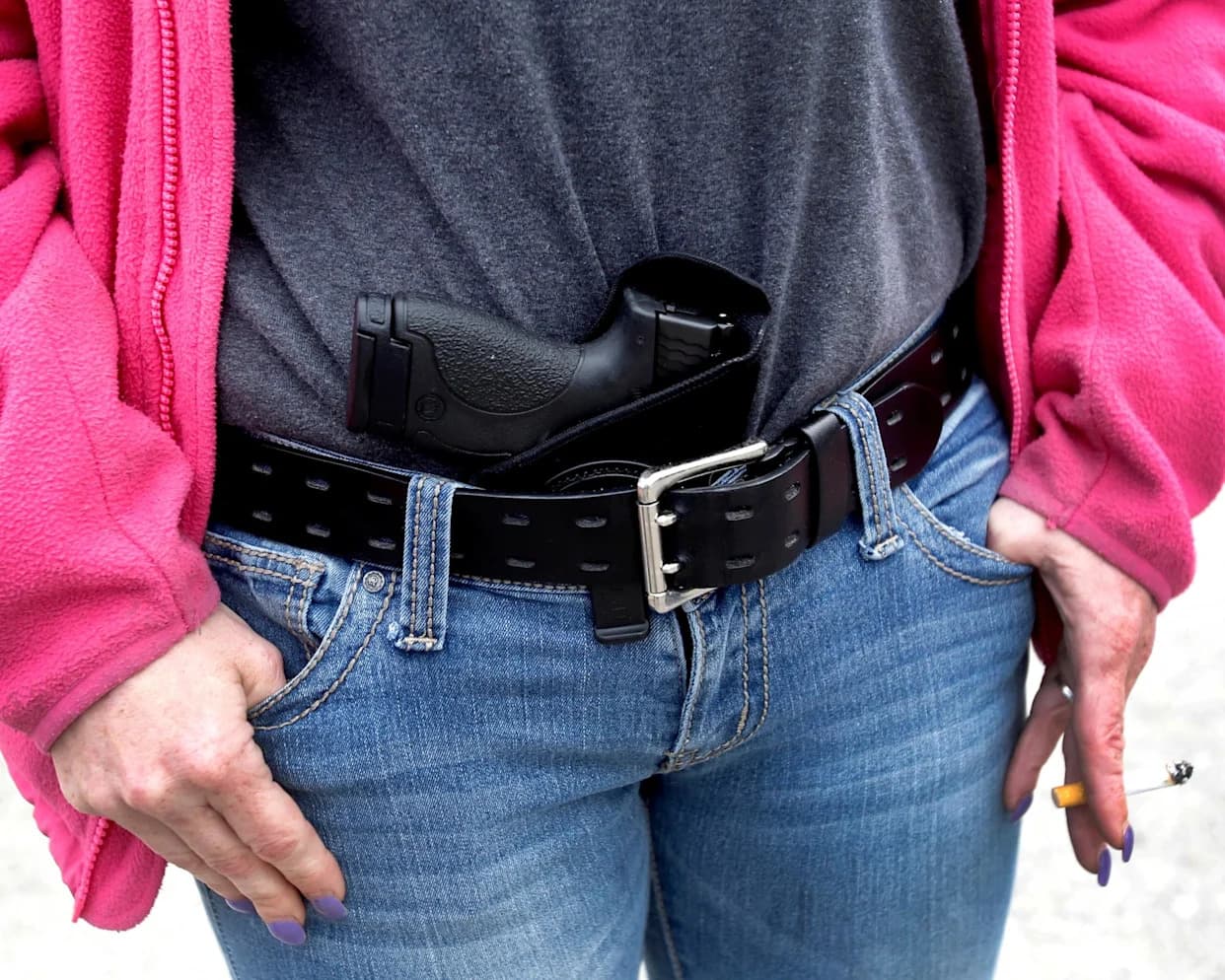
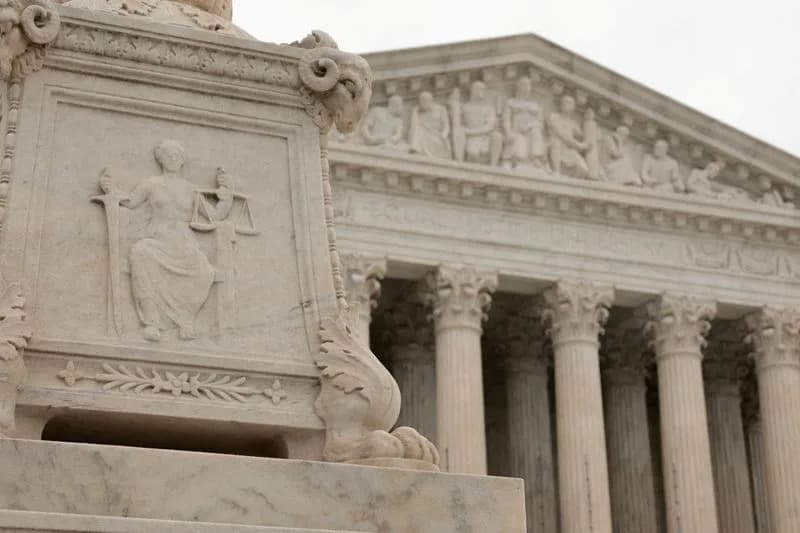
The U.S. Court of Appeals for the Ninth Circuit ruled that California’s ban on openly carrying firearms in its most populous counties violates the Second Amendment under the Supreme Court’s 2022 Bruen test. The majority found the historical record shows open carry was widely accepted and that the 19th-century laws California cited targeted concealed carry while preserving open carry.
Background
Under Bruen, laws that limit conduct falling within the plain text of the Second Amendment are constitutional only if the government can show those limits are consistent with the Nation’s historical tradition of firearm regulation. California defended its urban open-carry prohibition by pointing to 19th-century statutes banning concealed carry. The state’s modern rule bars open carry in counties representing about 95% of California’s population, while nominally exempting counties with fewer than 200,000 residents—although no open-carry licenses have ever been issued.
The Ruling
In Baird v. Bonta, Judges Lawrence VanDyke and Kenneth K. Lee formed the majority, concluding California failed to meet Bruen’s historical-tradition requirement. The opinion emphasizes that, for much of American history, open carry was the default and legally protected means of public carry, while concealed carry was the subject of regulatory bans and disapproval.
'For most of American history, open carry has been the default manner of lawful carry for firearms,' Judge Lawrence VanDyke wrote, adding that the historical record 'makes unmistakably plain that open carry is part of this Nation’s history and tradition.'
VanDyke traced California’s departure from this historical norm to the Mulford Act of 1967, which outlawed open carry of loaded firearms without a permit—a measure he described as 'tainted with racial animus' in response to the Black Panther Party’s armed demonstrations. California later expanded the prohibition in 2011 to include unloaded firearms, leaving it among a tiny minority of states with such strict limits.
Dissent And Concurrence
Judge N. Randy Smith dissented, arguing that California’s approach is lawful because it does not ban public carry altogether: concealed carry remains available statewide, and open carry is theoretically permitted in less-populated counties. The majority rejected that reading of Bruen, stressing that allowing one form of public carry does not license broad restrictions on other forms.
Judge Lee joined a concurrence criticizing the state’s implementation of the narrow county exemption. Although the statute allows open-carry permits in counties under 200,000 residents, California admits it has no record of issuing a single open-carry license. Lee noted the required application form is confusing—referring repeatedly to 'concealed' carry—which likely discourages or misleads applicants.
What Happens Next
Legal observers expect further review. Commentators and advocates predict a likely en banc rehearing by an 11-judge Ninth Circuit panel and possible reversal. The case also raises the prospect of eventual Supreme Court review, given its connection to Bruen and broader questions about historical tradition as the decisive test for modern firearm regulations.
Case details: Plaintiff Mark Baird, a Siskiyou County resident, challenged the law in 2019 after finding the county would not effectively provide the statutory open-carry license that, on paper, exempts small counties. The decision appeared on Reason.com.
Help us improve.