Prime Minister Sebastien Lecornu used Article 49.3 to push part of the 2026 budget through the National Assembly without a vote after talks stalled. He must invoke the same measure two more times to enact the rest of the budget and faces multiple no-confidence motions from opposition parties. President Macron praised the draft for capping the deficit at about 5% of GDP, while the Socialists say they will not back a censure motion after securing concessions. The remaining budget sections will be presented Friday, with final adoption expected in mid-February following a Senate review.
French PM Forces Part Of 2026 Budget Through Parliament Using Article 49.3, Faces No-Confidence Threats
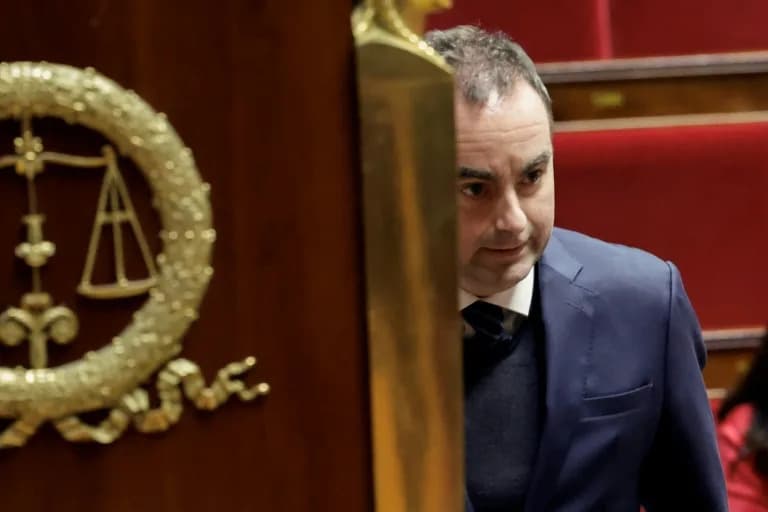
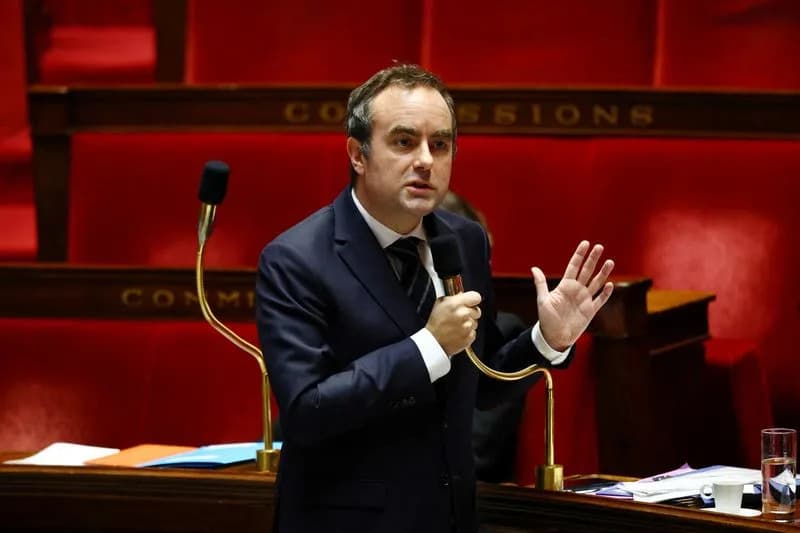
France's Prime Minister Sebastien Lecornu is now counting on the support of a key swing group to survive no-confidence votes (STEPHANE DE SAKUTIN)(STEPHANE DE SAKUTIN/AFP/AFP)
French Prime Minister Sebastien Lecornu on Tuesday invoked Article 49.3 of the constitution to force part of the 2026 budget through the National Assembly without a parliamentary vote, after negotiations between parties reached an impasse. The move exposes his government to multiple no-confidence motions and marks a retreat from his earlier pledge to seek full parliamentary approval.
Lecornu must use the same constitutional shortcut two more times to pass the remainder of the budget into law. Opposition parties including the hard-left France Unbowed (LFI), the Greens, the Communists and the far-right National Rally (RN) have tabled or signalled plans to table censure motions in response.
Why the government acted: Lecornu told deputies that the budget text could no longer be voted on through normal procedure and that he had a duty to ensure France has a budget. He said he resorted to Article 49.3 because "parliament is unable to see through its responsibility of giving the nation a budget," and he criticised political groups for blocking the bills.
President Emmanuel Macron welcomed the draft budget on Monday, saying it keeps France's deficit at about 5 percent of GDP and "allows the country to move forward," while acknowledging that the package required compromises and concessions from all sides.
The decision drew swift political responses. National Assembly President Yael Braun-Pivet said the outcome was a setback for democratic debate, while Lecornu himself admitted with "a certain degree of regret and a bit of bitterness" that he had to invoke the constitutional power, calling the result "a partial success, partial failure."
No-Confidence Motions And Political Math
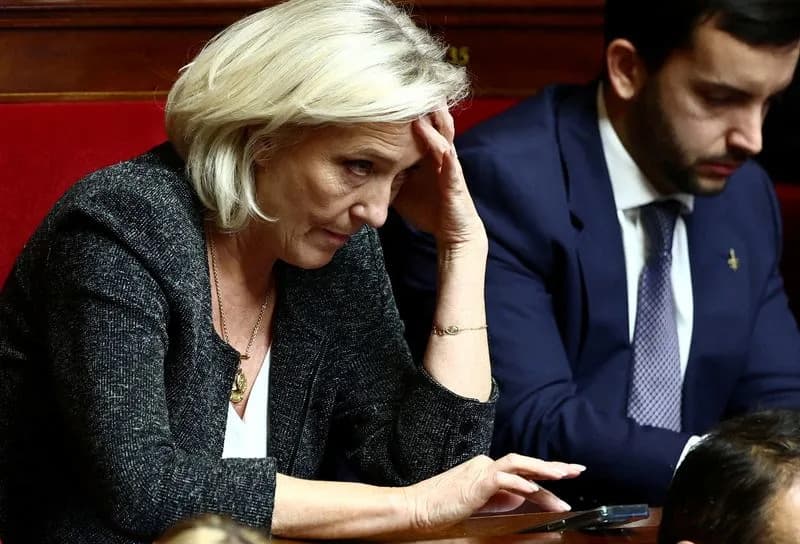
Any use of Article 49.3 can trigger a vote of no confidence that could topple the government. LFI announced it had filed such a motion, with the Greens and Communists planning to join. The RN later confirmed it had tabled a separate motion as well.
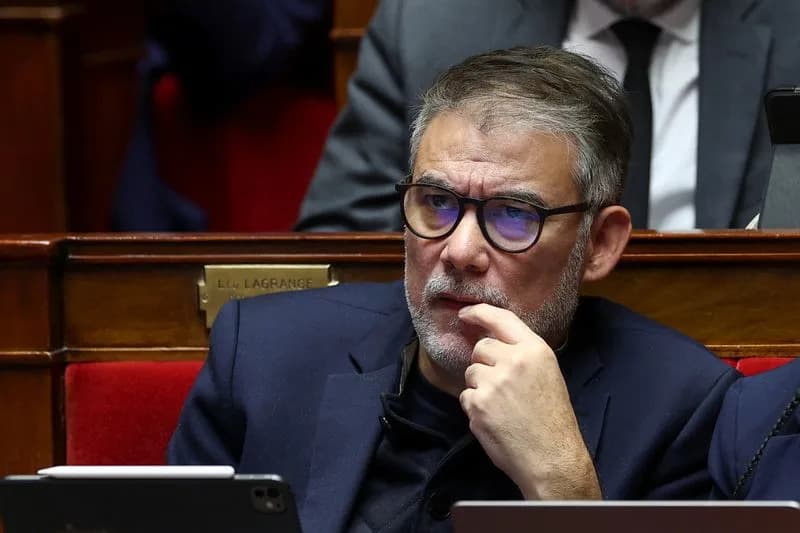
The Socialist Party, however, is not expected to support the LFI motion. Socialist leader Olivier Faure said the party views 49.3 as "the least bad solution" and believes it secured meaningful concessions, including a larger top-up benefit for the lowest-paid workers and a roll-out of one-euro meals for students, cited by party chair Boris Vallaud.
The next portion of the budget requiring Article 49.3 is due to be presented to parliament on Friday. After another round of potential no-confidence votes, the text will be examined by the Senate before returning to the National Assembly for final adoption, a process expected to conclude in mid-February.
Key quote: Lecornu: “Things are now at an impasse. The text can no longer be voted on. And we believe France must have a budget.”
What happens next: The government must repeat the Article 49.3 procedure twice more to secure the full budget. Each use can prompt new confidence motions, and if a censure motion succeeds the government could fall, prolonging political uncertainty during the budget process.
Help us improve.