Néron à l'Élysée by Nicolas Domenach and Maurice Szafran argues that Emmanuel Macron’s Élysée has become a male-dominated "Macholand," steered by a tight circle of loyal aides who shape tone and decisions. The book accuses that inner circle of enabling impulsive choices linked to narcissism, while women are largely absent from key strategy meetings. Critics counter that the problems are also structural — a lack of party networks, suspended pension reform, and declining European influence — suggesting Macron’s persona may reflect broader national issues.
Macholand at the Élysée: New Book Paints Macron’s Inner Circle as a Male-Dominated ‘Boy Band’

Emmanuel Macron has surrounded himself with a tight circle of male loyalists, according to the authors of Néron à l’Elysée - Instagram
He arrived in office as a youthful banker-president — marketed as a liberal, feminist, pro‑European alternative to populists and strongmen. But a new book by two former admirers, Néron à l'Élysée by Nicolas Domenach and Maurice Szafran, argues that Emmanuel Macron now presides over an Élysée increasingly described as “Macholand”: a compact, male-dominated inner circle that shapes tone and decisions while projecting a cultivated image of masculine bravado.
What the Book Claims
The authors paint a picture of a loyal inner ring that includes figures such as Alexis Kohler (the former Élysée secretary-general), spokesman Bruno Roger-Petit, and heavyweight ministers like Gérald Darmanin. They argue these aides have failed to check impulsive presidential decisions, which the book attributes to a mix of narcissism and depression.
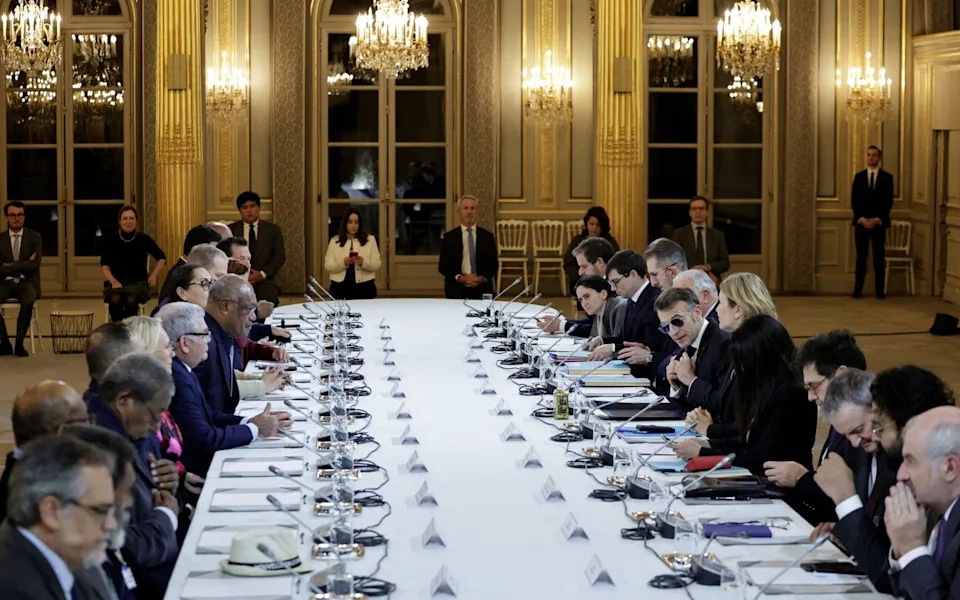
Women are largely absent from decision-making in Paris, it is claimed - STEPHANE DE SAKUTIN/Pool via REUTERS
“They are arsonists, fascinated by the fires they set in society… Pyromaniacs enchanted by the light of the flames.” — Néron à l'Élysée
Macho Culture and the Exclusion of Women
Despite Mr Macron’s public emphasis on gender equality — designating it a defining “great cause” of his mandate — Domenach and Szafran say a demonstratively macho culture prevails. They describe aides trading lines from the cult 1960s comedy Les Tontons Flingueurs as a masculine code and note that key informal strategy gatherings, defence councils and crisis meetings remain heavily male. Women, the authors contend, are largely absent from the rooms where pivotal decisions are made.
Notable Episodes and Critiques
The book singles out former prime minister Élisabeth Borne as a figure who suffered what the authors call a “macho treatment,” and highlights a viral moment in Hanoi in May 2025 when First Lady Brigitte Macron appeared to push the president’s face aside — an image the writers argue punctured his cultivated strongman persona.
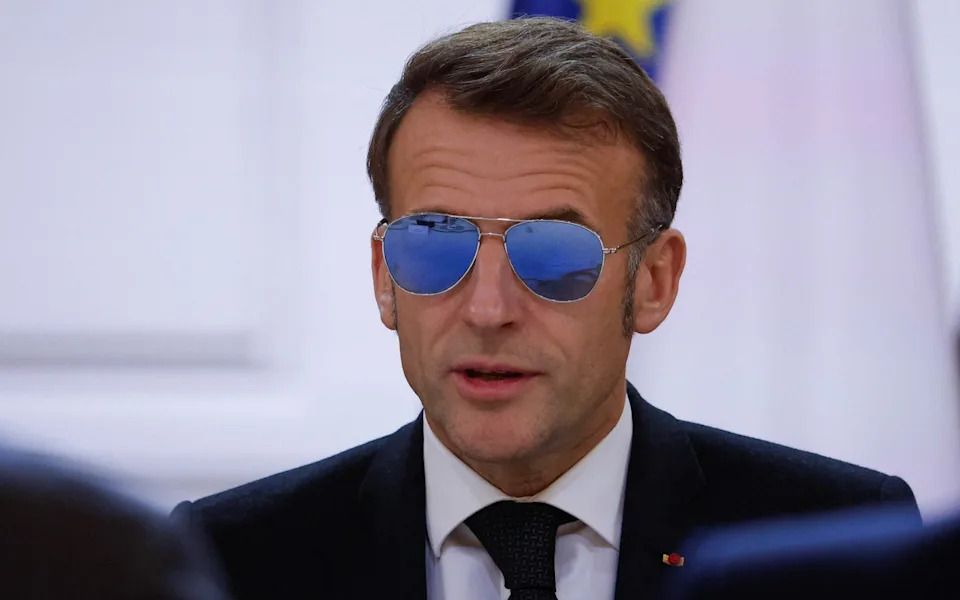
Mr Macron was described as ‘a child… who has taken narcissism to a pathological level’ by his former patron François Hollande - YOAN VALAT/via REUTERS
Context and Counterarguments
Not all observers accept that Macron’s court is uniquely narcissistic. Former Élysée insiders and commentators argue the problem is also structural: Macron never built a traditional party machine or a wide network of local political barons, leaving him dependent on a small circle of loyalists. Critics say the real damage lies in abandoned reforms and worsening public finances, especially the suspension of the pension reform that would have raised the retirement age to 64.
Pollster Jérôme Fourquet frames the issue as the familiar isolation of power toward the end of a presidency: a leader without entrenched party structures becomes increasingly surrounded by a narrow rear guard. Jean‑Louis Bourlanges and other observers also caution that Macron’s behavior may reflect broader national tensions — resistance to reform, rising debt and political culture — rather than being the sole cause of France’s malaise.

Mr Macron been accused of attempting to portray himself as a strongman - Philippe Magoni /AFP via Getty Images
Signs of Waning Influence
The book’s critics point to concrete signs of diminished leverage: setbacks such as France’s failure to block changes over the EU‑Mercosur trade deal in Brussels were interpreted in Paris as evidence that Macron’s ability to shape the European agenda is slipping. The authors use the recurring “Nero” analogy to suggest a leadership fascinated by spectacle and unbothered by the fires it lights in society.
Bottom Line
Whether read as a portrait of toxic masculinity at the top of the French state or as a symptom of structural political weaknesses, Néron à l'Élysée offers a sharp critique of how power is exercised at the Élysée. It raises questions about gender balance in senior decision-making, the psychological drivers of leadership choices, and the political costs of isolation and failed reforms.
Credit: Reuters (original reporting)
Help us improve.