Key Points: Gaza residents say little has changed since the US-brokered ceasefire entered its second phase, reporting daily strikes and renewed casualties despite lower-intensity bombardment. More than 14 people were reported killed after the second-phase announcement; both Israel and Hamas accuse each other of violations. Humanitarian needs remain acute—UN agencies estimate over 80% of infrastructure is damaged—and many Gazans are skeptical of plans for an international "Board of Peace" and reconstruction committees until basic services and security are restored.
“Nothing’s Changed”: Gaza Residents Say Daily Strikes Persist After US Ceasefire Enters Second Phase
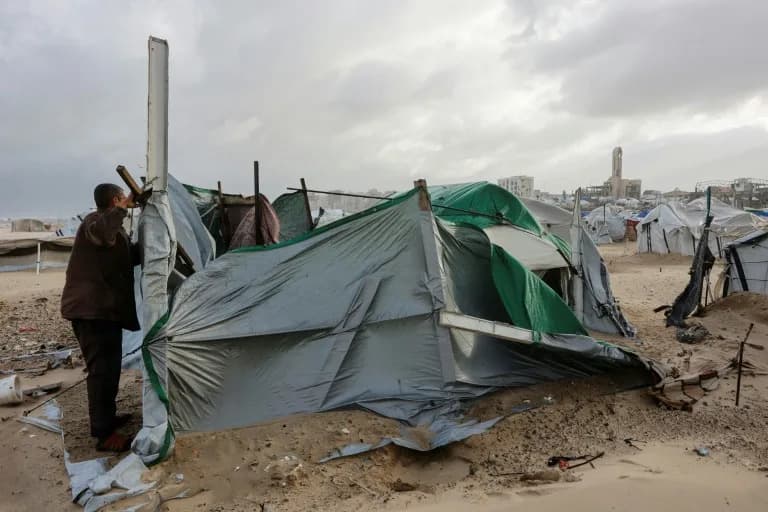
A displaced Palestinian fixes a tent in Gaza City (Omar AL-QATTAA)(Omar AL-QATTAA/AFP/AFP)
From his tent in Gaza City, Mahmoud Abdel Aal summed up a common sentiment: residents are frustrated, fearful and unconvinced that life has improved since the US-brokered ceasefire moved into its second phase.
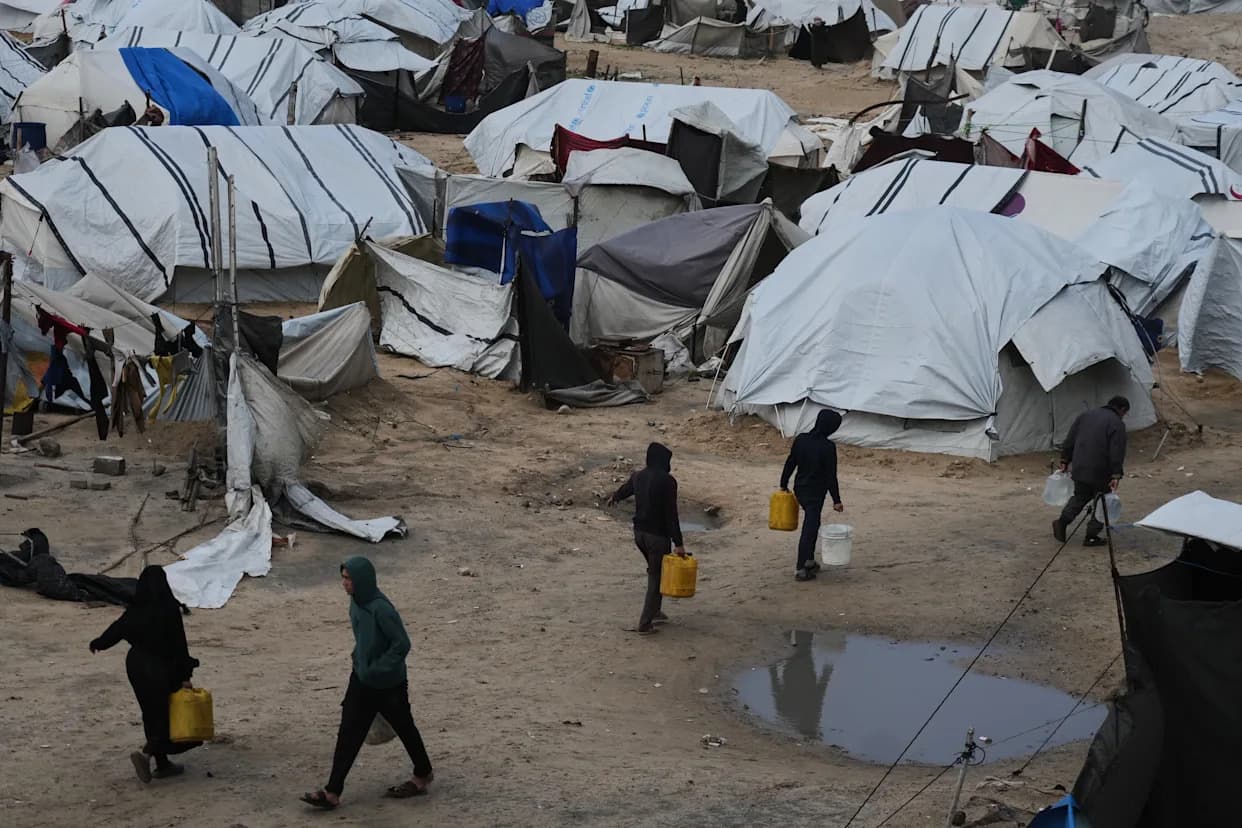
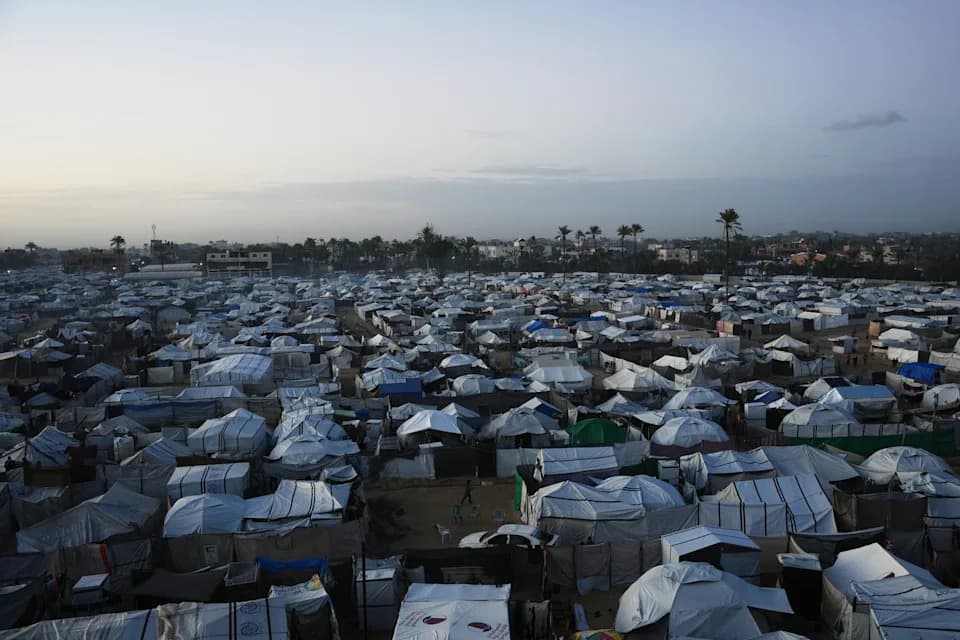
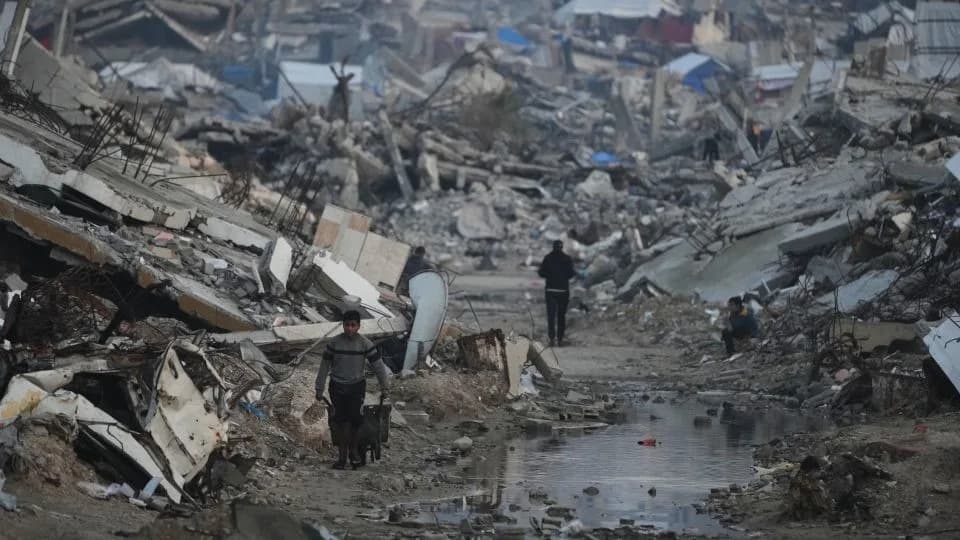
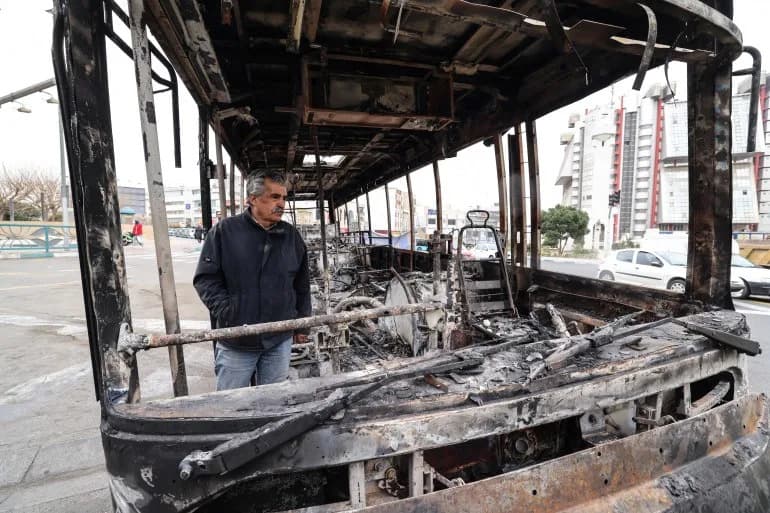
Amid a post-apocalyptic landscape of bombed-out buildings and makeshift camps further damaged by winter rains, Palestinians who spoke to AFP described daily hardships and a sense of abandonment.
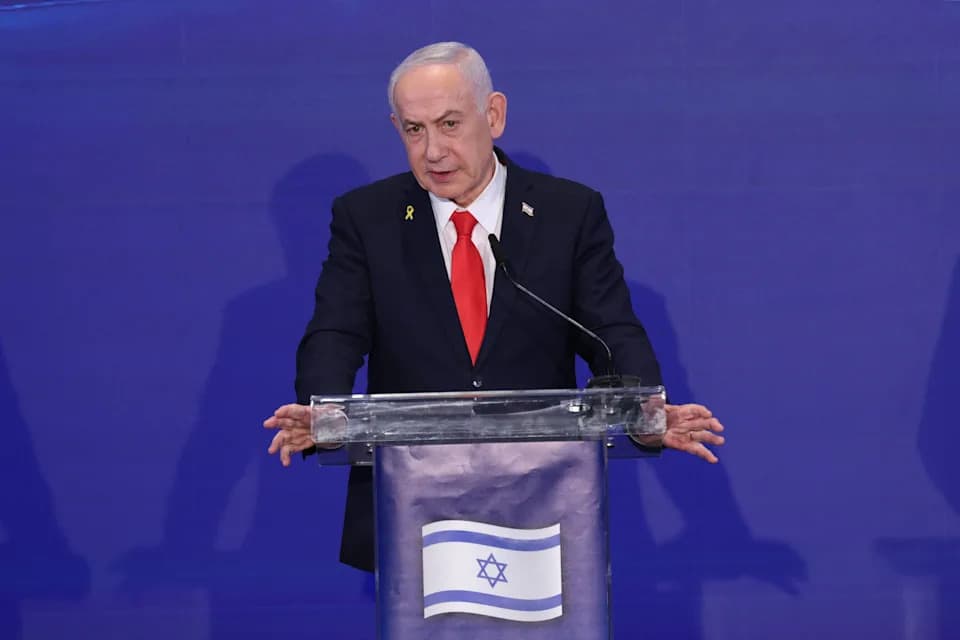
Although Israeli strikes have been less intense than before the October 2025 ceasefire, explosions continue to fall every day. After US Middle East envoy Steve Witkoff announced the start of the second phase of President Donald Trump’s Gaza plan, Gaza’s civil defence agency reported more than 14 deaths in the territory.
Both Israel and Hamas have accused each other of breaching the ceasefire. Residents say the distinction between “war” and “ceasefire” is meaningless when strikes persist.
Families, Casualties and Distrust
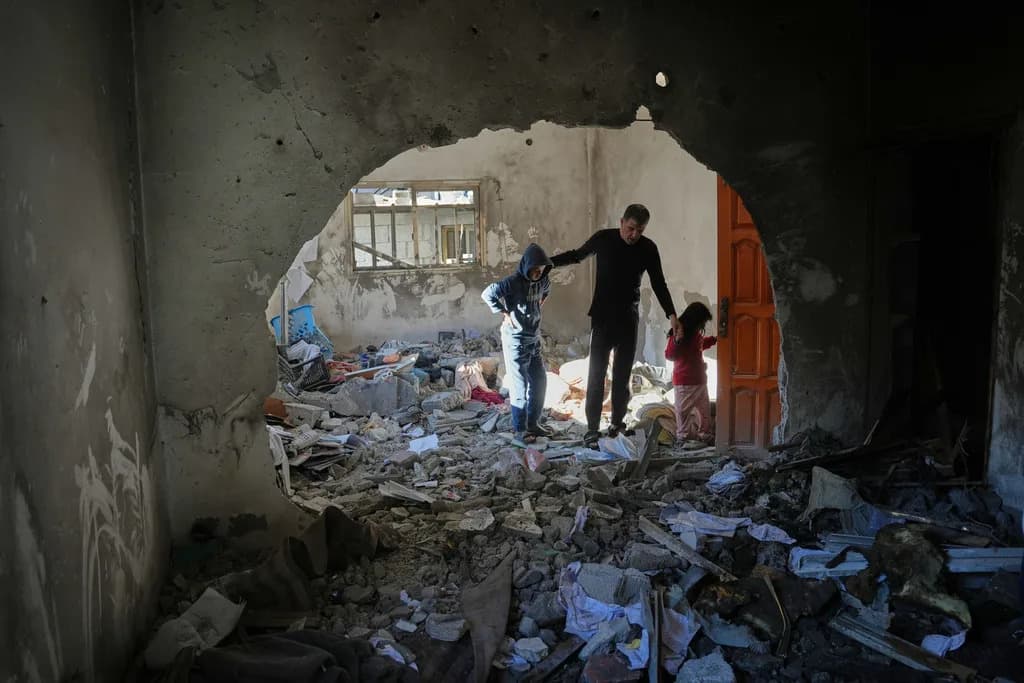
An AFP photographer saw members of the Houli family walking through rubble after five relatives were killed in an air strike on their home in Deir Al-Balah. Hamas later announced the death of Mahmud Al-Houli, whom it described as a military officer. The Israeli military said it had struck members of Hamas and Islamic Jihad in response to alleged violations.
"There is no difference between the war and the ceasefire... Everyone is worried and frustrated because nothing's changed," said Abdel Aal.
Neighbour Ahmad Suleiman told AFP the second-phase announcement was "all over the media, but the reality is different," pointing to the destroyed building. Many residents echoed skepticism about international promises, especially plans for a Trump-chaired "Board of Peace" and a Palestinian technocratic committee to oversee reconstruction.
Hossam Majed, living in the ruins of his Gaza City home, warned that the transfer of the last hostage body and any weapons handover could be used as pretexts to stretch the second phase for years. Under the first phase, Hamas returned 47 of 48 hostages it was due to hand over; it has not committed to disarming as envisaged for later phases.
Humanitarian Collapse and Limited Access
The United Nations estimates that more than 80 percent of Gaza’s infrastructure has been destroyed. Humanitarian and UN staff told AFP that, while some conditions have improved in parts of the territory since the ceasefire, the overall relief effort remains insufficient—largely because of access restrictions cited by aid agencies and denied by Israeli authorities.
Water, electricity and waste-management systems have largely collapsed. Hospitals operate at minimal capacity where they remain open, schools run only sporadically, and UNICEF warns that virtually all children in Gaza need psychological support after more than two years of war.
Nivine Ahmad, 47, who lives in a displaced persons camp in Al-Mawasi in southern Gaza, said she longs for "real life": prefabricated housing with reliable water and electricity, and the chance to live with her family again. "Only then will I feel that the war is over," she said. For now, she added, Gazans rely on hope and patience and urge the world to consider their perspective.
What Residents Want
Gazans broadly say they need safe, sustained access for humanitarian aid, credible and enforceable guarantees of security, and a reconstruction process that includes local voices—not just external committees or media announcements.
Reporting by AFP, voices from Gaza and statements from international agencies have been combined to reflect the situation on the ground after the second phase announcement.
Help us improve.