Nickolay Mladenov, a veteran Bulgarian diplomat, has been named High Representative for Gaza to implement a US‑brokered 20‑point ceasefire framework. He must reconcile competing political demands to rebuild Gaza, facilitate disarmament, and oversee a technocratic Palestinian committee. Mladenov’s skill at quiet, pragmatic diplomacy has earned trust across parties, but critics warn he has leaned toward Israeli priorities and that success hinges on political will, clear mandates and international support.
Nickolay Mladenov Named High Representative for Gaza — Can He Turn a US‑Backed Ceasefire Into Lasting Peace?
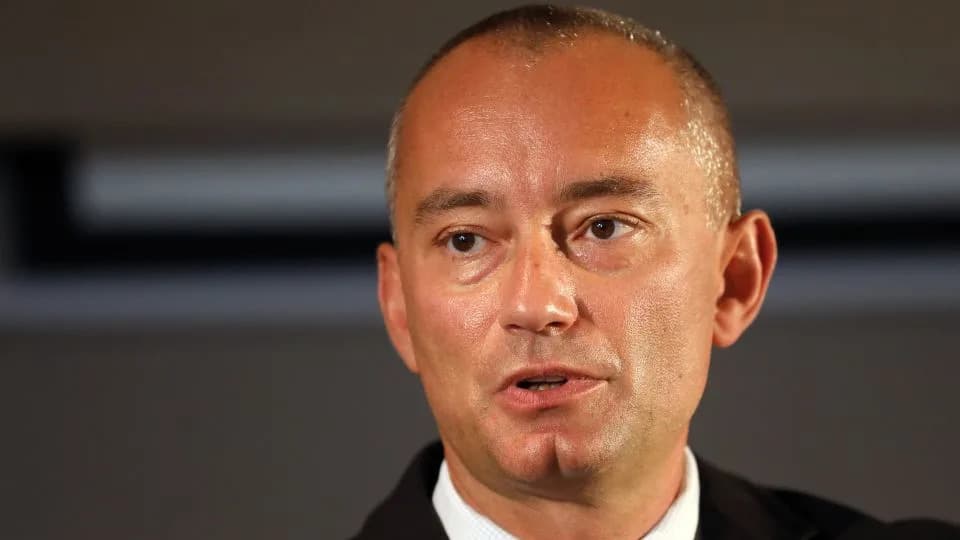
Nickolay Mladenov, then serving as United Nations Special Coordinator for the Middle East Peace Process, speaks during a press conference in Jerusalem on June 25, 2020. - Menahem Kahana/AFP/Getty Images
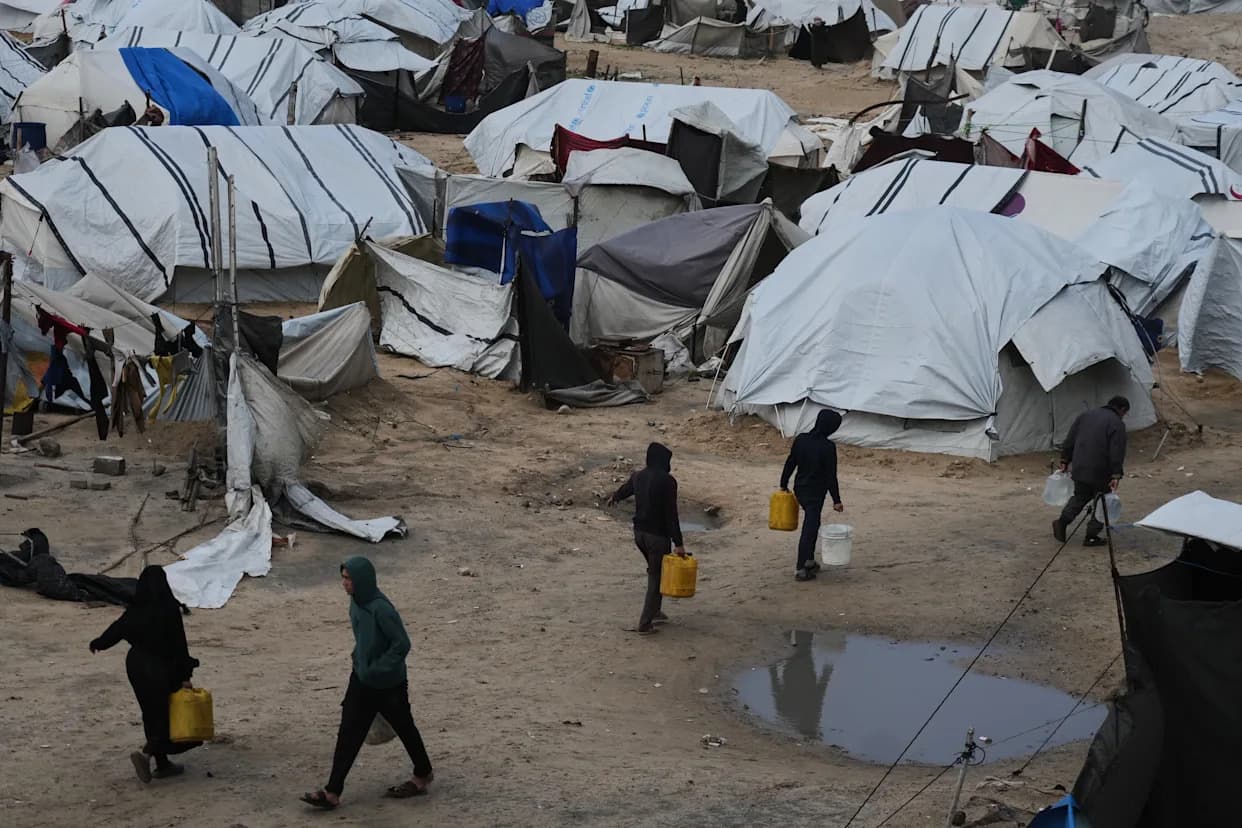
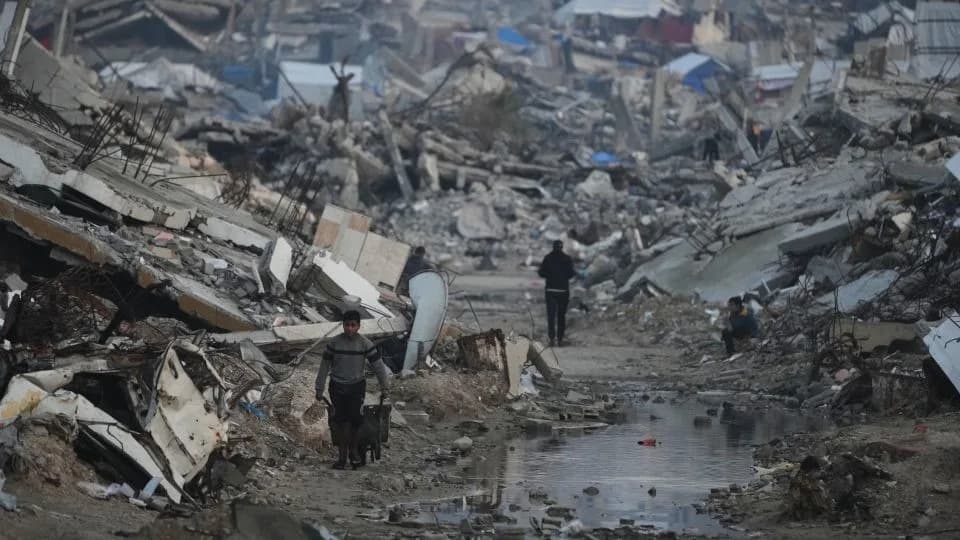
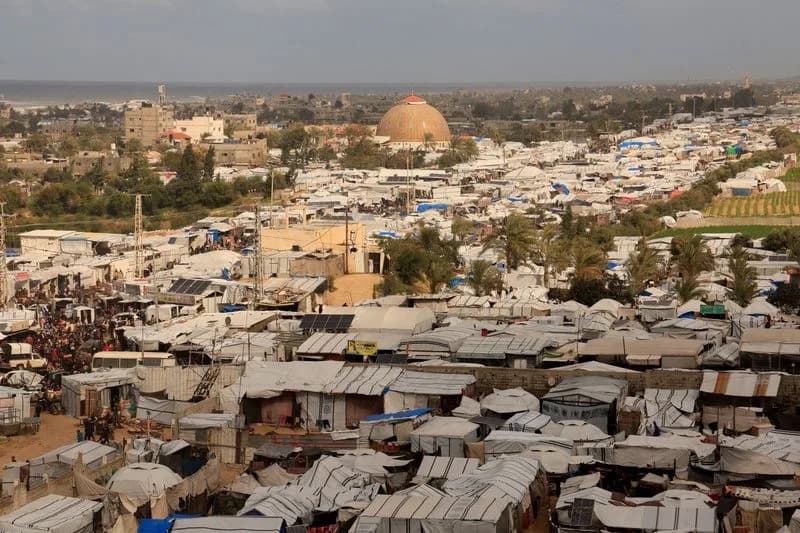
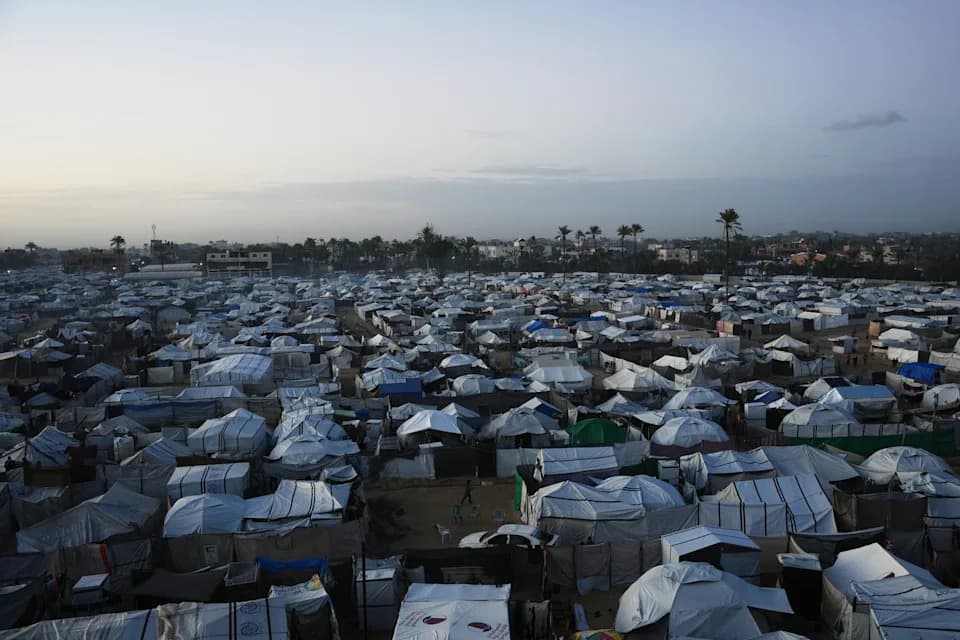
Nickolay Mladenov, a seasoned Bulgarian diplomat, has been appointed High Representative for Gaza with responsibility for translating a US‑brokered, 20‑point ceasefire framework into an operational plan to rebuild Gaza, disarm Hamas, and help govern nearly two million people.
Mladenov’s appointment places him at the center of a delicate political architecture: he is to be the principal link between a White House‑backed “Board of Peace” and a Palestinian technocratic committee charged with administering the devastated enclave. For any program to succeed, it must be acceptable to Israeli leaders, Palestinian authorities and factions, and key international stakeholders.
Background And Track Record
A veteran public servant, Mladenov served as Bulgaria’s defense minister at 37 and later as foreign minister. He was a member of the European Parliament and served as the UN’s Special Representative for Iraq before taking up the role of UN Special Coordinator for the Middle East Peace Process in Jerusalem in 2015. Colleagues and regional officials credit him with quiet, results‑oriented diplomacy and an ability to build working relationships across political divides.
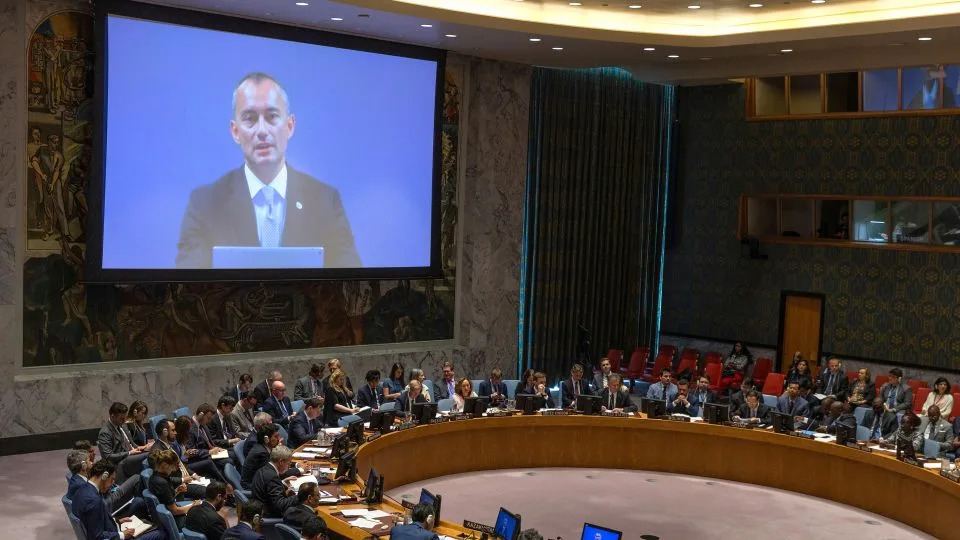
Nickolay Mladenov speaks via video-link during a UN Security Council meeting on the Israeli-Palestinian conflict in July 2018, at the UN headquarters in New York. - Lev Radin/Shutterstock
“Everyone likes Mladenov — not only in Israel but across the Middle East. He’s managed to earn the full trust of all sides, which is extremely rare,” a senior Israeli official told CNN.
Supporters And Critics
Supporters praise Mladenov’s pragmatism and his willingness to engage directly with diverse actors. Former US Ambassador Dan Shapiro said Mladenov is “results‑oriented” and unafraid to reach out to difficult interlocutors.
But his record is contested. Palestinian analysts and some diplomats say Mladenov sometimes appeared to side with Israeli priorities and did not always devote equivalent energy to the Palestinian Authority (PA). Xavier Abu Eid, who advised the PLO’s Negotiations Affairs Department, praised Mladenov’s professionalism but said he tended to emphasize Israel’s image over Palestinian human rights concerns: “He cared about Palestinians, but he cared more about Israelis,” Abu Eid told CNN.
Those concerns are amplified by the political realities in Ramallah: the PA fears a new interim authority in Gaza could create competing centers of power and further fragment Palestinian leadership. Former PA Prime Minister Mohammad Shtayyeh warned that two interim authorities — the PA in the West Bank and the new Gaza committee — must be linked if a two‑state outcome is to remain viable.
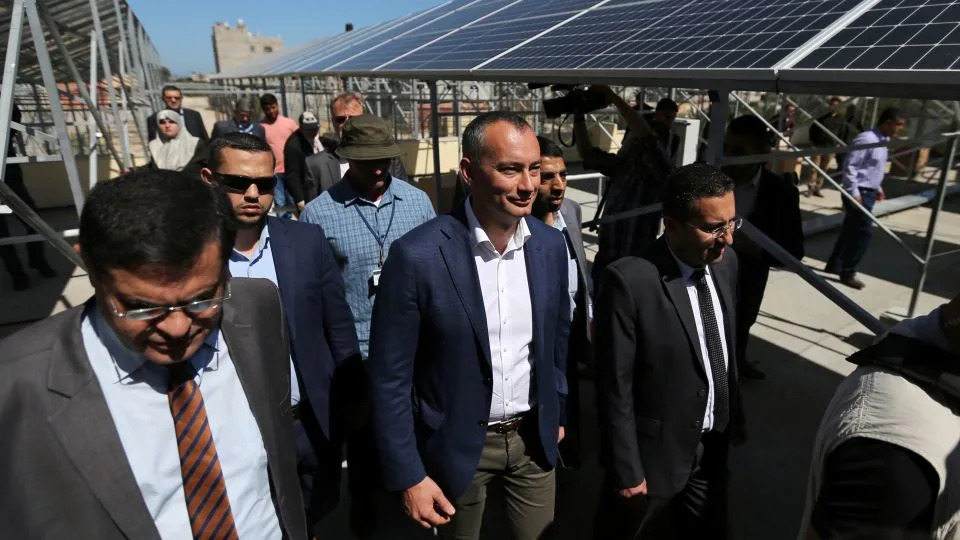
Nickolay Mladenov, center, then-UN Special Coordinator for the Middle East Peace Process, visits a solar energy project at Nasser hospital in the southern Gaza Strip on May 13, 2019. - Ibraheem Abu Mustafa/Reuters
Practical Challenges Ahead
Mladenov inherits immediate, concrete obstacles. Three months after the ceasefire took effect, Hamas had not disarmed — blocking the deployment of an international security force — and uncertainties persist over the extent of Israel’s further withdrawal from the Gaza Strip. Mladenov must also operationalize reconstruction plans, ensure basic services, and oversee a sensitive transition from nearly two decades of Hamas rule to the Palestinian technocratic committee he will coordinate.
The White House announced a Board of Peace that reportedly includes high‑profile figures such as Senator Marco Rubio, developer Steve Witkoff identified as a special envoy by some reports, Jared Kushner, and former UK Prime Minister Tony Blair. The exact roles and authority of board members vary, and many of the initiative’s operational details remain to be clarified.
Questions about Mladenov’s recent roles — including his work as director‑general of the Anwar Gargash Diplomatic Academy in the United Arab Emirates and his support for the Abraham Accords — also shape Palestinian perceptions. Critics say the Accords, which normalized ties between Israel and several Arab states, sidestepped Palestinian statehood and eroded leverage for Palestinian demands; supporters counter that they reflect a pragmatic effort to reshape regional dynamics.
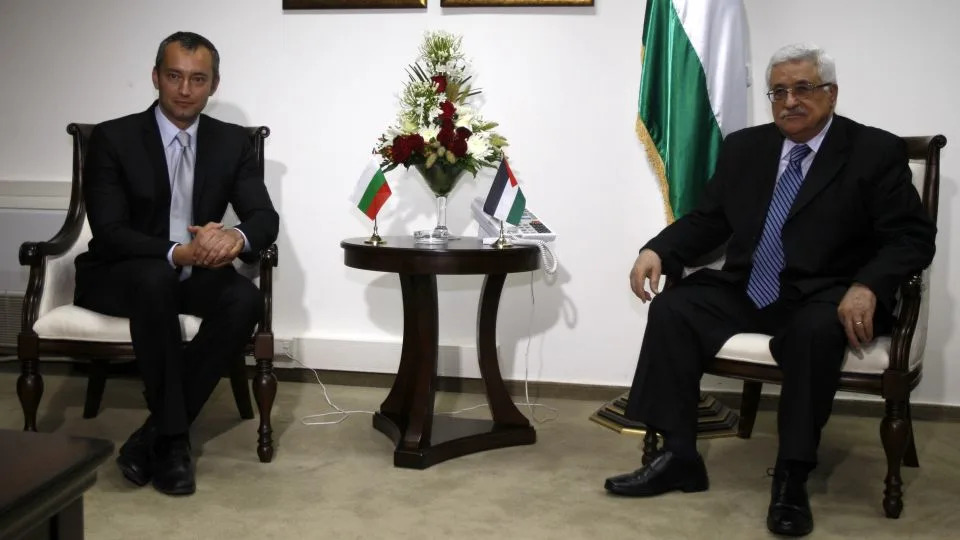
Palestinian President Mahmoud Abbas, right, meets then-Bulgarian Foreign Minister Nickolay Mladenov in the West Bank city of Ramallah in June 2011. - Mohamad Torokman/Reuters
Outlook
Observers across the region say Mladenov’s personal skills — relationship building, discreet shuttle diplomacy and an emphasis on practical results — are assets. But they caution that personal credibility alone will not overcome political obstacles: the success of this compact depends on clear mandates, sufficient resources, cooperation among Israel, Palestinian factions and the PA, and decisive international backing.
As colleagues note, failing in this role would likely not be for lack of effort. Still, the task ahead is one of the most complex in recent Middle East diplomacy: converting a high‑level ceasefire framework into sustainable governance and security on the ground.
Reporting contributions: Tal Shalev in Jerusalem and Ibrahim Dahman in Cairo.
Help us improve.