
Record global travel in 2025 brought economic benefits but also a wave of damaging behaviour: overtourism protests, viral stunts that endangered people and places, vandalism of art and monuments, and numerous unruly incidents on flights and in airports. Authorities and airlines responded with fines, policy changes and legal action. The year highlighted the need for more responsible travel and clearer rules to protect communities and cultural heritage.
The Worst-Behaved Travelers of 2025 — How Overtourism, Stunts and Disrespect Broke Destinations

Tourists walk past shops and restaurants up the hill leading to Kiyomizu-dera Temple in the city of Kyoto on January 13, 2025. - Paul Miller/AFP/Getty Images
Close to five billion people flew in 2025 — a record-breaking figure — while many more moved around the globe by train, boat and road. Most tourists behaved and boosted local economies, but a string of high-profile incidents revealed how overtourism, social-media stunts and plain disrespect damaged communities, cultural heritage and safety.
What Went Wrong in 2025
Overtourism and local pushback. Crowded streets, overwhelmed infrastructure and rising living costs prompted protests in multiple regions. In Europe, anti-mass-tourism demonstrations flared in Spain and Italy (in Barcelona locals even used water pistols). Asian hotspots such as Bali, Kyoto and Phuket repeatedly reported overcrowding that harmed residents’ quality of life. In Peru, transport disputes left thousands stranded near Machu Picchu. In Nigeria, economic strain and opportunistic profiteering threatened festivities such as Detty December.
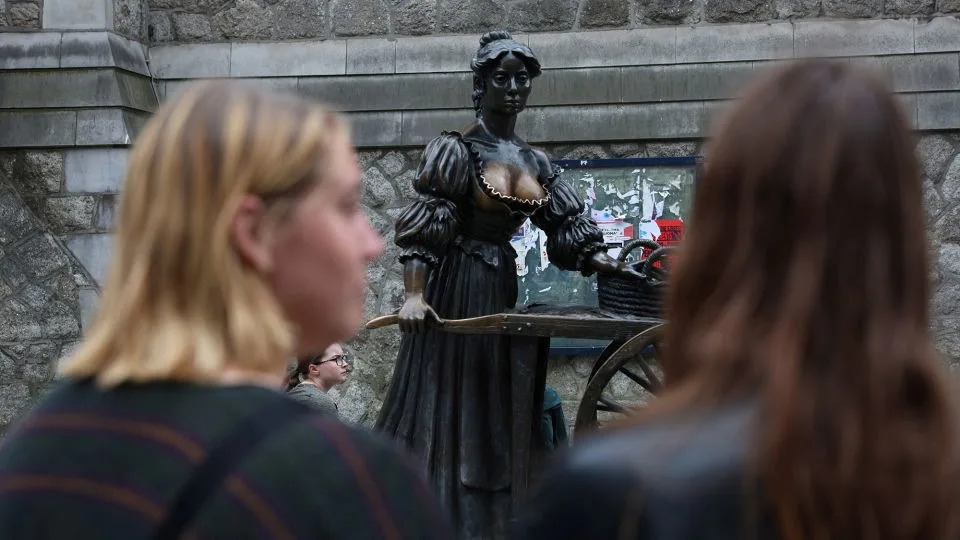
The Molly Malone statue has stood in Dublin city center since 1988, but the practice of rubbing her breasts is a 21st-century phenomenon. - Cathal McNaughton/Reuters
Dangerous and thoughtless social-media trends
Several viral trends prioritized clout over safety. The “airport theory” encouraged reckless sprints through terminals trying to get from car park to gate in 15 minutes. Copycat “twirl” videos spread across airports, and a hazardous TikTok travel hack urged looping seatbelts around ankles — a practice experts warned could be unsafe. Influencers also led mass, ill-prepared visits to fragile areas, including ski resorts and conflict zones.
Damage to heritage and wildlife
Tourists caused physical damage and cultural harm: people dove into Venice’s Grand Canal and Rome’s Trevi Fountain, cars became lodged on the Spanish Steps, and artwork was injured in Verona and Florence. Statue-groping — for perceived “good luck” — continued in Dublin and Verona, wearing away patina and drawing widespread condemnation. Wildlife incidents included an influencer removing a baby wombat from its mother in Australia and other illegal interactions with animals.
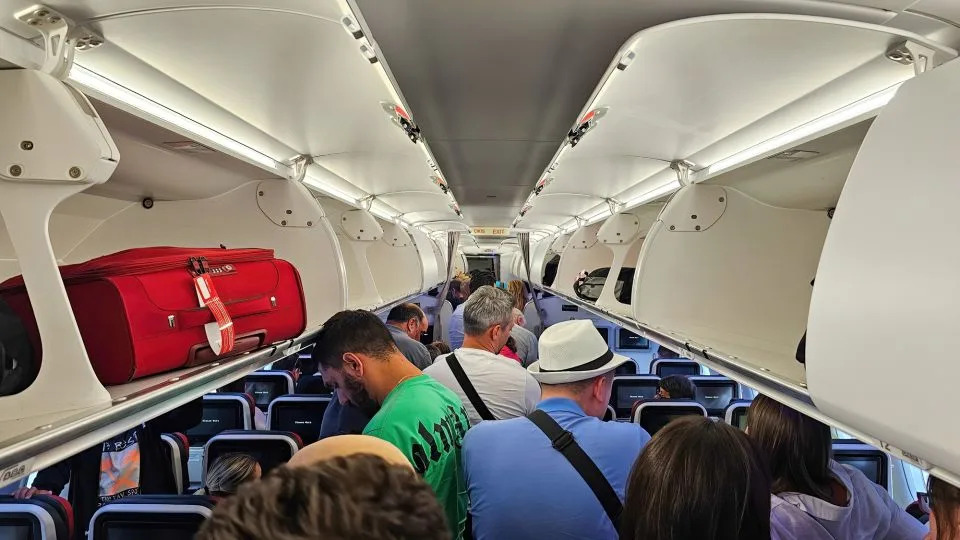
Turkey decided to crack down on plane passengers standing up too early after landing. - CanY71/iStock Editorial/Getty Images
Airline and airport incidents
Unruly behaviour on flights remained a major problem: passengers were arrested for opening emergency exits, assaulting crew and other travellers, clogging toilets with clothing and supplies, or forcing flight diversions. Ryanair sued a disruptive passenger for $15,000 after a diversion; Spirit Airlines updated its contract of carriage to deny boarding for “inadequately clothed” or offensive attire; and other carriers trialed novel policies to manage in-flight etiquette.
Bizarre and criminal acts
Some episodes were simply strange or criminal: a man attempted to steal cobblestones from Bruges’ medieval streets; a tourist tried to carry a 30 kg marble column base as a “souvenir”; an Australian was charged after smashing the protective case of Scotland’s Stone of Destiny; and in one report a man was found concealing a live turtle in his clothing while passing airport security.
Responses and Enforcement
Authorities and businesses introduced fines, restrictions and legal actions to deter bad behaviour: local governments banned or penalised indecent dress on beaches, train stations fined loudspeaker users, airports and airlines adjusted contracts and boarding rules, and some destinations experimented with paid access or turnstiles at fragile viewpoints.
Resolutions for Travelers in 2026
- Respect limits: Follow local rules, observe access restrictions and avoid overcrowded sites during peak times.
- Think before you post: Don’t perform dangerous stunts for social media; consider safety, legality and local impact.
- Protect heritage: Don’t touch, climb, or remove historic objects; photographing responsibly matters.
- Travel ethically: Avoid wildlife interactions, respect indigenous peoples and heed travel advisories.
- Be considerate on planes and public transport: Use headphones, follow crew instructions and avoid disruptive behaviour.
These examples from 2025 underscore that the freedom to travel carries responsibilities. Better behaviour — by visitors, influencers, industry and policymakers — can help protect destinations, residents and fellow travellers in 2026 and beyond.


