Reviewing 30 studies and testing about 400 coffee cups, researchers found that common plastics (PE, PET, PP, PS) shed significantly more microplastics as temperature rises. PE cups released about 32.7% more particles when warmed from 5°C to 60°C, while PE-coated paper cups shed fewer. The study suggests simple swaps, like using PE-coated paper cups or reusable non-plastic mugs for hot drinks, to reduce exposure.
This Simple Coffee Swap Could Cut Your Microplastic Exposure
The simple coffee choice that could reduce your exposure to microplastics
New research shows hot foods and beverages can make plastic containers shed far more microplastics, and it suggests straightforward ways to reduce exposure.
What the study looked at: The authors reviewed 30 published studies and ran an experimental case study comparing polyethylene (PE) cups with PE-coated paper cups across different temperatures. They also tested roughly 400 coffee cups to compare real-world shedding.
Key findings
Products made from common polymers such as polyethylene (PE), polyethylene terephthalate (PET), polypropylene (PP) and polystyrene (PS) released significantly more microplastic particles as temperature increased. Depending on material and study design, hot foods and drinks may trigger release from hundreds to over eight million particles per litre, according to the paper published in the Journal of Hazardous Materials: Plastics.
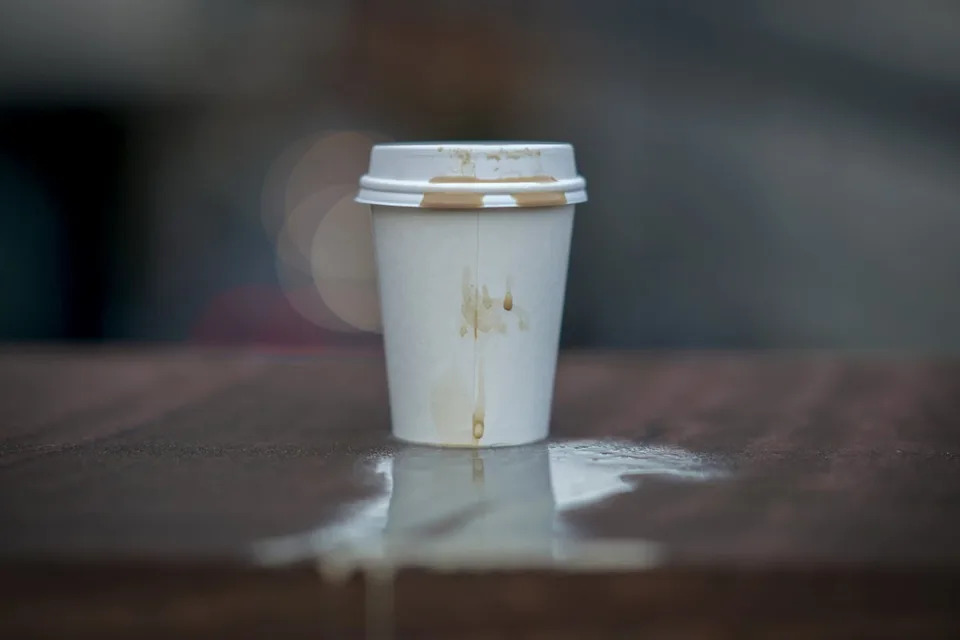
Disposable coffee cup pictured in Manchester, England (Getty Images)
In the cup tests, PE-coated paper cups liberated fewer microplastic particles than solid PE plastic cups at both about 5°C (iced drinks) and 60°C (hot drinks). Specifically, microplastic release from all-PE cups rose by about 32.7% when liquid temperature increased from 5°C to 60°C. High-resolution microscopy showed PE cups had rougher surfaces, which likely makes them more prone to shedding when heated.
Study author Xiangyu Liu noted that heat is a primary driver of microplastic release and that temperature-induced degradation of rougher polymer surfaces is a key mechanism.
Practical implications
One illustrative estimate from the study: if someone drinks 300 millilitres of coffee per day from a polyethylene cup, they could ingest roughly 363,000 microplastic particles in a year. While the health effects of chronic microplastic ingestion are still being researched, prior studies raise concerns about hormonal disruption, metabolic and respiratory issues, reproductive effects, and possible links to certain cancers.
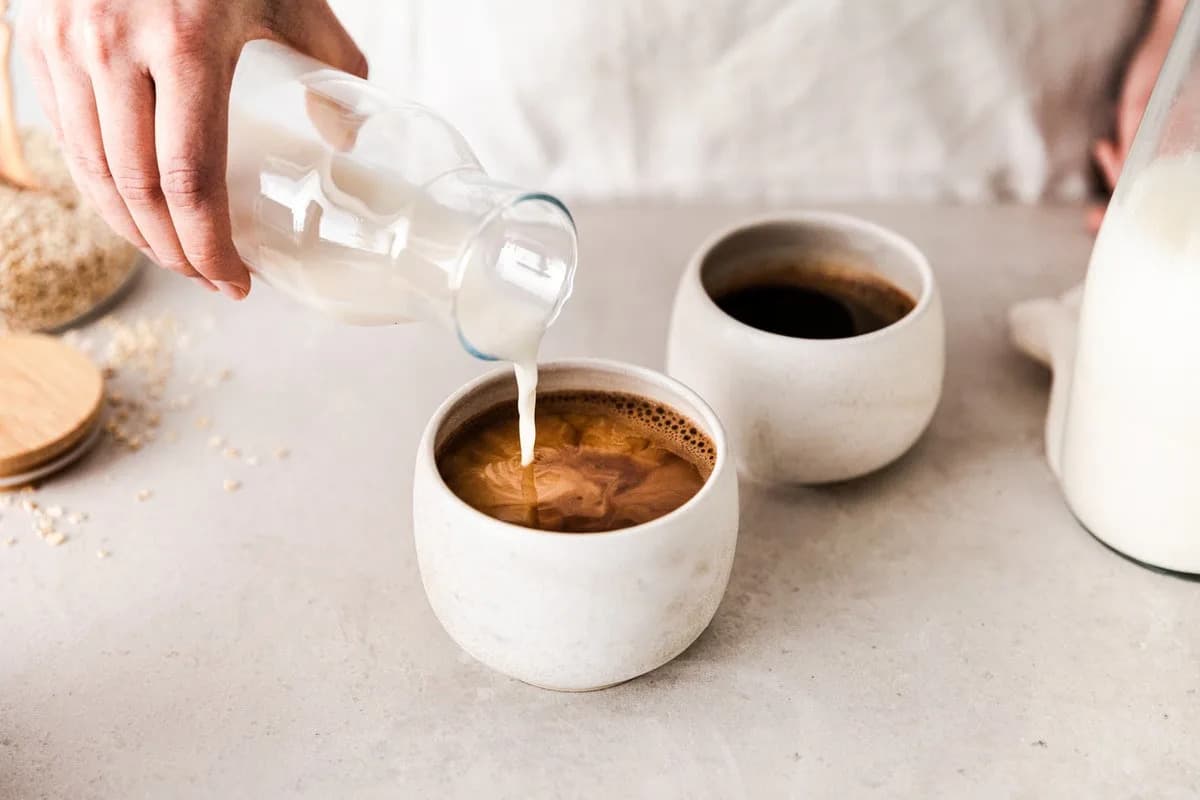
Simple ways to reduce exposure include choosing PE-coated paper cups over all-plastic PE cups for hot drinks, using reusable cups made of safer materials (ceramic, stainless steel, glass) for hot beverages, avoiding prolonged storage of hot foods or drinks in plastic containers, and minimizing direct contact between very hot liquids and disposable plastics.
The authors say these findings can guide consumer choices and inform future regulations to make packaging safer.
Help us improve.