The latest research finds that disposable cups can release substantial numbers of microplastic particles when filled with hot liquids. A meta-analysis of 30 studies and lab tests on 400 cups showed releases ranging from a few hundred to over eight million particles per liter and estimated roughly 363,000 particles per year from daily hot coffee in all-plastic cups. Measurement challenges and possible contamination mean health effects remain uncertain, but researchers advise using stainless steel, glass or ceramic reusables and avoiding pouring boiling liquids into plastic-lined disposables.
Hot Coffee Can Release Millions Of Microplastics From Disposable Cups, New Study Warns
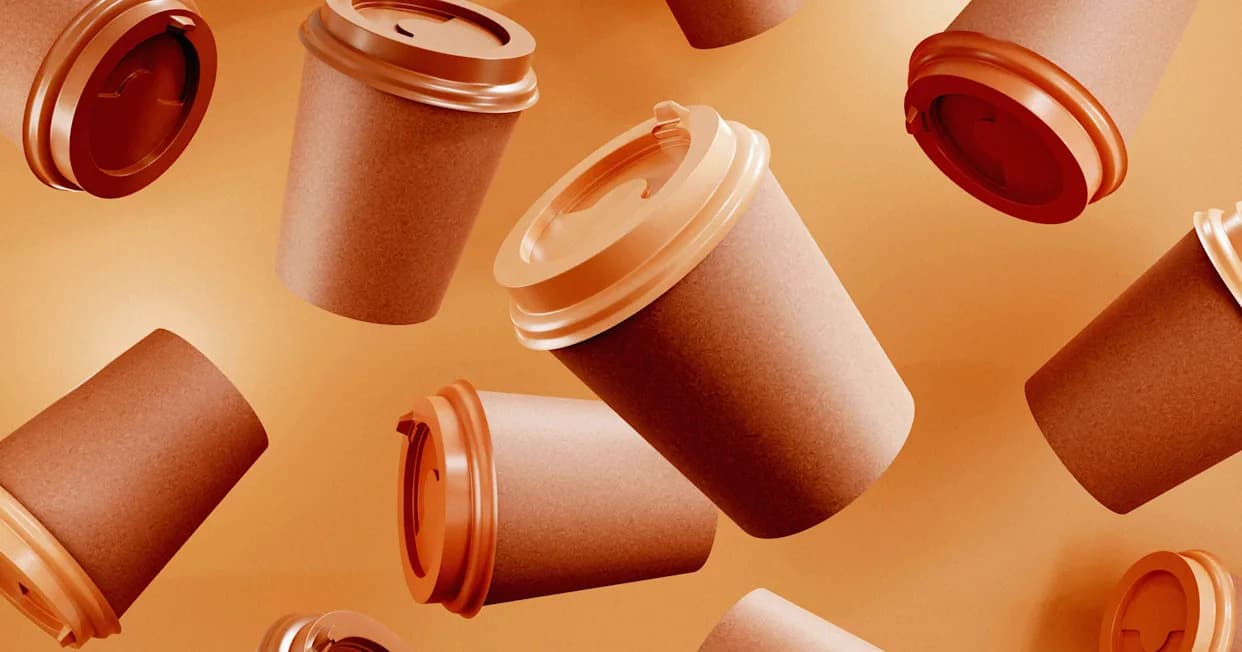
Researchers found that common containers, including disposable coffee cups, could be releasing vast amounts of microplastics as they heat up.
A new study from Griffith University adds to growing evidence that disposable beverage containers can shed microplastics when warmed by hot drinks. Microplastics—fragments roughly 1 micrometer to 5 millimeters in size—have been detected widely in the environment and, in some studies, inside human tissues. This research shows that temperature is a major driver of microplastic release from common cups.
What the Researchers Did
The team, led by research fellow Xiangyu Liu, began with a meta-analysis of 30 peer-reviewed studies and found reported release levels that varied dramatically—from a few hundred particles per liter to more than eight million particles per liter—depending on cup material and methods. They then ran experiments on 400 coffee cups, exposing them to liquids across a temperature range from iced (41°F) to hot (140°F).
Results showed a clear trend: higher initial liquid temperatures produced more microplastic particles. Leaving a drink to sit for hours had a much smaller effect than the temperature at the moment the liquid first contacted the cup. Across temperatures, paper cups with plastic liners released fewer microplastics than fully plastic cups.
Key Quantitative Findings
From their measurements the authors estimated that consuming about ten ounces of hot coffee daily from all-plastic cups could result in an annual intake on the order of 363,000 microplastic particles. Reported release ranges in the literature remain wide, reflecting differences in materials, testing protocols and particle-detection methods.
Limitations And Health Context
Experts caution against assuming a direct health threat based on particle counts alone. Detecting and quantifying microplastics in human tissues is technically challenging, and recent investigations have raised concerns that some reported detections might reflect contamination during sampling or analysis.
Roger Kuhlman, chemist: This is forcing us to reevaluate what we think we know about microplastics in the body; many claims lack robust evidence.
The studies do not yet establish how long microplastics persist in the human body, what fraction of ingested particles translocate into tissues, or what health effects (if any) result from typical exposures. The authors and independent scientists call for standardized testing methods and more research on health outcomes.
Practical Advice
Liu recommends sensible, low-cost precautions while science catches up: use reusable cups made of stainless steel, glass or ceramic for hot beverages, since those materials do not shed microplastics; avoid pouring boiling liquids directly into plastic-lined containers; and, when possible, prefer nonplastic materials for hot drinks. If a disposable cup is unavoidable, the study suggests that plastic-lined paper cups generally shed fewer particles than cups made entirely of plastic, though neither is free of microplastics.
Xiangyu Liu: By understanding how heat and material choice interact, we can design better products and make better choices for our daily caffeine fix.
Until measurement methods and toxicology data improve, these findings are best seen as a warning sign and an invitation to reduce avoidable exposure—particularly for people who consume hot beverages frequently in single-use plastic containers.
Help us improve.