A randomized trial of 85 adults found that fMRI neurofeedback training aimed at increasing activity in the brain's mesolimbic reward circuit (including the VTA) was associated with higher hepatitis B–specific antibody levels after vaccination. Participants who successfully activated the VTA and who anticipated positive events showed larger antibody increases, suggesting expectation-driven, placebo-like effects on immunity. The study measured immune markers but not clinical vaccine protection; the authors emphasize the small sample size and the need for replication before clinical application.
Positive Thinking May Boost Vaccine Antibody Levels — fMRI Trial Suggests a Link

Unrecognizable person holding yellow balloon
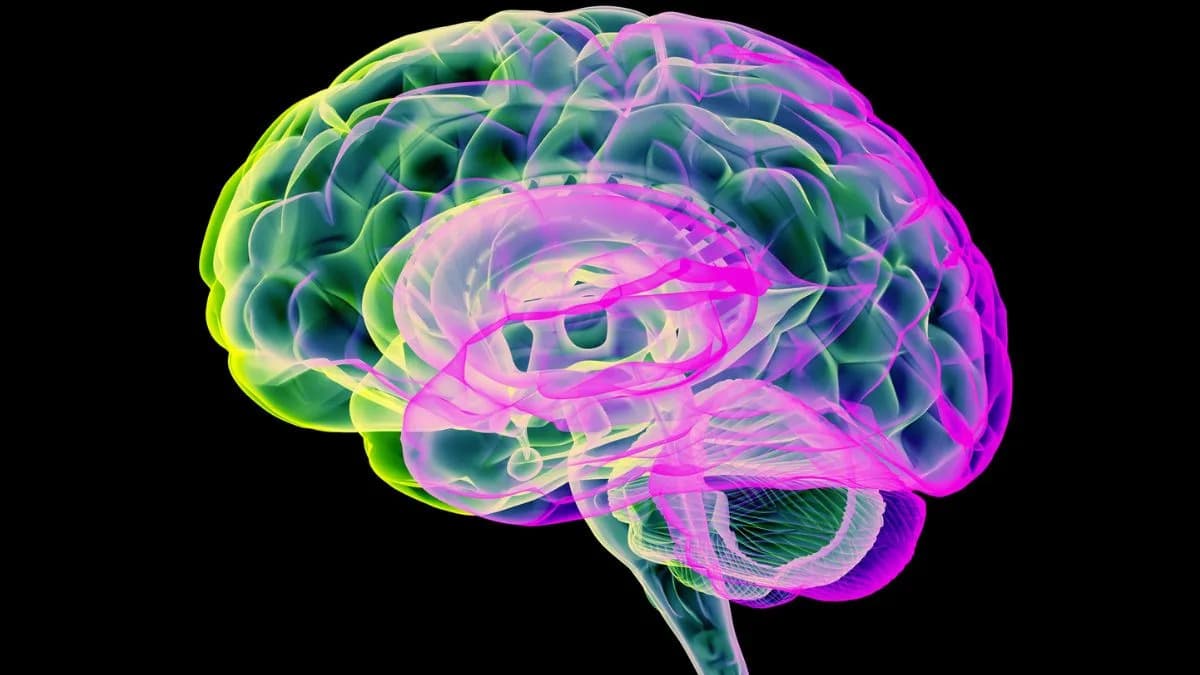
Could deliberately cultivating a positive mindset strengthen your immune response to a routine vaccine? A randomized controlled trial led by researchers at Tel Aviv University suggests it might: participants who learned to activate a reward-related brain circuit produced higher antibody levels after vaccination.
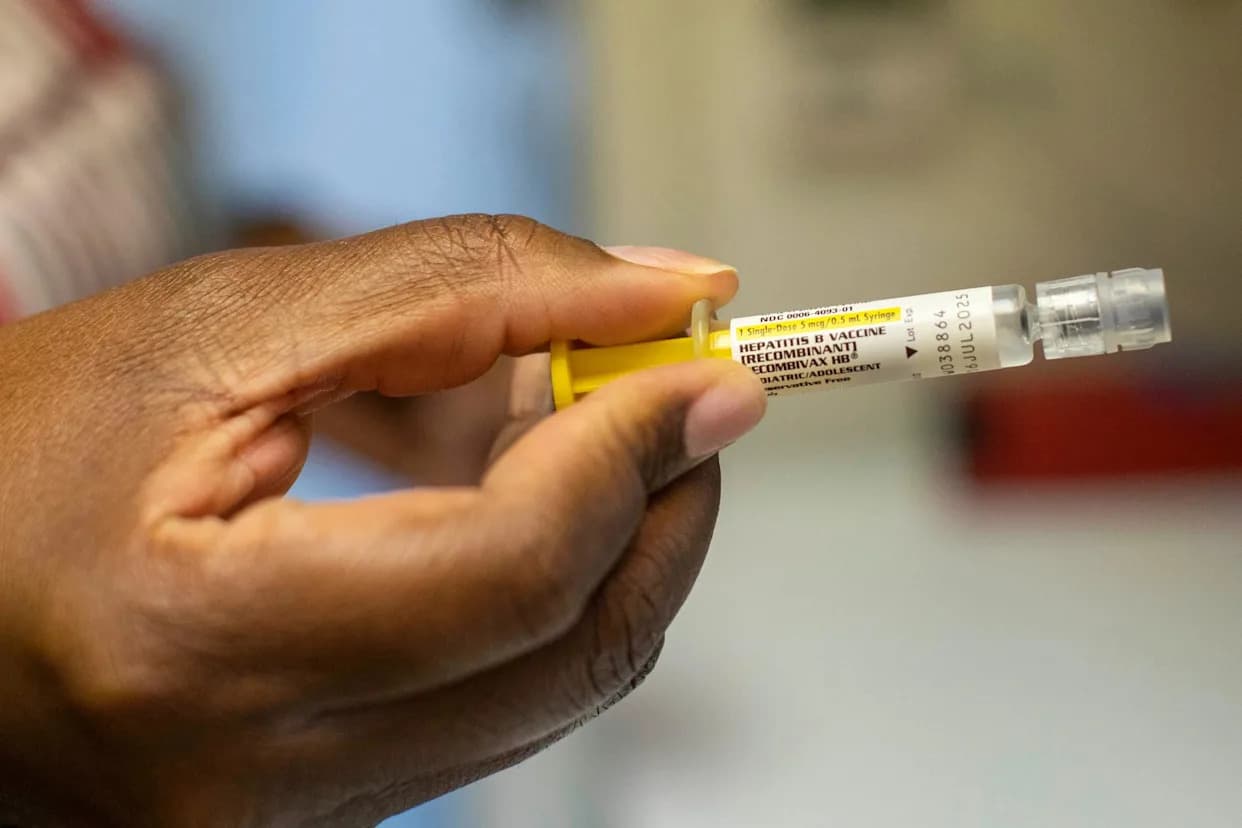
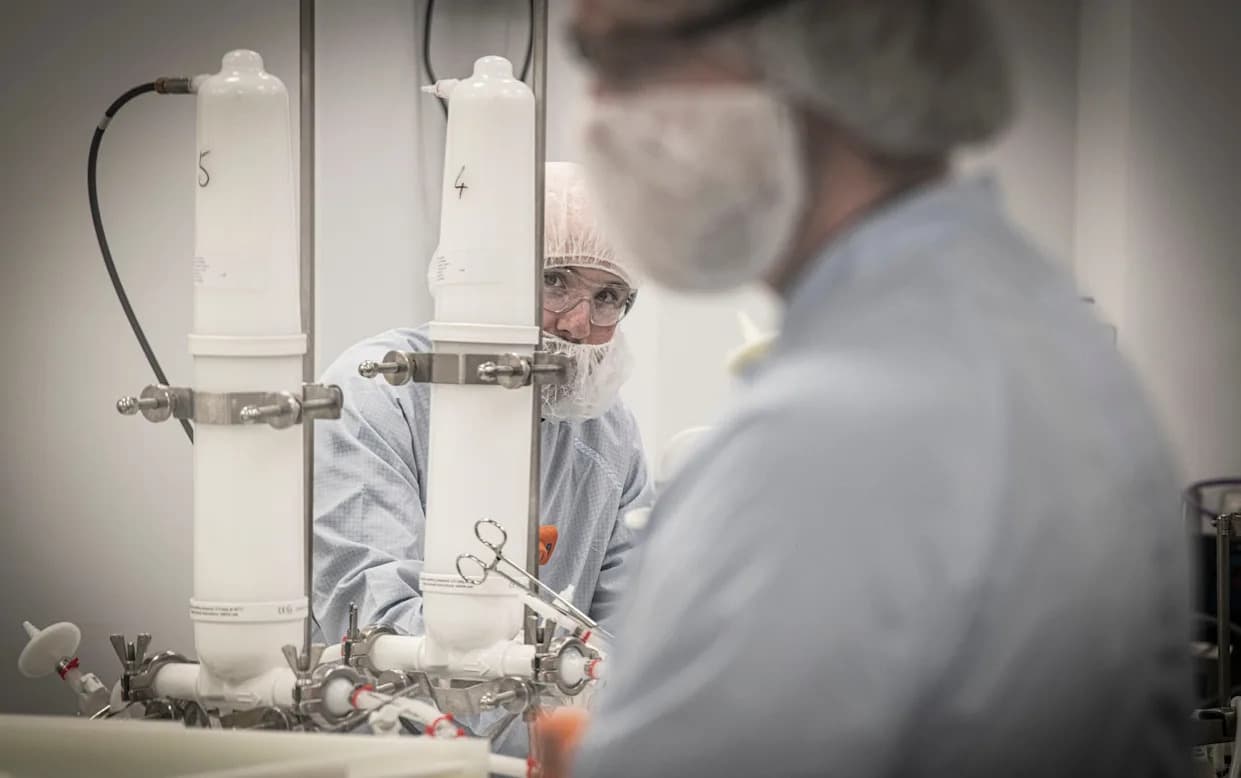
The study enrolled 85 adults and compared three groups: one trained with fMRI neurofeedback to increase activity in the brain's mesolimbic reward circuit (including the ventral tegmental area, VTA); a second group that received neurofeedback targeting unrelated brain regions; and a third group that did not receive neurofeedback. After three to four training sessions, all participants were given a hepatitis B virus (HBV) vaccine—a standard research tool for studying immune responses—and HBV-specific antibodies were measured at 14 and 28 days.
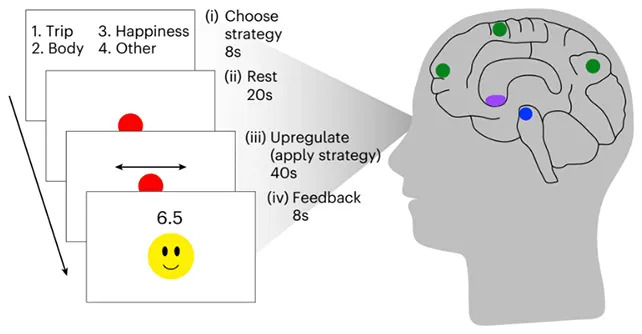
Some participants were trained in positive thinking. (Lubianiker et al.,Nat. Med., 2026)
Key finding: Participants who successfully increased VTA activity produced significantly higher HBV-specific antibody levels than those who did not, particularly when they reported anticipating positive events (for example, an upcoming holiday). The authors interpret this as evidence that consciously generated positive expectations can engage reward circuitry and influence immune function.
The researchers noted that these results point to a top-down brain-to-immune regulation mechanism, consistent with prior animal work.
Functional MRI neurofeedback works by giving real-time visual feedback of brain activity so participants can learn mental strategies to engage targeted regions. In this study, success in the reward-focused group was represented on-screen by a face becoming progressively happier; the control neurofeedback group performed tasks of similar effort but targeting nonreward regions.

Audition now for ScienceAlert's Casting Call
Important caveats: The trial measured antibody levels as an immune marker but did not test whether the vaccine provided greater clinical protection. The sample size (85 participants) is relatively small, and effects need replication in larger, diverse cohorts. The findings are preliminary but suggestive: they support further research into whether psychological interventions that boost expectations or engage dopamine-related pathways might complement medical treatments, with potential relevance to areas such as cancer immunotherapy and chronic inflammation.
The study was published in Nature Medicine and emphasizes cautious optimism: harnessing reward circuitry to modulate immunity is an intriguing possibility, but the authors and independent experts call for more research to confirm efficacy, establish mechanisms, and assess real-world benefit.
Help us improve.