Small human studies led by the University of New Mexico found that brief, rhythmic increases in inhaled CO2 (intermittent hypercapnia) temporarily boosted cerebrospinal fluid movement and markers of glymphatic clearance. Experiments included 63 older adults (30 with Parkinson's) and a smaller trial of 10 participants; both groups showed increased CSF flow and higher blood levels of brain-derived proteins after sessions. One participant had a notable rise in plasma amyloid-beta. The findings are preliminary and further research is needed to assess safety, durability and clinical benefit.
Short CO2 Pulses Temporarily Boost Brain Waste Clearance — Small Study Shows Promise for Parkinson’s Research
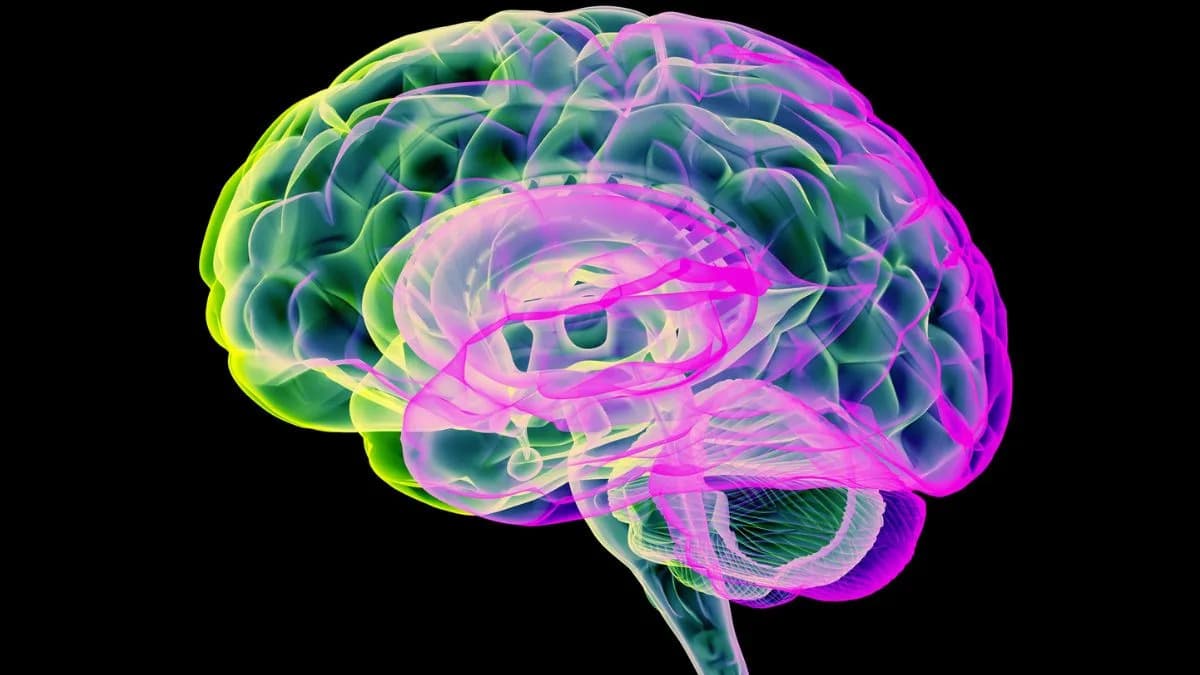
Carbon Dioxide 'Pulses' Clears Toxins From Parkinson's Brains in Recent Study
Researchers report that brief, rhythmic increases in inhaled carbon dioxide (CO2) can temporarily amplify the brain's waste-clearance pathways, suggesting a potential way to enhance removal of toxic proteins linked to neurodegenerative disease.
What The Study Did
The proof-of-concept work, led by neuroscientists at the University of New Mexico (UNM) and The Mind Research Network and published in NPJ Parkinson's, tested whether intermittent elevations in inhaled CO2 (intermittent hypercapnia) alter cerebrospinal fluid (CSF) movement and glymphatic flow in humans. The glymphatic system — sometimes described as the brain's "sewage" system — was identified in people only in the past decade and clears metabolic waste during sleep.
Experiments
In the primary experiment, 63 older adults (30 diagnosed with Parkinson's disease) underwent MRI-BOLD imaging while breathing cycles that briefly elevated CO2 for about 35 seconds, followed by normal air. In a smaller follow-up, 10 participants (5 with Parkinson's) completed three 10-minute intermittent-hypercapnia sessions; researchers measured blood markers approximately 45, 90 and 150 minutes after the sessions.
Key Findings
Both healthy volunteers and participants with Parkinson's showed measurable changes consistent with increased CSF movement and glymphatic clearance after intermittent hypercapnia. Concentrations of brain-derived peptides and proteins in blood rose after sessions, suggesting increased export of waste from the brain. Notably, one participant had detectable plasma amyloid-beta (a biomarker linked to Alzheimer's disease) that increased markedly after the CO2 sessions.

Audition now for ScienceAlert's Casting Call
"We brainstormed how we could boost this response," says neuropsychologist Sephira Ryman of UNM. "That is when we realized that we could reproduce, in the awake state, the glymphatic clearing response usually linked to deep sleep using intermittent CO2."
Possible Mechanism
Alternating CO2 levels are known to cause cerebral blood vessels to dilate and constrict. Researchers hypothesize that these vascular pulses may mechanically drive nearby CSF, helping push fluid through perivascular pathways that support glymphatic clearance.
Limitations And Cautions
These are early, small studies and several important questions remain unanswered. It is not yet known whether the observed increases in waste markers are sustained over time, whether repeated sessions would meaningfully slow or alter disease progression, or whether these changes are beneficial or could have unintended effects. The studies measured short-term responses; long-term safety and efficacy need larger, controlled trials.
Next Steps
Ryman and colleagues are exploring whether breath-focused practices (for example, yoga, tai chi and qigong) that change abdominal breathing and CO2 levels could produce similar effects on CSF dynamics. The team and others will need to test whether intermittent hypercapnia is safe and effective as a clinical intervention and whether it can modify disease outcomes.
Bottom line: Brief CO2 pulses appear to transiently increase CSF movement and release brain-derived proteins into blood in both healthy adults and people with Parkinson's, but larger studies are required to determine clinical value.
Help us improve.