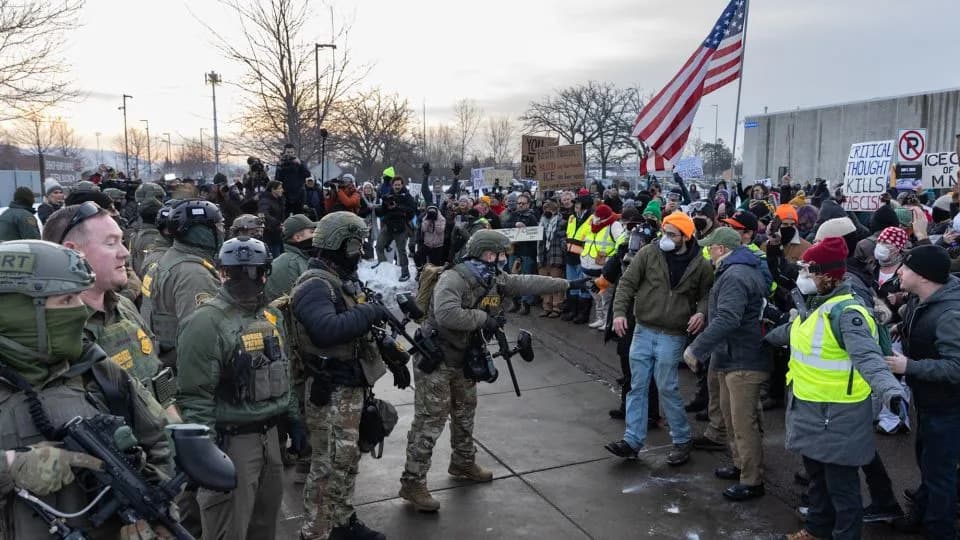
Vice President JD Vance told reporters a new senior Justice Department fraud post would be "run out of the White House" and report directly to him and President Trump. He said the role would carry "all the authority of a special counsel" and focus on alleged fraud in social insurance programs tied to controversy in Minnesota. Critics say the comment underscores a growing erosion of the firewall between the White House and Main Justice amid recent firings and partisan appointments.
JD Vance Says New DOJ Fraud Post Would Be “Run Out of the White House,” Raising Questions About DOJ Independence
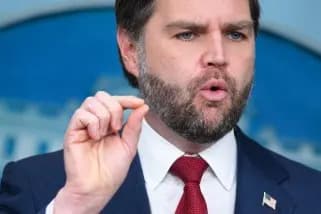
Vice President JD Vance told reporters that a proposed senior Justice Department position focused on fraud investigations would be "run out of the White House" and report directly to him and President Trump — a remark that reignited debate over political control of federal prosecutions.
Background: The exchange comes after Deputy Attorney General Todd Blanche told NBC News’ Meet the Press shortly before Christmas, "No, of course we’re not," when asked whether the Justice Department takes directions from the White House. Blanche, a former defense lawyer for Donald Trump, delivered the denial with visible incredulity.
"The Justice Department would create a high-ranking position with broad authority to investigate fraud across the country that would be 'run out of the White House' and answer directly to myself and President Trump," Vice President JD Vance said at a White House briefing.
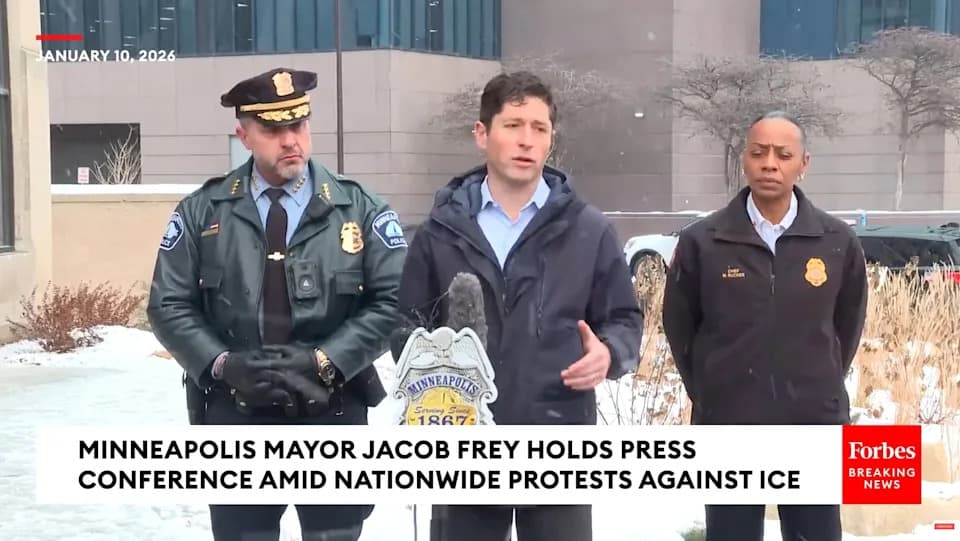
According to The New York Times, Vance described the new role as having "all the authority of a special counsel," dedicated to probing alleged fraud in social insurance programs — an initiative tied to controversy in Minnesota. He said the position would be coordinated from the White House and report straight to the vice president and president.
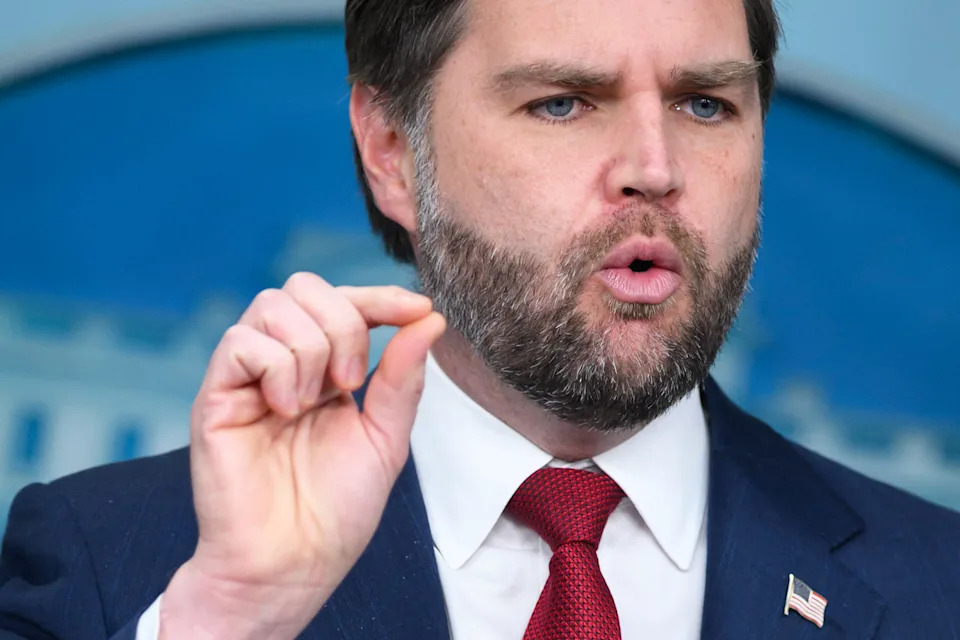
Vice President JD Vance on Jan. 8, 2026 during a press briefing in the Brady Briefing Room at the White House.(Mandel Ngan / AFP via Getty Images)
Why Critics Are Alarmed
For roughly half a century, an informal firewall has existed between the White House and "Main Justice" to protect the impartiality of federal law enforcement. Critics argue that Vance's comments are further evidence that this boundary is eroding. Over the past year, President Trump has removed prosecutors who resisted his directives, installed partisan loyalists in key Department of Justice posts, and reportedly pressed Attorney General Pam Bondi about investigations into perceived political opponents.
The Wall Street Journal summarized the shift by saying this is a Justice Department where the president, not the attorney general, "calls the shots." Vance's description of a White House-run fraud unit, critics say, would formalize direct political oversight of criminal investigations and could undermine public confidence in prosecutorial independence.
Possible Implications
If implemented as described, such an arrangement could blur lines that have traditionally separated political leadership from prosecutorial decision-making. Supporters argue a focused anti-fraud initiative could target misuse of social benefits; opponents warn it risks selective enforcement and politicization of investigations.
Bottom line: Vance’s remark — whether intended as literal policy or rhetorical emphasis — added new force to broader concerns about political influence over federal law enforcement and revived questions about how to preserve the Justice Department’s institutional independence.
Help us improve.