The Education Department’s Office for Civil Rights has sharply curtailed new sexual violence investigations following mass layoffs and policy shifts under the Trump administration. Since layoffs in March, OCR has opened fewer than 10 sexual-violence probes while facing a backlog of more than 25,000 cases and receiving over 1,000 sexual-violence complaints in 2024. Advocates say survivors now often must sue schools or abandon complaints as OCR’s capacity to investigate slows.
Education Department Opens Far Fewer Sexual Violence Investigations After Trump-Era Cuts
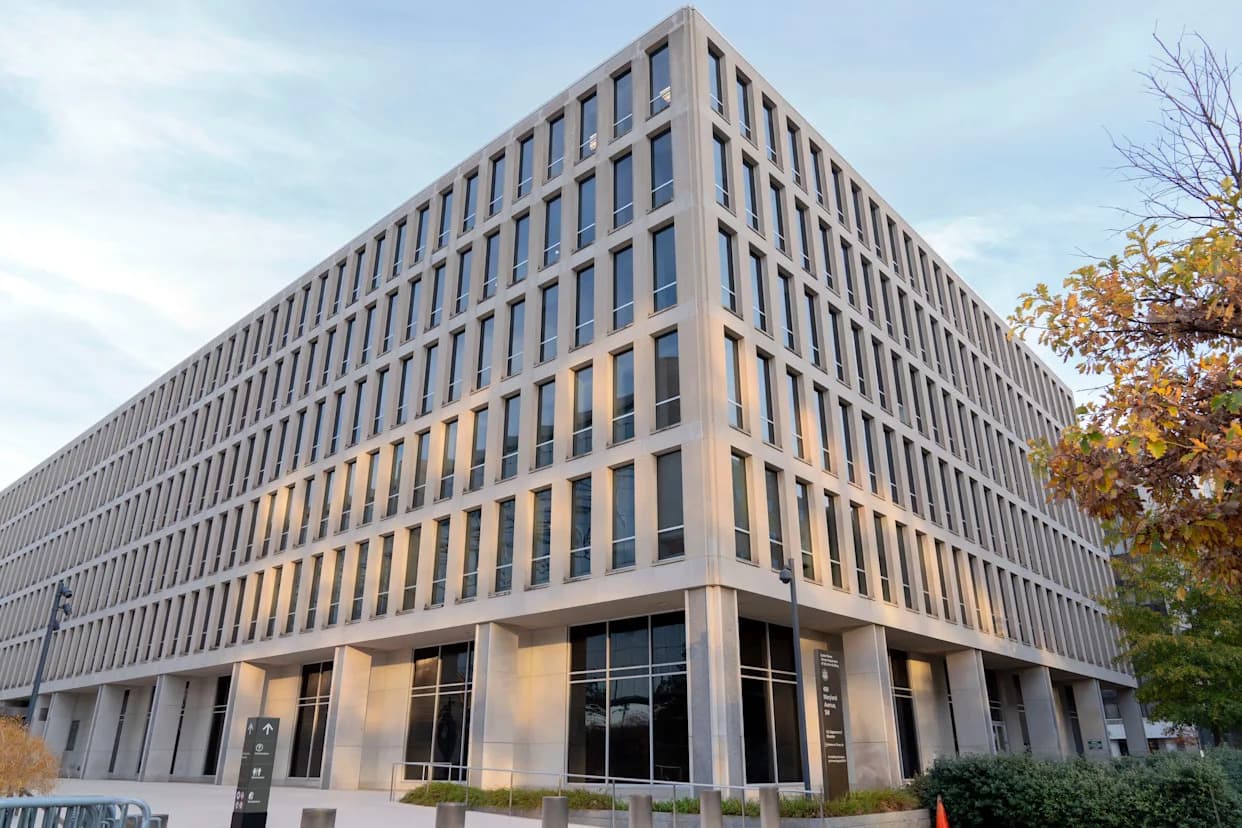
FILE - The U.S. Department of Education building is seen in Washington, on Nov. 18, 2024. (AP Photo/Jose Luis Magana, File)(ASSOCIATED PRESS)
The Education Department’s Office for Civil Rights (OCR), once a key federal enforcer in campus sexual violence cases, has sharply reduced the number of new investigations after staff cuts and policy shifts under the Trump administration. Internal data obtained by The Associated Press shows that since mass layoffs last March the office has opened fewer than 10 sexual violence investigations nationwide, while opening nearly 50 probes related to schools’ treatment of transgender students and athletes.
What Changed
OCR lost roughly half its lawyers after mass layoffs, leaving the office with far fewer investigators to handle complaints of discrimination based on race, sex or disability. Staffers say a backlog now exceeds 25,000 cases. Many law firms that once relied on OCR say they have largely stopped filing complaints because investigations take too long; instead, they increasingly sue schools directly.
Impact On Students
With federal oversight constrained, students who say their schools mishandled sexual violence complaints face two difficult options: file a lawsuit or abandon the claim. OCR is intended to provide a free alternative to litigation, and before the staff cuts it often opened dozens of sexual-violence probes each year. In 2024 the office recorded more than 1,000 complaints involving sexual violence or harassment, according to its annual report.
“It almost feels like you’re up against the void,” said Katie McKay, a lawyer at a New York firm that represents survivors. “How are we supposed to hold a school accountable once it has messed up?”
Examples And Enforcement History
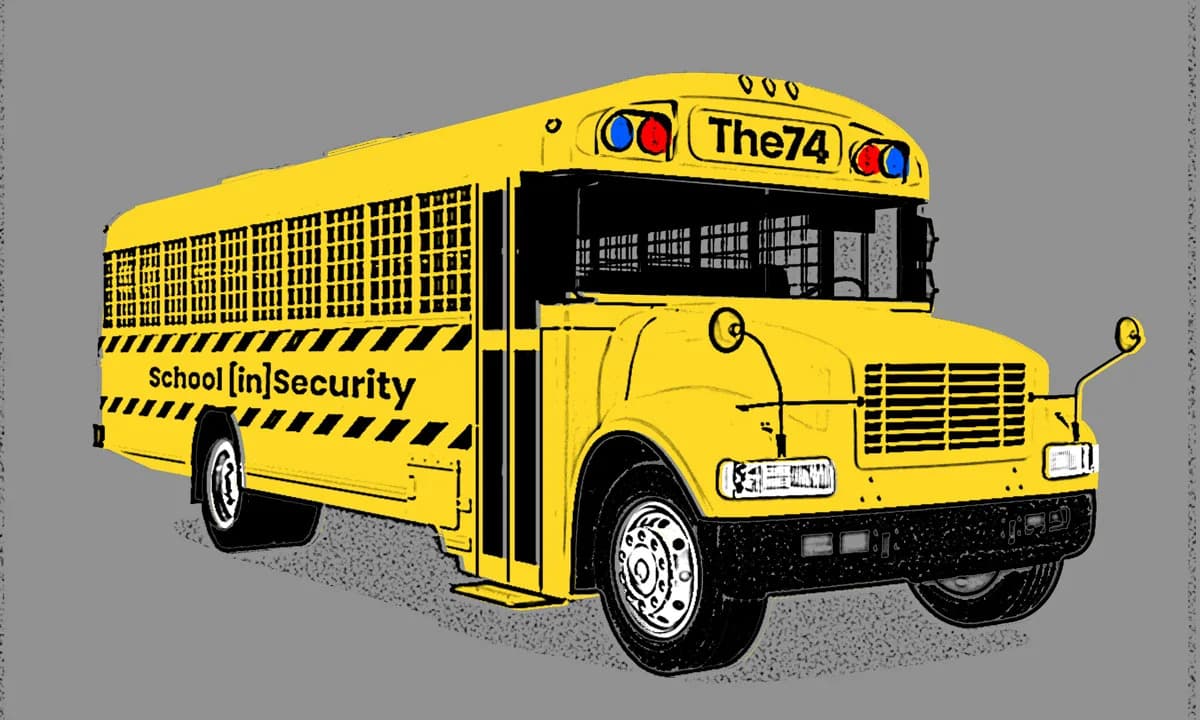
Federal oversight has produced concrete results in past cases. In 2024 OCR required a Pennsylvania district to designate a Title IX coordinator, review earlier complaints and consider compensation after a girl with a disability reported inappropriate touching by a bus driver who later continued to drive her route. That same year the office pressed a Montana district to revisit an episode that district officials initially treated as hazing when a boy was pinned down and assaulted after wrestling practice. OCR also ruled in favor of a University of Notre Dame student who said he was expelled without clear notice of charges or interviews with witnesses he identified.
Policy And Legal Context
Many of the cases now being handled are adjudicated under rules written during President Trump’s first term, which emphasized procedural protections for students accused of sexual misconduct. The current administration has defended policy changes and blamed previous administrations for regulatory shifts and backlogs. In December the Education Department acknowledged the backlog and said dozens of downsized workers would be brought back amid a legal challenge to the layoffs, a step that could ease delays for some complainants.
Outlook
Advocates warn that the reduction in OCR’s capacity threatens years of gains in addressing campus sexual violence. Some civil rights lawyers and survivors’ advocates say progress is being set back and that, without robust federal enforcement, accountability for schools — especially in complex sexual violence cases — may become harder to achieve.
Note: Figures cited are based on internal department data and public OCR reports referenced by The Associated Press.
Help us improve.