
Andrea Lucas, the Trump-appointed EEOC chair, posted a video urging white men who say they were harmed by DEI policies to file complaints that could allow them to "recover money under federal civil rights laws." Lucas told Reuters she intends to "shift to a conservative view of civil rights" and will target employer diversity programs next year. Critics say there is little evidence DEI systematically harms white men and warn the move echoes troubling historical white-supremacist rhetoric while risking damage to inclusion efforts.
EEOC Chair Andrea Lucas Urges White Men To File Claims Over DEI Policies — Critics Cite Lack Of Evidence And Troubling Historical Echoes

Andrea Lucas, the Trump-appointed chair of the Equal Employment Opportunity Commission (EEOC), posted a video last week encouraging white men who believe they were harmed by corporate diversity, equity and inclusion (DEI) programs to file complaints that could allow them to "recover money under federal civil rights laws." In a follow-up interview with Reuters, Lucas said she intends to "shift to a conservative view of civil rights" and signaled that the EEOC will scrutinize employer diversity policies in the coming year.
Immediate Reaction
Conservative figures — including J.D. Vance and Donald Trump Jr. — amplified Lucas’s message, portraying it as a corrective to alleged anti-white bias in workplace diversity efforts. Supporters say the move represents enforcement of federal anti-discrimination statutes on behalf of all workers.
Criticism And Context
Critics argue the push lacks supporting evidence and risks fueling politically motivated or legally weak claims. Analysts and civil-rights advocates note there is substantial research showing that white men have often benefited from workplace advancement and that many DEI programs aim to broaden opportunity rather than exclude any group. Observers also warn that a formal campaign against DEI could chill employer efforts to promote workplace inclusion and could harm a wide range of workers.
Political Landscape
The announcement comes amid broader Republican criticism of DEI initiatives and follows sustained attacks from some corners of the GOP. At the same time, hardline elements of the MAGA movement have sometimes criticized the Trump administration for immigration stances and other policies, illustrating fractures within conservative ranks. Figures such as Darren Beattie and Paul Ingrassia are cited by critics as emblematic of an administration that prioritizes white men in public roles.
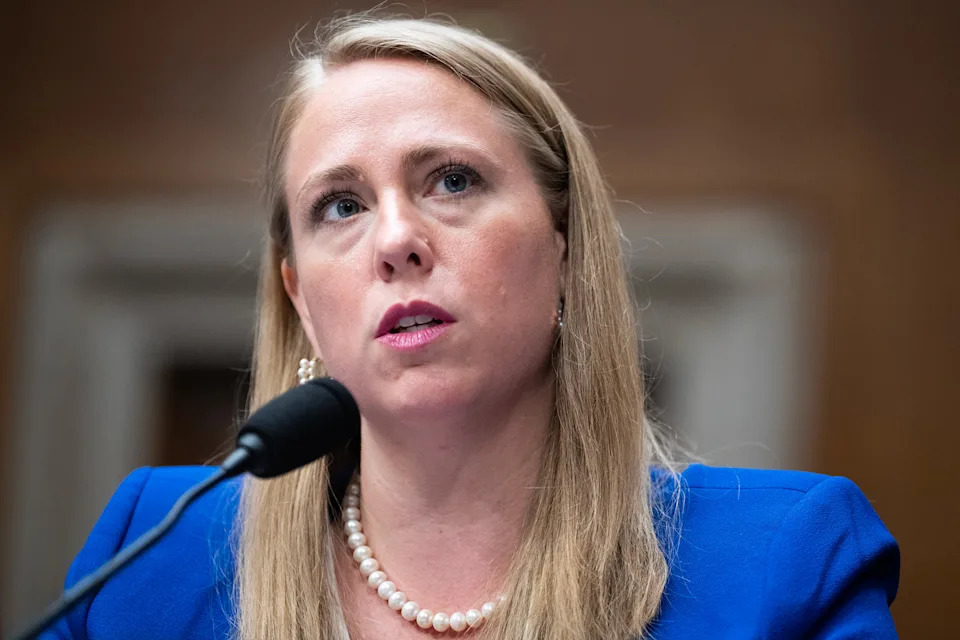
UNITED STATES - JUNE 18: Andrea Lucas, nominee to be a member of the Equal Employment Opportunity Commission, testifies during her Senate Health, Education, Labor and Pensions Committee confirmation hearing in Dirksen building on Wednesday, June 18, 2025. (Tom Williams/CQ-Roll Call, Inc via Getty Images)(Tom Williams / CQ-Roll Call, Inc via Getty Images)
Historical Parallels Raised By Critics
Several commentators have drawn uncomfortable historical comparisons between today's rhetoric and earlier episodes of American white-supremacist thought. They point to remarks by President Woodrow Wilson and to rhetoric from groups like the Ku Klux Klan as examples of how appeals to a beleaguered white male identity have been used in the past to justify exclusionary policies.
"It is God's purpose that the white man should preserve purity of blood and white supremacy in this country... A mongrel race and a mongrel civilization mean decay and ruin."
Those historical citations are presented by critics to explain why many view the EEOC action not simply as legal enforcement but as part of a broader political strategy to placate and prioritize a specific demographic group.
What Comes Next
Legal challenges and administrative actions are likely to follow. The EEOC could issue guidance, open investigations, or pursue enforcement actions against employers; at the same time, employers, civil-rights groups, and some legal experts may mount counterarguments or litigation defending DEI programs. Observers say the outcome will affect not only the legal landscape around workplace diversity but also broader debates over civil-rights enforcement in a conservative administration.
Reporting Note: This article synthesizes public statements, media interviews and commentary from researchers and critics. Where the article references criticism or historical comparisons, those points are attributed to observers and analysts rather than presented as uncontested fact.


