The Patriarchs and Heads of the Churches in Jerusalem warned that “Christian Zionism” and certain political allies are undermining the unity and future of Christianity in the Holy Land. They say foreign theological and political support can marginalize Palestinian Christians and empower settlement expansion. Church bodies also report Israeli measures—land confiscation, settlement pressure and tightened permit rules—are damaging communities and education, with at least 171 teachers and staff affected. Leaders are calling for urgent protection of Christian sites, schools and communities.
Jerusalem Church Leaders Warn 'Christian Zionism' and Political Allies Threaten Christianity in the Holy Land

A view of the Holy Family Church, which was damaged during the Israeli bombardment of the Gaza Strip, before the arrival of Palestinian Christians to celebrate Christmas Mass, in Gaza City, on December 24, 2025 [Omar Al-Qattaa/AFP]
Senior Christian leaders in Jerusalem have issued a public warning that outside ideologies and political alliances are threatening the unity and long-term survival of Christianity in the Holy Land. In a statement released on Saturday, the Patriarchs and Heads of the Churches in Jerusalem singled out “Christian Zionism” and certain political actors linked to Israel and beyond as sources of growing concern.
Church Leaders' Statement
“Recent activities by local actors promoting damaging ideologies, such as Christian Zionism, mislead the public, sow confusion, and harm the unity of our flock,” the patriarchs said, adding they were “deeply concerned” that these promoters have been welcomed at official levels both locally and internationally.
The leaders accuse some foreign and local supporters of advancing agendas that could marginalize Palestinian Christians and weaken the historic churches across Jerusalem, the West Bank and Gaza. They say these interventions risk undermining the presence of Christian communities across the wider Middle East.
Concerns About Foreign Influence and Theological Motivations
The statement highlights the role of a strand of evangelical Christianity—particularly in the United States—that provides political and financial support for Israel. Church officials say many Christian Zionists also embrace the “prosperity gospel,” a theology that links blessing Israel with personal and financial reward, and that donations and political backing associated with these beliefs can translate into support for settlement expansion.
Critics argue such support helps entrench the occupation, exerts pressure on church property, and sidelines Palestinian Christians within their own communities.
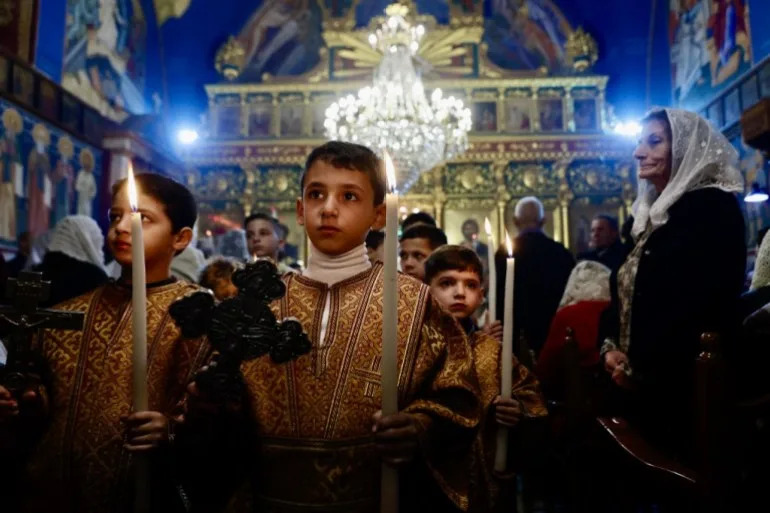
Altar boys carry candles as Christian worshippers attend a service at the Greek Orthodox Church of Saint Porphyrius in the Old City of Gaza City on January 7, 2026 [Omar Al-Qattaa/AFP]
Report Findings And Local Impacts
While the statement did not cite a single triggering incident, a recent Council of Patriarchs and Heads of Churches report warned of “threats to Christian heritage” in Jerusalem, the occupied West Bank and Gaza, and raised concerns about unjustified taxation and other pressures that threaten the survival of communities and church institutions.
Church representatives also say settler attacks, land confiscation and illegal settlement expansion are contributing to the erosion of one of the world’s oldest Christian communities.
Education And Permit Restrictions
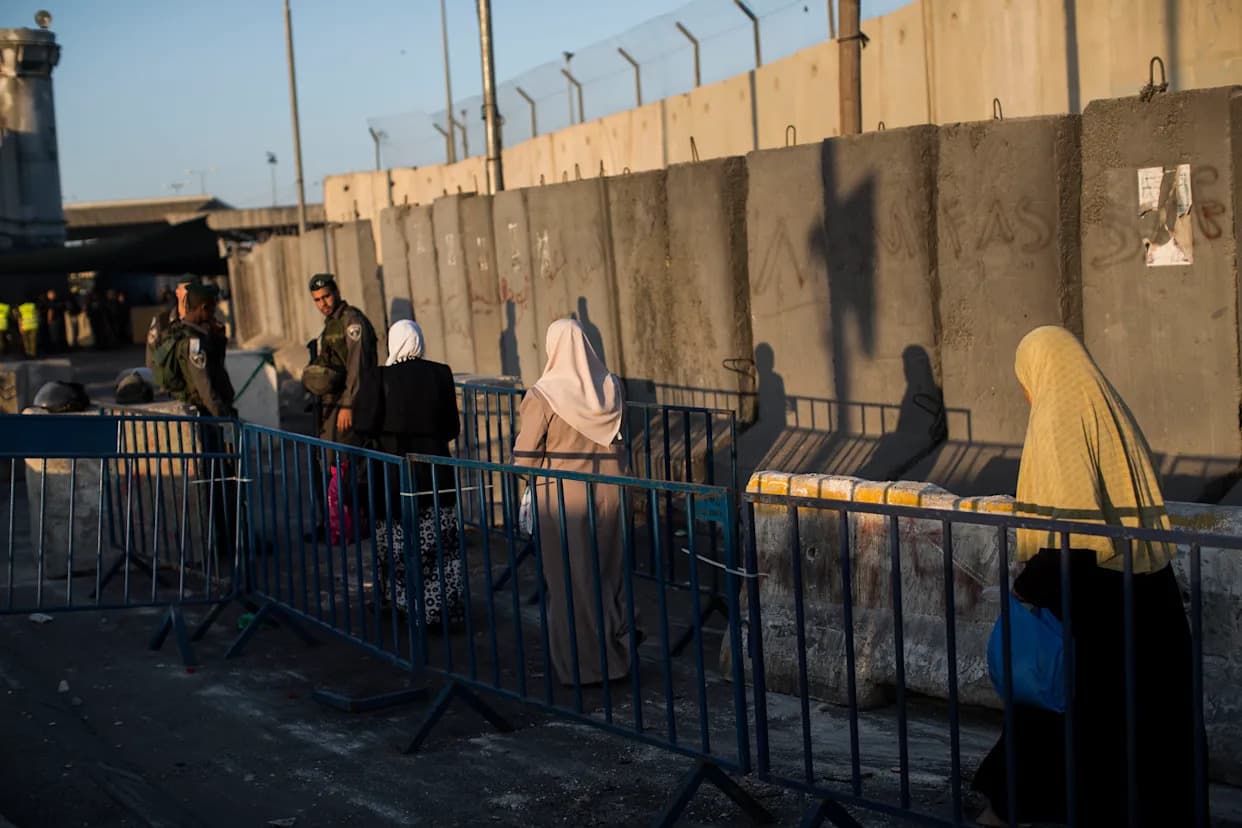
Separately, the Higher Presidential Committee for Church Affairs in Palestine condemned Israeli restrictions that block many West Bank teachers from reaching schools in East Jerusalem. The committee reported that Israel’s permit regime and military checkpoints have sharply limited work permits, disrupting lessons and delaying academic schedules.
Church officials say Israeli authorities have suspended permits outright for dozens of teachers while drastically reducing the working days of others. According to the committee and church sources, at least 171 teachers and staff have been affected. The committee described the measures as collective punishment and discriminatory practices that undermine Palestinian education and community life.
Calls For Protection
Church leaders and Palestinian church bodies are calling for urgent protection of Christian communities, educational institutions and holy sites. They say measures that exhaust teachers and students, weaken communal life and restrict movement risk accelerating the decline of the indigenous Christian presence in Jerusalem.
Context Note: The churches’ statement and council report reflect long-standing grievances and ongoing tensions over property, movement and political influence; the statement does not specify a single recent event but points to a pattern of actions and alliances that church leaders say merit urgent attention.
Help us improve.