The Israeli security cabinet approved 19 new settlement outposts in the occupied West Bank, a move the UN says contributes to the highest level of settlement activity since 2017. The approvals expand settlements and outposts now estimated at around 210 in the West Bank and East Jerusalem, intensify settler‑Palestinian tensions, and follow an ICJ advisory opinion declaring settlement measures unlawful. Observers warn the expansion further fragments Palestinian territory and undermines prospects for a contiguous two‑state solution.
Israel Approves 19 New West Bank Outposts, Deepening Occupation and Threatening Two‑State Prospects

(Al Jazeera)
The Israeli security cabinet has approved 19 new settlement outposts in the occupied West Bank, a move critics say further consolidates Israeli control and undermines the prospects for a contiguous Palestinian state. The approvals come amid UN warnings that settlement growth in 2025 reached its highest level since 2017.
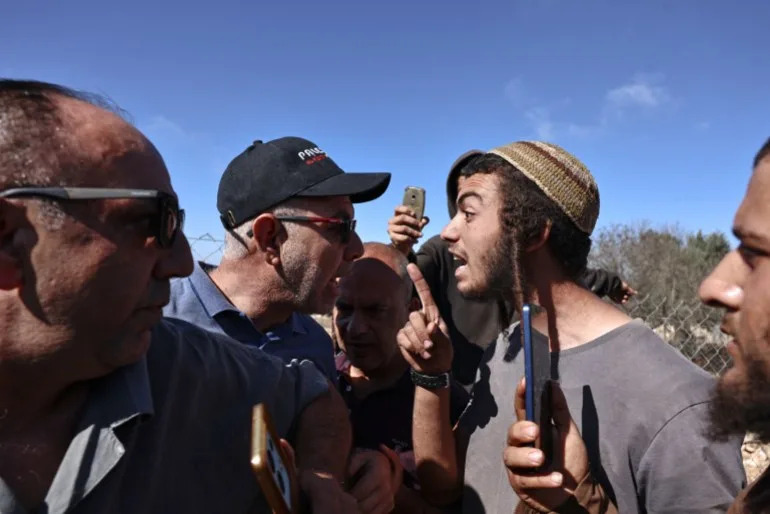
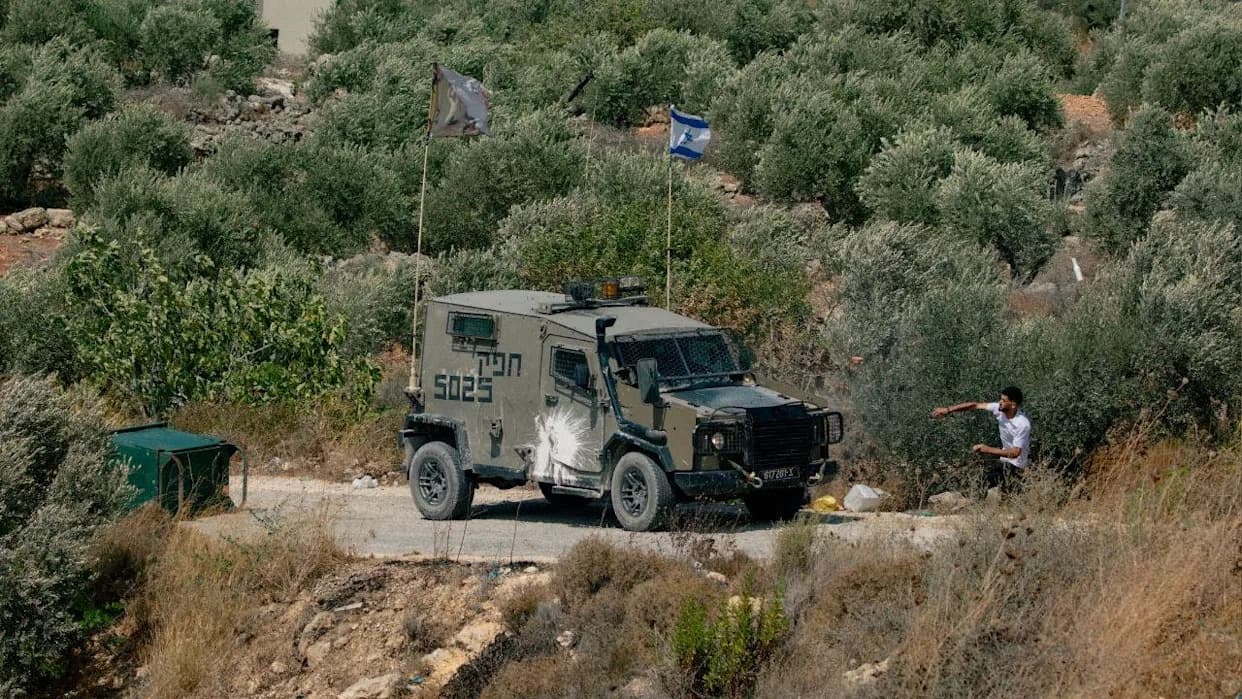
Palestinian farmers, left, scuffle with Israeli settlers during the olive harvest in the Palestinian village of Silwad,near Ramallah in the Israeli-occupied West Bank on October 29, 2025 [AFP]
What Was Announced
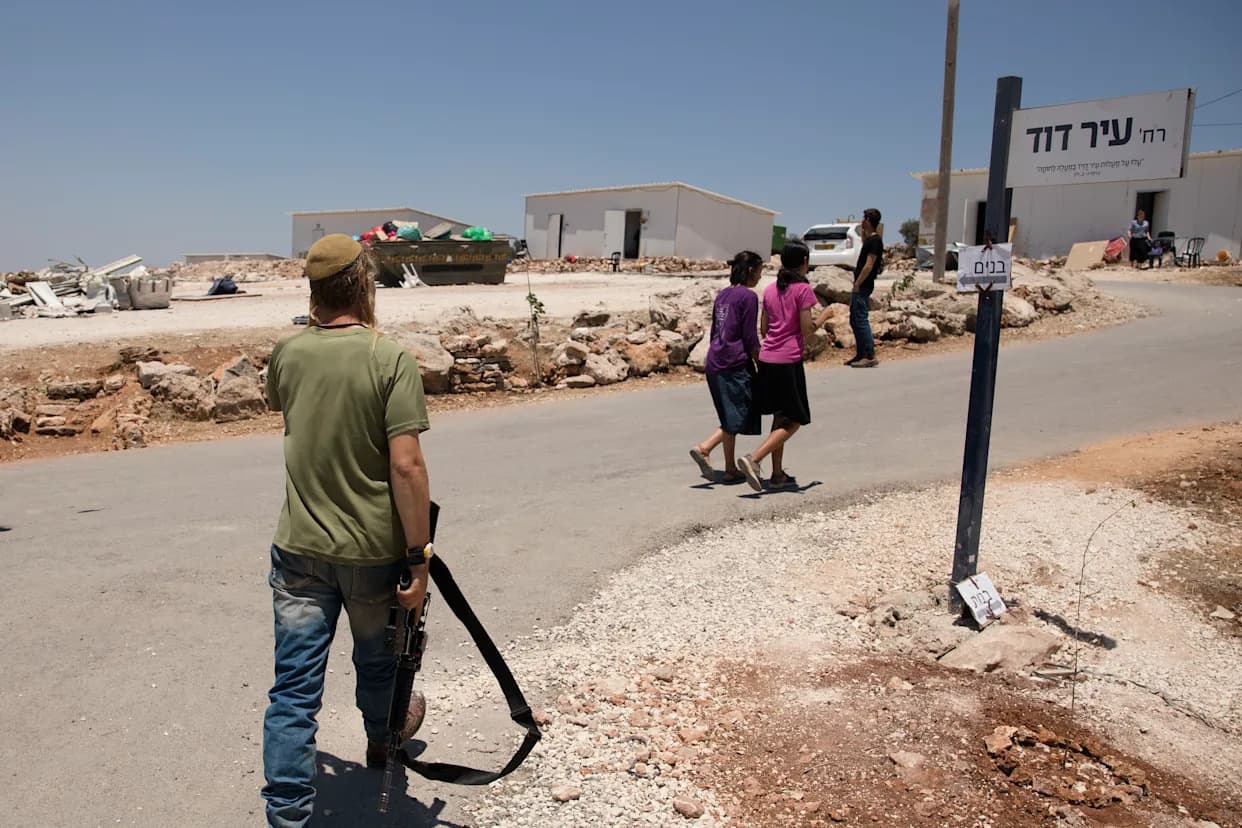
Officials said the newly authorised outposts are spread across the West Bank — from Jenin in the north to Hebron in the south — and include sites near densely populated Palestinian villages such as Duma, Jalud, Qusra and al‑Lubban Asharqiya (Nablus governorate), as well as Sinjil (Ramallah and el‑Bireh governorate). According to a statement from Finance Minister Bezalel Smotrich’s office, five of the 19 sites already existed on the ground but had not previously been granted legal status under Israeli law. The approvals also include plans for Ganim and Kadim, two settlements east of Jenin that were dismantled under Israel’s 2005 disengagement plan.
(Al Jazeera)
Numbers And International Context
The United Nations said settlement activity in 2025 reached levels not seen since 2017. UN Secretary‑General Antonio Guterres described the increase as "a sharp rise compared with previous years," noting that from 2017 to 2022 an average of 12,815 housing units were added each year. Under the current far‑right coalition, the combined number of settlements and outposts in the West Bank and occupied East Jerusalem has reportedly risen from 141 in 2022 to around 210. Peace Now estimates roughly 700,000 Israeli settlers live in the West Bank and East Jerusalem, and nearly 10% of Israel’s Jewish population (of about 7.7 million) reside in settlements.
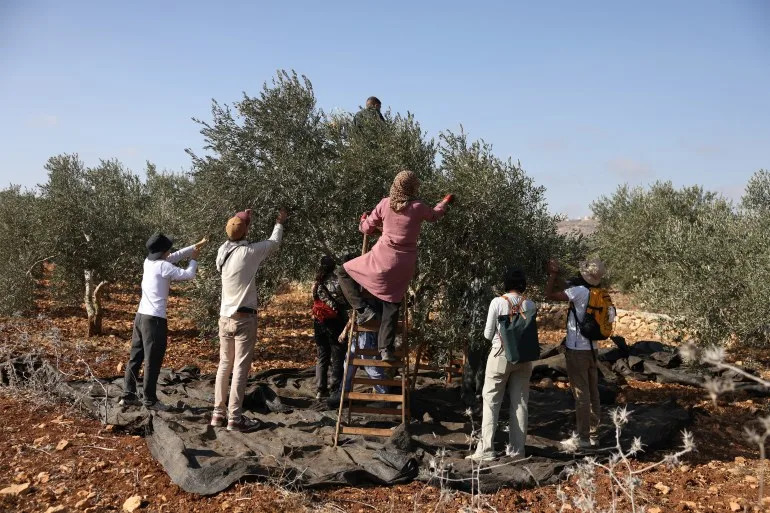
Palestinians harvest olives near the occupied West Bank village of Turmus Aya near Ramallah on October 19, 2025 [Hazem Bader/AFP]
Legal Rulings And International Response
Major international bodies — including the UN, the International Court of Justice (ICJ) and the International Committee of the Red Cross — view Israeli settlement construction in occupied territory as inconsistent with the Fourth Geneva Convention. In a July 2024 advisory opinion, the ICJ concluded that Israel’s occupation, settlement activity and annexation measures in the occupied Palestinian territories are unlawful and said Israel’s continued presence should end "as rapidly as possible." The UN General Assembly later adopted a resolution calling on Israel to end the occupation within a year, a resolution Israel has resisted with backing from key allies.
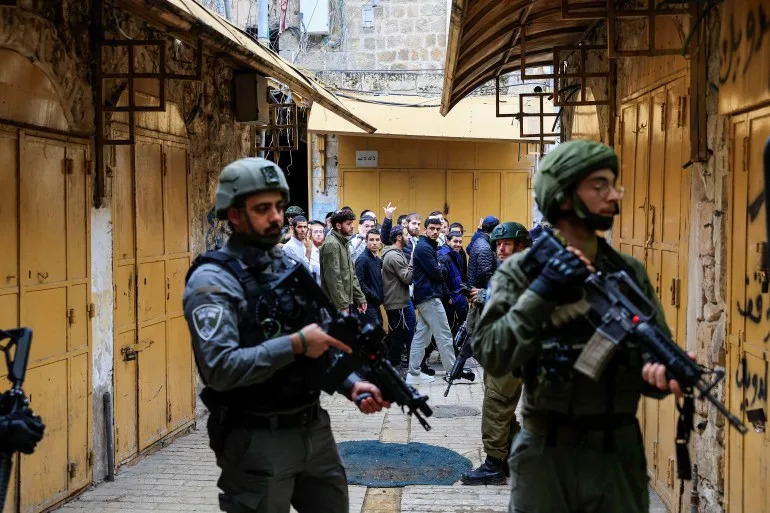
Israelis walk past soldiers standing guard during a weekly settlers tour in Hebron in the Israeli-occupied West Bank on December 13, 2025 [Mussa Qawasma/Reuters]
Impact On Palestinians
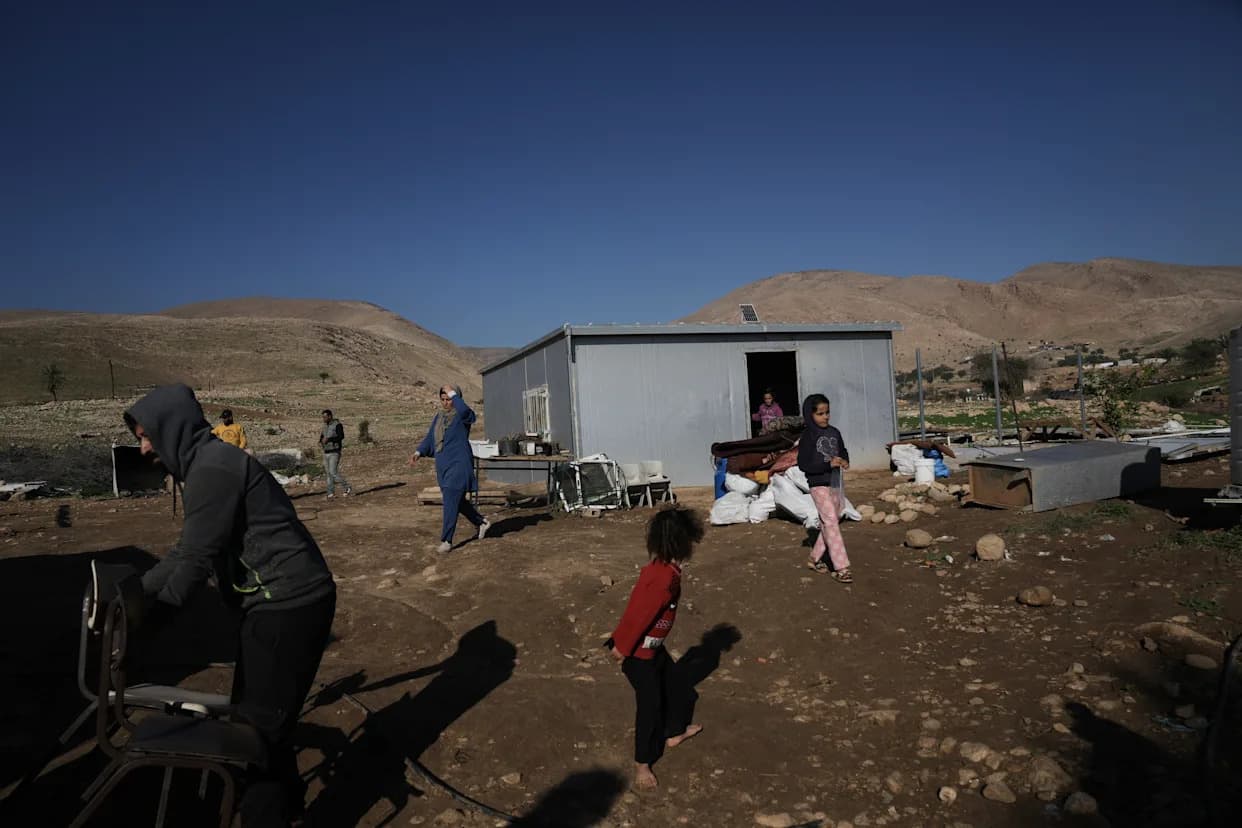
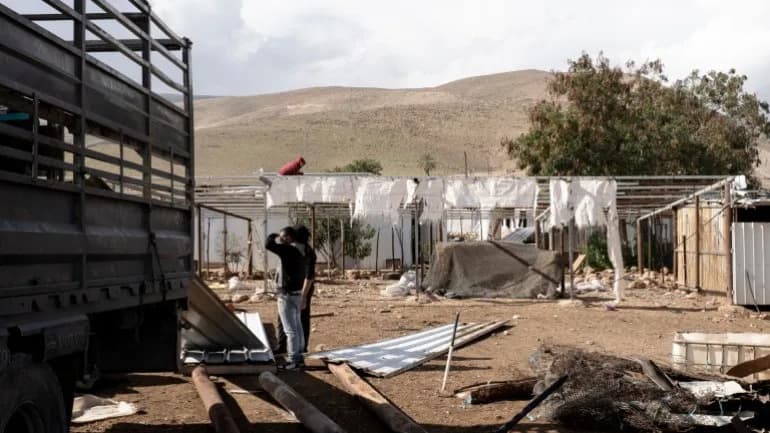
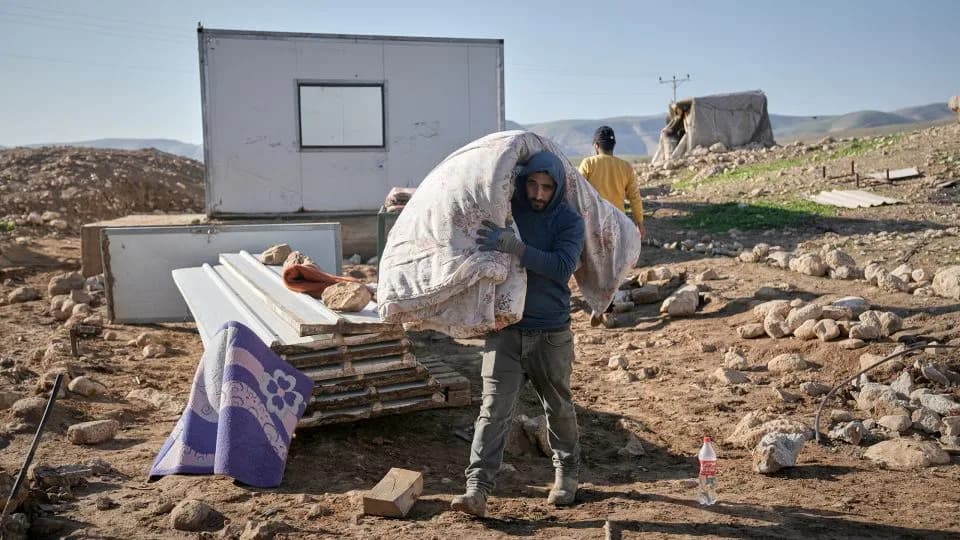
Humanitarian and rights groups say settlement expansion deepens fragmentation of Palestinian territory, restricts movement and reduces access to agricultural land. The Separation Barrier now stretches more than 700 km through the West Bank, and many settlements are connected by Israeli‑only roads. Palestinians in the occupied territories are subject to Israel’s military justice system, while Israeli settlers are typically tried in civilian courts — a dual legal framework critics call discriminatory.
Violence And Safety Concerns
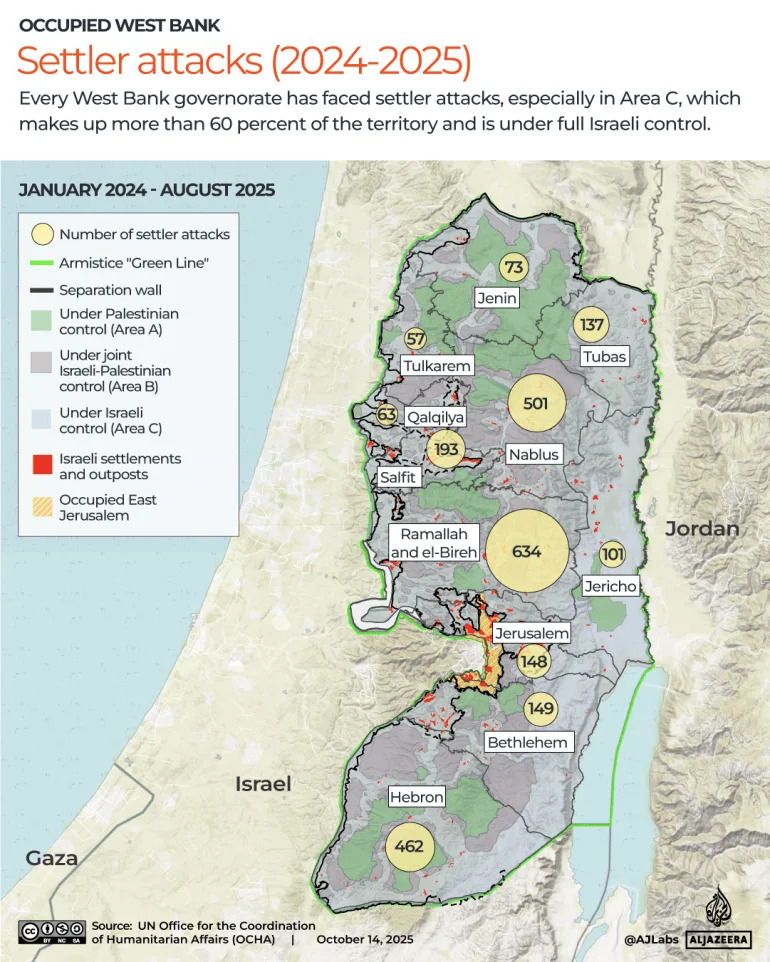
Data from the UN Office for the Coordination of Humanitarian Affairs (OCHA) shows nearly 3,000 settler attacks on Palestinians over the past two years. Such incidents often spike during the olive harvest (September–November), a critical source of income for many Palestinian families. Reports describe property destruction, arson and lethal attacks; some incidents have involved settlers who were armed and, at times, accompanied by security forces.
Political Dynamics
Within Israel, proponents of expansion — including Finance Minister Bezalel Smotrich and National Security Minister Itamar Ben‑Gvir — argue the measures prevent the establishment of a hostile Palestinian state. Internationally, several countries have condemned expansion and imposed targeted sanctions on some Israeli officials. US policy has also shifted; recent US administrations have differed on how to characterise and respond to settlement activity, and Washington continues to play a key role diplomatically.
Outlook
The 19 approvals bring the total number of new sites authorised in the past three years to 69, according to Smotrich’s office. Observers warn that continued expansion — together with infrastructure projects such as the contested E1 plan east of Jerusalem — will further constrain Palestinian territorial contiguity and make a two‑state outcome more difficult to achieve.
UN Secretary‑General: "Relentless" expansion of settlements "fuels tensions, impedes access by Palestinians to their land and threatens the viability of a fully independent, democratic, contiguous and sovereign Palestinian state."
Help us improve.