A Boston grandmother, Bonnie O’Connell, was billed $802 in tariffs after a $22 Barbie shipped from Canada was allegedly declared at about $2,200 on FedEx paperwork. The inflated value and a recently instituted 35% tariff on some imports produced the large charge. The fee was later reversed, but not before causing considerable stress and straining the family’s holiday budget. The case underscores the importance of checking shipping declarations and understanding changing import rules.
Boston Grandmother Hit With $802 Tariff After $22 Barbie Was Misdeclared As $2,200 — FedEx Paperwork Error

WCVB Channel 5 Boston/YoutubeBonnie O'Connell
A Boston grandmother says she was stunned to receive an $802 customs bill after ordering a $22 Barbie doll from Canada. Bonnie O’Connell bought the doll — a Barbie wearing a Professional Women’s Hockey League jersey — as a Christmas gift for her four-year-old granddaughter.
Because the toy was only available in Canada, O’Connell asked a cousin in Nova Scotia to purchase the doll and ship it via FedEx. The package arrived as expected, but weeks later she received an invoice demanding $802 in tariffs.
O’Connell discovered the problem came from a clerical error at the FedEx location in Canada: the shipping paperwork reportedly listed the doll’s value at about $2,200 instead of the actual $22 purchase price. Her cousin signed the receipt and did not notice the inflated declared value.

MattelProfessional Hockey Barbie
“I just got a pain in the pit of my stomach. I didn’t even know what to do or what to say,” O’Connell told local station WCVB.
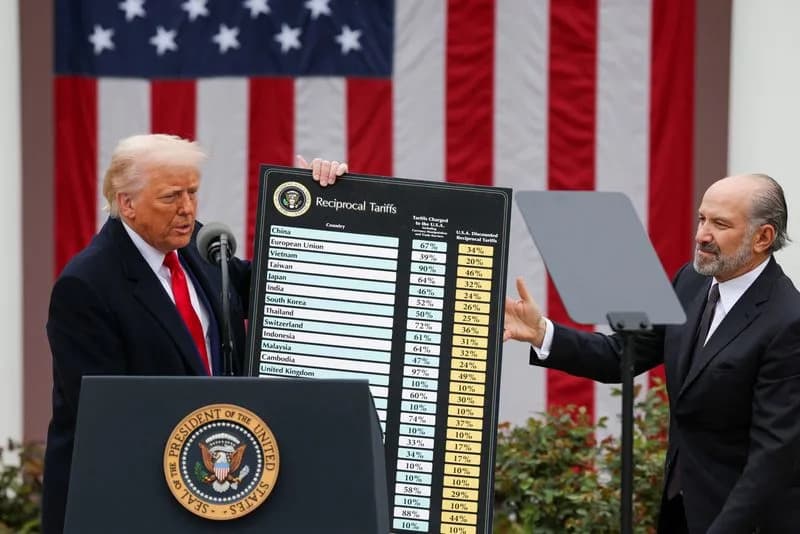
The incorrectly declared value, combined with a recently instituted 35% tariff on certain imports, produced the large customs charge. Under recent policy changes, shipments of all values may be subject to duties and additional paperwork, whereas previously many low-value imports below $800 often entered duty-free.
FedEx did not immediately respond to requests for comment from PEOPLE. The customs charge was eventually reversed, but not before causing significant stress and prompting concerns about the family’s Christmas budget.
What This Means For Shoppers
This incident highlights two important risks for consumers ordering items from abroad: human error in shipping declarations and evolving tariff rules that can turn a small purchase into an unexpectedly costly import. Shoppers sending or receiving international parcels should verify declared values on shipping documents and keep receipts until any customs processing is complete.
Help us improve.