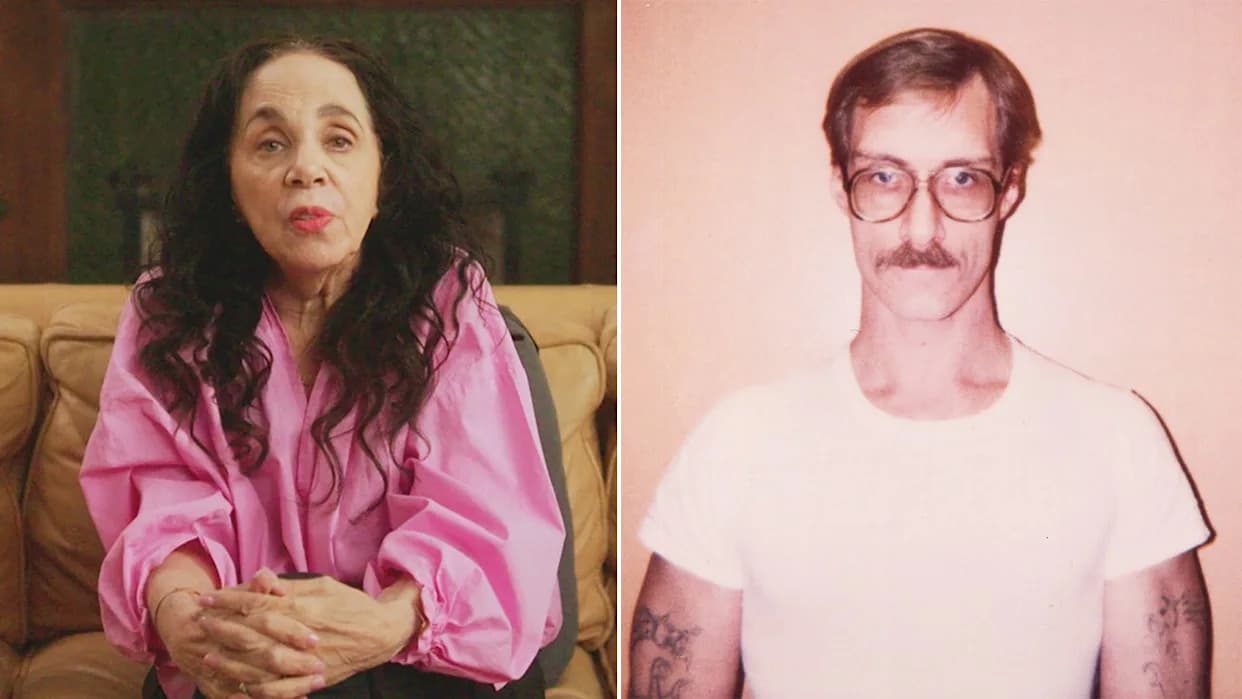
Edna Martin began writing to her cousin Ted Bundy on Sept. 9, 1980, after reading Ann Rule’s The Stranger Beside Me. She hoped their family connection might prompt a confession, but Bundy denied that he had killed anyone and often replied with a patronizing tone and Bible verses. Despite his denials, he always signed the letters "Love, Ted." Martin revisits their fraught relationship in her memoir Dark Tide and in the Oxygen documentary Love, Ted Bundy.
“Love, Ted”: Cousin Edna Martin Recalls Bundy’s Patronizing Death‑Row Letters and Chilling Sign‑Off
OxygenLove, Ted Bundy
What began as a single letter grew into years of correspondence between Edna Martin and her cousin, Ted Bundy — the serial killer who later confessed to murdering more than 30 young women in the 1970s. Martin, now in her 70s, says she began writing to Bundy from Florida’s death row in hopes her closeness might persuade him to admit his crimes.
How the Letters Began
Martin says she mailed her first note on Sept. 9, 1980, after reading Ann Rule’s book The Stranger Beside Me, which recounts Rule’s friendship with Bundy. Bundy replied, dismissing the book as “full of falsehoods and half‑truths” and telling Martin he was "excited" to receive her letter. He also used a shorthand to describe the gap in their relationship: “BC, or before court, cops — and AD, or after damnation.”
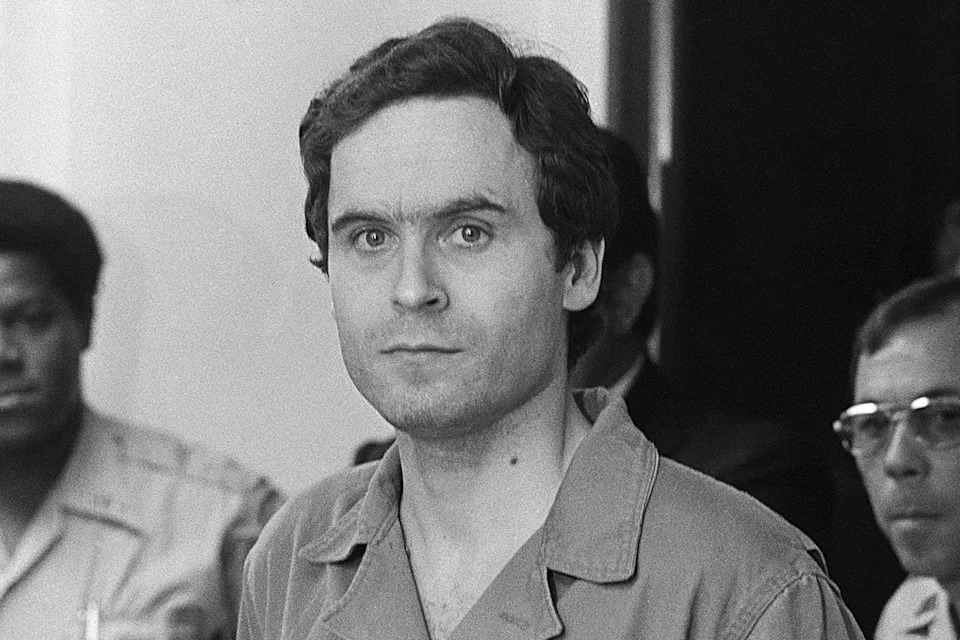
Bettmann Archive/GettyTheodore "Ted" Bundy.
Tone, Denials and Bible Verses
Martin pressed Bundy for answers, hoping the family connection might loosen a confession. According to Martin, Bundy repeatedly denied responsibility in those letters. When she asked why someone would develop such a "deep rage and hatred" that led to murder, he replied, "I won't disregard your accusations completely ... I will say this much, I have not killed anyone," and followed up with a Bible verse.
"He was pretty patronizing," Martin recalls. "He said, 'you don't know me anymore and you need to get to know yourself first before you can know me.'"
The Chilling Closing
Despite his denials and what Martin describes as a condescending tone — even a line saying, "I have no guilt, remorse, or regrets over anything I've done" — Bundy always signed his letters the same way: "Love, Ted." That signature struck Martin as especially unsettling given the crimes for which he was later convicted and for which he ultimately confessed.
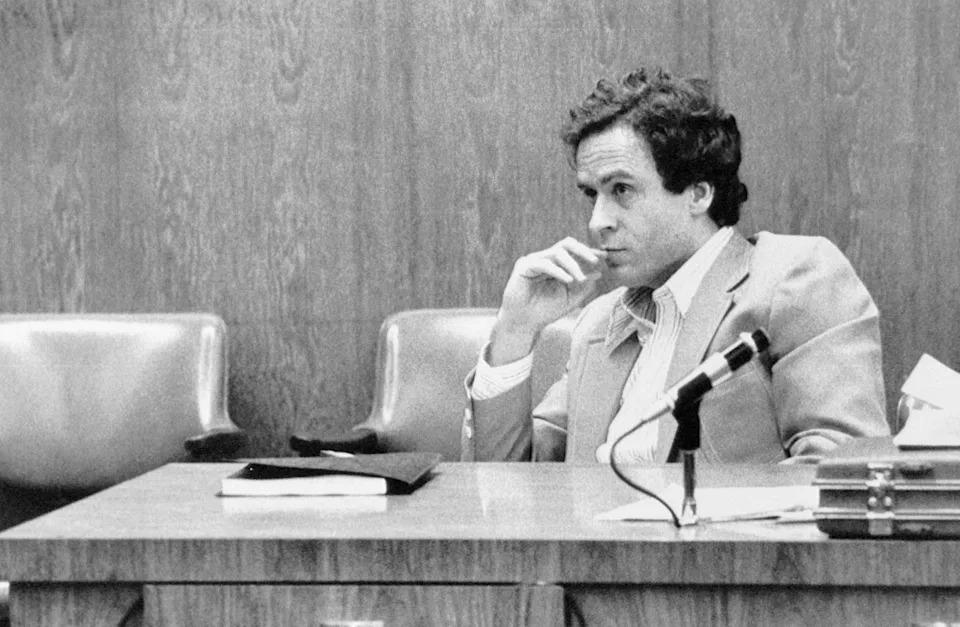
Bettmann /GettyTed Bundy in Court on January 04, 1980 in Orlando, Florida.
Aftermath: Memoir and Documentary
Martin published a memoir, Dark Tide: Growing Up With Ted Bundy, released in July 2024, and appears in the Oxygen documentary Love, Ted Bundy, which premiered Feb. 15. In both the book and the film, she recounts the shock of learning the truth about a man she had trusted and socialized with while they were young.
Legacy
Ted Bundy was executed on Jan. 24, 1989, at Raiford Prison in Florida. Martin reflects on what she calls Bundy’s dual nature: a charming, engaging figure to friends and family and an altogether different, terrifying presence to his victims. Her letters and recollections offer a haunting window into how ordinary familiarity can obscure monstrous behavior.
Help us improve.