Charmed by the Devil explores journalist Laura Greenberg’s decades‑long relationship with convicted killer Doug Gretzler. Greenberg visited Gretzler roughly 350 times, exchanged hundreds of letters and recorded more than 500 hours as she tried to "understand the monster." The documentary exposes the ethical tensions of intimate reporting and shows how Greenberg’s investigation provided painful answers for victims’ families while consuming much of her life.
Charmed by the Devil — How a Journalist’s Obsession With a Forgotten Serial Killer Unraveled Her Reality
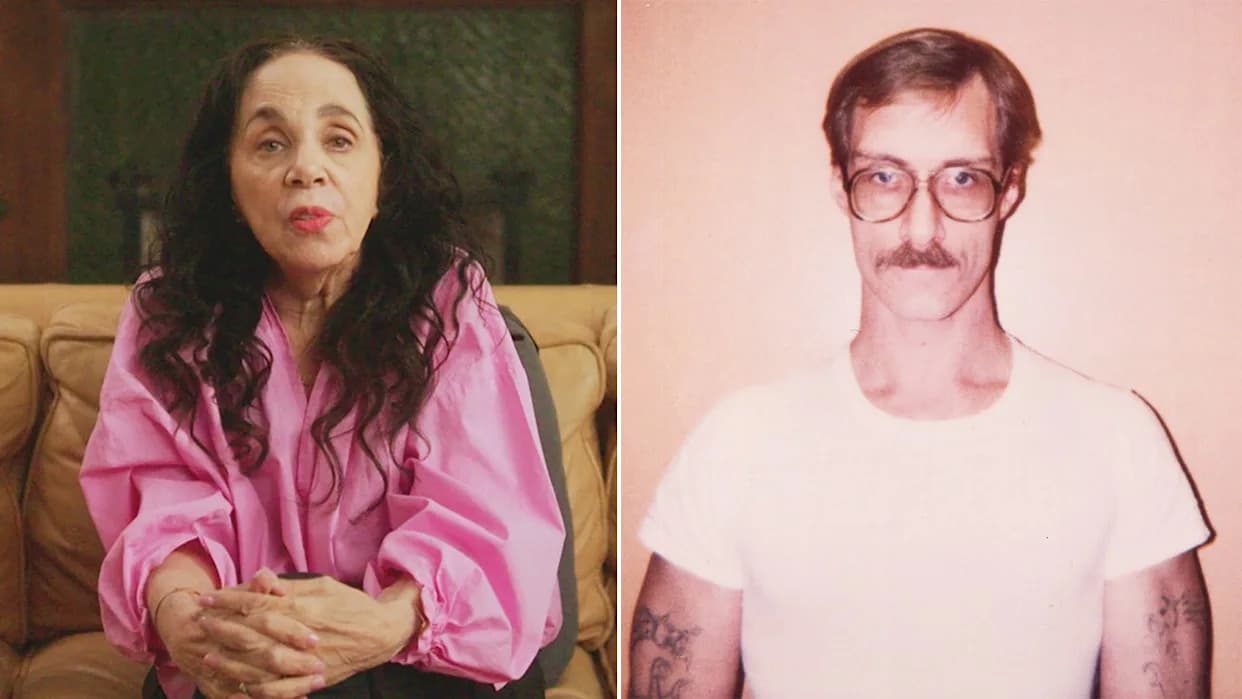
Journalist’s dangerous obsession with a forgotten serial killer unraveled her reality
Laura Greenberg was a tenacious reporter driven by one urgent question: why do people kill? Her search for answers led her into an extraordinary and ethically fraught relationship with Doug Gretzler, a largely forgotten convicted killer who, with an accomplice, murdered 17 people — including two children — during a three‑week spree across Arizona and California.
The new Oxygen documentary Charmed by the Devil examines Greenberg’s decades‑long pursuit of the story. According to the film, Greenberg visited Gretzler roughly 350 times, exchanged hundreds of letters and amassed more than 500 hours of audio recordings as she tried, in her words, to “understand the monster.” What emerges on tape is a disturbing mix of grisly confession and startlingly ordinary conversation.
Access, Intimacy and Ethical Questions
Filmmaker Ben Giroux — who discovered and gained full access to Greenberg’s archive in 2020 — describes a trove of materials: police reports, crime‑scene photos, letters and hours of recorded interviews that transformed Greenberg’s life and home into a near‑museum of the case. The intimacy she developed with Gretzler blurred traditional reporter‑subject boundaries and raised difficult questions about how close a journalist should be allowed to get to a source.
“She always says there are 17 bodies between them. He was a monster. He was the devil. And yet she was able to look beyond that and establish a human connection,” Giroux told Fox News Digital. “I’m sure her answer changes daily on how she would define it.”
The Crimes and the Conversations
Doug Gretzler and Willie Steelman were convicted and sentenced after their killing spree. Steelman died of cirrhosis in 1986. Gretzler remained a figure most people outside the case did not know — in part because Greenberg was the person he spoke to consistently. On tape, Gretzler recounted a chaotic childhood, the death of a teenage brother, substance abuse and the relationship with Steelman that led to their crimes. He admitted it didn’t take much for him to kill.
Greenberg pressed him repeatedly, challenging explanations and insisting that background and trauma could never justify the brutality of the murders. At times their conversations were unsettlingly mundane — weather, music, grocery lists — and at times they were harrowing confessions. Gretzler reportedly professed romantic feelings for Greenberg and later showed jealousy after she married, deepening the complicated dynamics of their contact.
Victims, Families and the Legacy of Obsession
Greenberg’s reporting also reached victims’ relatives and Gretzler’s sister, many of whom had never spoken publicly. For some families, her interviews filled gaps left by official records and offered painful clarity about their loved ones’ final moments. Gretzler invited Greenberg to witness his execution on June 3, 1998; rather than ending her involvement, that day intensified her commitment to documenting every detail.
Executive producer Lauren Flowers and director Ben Giroux emphasize that, despite the focus on Greenberg and Gretzler, the victims remain central to the story. The documentary is as much a cautionary tale about the dangers of obsession as it is an investigation into the roots of violence. Giroux warns: this pursuit consumed four decades of Greenberg’s life and offers a stark lesson about how far journalism can — and should — go.
Key Facts: Gretzler and Willie Steelman killed 17 people during a three‑week spree across Arizona and California. Steelman died in 1986; Gretzler was executed on June 3, 1998. Giroux obtained full access to Greenberg’s tapes and correspondence in 2020, revealing hundreds of letters and over 500 hours of audio recordings.
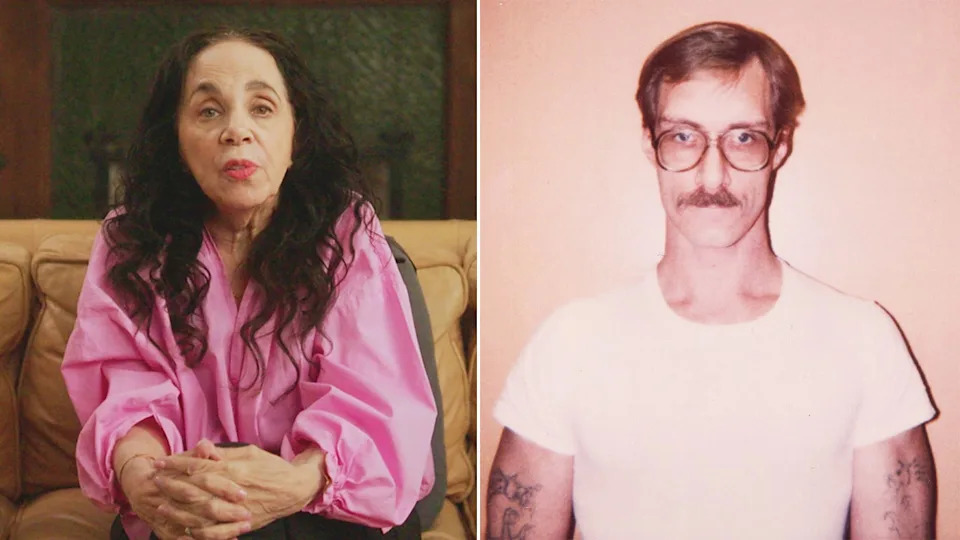
Laura Greenberg's startling bond with death row inmate Douglas "Doug" Gretzler is the subject of the new Oxygen true-crime documentary "Charmed by the Devil."
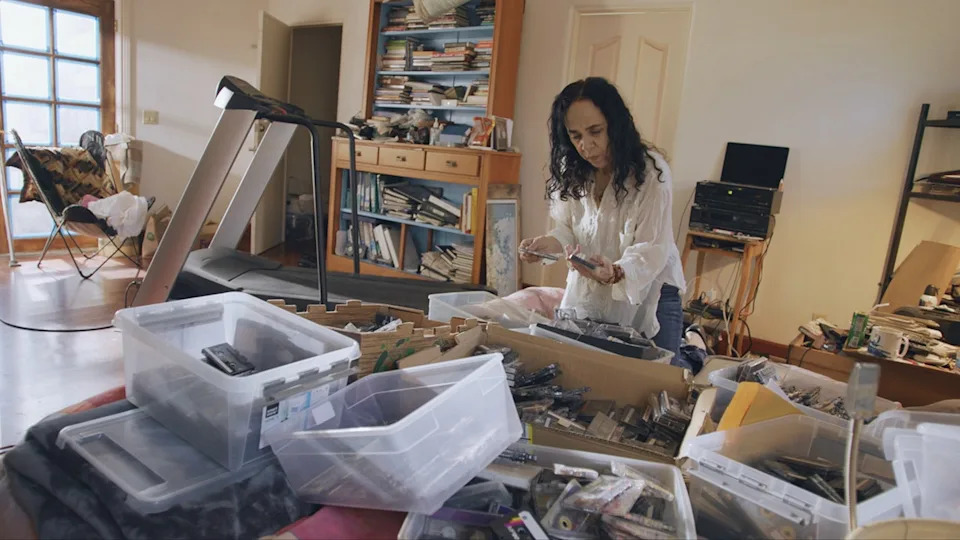
"I went and visited Doug 350 times in prison," Laura Greenberg is heard saying in the documentary. "We wrote hundreds of letters, and we recorded 500 plus hours of audio tapes. I wanted to understand the monster."
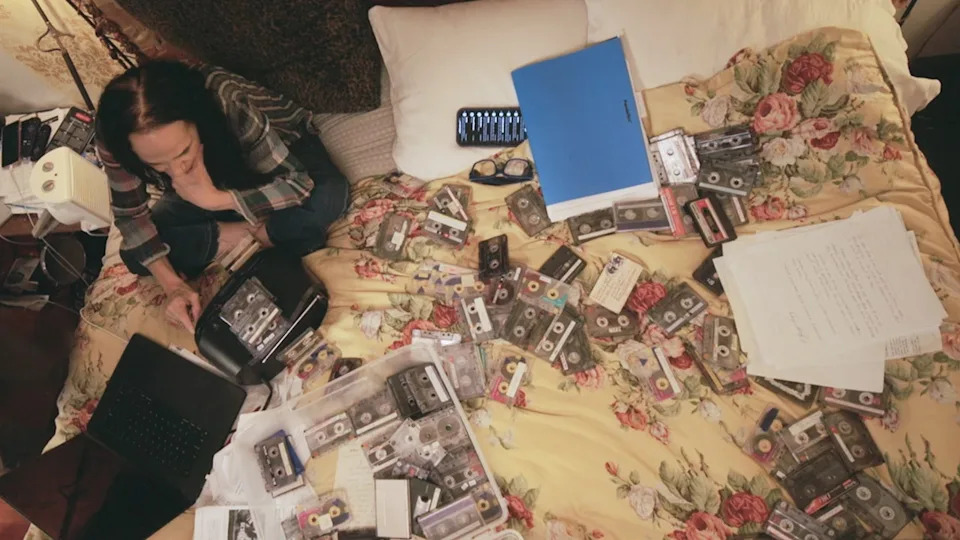
Laura Greenberg saved hundreds of hours of recordings from Doug Gretzler, including audio heard publicly for the first time in the documentary.
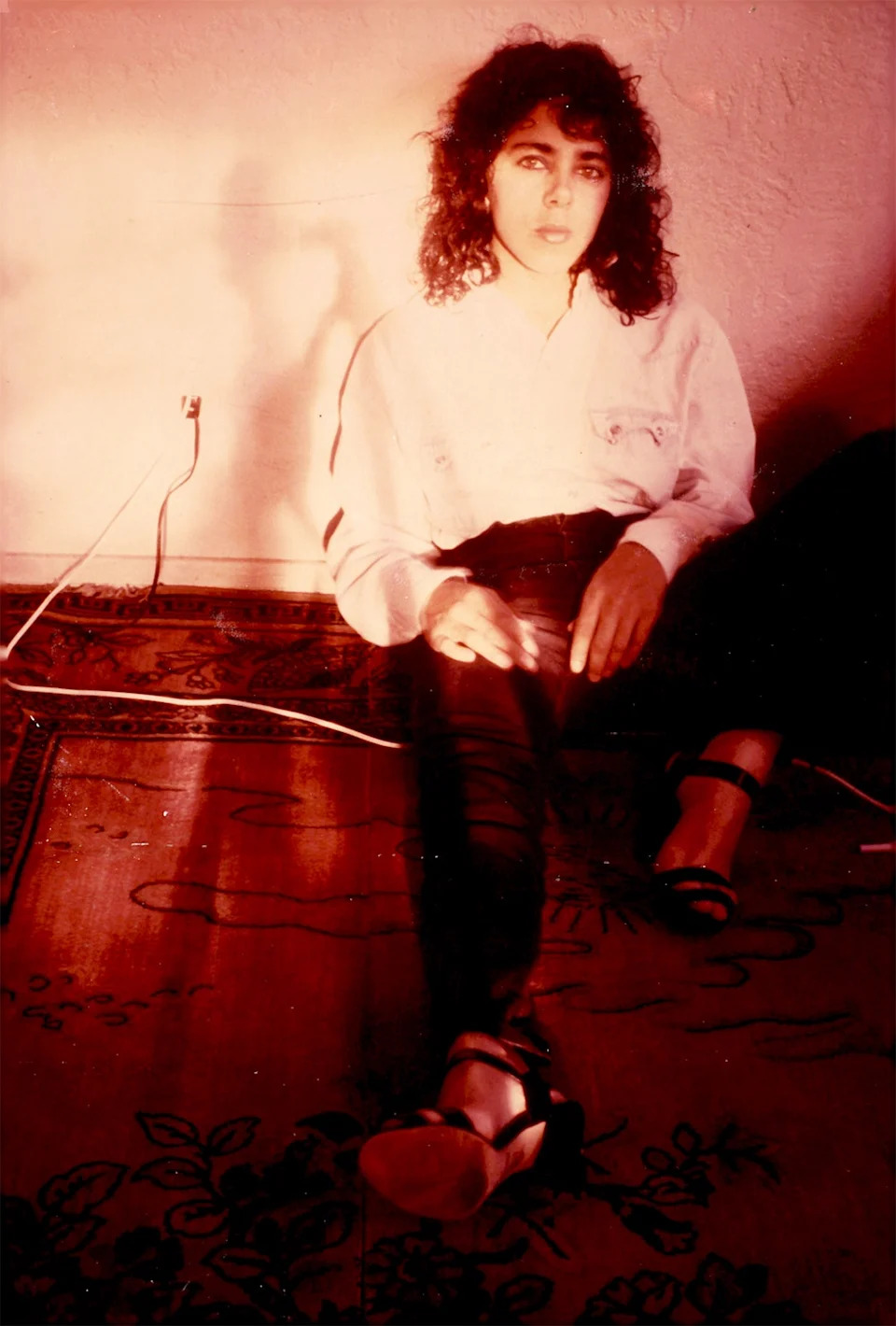
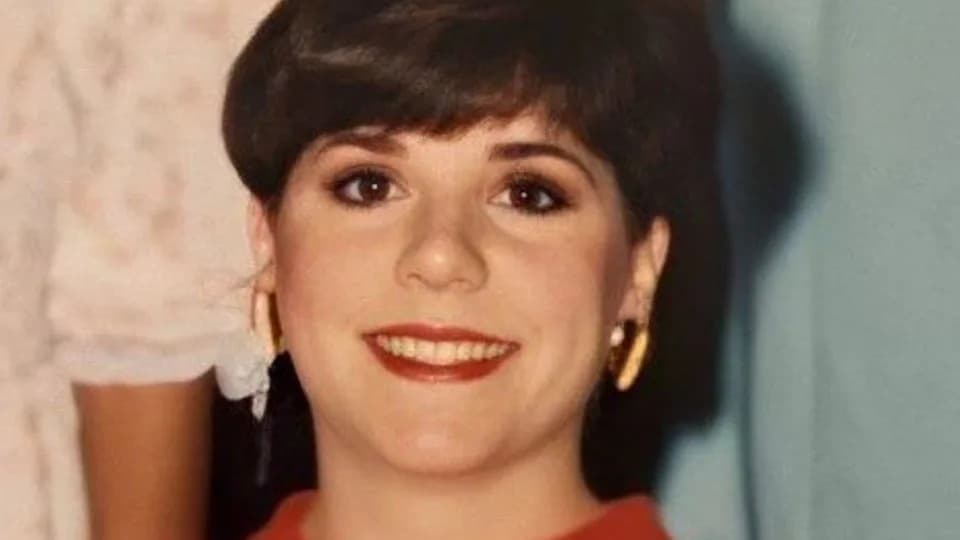
Laura Greenberg was a Tucson-based reporter who wanted to know why people kill.
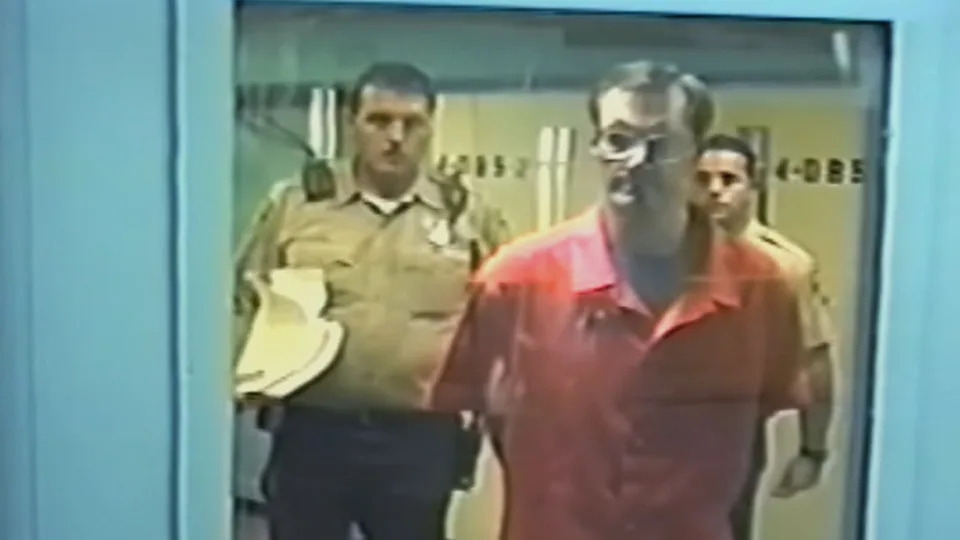
Doug Gretzler (pictured here) and Willie Steelman robbed grocery store owner Walter Parkin and killed all nine people inside Parkin’s home outside Lodi, Calif., the Los Angeles Times reported. Among the victims were a 9-year-old boy and an 11-year-old girl. A loved one of the family spoke out in the documentary.
Doug Gretzler had been on death row since Nov. 15, 1976, the Los Angeles Times reported.
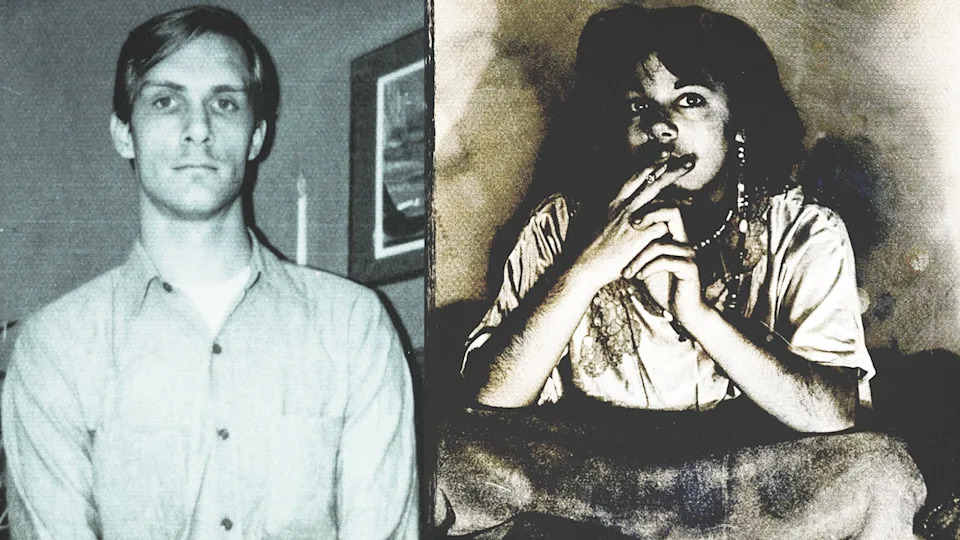
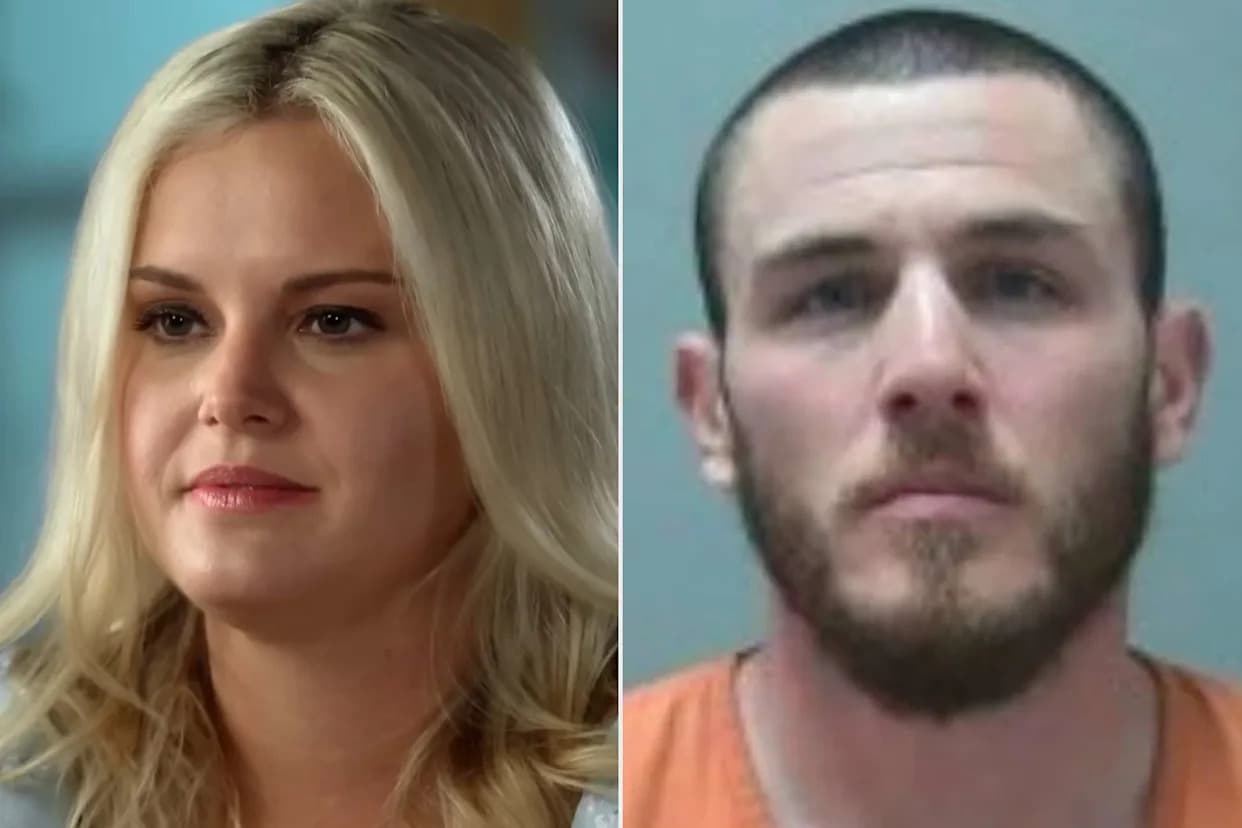
Doug Gretzler (left) and Laura Greenberg (right) are originally from New York City.
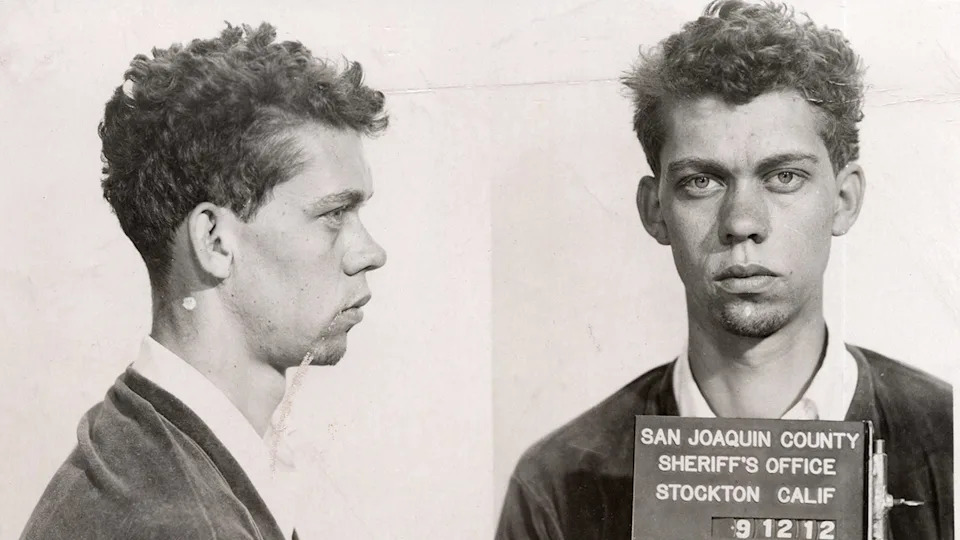
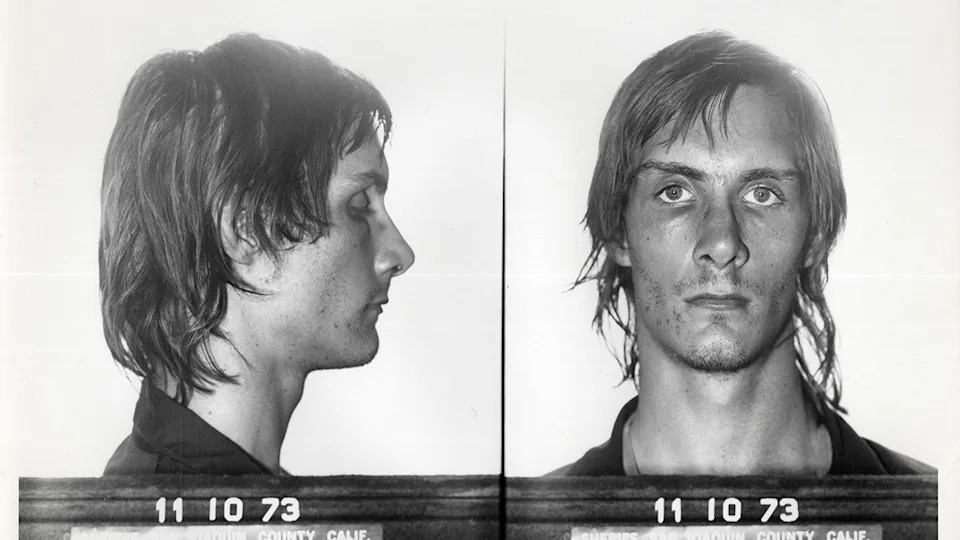
Willie Steelman (pictured here), Doug Gretzler's accomplice, died in 1986 while incarcerated on death row.
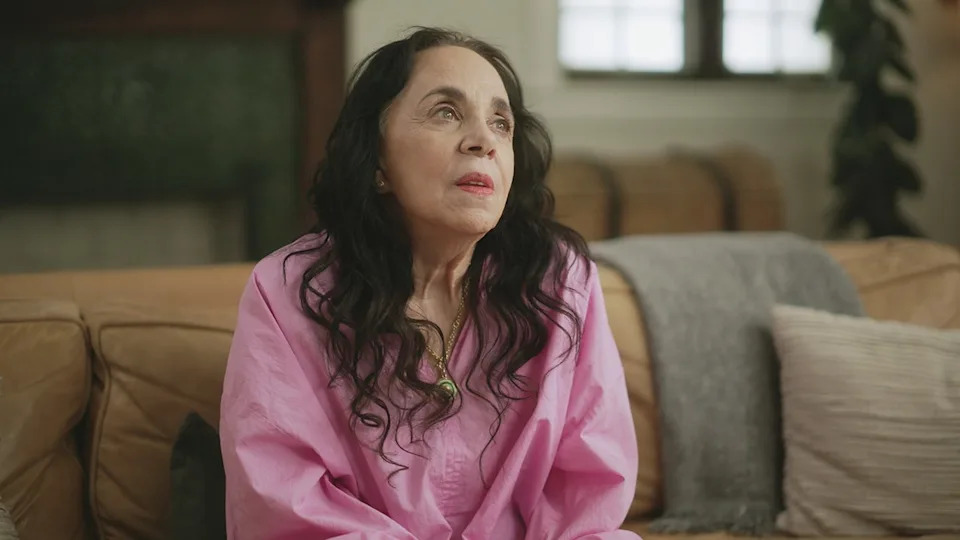
Laura Greenberg said she doesn't regret their controversial relationship.
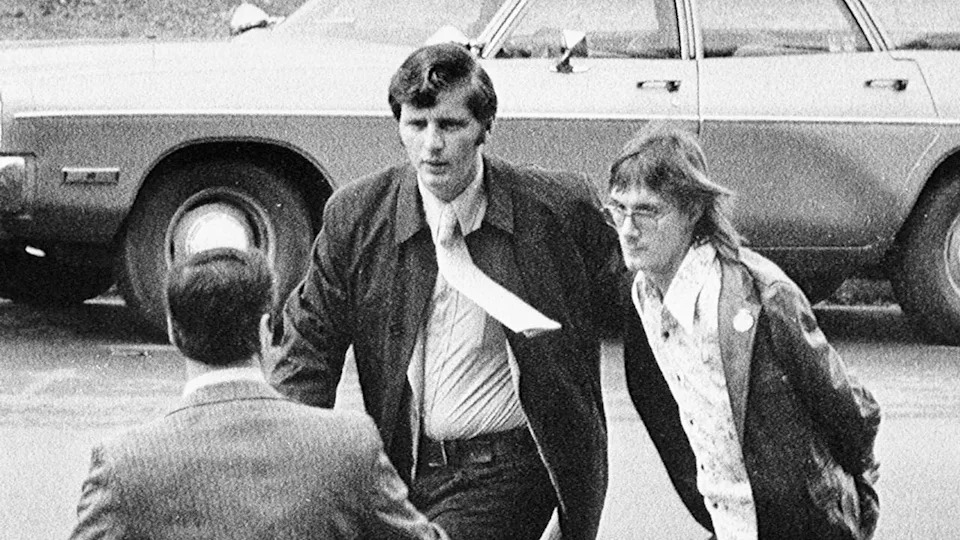
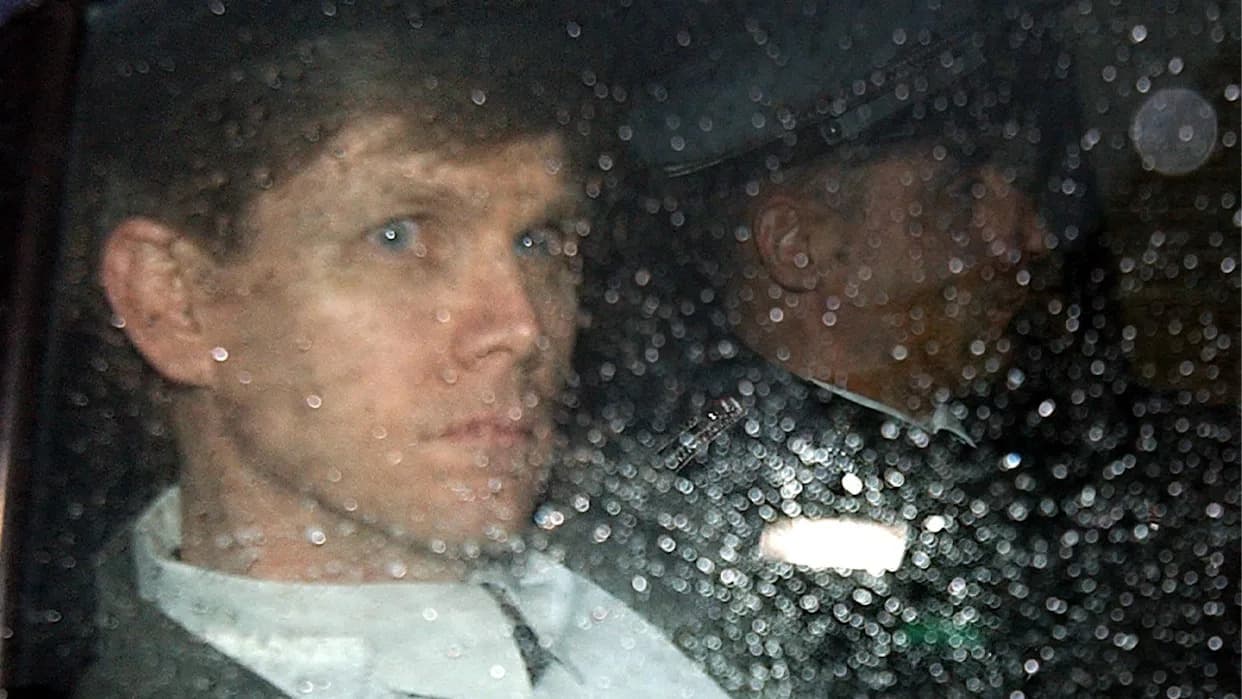
Douglas E Gretzler, 22, is seen exiting a police car and is led into the police station after his arrest in downtown Sacramento.
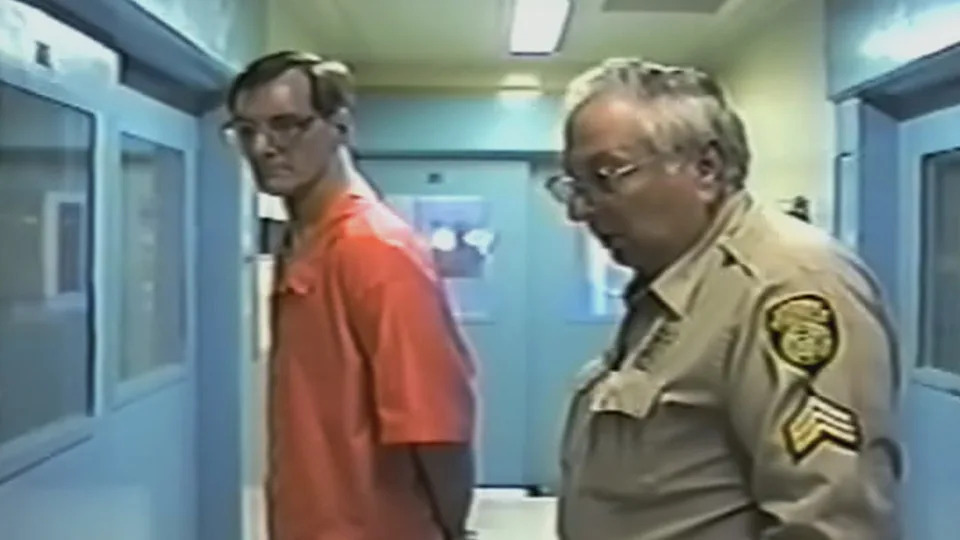
Doug Gretzler reportedly wrote letters of apology to the families of the victims.
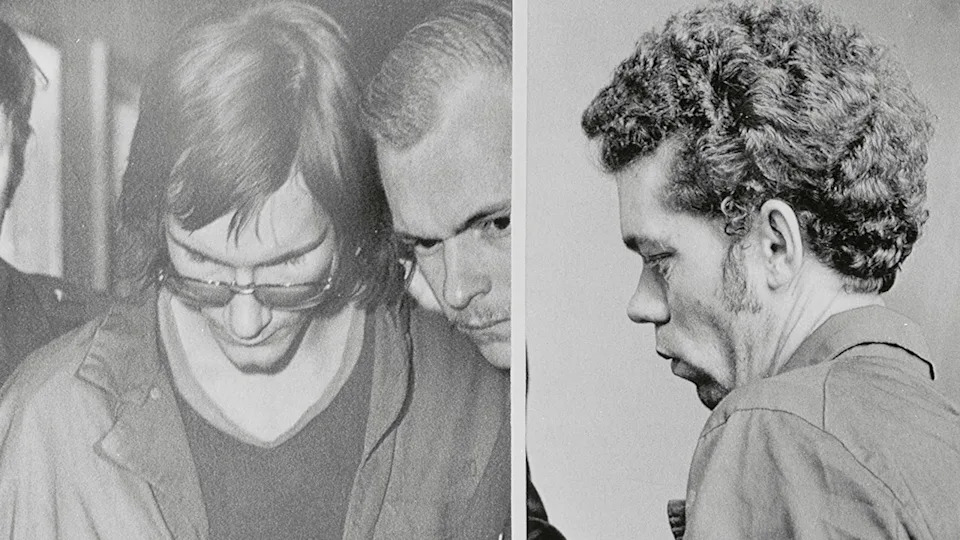
Douglas E. Gretzler (left), 22, and Willie L. Steelman, 28, are seen here arriving at the San Joaquin County Courts building. According to Oxygen.com, they claimed the lives of 17 people.
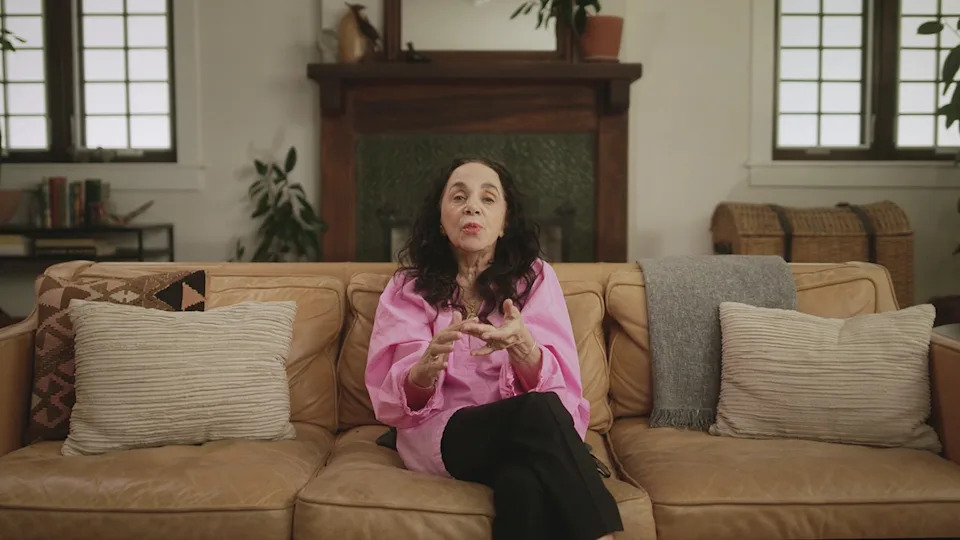
Laura Greenberg's nephew told Fox News Digital that she still listens to Doug Gretzler's recordings.
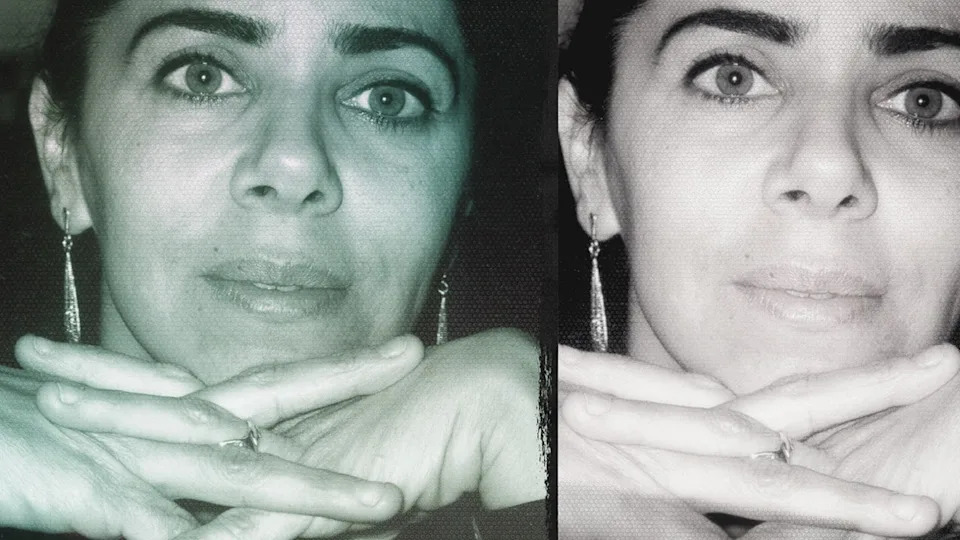
"I would fill up the bathtub, and I would listen to him talk to me about murder," Laura Greenberg is heard saying in the documentary.
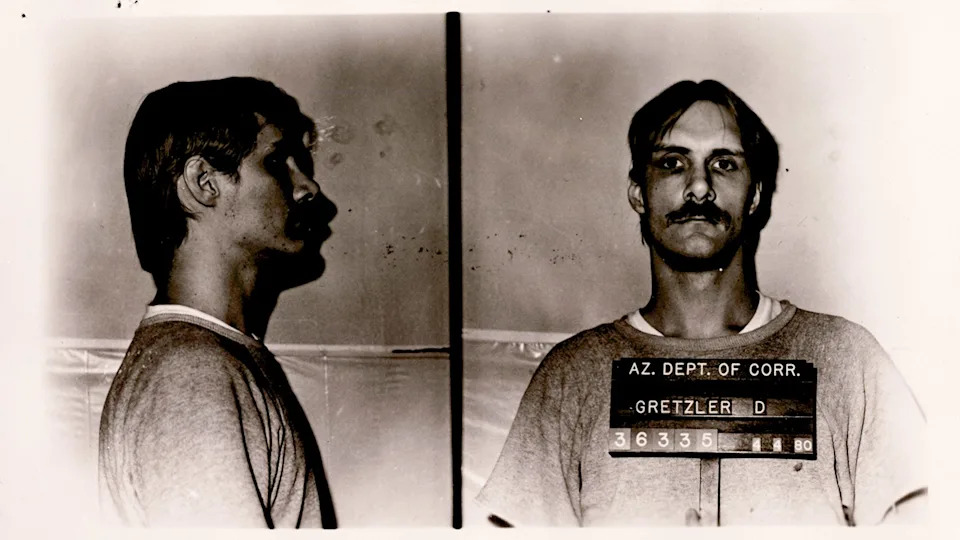
"Doug and Willie were separate human beings," retired Tucson Police Detective Weaver Barkman explained in "Charmed by the Devil." "After they met, this symbiotic relationship formed a third personality. When you put them together, they turn into something that is extremely dangerous."
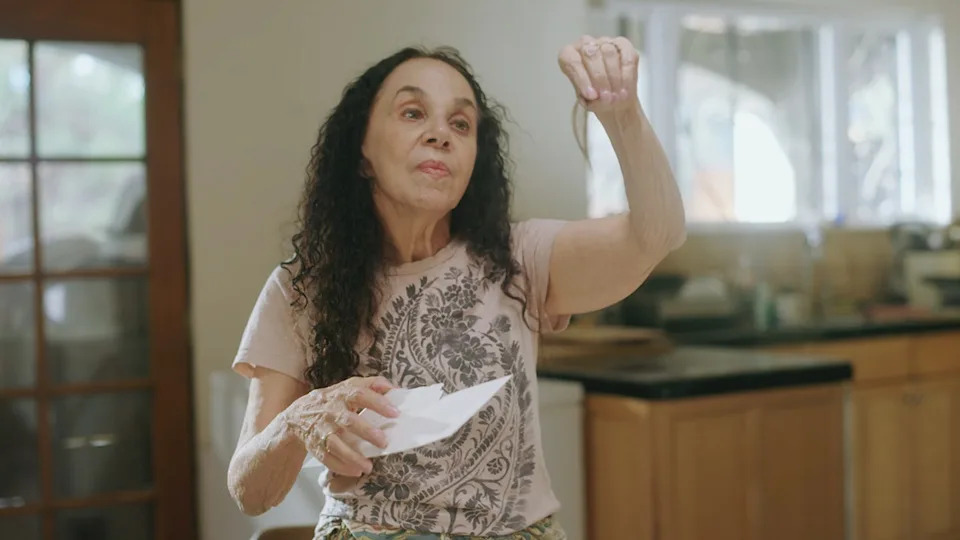
Laura Greenberg is in the process of writing a book about her encounters with Doug Gretzler.
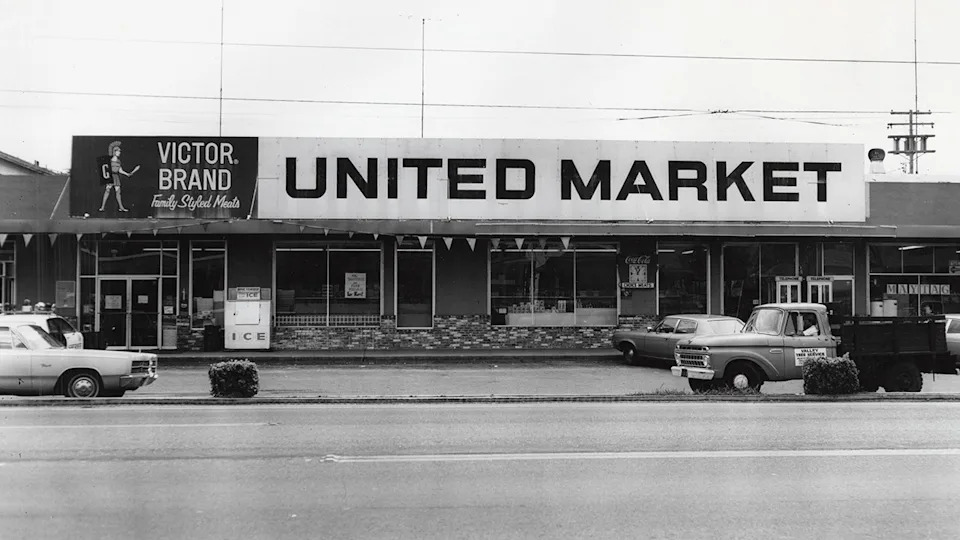
United Market in Victo, California, an intended robbery target of Douglas Gretzler and Willie Steelman in 1973. It was closed the night their crime spree escalated into the Parkin family murders.
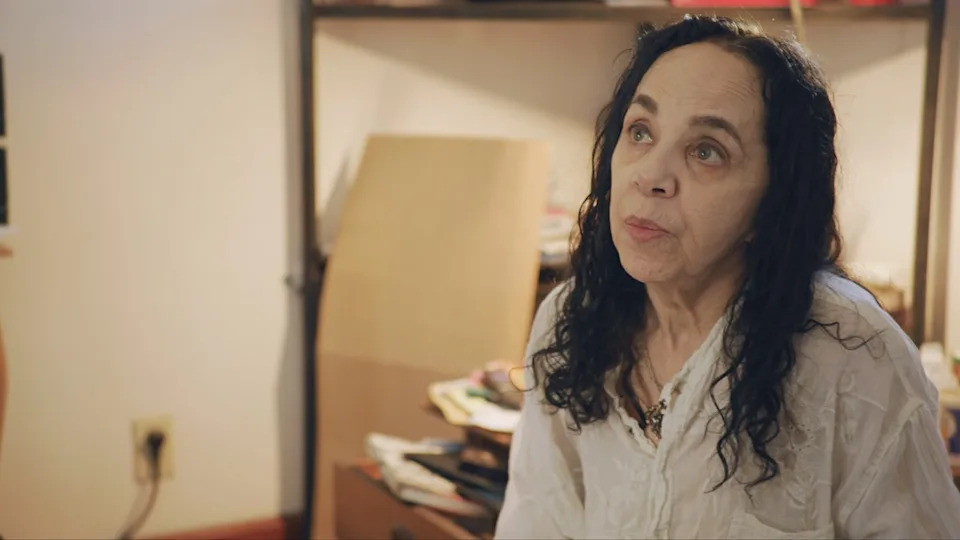
In 1998, Doug Gretzler was executed by lethal injection. Laura Greenberg was present at the prison with his sister.
Help us improve.