The 1995 murder of 31-year-old teacher Mary Catherine Edwards in Beaumont, Texas, remained unsolved for decades until preserved DNA and modern genetic genealogy pointed investigators to Clayton Foreman. Detectives and a professional genealogist built a family tree that led to Foreman, who had personal ties to the victim. A DNA match linked him to the scene, and prosecutors permitted the symbolic use of the same Smith & Wesson handcuffs found on Edwards when arresting him. Foreman was convicted and sentenced to life in prison, bringing closure to the cold case.
Cold Case Closed: DNA and Genealogy Lead to Arrest in 1995 Murder of Teacher Mary Catherine Edwards
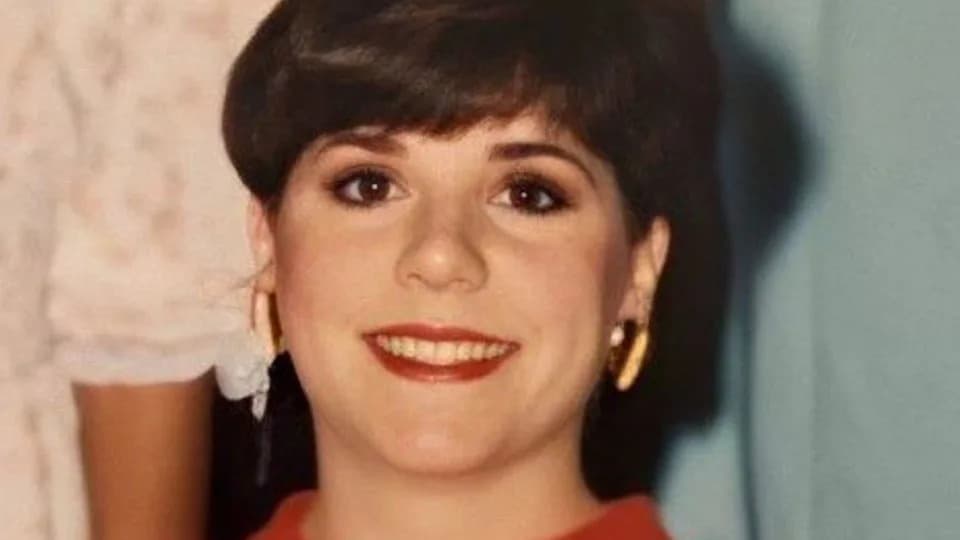
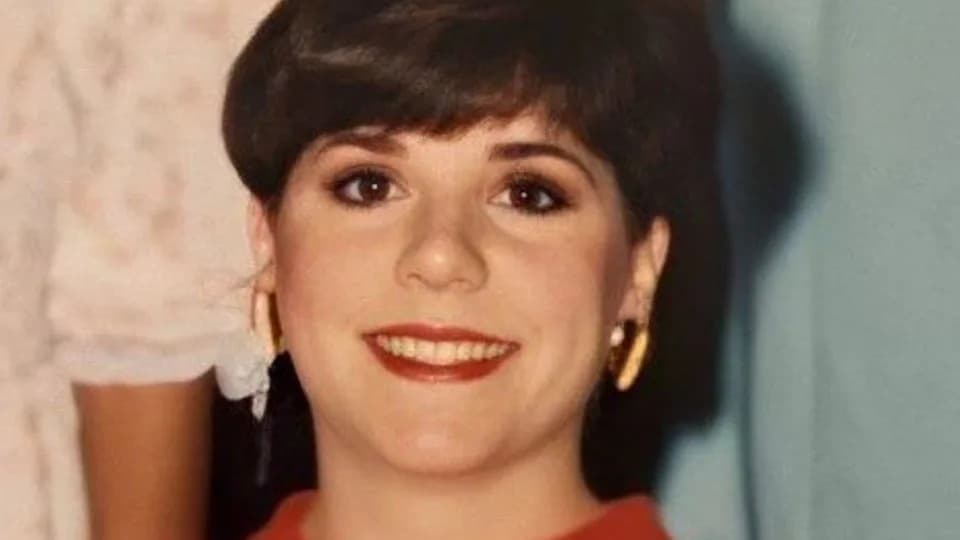
On Jan. 14, 1995, Mary Catherine Edwards, 31, was found dead by her parents in her townhouse in Beaumont, Texas. She was in her bathtub, handcuffed, and had been sexually assaulted. There were no signs of forced entry, which made investigators think she must have known her killer. / Credit: Texas Department of Public Safety
On Jan. 14, 1995, Mary Catherine Edwards, 31, a beloved elementary school teacher, was found dead in her townhouse in Beaumont, Texas. Her parents discovered a horrific scene: Edwards was in her bathtub, handcuffed with police-grade Smith & Wesson cuffs, and had been sexually assaulted. There were no signs of forced entry, which led investigators to conclude she likely knew her attacker.
Early Investigation and a Lingering Clue
From the start, the Smith & Wesson handcuffs were a central lead. Detectives traced their serial numbers and interviewed law enforcement officers, but those lines of inquiry produced no answers. Over time, the case grew cold, and the murder remained unsolved for decades.
New Forensics, New Leads
Years later, carefully preserved DNA evidence and advances in genetic genealogy gave the investigation new life. Beaumont Police Det. Aaron Lewallen, his wife and fellow detective Tina Lewallen, Texas Ranger Brandon Bess, and professional genealogist Shera LaPoint worked intensely for nearly three months to build family trees and sift through genetic matches.
From Genealogy To Arrest
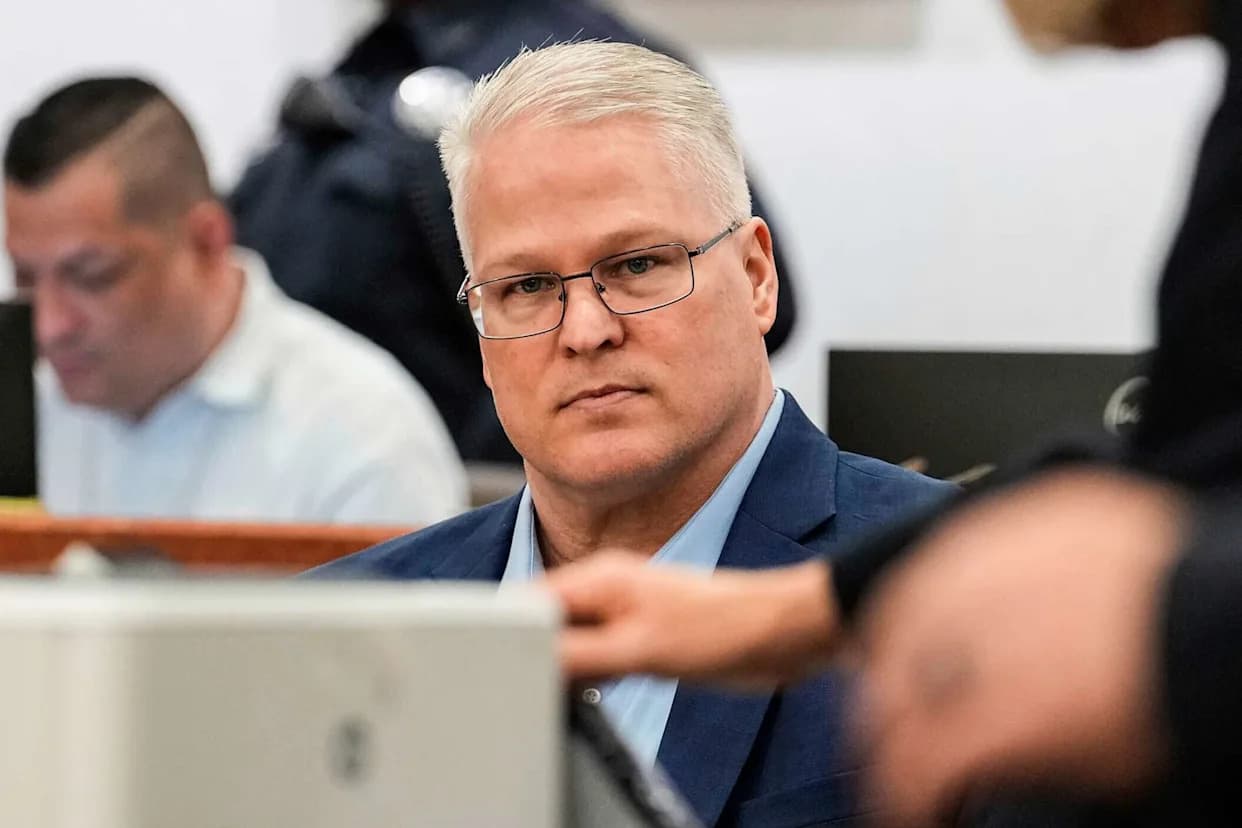
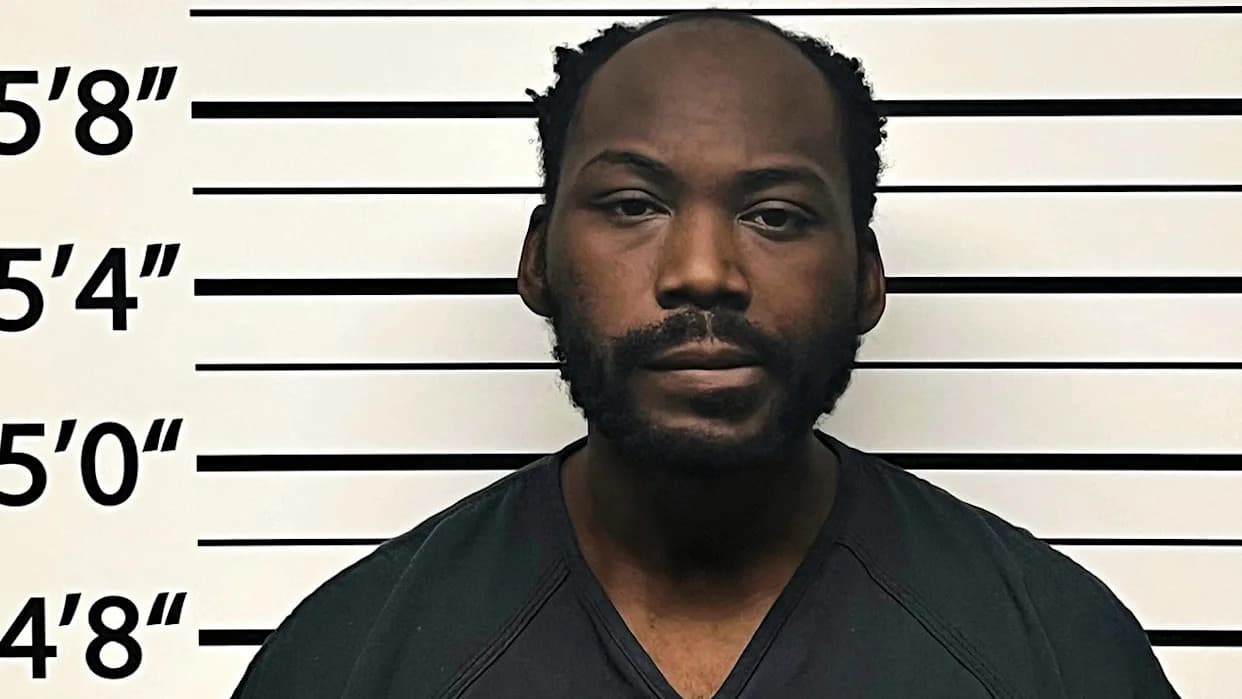
The genealogical work led investigators to Clayton Foreman, a man who had attended the same high school as Edwards. Foreman also had personal ties to the victim: Edwards and her identical twin sister, Allison, had been bridesmaids at the wedding of Foreman’s first wife, Dianna Coe.
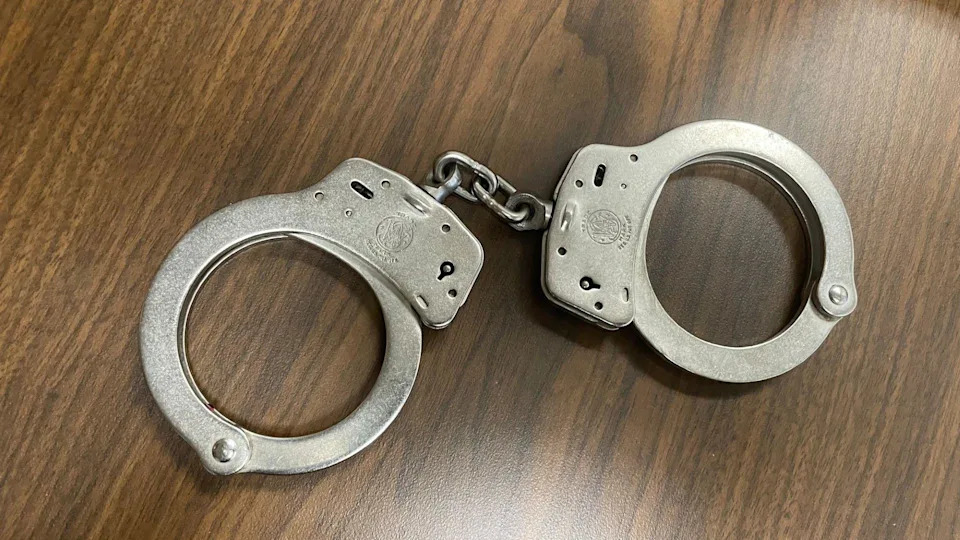
The police-grade handcuffs found on Mary Catherine Edwards were later used to arrest her killer. / Credit: Jefferson County D.A.'s Office
"Could it have been someone that we knew?... It was almost like a ghost story told around the campfire …" — Det. Aaron Lewallen
Coe remembered Foreman’s interest in police gear and recalled that he kept a billy club by the bed and had handcuffs hanging from his rearview mirror. She also remembered a chillingly unemotional response when she called Foreman about Catherine’s murder.
Symbolic Justice
A DNA match soon placed Foreman at the crime scene. When detectives returned with an arrest warrant, prosecutors worked with them to allow a symbolic gesture: the very Smith & Wesson handcuffs found on Edwards were used to restrain Foreman at his arrest. Investigators also learned that Foreman had falsely claimed to be a police officer.
"It’s a moment I’ll never forget ... you feel like you got to do something for Catherine there ... like physically got to do for her, is take those cuffs that bound her when she was murdered and put them back on the guy that murdered her ... It may seem small to some, but it was a really big deal to us, and it felt good." — Ranger Brandon Bess
Conviction
The jury in Foreman’s murder trial deliberated for less than an hour before finding him guilty. He was sentenced to life in prison, bringing long-awaited closure to Edwards’ family and the community.
Reporting Note: This story was covered in an encore presentation of "Tracking the Killer of Mary Catherine Edwards," airing on CBS and streaming on Paramount+.
Help us improve.