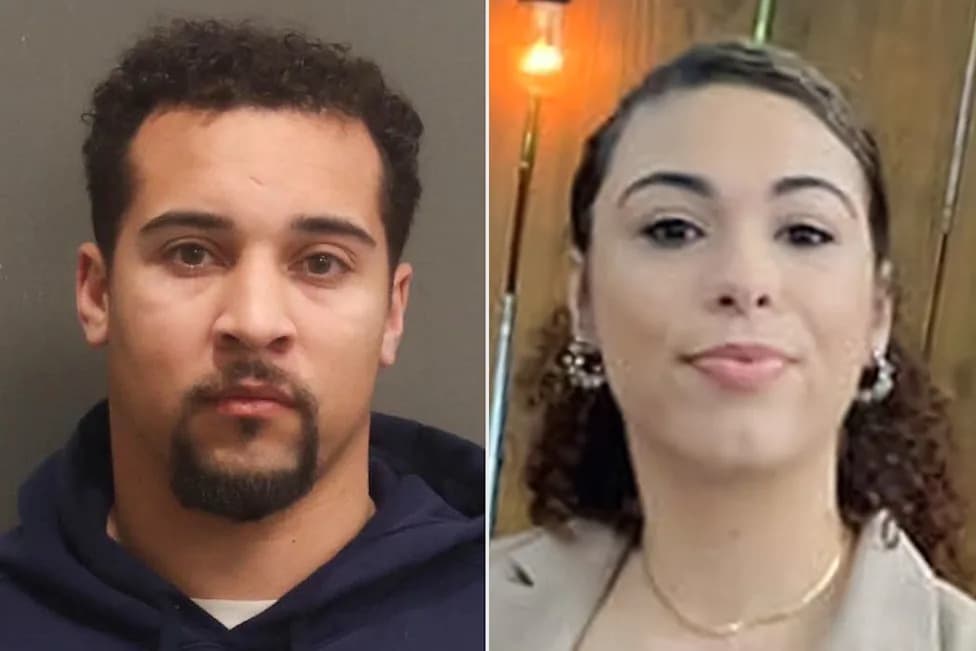
The Tiede case began with a violent 1990s attack on a family cabin near Oakley, Utah, that left two women dead and two daughters taken hostage. Though both suspects were accused of equal participation, Von Taylor pleaded guilty and was sentenced to death, while Edward Deli was convicted of second-degree murder at trial and given life. Key evidence included a video recorded on the family camera; Taylor continues to appeal, arguing autopsy evidence favors him, while the state defends the sentence. The case has become a touchstone in debates over arbitrariness in capital punishment.
Two Killers, Two Sentences: The Tiede Case and the Search for Justice

Edward Deli, left, and Von Taylor / Credit: Deseret News
The brutal attack on the Tiede family unfolded in a remote cabin near Oakley, Utah, leaving two women dead, a husband gravely wounded and two teenage daughters held hostage. Investigators say parolees Von Taylor and Edward Deli walked away from a halfway house, then broke into the home, shot Kaye Tiede and Beth Potts, doused Rolf Tiede with gasoline and set a fire, and abducted 20-year-old Linae Tiede and her 16-year-old sister, Tricia.
Police captured the men after a high-speed chase. Both suspects initially faced the same array of charges, but their cases diverged: Taylor pleaded guilty to two counts of murder and was later sentenced to death; Deli took his case to trial, was convicted of second-degree murder and received a life sentence.
Evidence, Pleas and Trials
Neither defendant cooperated with authorities, so prosecutors relied on physical evidence and witness testimony. One particularly damaging piece of evidence was video recorded on the Tiede family camera while the attackers waited in the house — footage that reportedly shows an armed Taylor tearing open the family’s Christmas presents.
Taylor accepted a plea on the murder counts. Even with some charges dismissed in that agreement, he faced a jury to determine whether his sentence would be life imprisonment or death. His testimony, according to the trial record, was combative and evasive; he admitted pointing a gun but said he could not remember firing it and showed little visible remorse. The jury ultimately imposed the death penalty.
Deli rejected a plea and went to trial. His defense argued Taylor was the primary shooter and raised reasonable doubt about Deli’s responsibility for the fatal wounds. The jury convicted him of second-degree murder, a verdict that precluded capital punishment. Jurors later said a single holdout nearly produced a hung jury and that the panel compromised to reach a lesser verdict rather than force another retrial — a result that stunned the victims’ family.
Appeals and Ongoing Dispute
Taylor has pursued multiple appeals. On his third appearance before the Utah Supreme Court, his lawyer argued that autopsy evidence shows Taylor did not fire the fatal shots and described him as "factually innocent" of the killings, even while acknowledging Taylor fired the earliest rounds. The defense has also sought to cast doubt on witness consistency. The state disputes those claims and continues to defend the death sentence; Taylor remains on death row while the appeals process continues.
It happened so quick, I don't know, a testimony excerpt attributed to Taylor during sentencing proceedings.
Where Justice Stands
Both men were removed from the community immediately and have spent more than two decades behind bars. For victims’ relatives, however, legal outcomes have been mixed: anti–death-penalty advocates highlight the case as an example of how a single juror’s vote or different legal strategies can produce vastly different sentences for co-defendants who allegedly shared responsibility. Linae and Tricia have said they will attend Taylor’s eventual execution, although legal experts stress that even if appeals fail, execution would likely be years away.
Help us improve.