Investigators solved the 1995 murder of 31-year-old teacher Mary Catherine Edwards using preserved crime-scene DNA and modern genetic genealogy. A volunteer genealogist and detectives built a family tree of nearly 7,500 names that led them to Clayton Foreman, who had once married a friend of Edwards and for whom a trash DNA sample produced an overwhelming match. Foreman was arrested in April 2021, convicted in March 2024, and sentenced to life. The verdict brought accountability but, family members say, not full closure.
Genetic Genealogy Solves 1995 Murder Of Teacher Who’d Been Bridesmaid At Suspect’s Wedding
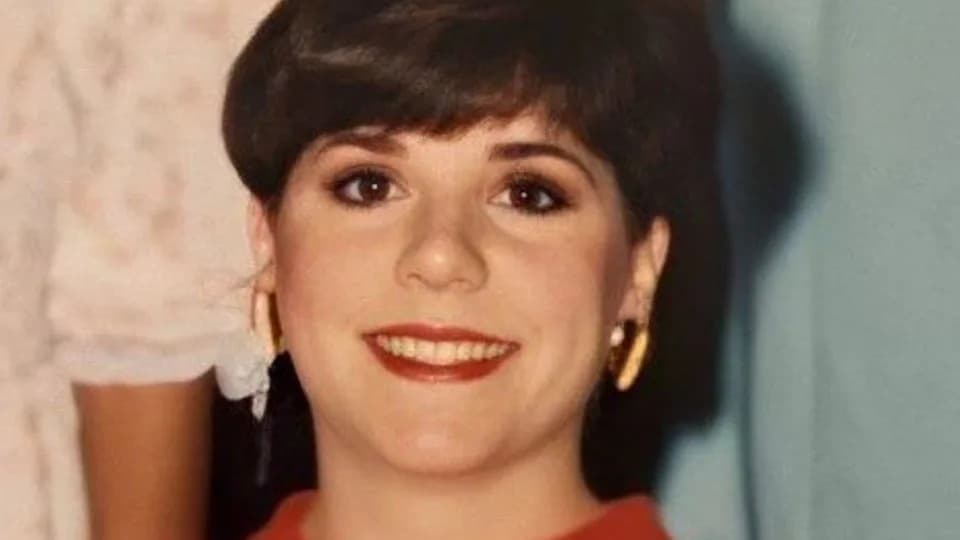
On Jan. 14, 1995, Mary Catherine Edwards, 31, was found dead by her parents in her townhouse in Beaumont, Texas. She was in her bathtub, handcuffed, and had been sexually assaulted. There were no signs of forced entry, which made investigators think she must have known her killer. / Credit: Texas Department of Public Safety
For Texas Ranger Brandon Bess and investigators, the 1995 killing of 31-year-old Mary Catherine Edwards stood out for its cruelty and the questions it left behind. Catherine, a beloved second-grade teacher in Beaumont, Texas, was found in her townhouse on January 14, 1995, sexually assaulted and restrained with police-grade handcuffs. Despite careful preservation of DNA and diligent early detective work, the case went cold for decades.
How New Science Reopened an Old Case
In 2018, advances in genetic genealogy created a path forward: preserved crime-scene DNA could be compared to public family-tree databases. In April 2020 investigators sent the sample to Othram, a private lab, which provided familial matches. Detective Tina Lewallen and volunteer genealogist Shera LaPoint spent months building family trees from those matches, eventually assembling a pedigree of nearly 7,500 names and narrowing the search to the Foreman family in Beaumont.
From Family Tree To Arrest
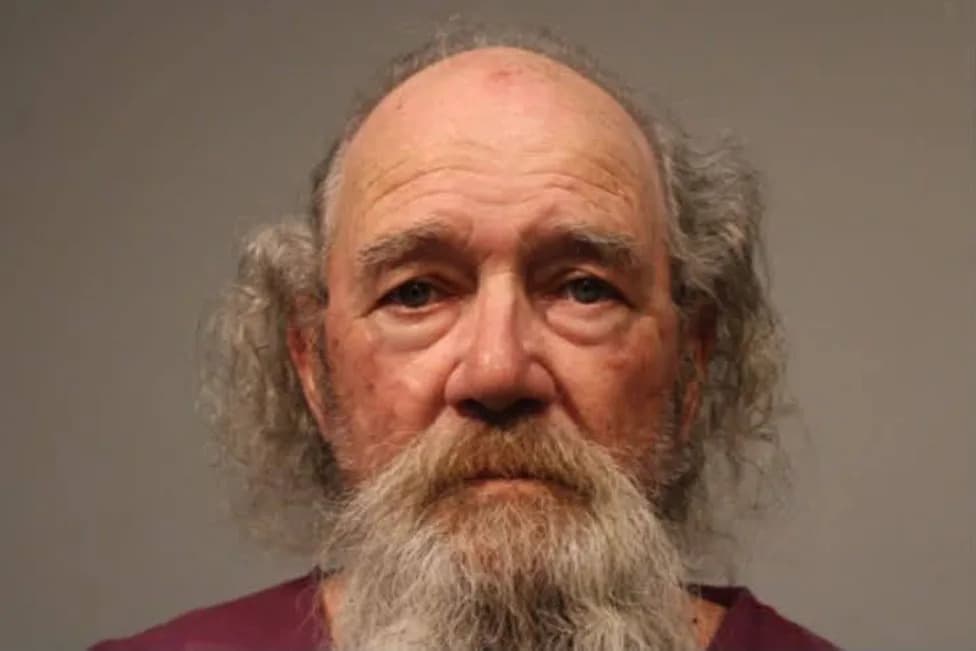
Genealogical research plus traditional detective work identified Clayton Foreman as a candidate. Foreman had a 1981 conviction for sexual assault and a personal connection to the victim: Catherine had been a bridesmaid at the 1982 wedding of Foreman and Dianna Coe, who was a close friend of Edwards. Investigators obtained a discarded trash sample from Foreman in Reynoldsburg, Ohio, where he was living in 2021 and working as an Uber driver. The state crime lab matched his DNA to the evidence from Catherine's home with astronomically high certainty.
Arrest, Trial And Verdict
On April 29, 2021, Ranger Bess and Detective Aaron Lewallen brought Foreman in for questioning under a ruse and confronted him with the DNA match; he invoked his right to counsel and was arrested as he tried to leave. The case went to trial in March 2024. Prosecutors presented the genetic genealogy, the DNA match, eyewitness and victim testimony describing a pattern of deception and abuse, and other corroborating evidence. After less than an hour of deliberation the jury found Foreman guilty. He was sentenced to life in prison and is eligible for parole in 2061.
Aftermath And Reflections
The conviction provided accountability but not full closure: investigators and family members reflected on the decades Catherine was denied, the years Foreman lived free, and the limits of legal resolution when perpetrators remain silent about their motives. Those who worked on the case emphasized how meticulous evidence preservation and modern forensic genealogy can finally give answers in long-cold cases.
Quote: From Catherine's journal, read at trial: "I have given my life to God and I will follow his path for me. The human spirit is stronger than anything that can happen to it."
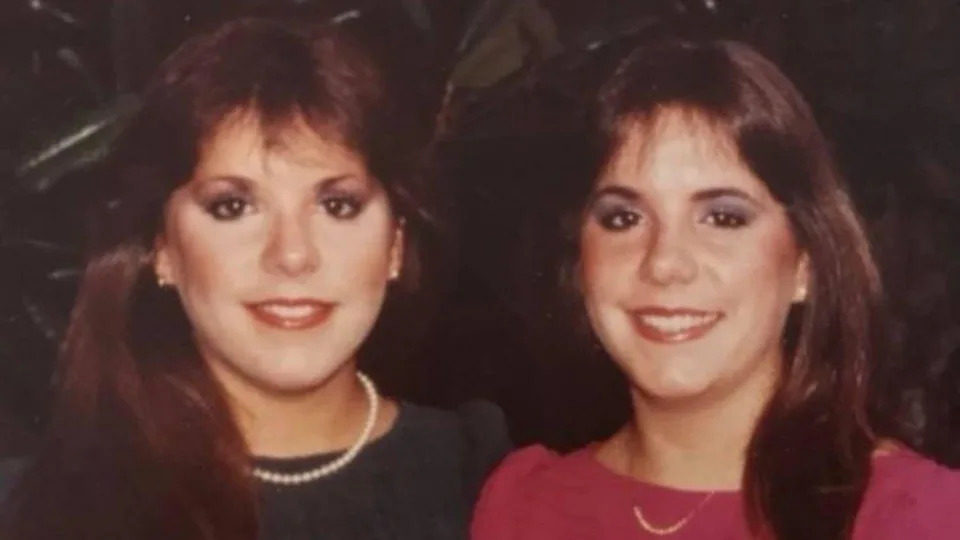
Twins Allison, left and Mary Catherine Edwards. / Credit: Allison Edwards Brocato
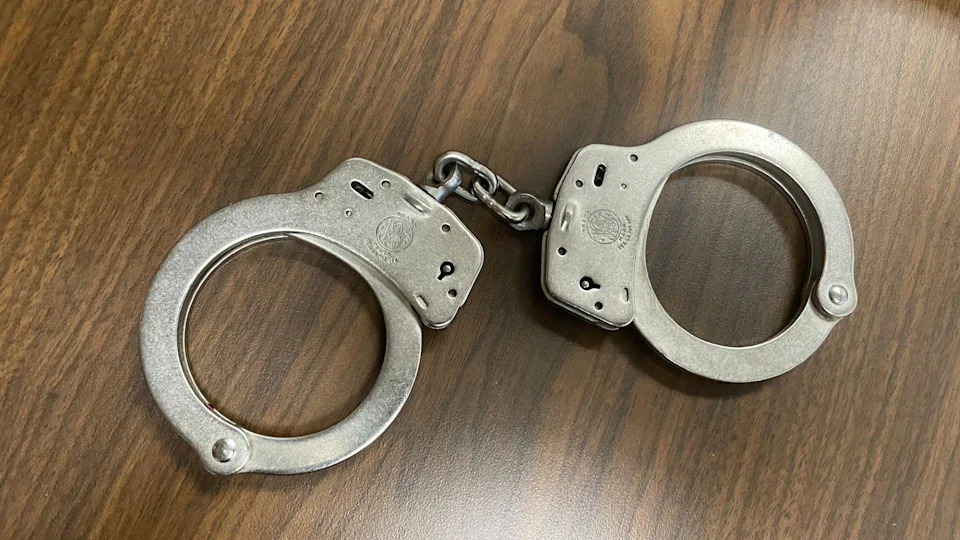
The police-grade Smith & Wesson handcuffs were always a big clue, but when detectives tried tracing the serial numbers, they came up empty. / Credit: Jefferson County D.A.'s Office
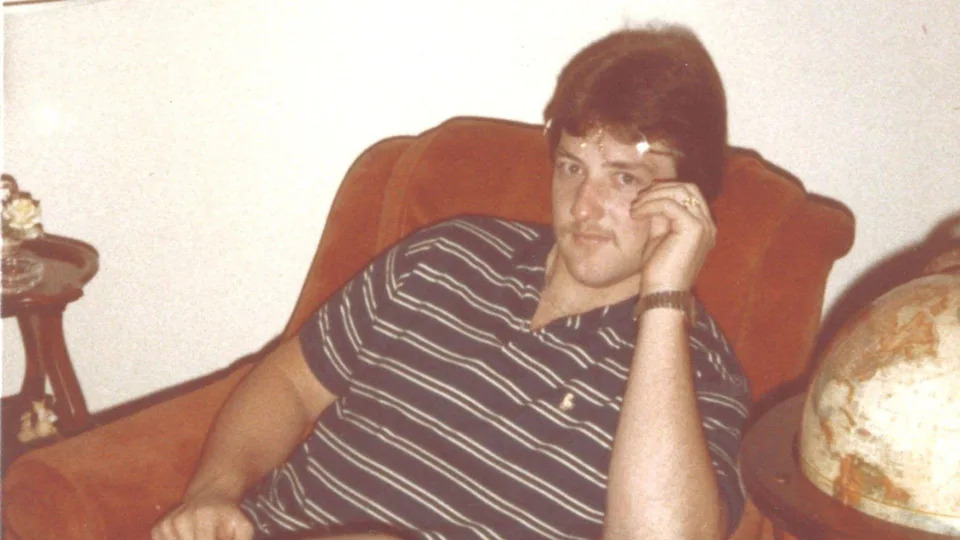
Clayton Foreman went to the same high school as of Mary Catherine Edwards. / Credit: Dianna Coe
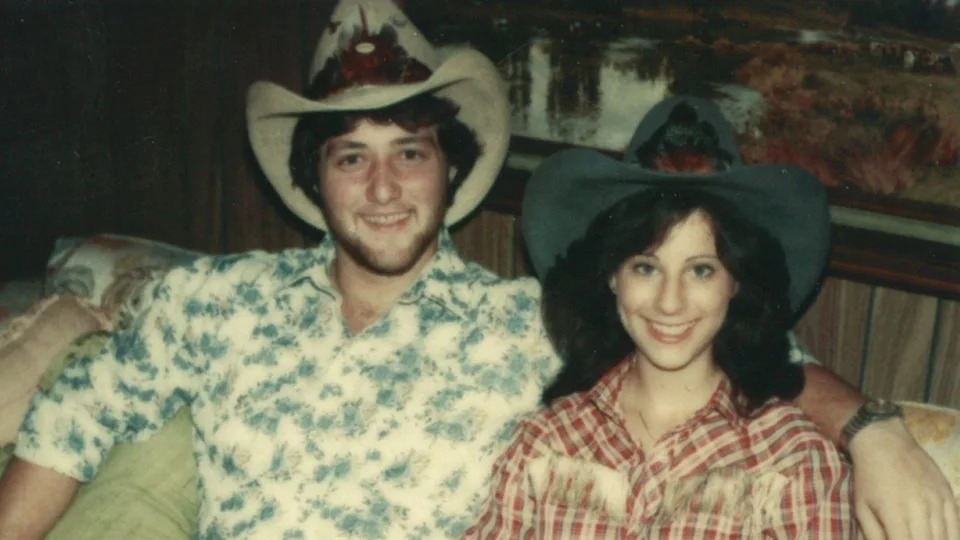
Clayton Foreman and Dianna. / Credit: Dianna Coe
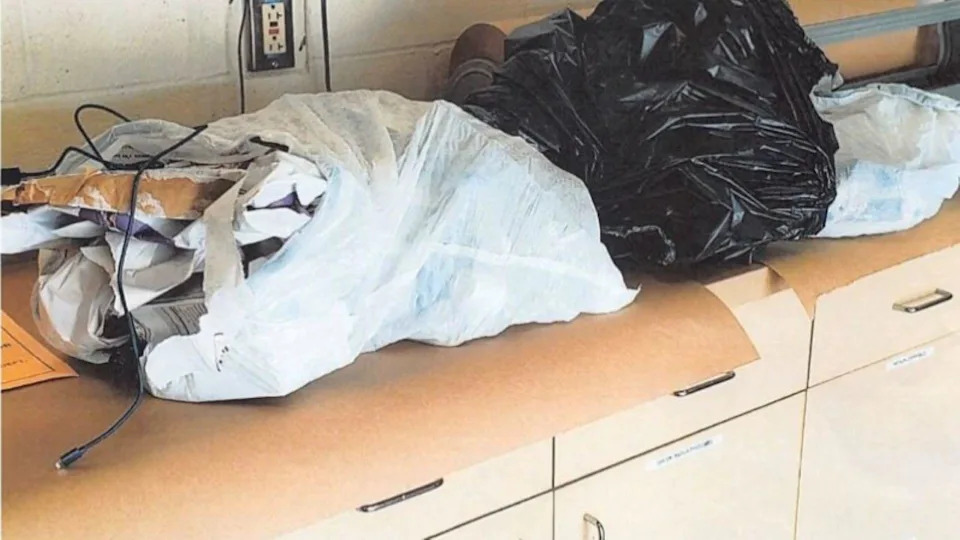
Trash recovered from Clayton Foreman's home was tested for his DNA. / Credit: Jefferson County D.A.'s Office
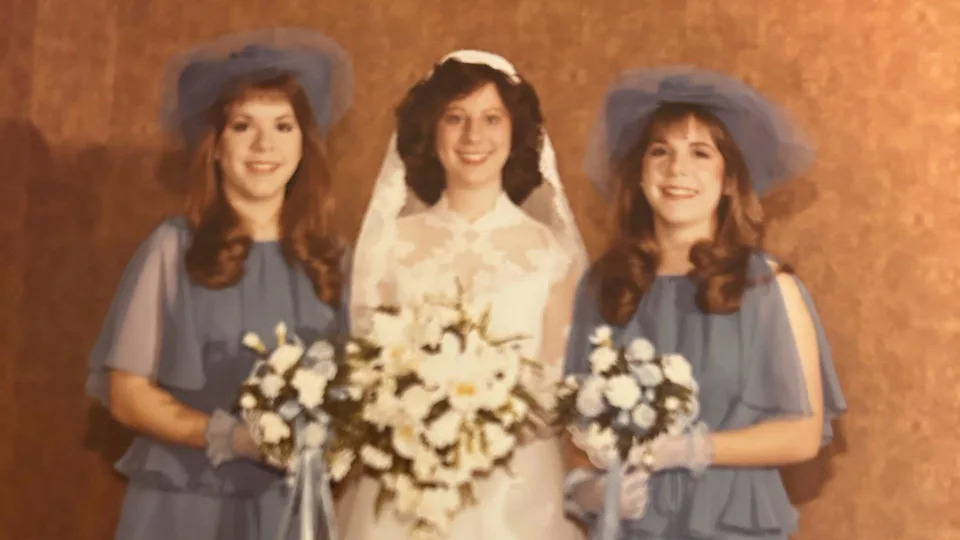
Dianna Coe, center, with her bridesmaids Allison, left and Mary Catherine Edwards. / Credit: Dianna Coe
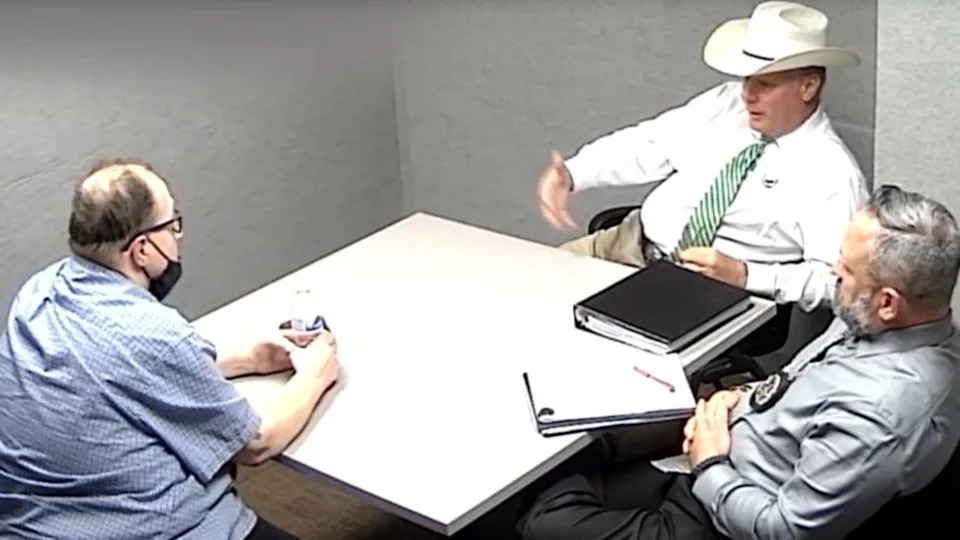
Clayton Foreman, left, is questioned by Texas Ranger Brandon Bess and Beaumont Police Det. Aaron Lewallen on April 29, 2021, in Ohio. / Credit: Jefferson County D.A.'s Office
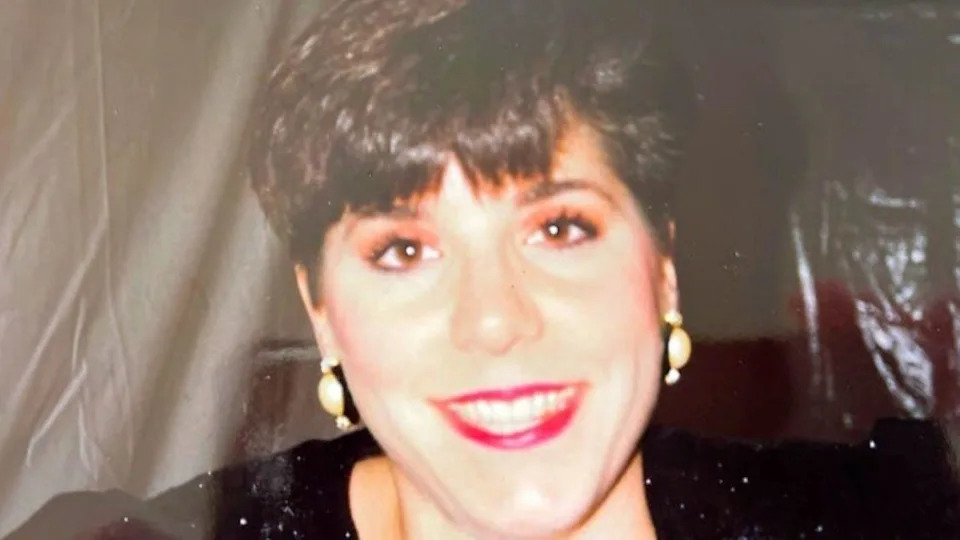
During questioning, Clayton Foreman denied knowing Mary Catherine Edwards – or that she was murdered. / Credit: David Perry
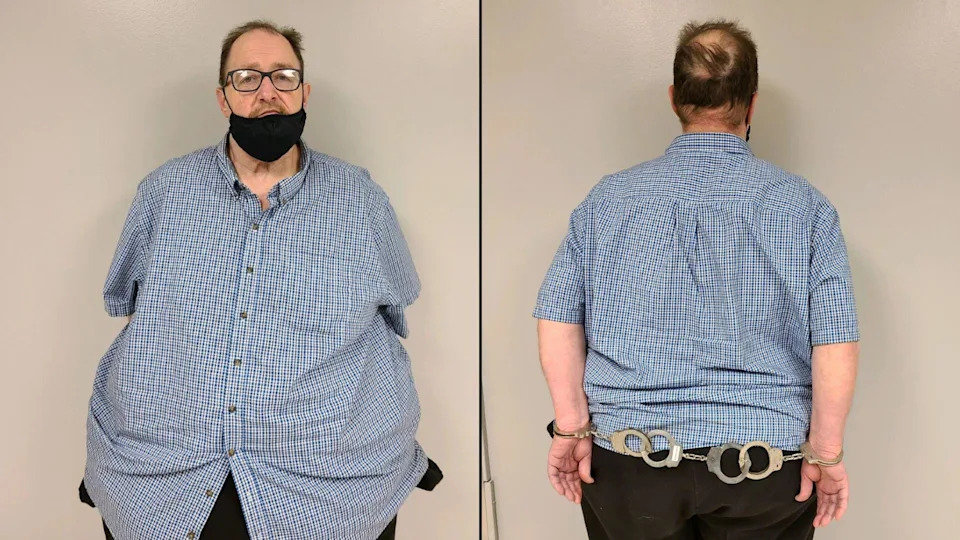
When Clayton Foreman was arrested and charged with the 1995 murder, they did so with the very handcuffs that had bound Mary Catherine Edwards the night she died. / Credit: Brandon Bess
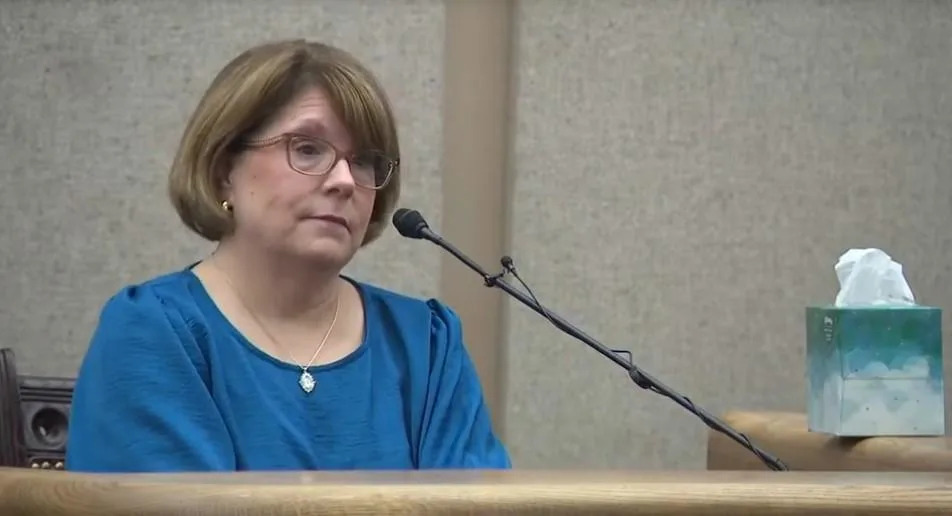
Allison Edwards Brocato testifies at the trial of the man suspected of killing her twin sister in 1995. / Credit: KFDM/Pool
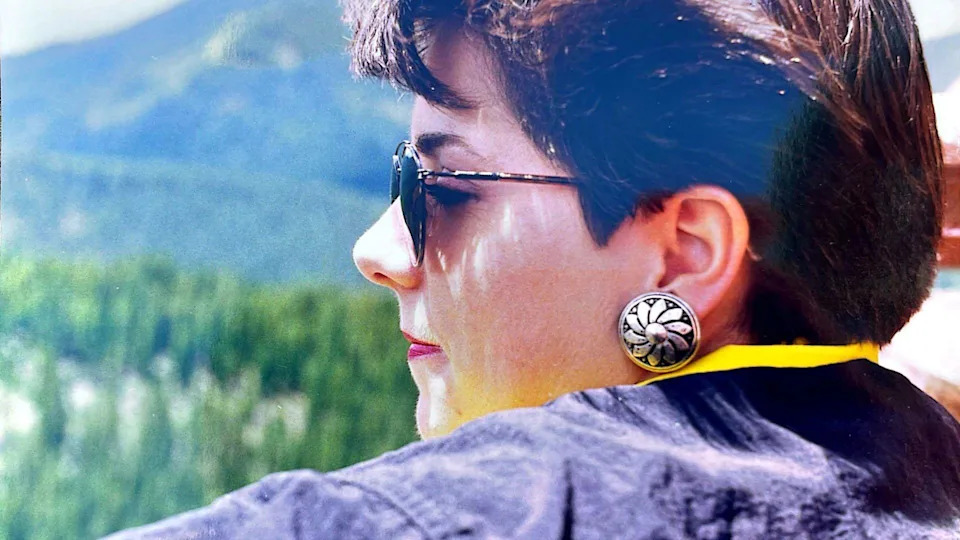
:I had no idea who Catherine Edwards was … but after I read decades of her journals … I feel like I know her,
Help us improve.