Convicted killer Richard Cottingham has confessed to the 1965 murder of 18-year-old Alys Eberhardt, saying he followed her from a Hackensack hospital, used a fake police badge to enter her home, and attacked her. Investigators say he left a rare 1964 World's Fair dagger and inflicted dozens of postmortem cuts. Cottingham is officially tied to 20 murders and has claimed many more; prosecutors declined to file additional charges. Authorities are urging other jurisdictions to interview Cottingham while he remains alive.
Deathbed Confession: 'Times Square Killer' Admits 1965 Slaying Of 18-Year-Old Nursing Student
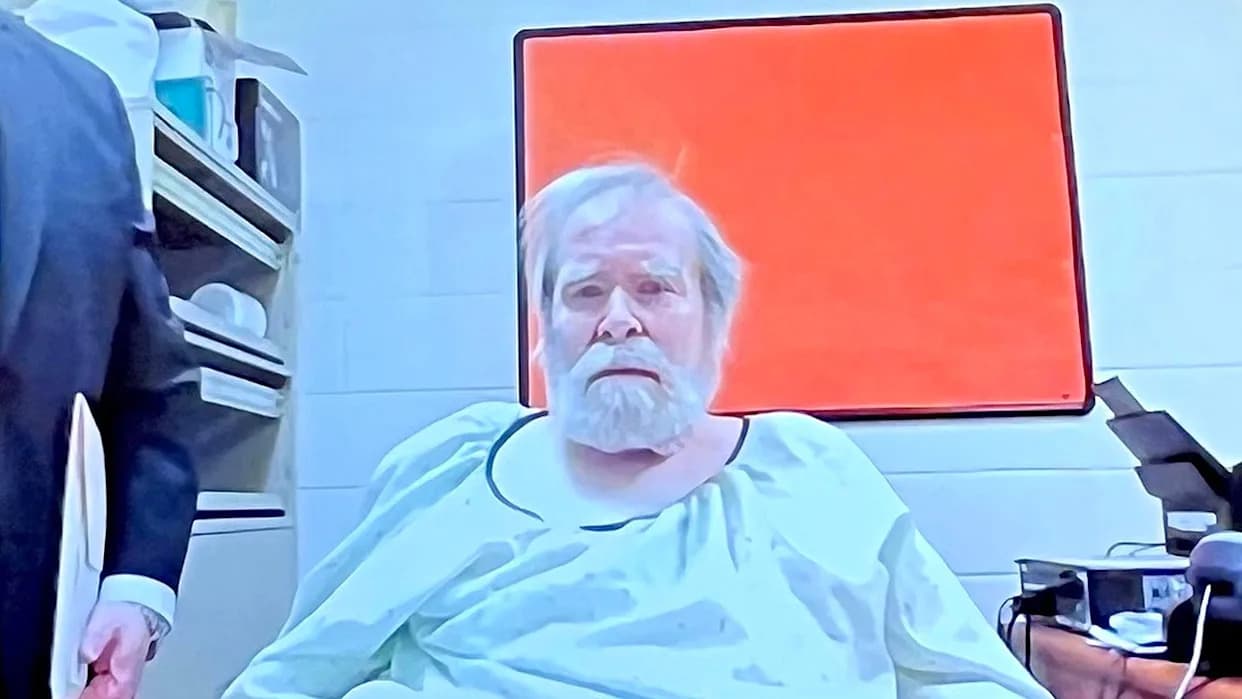
'Times Square Killer' used fake police badge to murder 18-year-old nursing student: deathbed confession
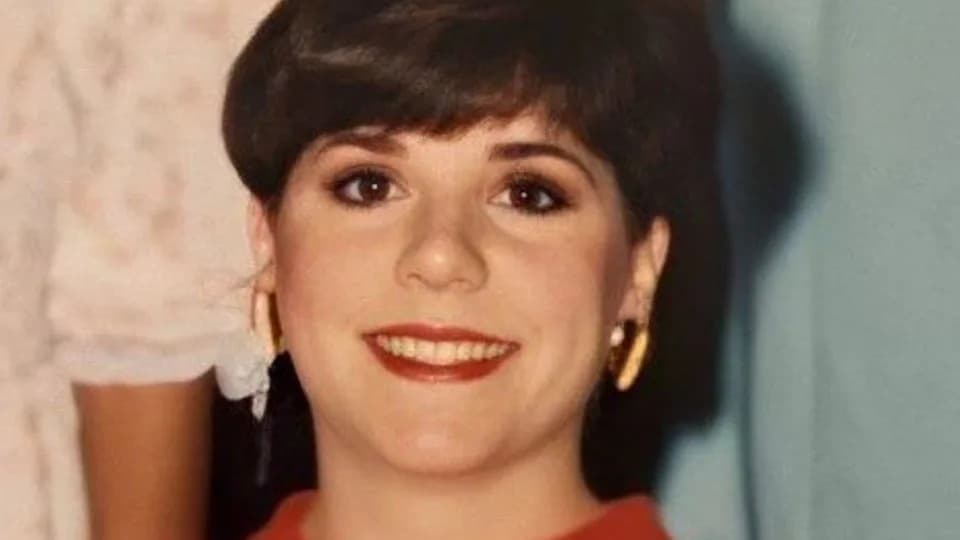
Convicted serial killer Richard Cottingham has confessed on his deathbed to the 1965 murder of 18-year-old nursing student Alys Eberhardt, according to forensic historian Dr. Peter Vronsky and Fair Lawn police. Cottingham told investigators he followed Eberhardt from a Hackensack hospital parking lot, used a counterfeit police badge to gain entry to her home, and attacked her on Sept. 24, 1965.
Crime Details And Evidence
Investigators say Alys's father found her inside the family home with a knife protruding from her neck and evidence of a violent struggle throughout multiple rooms. Authorities report she had been bludgeoned to death and sustained dozens of shallow cuts that Vronsky says were inflicted after death.
Notable physical evidence: Cottingham described leaving a rare dagger from the Jordanian Pavilion of the 1964 World's Fair at the scene. Vronsky said only 1,000 such daggers were produced and sold at a few New York locations, and that Cottingham provided a rough address investigators say matched one of those sales sites.
Modus Operandi And Broader Context
Previously known as the "Torso Killer" and the "Times Square Killer," Cottingham's earlier crimes often followed a different pattern, which made Eberhardt's murder stand out to investigators. Vronsky and others say Cottingham's victims were varied: roughly one-third were sex workers, while the rest—like Eberhardt—were civilians, including students and homemakers.
"He killed completely at random," Dr. Peter Vronsky told reporters. "He didn't have a preferred victim... He killed on impulse."
Vronsky said Cottingham inflicted 62 cuts on Eberhardt's corpse after death and intended to leave 52 marks as a symbolic reference to a deck of cards, though he "lost count." Methods across cases differed—some victims were dismembered, others strangled or drowned—while some were sexually assaulted and others were not.
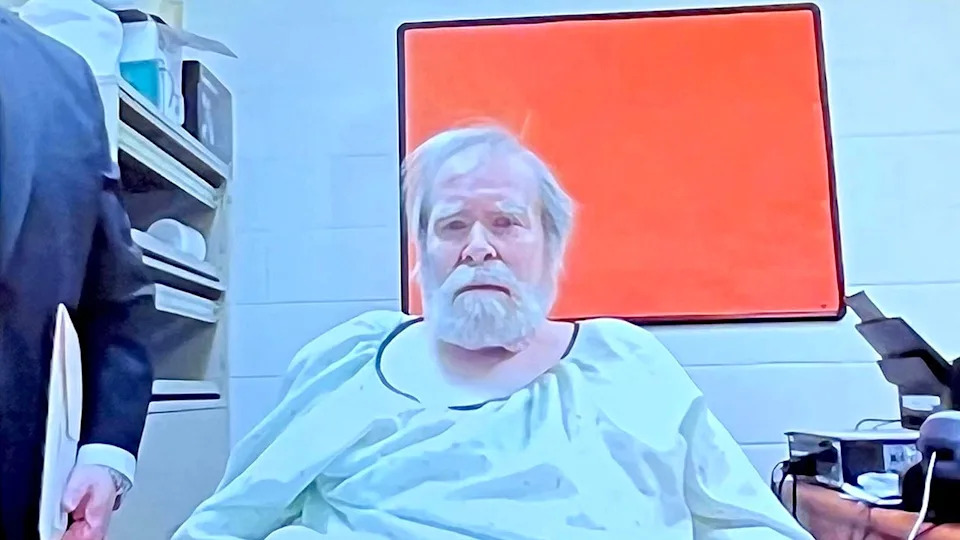
Convicted serial killer Richard Cottingham, known as the "Times Square Killer," is pictured via video link in Supreme Court in Nassau County, N.Y., Dec. 5, 2022.
Investigation, Confession And Legal Status
Fair Lawn investigators reopened the cold case in 2021. Sgt. Eric Eleshewich and Det. Brian Rypkema repeatedly interviewed Cottingham, building rapport that culminated in his admissions during intensive sessions in late 2023. Cottingham, who was 18 at the time of the Eberhardt killing, has long been incarcerated for other murders; he is now officially linked to 20 homicides and has claimed responsibility for many more.
The confession reportedly came on the night of Dec. 22. Bergen County prosecutors have declined to pursue additional charges related to Cottingham's admissions, and police say they have notified Eberhardt's family.
Family And Community Impact
Local leaders and residents recalled the lasting shock the 1965 killing had on the Fair Lawn community. Police Chief Joseph Dawicki described Alys as "a vibrant young nursing student" whose death left a long-standing wound in the town. A family statement thanked investigators for bringing a measure of closure after decades.
Appeal To Other Jurisdictions
With Cottingham in failing health, Vronsky and local detectives are urging law-enforcement agencies in New Jersey, New York and beyond to interview him about other unsolved homicides before he dies. Investigators say that during the 1960s and 1970s Cottingham sometimes crossed county lines—an approach that complicated efforts to link cases before modern data-sharing tools.
Note: This account is based on statements by Dr. Peter Vronsky, public announcements from Fair Lawn police, contemporary reporting and the investigators involved. Bergen County prosecutors have declined further comment on new charges.
Help us improve.