Overview: Of the 24 Silent Generation members in Congress, 13 plan to run again in 2026, keeping older lawmakers in the spotlight as their cohort’s average age approaches 85. Vice President J.D. Vance cast a tiebreaking Senate vote blocking limits on presidential authority to use force in Venezuela — a decision that publicly ties him to U.S. Venezuela policy and could create political liabilities if outcomes sour. Other developments include tensions in Minneapolis, Iran pausing executions and reopening airspace, European troops in Greenland, and notable House and campaign maneuvers.
Silent Generation Holds On: Older Members Run Again — VP Vance’s Venezuela Vote Could Carry Political Costs
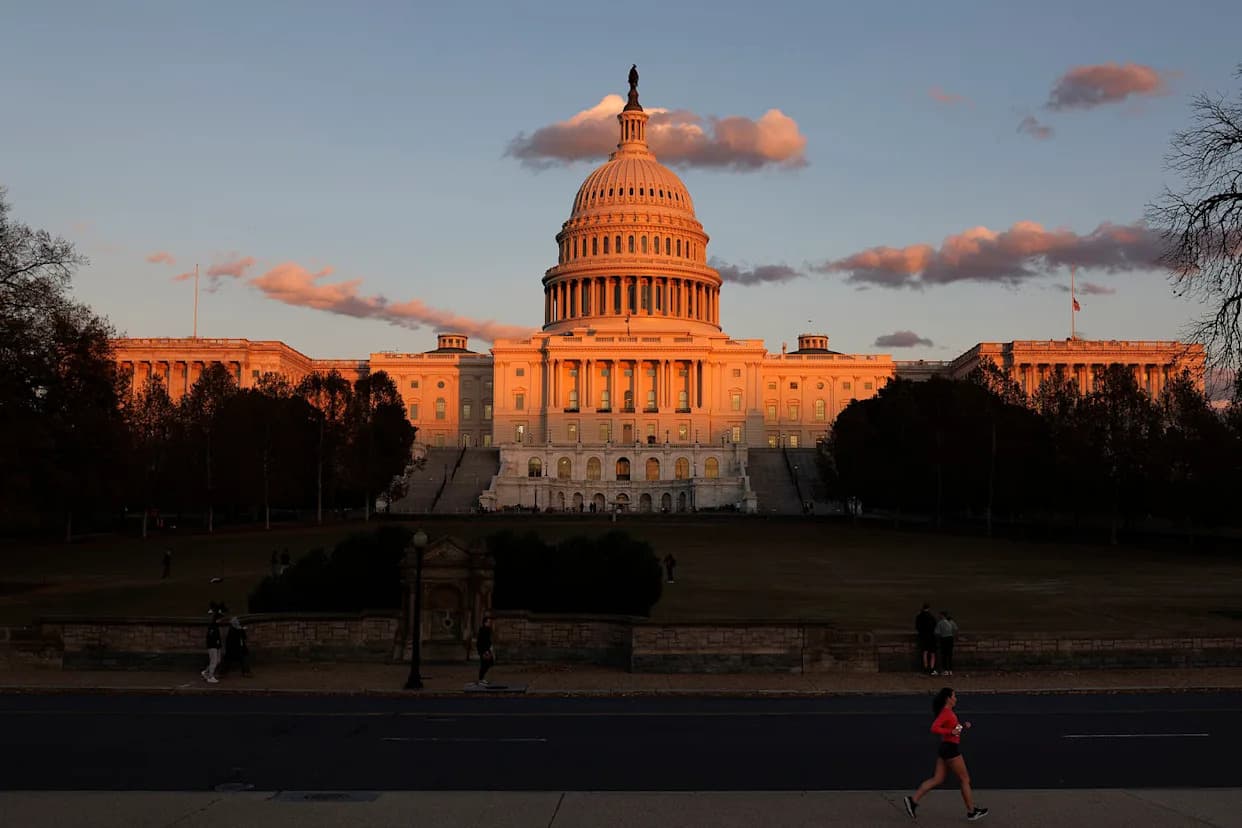
The Capitol in Washington, D.C., in 2025. (Tom Brenner / Getty Images)(Tom Brenner)
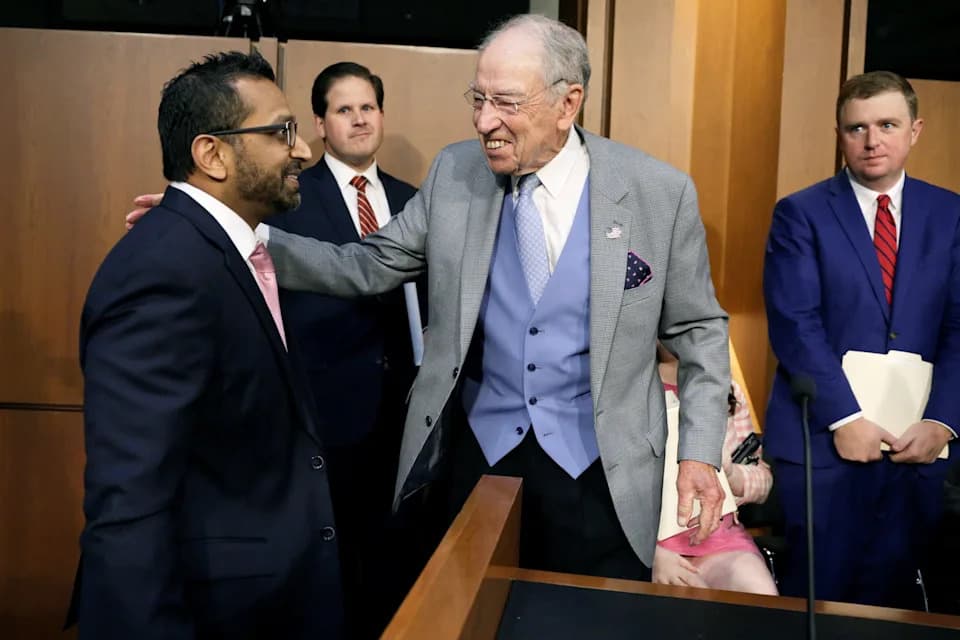
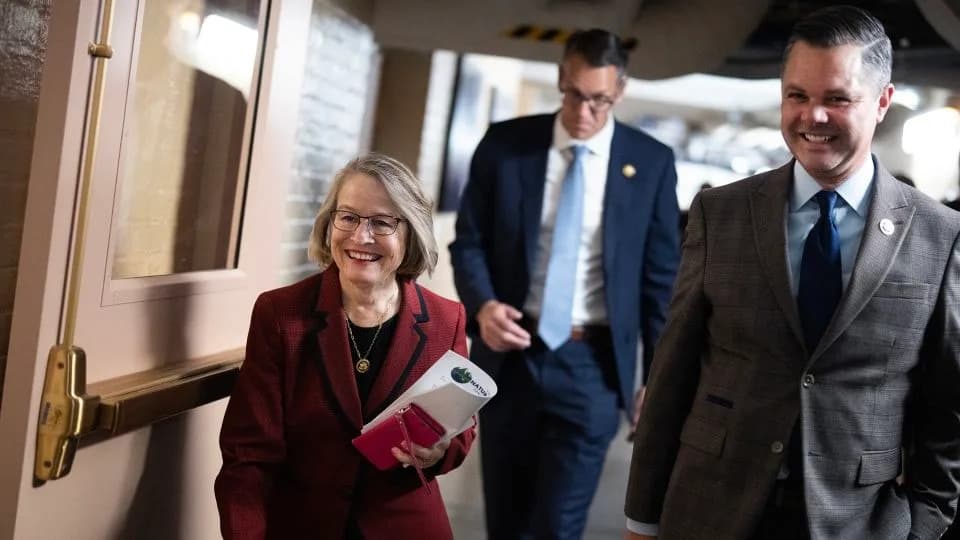
Many of Congress’s oldest lawmakers show little appetite for retirement. An NBC News review found that of the roughly two dozen members of the Silent Generation serving in Congress, 13 have indicated plans to run again in 2026 — keeping generational turnover and questions about tenure alive on Capitol Hill.
The current Congress remains one of the most senior in modern history: it was the third-oldest at the start of the session, with an average age of 58.9 years, compared with a U.S. median age of 39.1. Among the 24 Silent Generation members (born 1928–1945), the average age is 83.8. Most are Democrats; Sen. Chuck Grassley (R‑Iowa), at 92, is the oldest, while Rep. David Scott (D‑Ga.), at 80, is the youngest of the group. By year’s end, the average age for this cohort will approach 85, with ten members at or above that milestone and three nearing 90.
The Silent Generation’s presence has already contracted — from 39 members in 2021 to 24 in 2025 — as Generation X and millennial politicians replace older lawmakers. But with at least 13 planning to seek re-election, this cohort could continue to hold seats into the next decade and intensify debates about how long elected officials should serve.
“You got to like the job, and you got to have enough time to spend with your family, and you got to have your health, and if you’ve got your health and you’re doing what you want to do, why not?” — Sen. Jim Risch (R‑Idaho), 82, who chairs the Senate Foreign Relations Committee and is running for another six-year term.
“My work is not finished, and I don’t know if it will ever be finished.” — Rep. Maxine Waters (D‑Calif.), 87, ranking member of the House Financial Services Committee.
Vice President J.D. Vance’s Record Vote On Venezuela
Separately, Vice President J.D. Vance cast a dramatic tiebreaking Senate vote against a resolution that would have limited President Donald Trump’s authority to use military force in Venezuela. Vance’s motorcade rushed to the Capitol as senators shuffled between events; the vote was symbolically vivid but, in the immediate legislative sense, largely moot — the House was not going to advance the measure, and the White House would not have signed it.
Still, the vote matters politically. A veteran of the Iraq War who has sometimes expressed caution about military action, Vance has frequently ceded public leadership on Venezuela policy to figures such as Secretary of State Marco Rubio and former Defense Secretary Pete Hegseth. By breaking the Senate tie, Vance is now unmistakably on record supporting broad presidential authority on Venezuela — a position that could help or hurt him politically depending on how U.S. policy there unfolds.
If the administration’s approach is judged successful, the political upside for having supported it is limited. If the policy leads to a costly, prolonged engagement or a chaotic aftermath, Vance’s vote could become a durable liability for primary and general-election challengers as early as 2028.
Other Notable Developments
- Minnesota: President Trump threatened to invoke the Insurrection Act amid rising tensions in Minneapolis; the Department of Homeland Security reported that a federal officer shot a man in the leg during an attempted traffic stop.
- Iran: Tehran signaled it would not immediately move forward with executions of protesters and reopened its airspace; the White House discussed wanting any U.S. military action to be swift and decisive.
- Greenland: European troops arrived as a show of support amid tensions sparked by U.S. policy statements.
- Military Video Controversy: Federal prosecutors contacted three House Democrats after their participation in a video urging service members not to follow unlawful orders.
- House GOP Discipline: With a razor-thin majority in the House, Republican leaders warned members that absences should be limited to life-or-death matters.
- House Race: Madison Sheahan, a deputy director at U.S. Immigration and Customs Enforcement, resigned and launched a campaign for a competitive Ohio House seat.
- Redistricting: Several states are preparing to consider new congressional maps following this year’s midterm elections.
This reporting highlights two broader themes: generational continuity in legislative power, and the political risks officials take when they place themselves on record for consequential foreign-policy decisions.
From the Politics Desk. Compiled by Adam Wollner. For feedback, email [email protected].
Help us improve.