Five Senate Republicans briefly joined Democrats to advance a war-powers resolution aimed at removing U.S. forces from unauthorized hostilities in Venezuela, but the coalition unraveled before a final Senate vote. Vice President J.D. Vance broke a 51–50 tie on a procedural move that blocked the measure. Susan Collins, Lisa Murkowski and Rand Paul stood firm; Josh Hawley and Todd Young reversed their votes after intense public and private pressure from President Trump. While largely symbolic and unlikely to survive the House or a veto, the episode highlighted the president’s ability to influence GOP senators.
Hawley and Young Fold to Trump: Bipartisan Venezuela Resolution Stalled After Intense Pressure
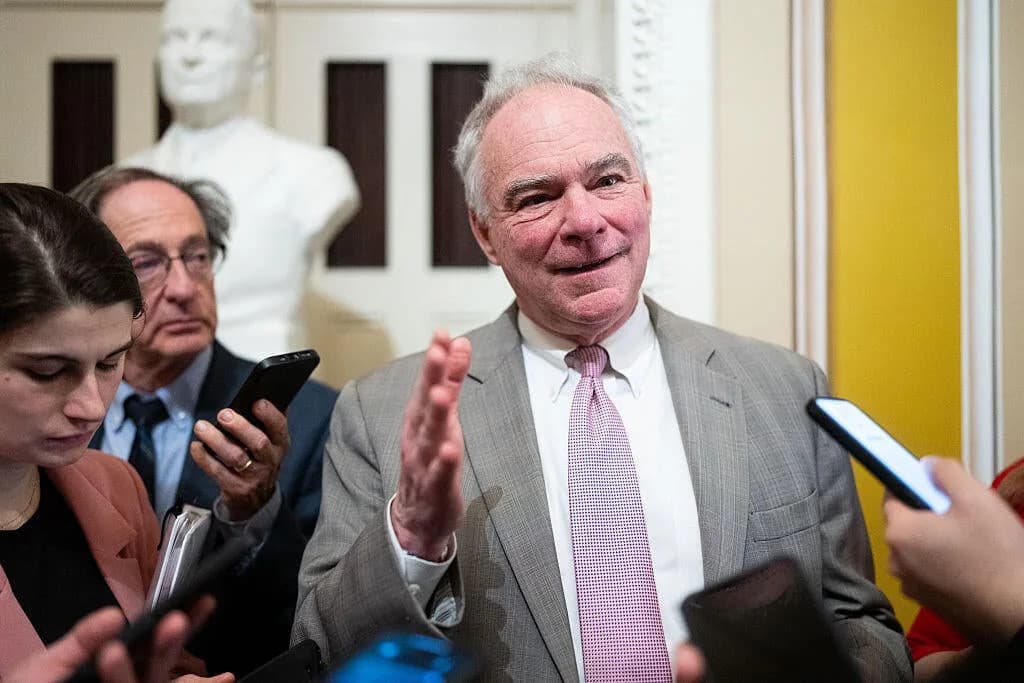
Throughout 2025, Senate Democrats—led in part by Sen. Tim Kaine of Virginia—repeatedly pressed war-powers resolutions designed to constrain President Donald Trump’s authority to use force abroad. Each prior attempt stalled amid unified Republican opposition.
Last week produced a surprising turn: five Senate Republicans crossed party lines to join Democrats and advance a war-powers resolution aimed at limiting U.S. military involvement in Venezuela. The text was written to “direct the removal of United States Armed Forces from hostilities within or against Venezuela that have not been authorized by Congress.”
That cross-party success occurred on a procedural vote, but the measure still required one additional Senate vote to proceed to the House. If the 53 senators who initially supported it had held together, it would have moved forward for House consideration.
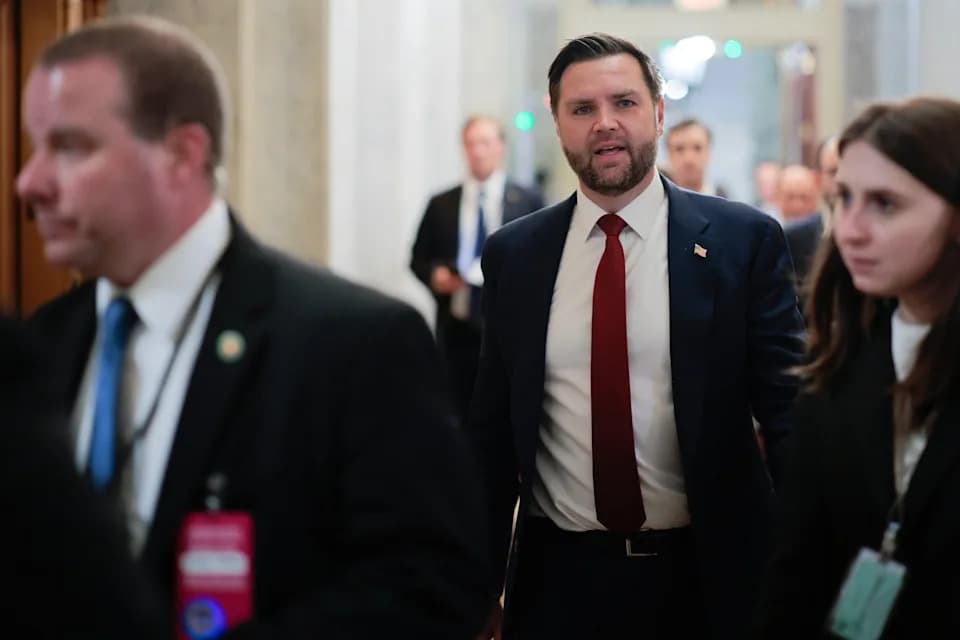
Instead, the coalition collapsed. According to reporting from MS NOW, Senate Republicans deployed a procedural tactic that blocked the Venezuela resolution from getting a final vote. The decisive tally was 51–50 after Vice President J.D. Vance arrived at the Capitol to break a tie.
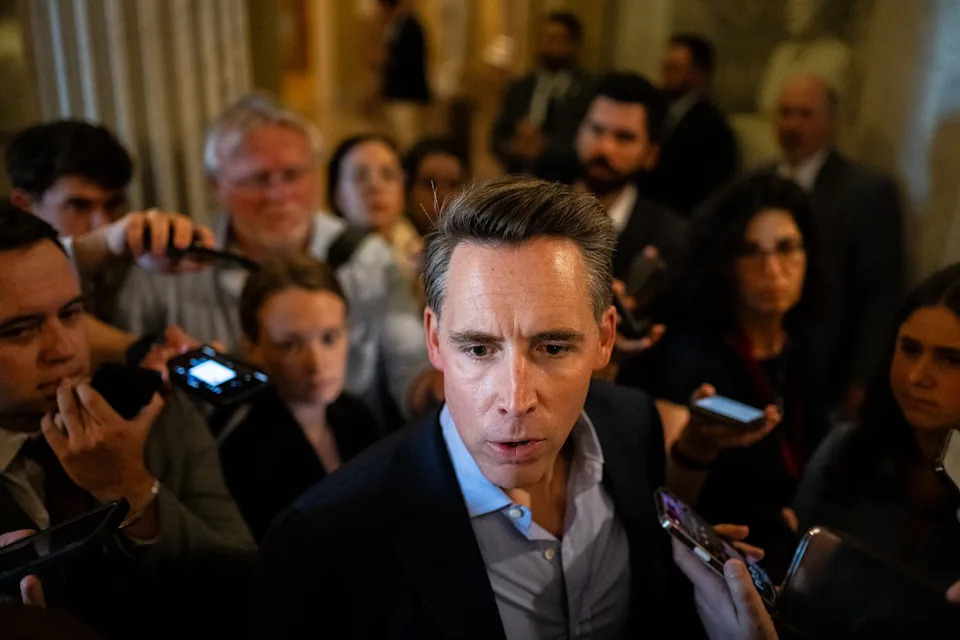
Missouri Sen. Josh Hawley talks to reporters during a vote on Oct. 6, 2025, at the Capitol.(Graeme Sloan / Bloomberg via Getty Images)
Of the five GOP senators who had voted with Democrats, three—Sen. Susan Collins (Maine), Sen. Lisa Murkowski (Alaska) and Sen. Rand Paul (Kentucky)—remained firm. Two, however, reversed course. Sen. Josh Hawley (Missouri) was the first to announce his change, and Sen. Todd Young (Indiana) followed.
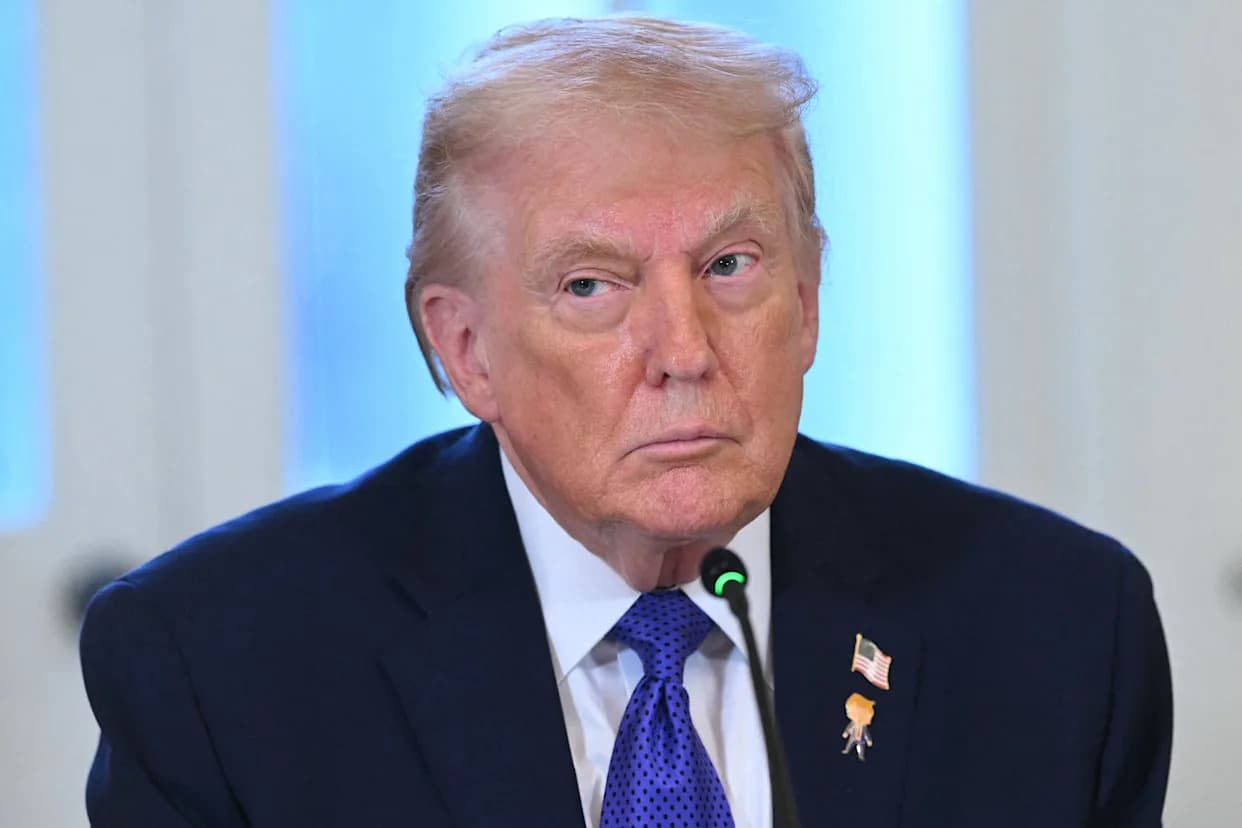
Why did they fold? Almost immediately after the initial bipartisan vote, President Trump publicly denounced the five Republican defectors on his social platform, saying they “should never be elected to office again.” MS NOW reported that the president then placed heated phone calls to each senator who had broken with him; a source described Trump as “very upset, angry, yelling,” and characterized his call with Sen. Young as particularly intense. The pressure culminated with public rebukes at a rally in Detroit, where Trump repeatedly attacked those who crossed him.
“Why wouldn’t our Republican colleagues just do what Congress is supposed to do, assert our authority, and say, ‘Let’s have a debate’?” Senate Majority Leader Chuck Schumer asked on the floor after the vote. He warned the Senate’s failure to act under Republican leadership amounted to a road map to another endless war.
It is important to note the resolution’s limited practical effect: even if it had cleared the Senate, it would have faced long odds in the GOP-led House and an almost certain presidential veto if it reached the White House. Still, the episode matters politically. By reversing their votes, Hawley and Young sent a clear signal to colleagues and to the White House: public pressure—and private intimidation—can work on some members of the GOP caucus.
Beyond the immediate outcome, the episode illustrates broader tensions about congressional oversight of military action. Supporters of the resolution argued that Congress must reclaim its constitutional role to authorize uses of force; opponents warned that the measure was symbolic, could hamper executive flexibility, and risked internal GOP discipline when members defied the president.
The stalled vote leaves the larger dispute unresolved: whether Congress will use its war powers to check unilateral military actions, or whether presidential leverage over party members will continue to determine outcomes.
Help us improve.