
Democrats are struggling to respond to the Trump administration’s military capture of Nicolás Maduro without losing focus on domestic affordability issues. Many welcome Maduro’s removal but criticized the White House for bypassing Congress and carrying out lethal strikes as part of the operation. Polling shows the public narrowly divided, with a majority saying congressional approval should have been required. Party strategists urge candidates to frame a clear national-security rationale while keeping the spotlight on rising health-care costs.
After Maduro's Capture, Democrats Struggle to Keep Focus on Affordability Amid Foreign-Policy Split

House Minority Leader Hakeem Jeffries speaks during a news conference on Capitol Hill, Monday, January 5, in Washington, DC. - Mariam Zuhaib/AP
Democrats are wrestling with how to respond to the Trump administration’s military operation that captured Nicolás Maduro — a development that exposed fault lines within the party over foreign policy and threatened to eclipse Democrats’ central message on affordability.
Many in the party welcomed Maduro’s ouster but criticized the White House for ordering the raid without notifying Congress. Lawmakers from across the party condemned both the bypassing of congressional oversight and Maduro’s record of authoritarianism and ties to hostile actors.
“The Constitution isn’t a matter of inconvenience. It’s a requirement,” House Minority Leader Hakeem Jeffries said. “There is no Trump exception to the United States Constitution.”
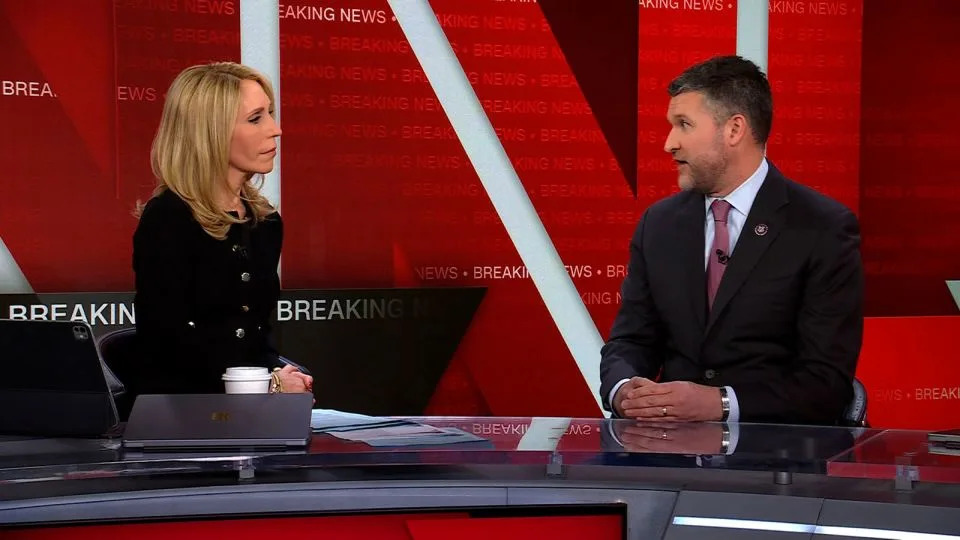
Rep. Patrick Ryan, right, speaks with CNN's Dana Bash on Monday, January 5. - CNN
The Senate is expected to consider a resolution this week aimed at limiting the president’s war powers with respect to Venezuela after the administration carried out lethal strikes on suspected drug-smuggling vessels as part of the operation.
Domestic Priorities Versus Foreign Policy
Several Democrats have tried to link the Venezuela operation to domestic cost-of-living concerns, arguing the administration is prioritizing foreign interventions over urgent economic problems at home. Potential 2028 hopefuls have emphasized the impending expiration of enhanced premium tax credits for Affordable Care Act plans on January 1, which would raise costs for millions of Americans.
“Do we want to start more regime change, oil-focused wars, or do we actually want healthcare for the American people?” Rep. Patrick Ryan, a New York Democrat and Army combat veteran, told CNN. “That’s the choice that was just made with no consultation by the people or the Congress.”
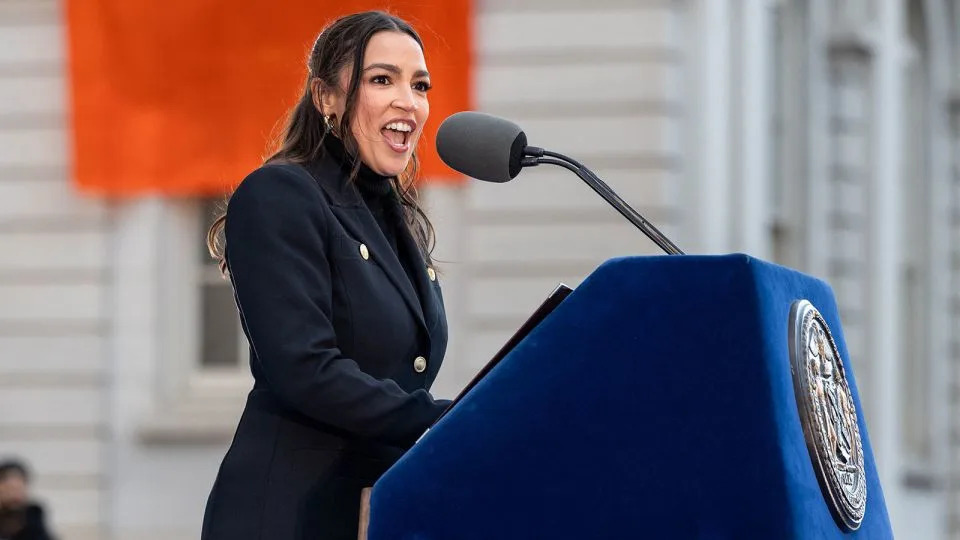
Rep. Alexandria Ocasio-Cortez addresses the crowd at the 2026 New York City Inauguration outside of City Hall in New York on January 1. - Jason Alpert-Wisnia/Hans Lucas/AFP/Getty Images
Pennsylvania Gov. Josh Shapiro criticized Maduro as a ‘‘bad guy’’ who stole elections and oppressed his people, while warning that Democrats must focus on domestic problems such as rising health-care losses. Illinois Gov. J.B. Pritzker urged leaders to prioritize affordability, and Rep. Alexandria Ocasio-Cortez suggested the operation risked distracting from other major issues, including newly released Department of Justice files related to Jeffrey Epstein and surging health costs.
Public Opinion and Political Calculations
A Washington Post poll conducted over the weekend found Americans narrowly divided: 40% approved of sending U.S. forces into Venezuela to capture Maduro, 42% disapproved, and 18% were unsure. A clear majority — 63% — said the operation should have required congressional approval.
Democratic strategists say the party faces a choice: press a constitutional and oversight argument against unilateral action, or emphasize domestic economic concerns where they are more likely to resonate with voters. Joel Rubin, a former State Department official, urged candidates to explain the national-security rationale for any action rather than merely pandering to the base.

Nicolas Maduro is seen in handcuffs after landing at a Manhattan helipad, escorted by heavily armed Federal agents into an armored car en route to a Federal courthouse in Manhattan on Monday, January 5, in New York City. - XNY/STAR MAX/IPx/AP
“If you’re a serious candidate, you’re actually going to try to explain why it’s in the broader American national security interest to get this right,” Rubin said. “It will shape perceptions of a candidate’s seriousness as a leader.”
Critics such as Matt Duss of the Center for International Policy called the operation illegal and warned that Democratic rhetoric must be matched by stronger actions to check executive power while the party remains in the minority.
As Democrats weigh their response, they must balance constitutional concerns, national-security arguments and the pressing need to keep voters focused on affordability — especially rising health-care costs and changes to ACA subsidies that will affect millions.
Help us improve.


