The NBC News politics team highlights 10 storylines to monitor in 2026, including the economy, health care, immigration, control of Congress, Supreme Court decisions and shifting foreign-policy priorities. Voter economic sentiment — and whether people feel the benefits of the administration’s agenda — will be central to the midterm outlook. Key institutional pressures include looming premium hikes from expired health-care subsidies, possible Supreme Court rulings on novel presidential actions, and a potential realignment of U.S. ties with Europe centered on policy toward Venezuela.
10 Political Storylines To Watch In 2026 — Economy, Midterms, Courts And Global Shifts

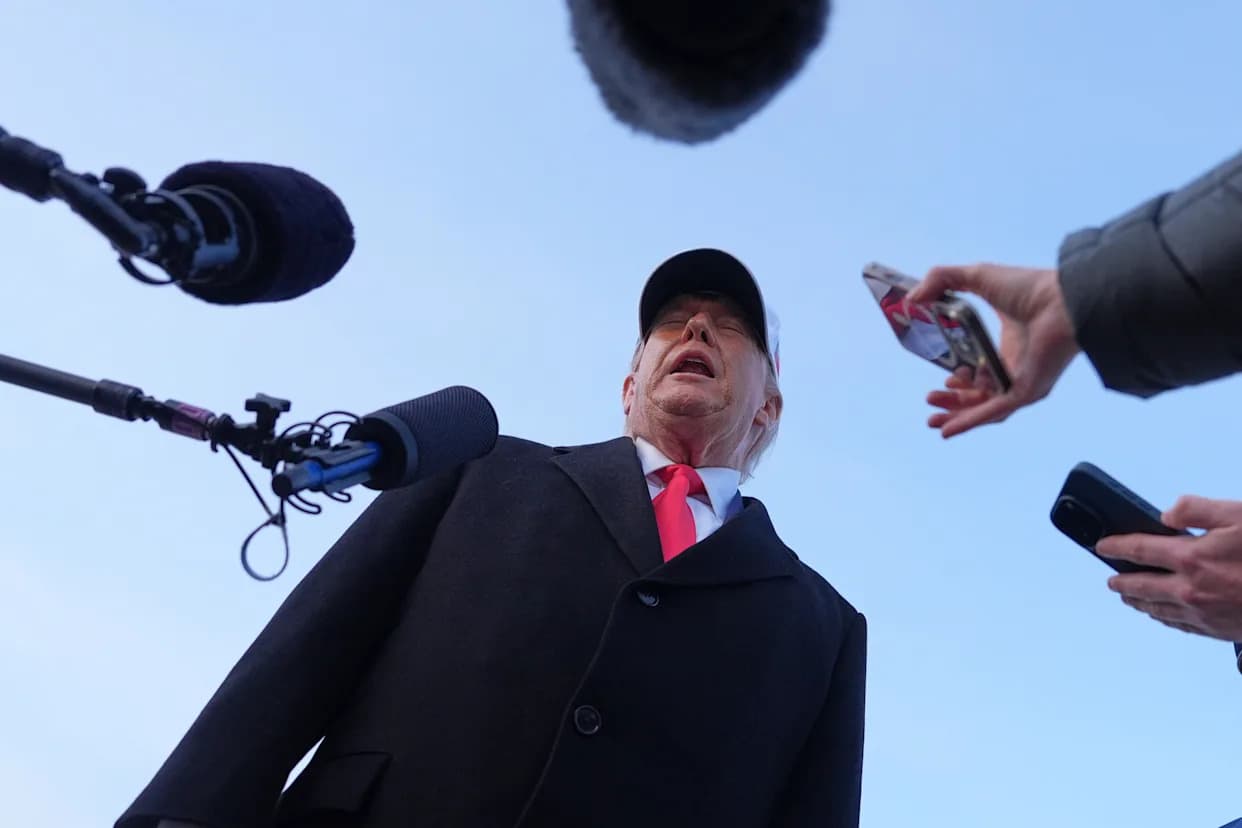
President Donald Trump in Miami on Nov. 5. (Kevin Dietsch / Getty Images)
Welcome to a special holiday edition. As 2026 approaches, NBC News reporters from across the newsroom identify one major political storyline each they will be watching in the year ahead. Below are their insights on the economy, Congress, health care, immigration, the courts and foreign policy — and what each could mean for the midterm landscape.
Programming note: Expect another holiday edition in your inbox next Monday before we return to our regular schedule on Jan. 5. — Adam Wollner
Garrett Haake, Senior White House Correspondent
President Donald Trump has framed the U.S. economy at the end of his first year in a second term as poised for a “golden age.” The White House argues that the benefits of its signature "one big beautiful bill" will be more evident by tax season and that falling gas prices and easing tariff shocks will help. But if broad voters don’t feel those gains, the administration risks political fallout — and a weak tax season in late spring could imperil Republican prospects ahead of the midterms.
Hallie Jackson, Sunday "Nightly News" Anchor and Senior Washington Correspondent
Beyond headline economic indicators like unemployment and inflation, I’ll be watching how ordinary people say they feel about their finances and whom they blame. In recent interviews with Trump voters nationwide, frustration surfaced — one asked, “Has he ever gone to the grocery store?” Some are willing to give the administration more time, while others fault leaders for prices remaining high.
Kristen Welker, "Meet the Press" Moderator
Health care will be a major seam to watch. Congress left town without resolving whether to extend Obamacare subsidies; a House vote on a three-year extension was pushed into the new year, and Senate leaders have expressed skepticism. With premiums set to rise for millions, this could become a potent midterm issue — and the White House has so far offered only broad proposals, not detailed implementation plans.
Ryan Nobles, Chief Capitol Hill Correspondent
With 2026 the final year Republicans are assured control of the White House and both chambers under President Trump’s current term, nearly every legislative move will be judged through the midterm lens. Which party controls Congress will also determine the intensity of oversight — Democratic majorities would gain subpoena power that could trigger contentious hearings and document requests, complicating the administration’s push to shape a legacy.
Jonathan Allen, Senior National Politics Reporter
After an assertive first year of policy pushes — combining the “one big beautiful bill” with executive actions — I’ll be watching whether the president softens any measures (for example, rolling back some tariffs or offering targeted subsidies) to broaden appeal for GOP candidates, or whether he advances new policies designed to energize the Republican base.
Natasha Korecki, Senior National Politics Reporter
Immigration enforcement and DHS operations are likely to be recalibrated or intensified in 2026. The administration has pushed for tougher deportation policies and aggressive deployments to cities, but there is mounting political pushback, including from voters who want stronger borders but deem some tactics excessive. Several 2026 candidates are using that backlash to stake out alternative positions.
Bridget Bowman, National Politics Reporter
Democrats’ momentum from 2025 has not resolved internal battles over strategy, ideology and generational leadership. A slate of competitive primaries in states like Maine, Michigan, Minnesota and Texas will shape the party’s direction — and contested House primaries could reshape Democratic messaging heading into 2028.
Steve Kornacki, Chief Data Analyst
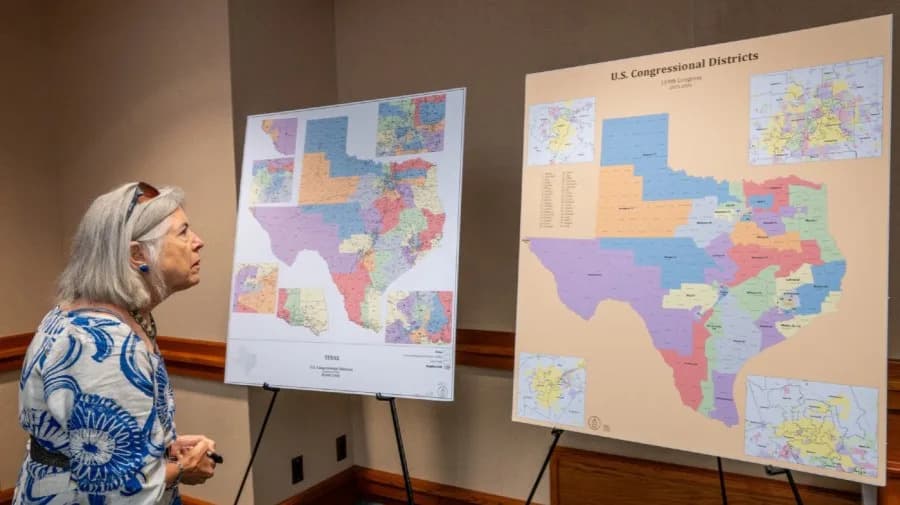
Democrats hope 2026 can produce a blue-wave midterm similar to 2018, but the electoral map is more challenging. Only a handful of GOP-held seats are in districts that didn’t back Trump in 2024, and gerrymandering and partisan sorting have insulated many Republican districts. Democrats need a net gain of three seats to flip the House, but expanding beyond that will require broader support in GOP-leaning areas.
Laura Jarrett, Senior Legal Correspondent
The Supreme Court is likely to be a decisive arbiter of several unprecedented presidential actions — from tariff policy and personnel decisions to controversial proposals on birthright citizenship. A ruling for the administration could remap presidential authority; a rebuke would be a sharp check from the bench and carry major political consequences.
Andrea Mitchell, Chief Washington and Foreign Affairs Correspondent
Watch for a potential downgrading of the U.S. relationship with European allies as the administration narrows its focus toward the Western Hemisphere and countries such as Venezuela. Moves like blockading sanctioned Venezuelan oil or escalating pressure on Caracas could strain transatlantic cooperation, benefit Russian geopolitical aims and complicate support for Ukraine.
This article was originally published on NBCNews.com.
Help us improve.