The remains of 32 Cuban military officers killed in a U.S. strike on Venezuela were returned to Havana, where formal ceremonies and large public gatherings honored the dead. Officials said the victims were part of President Nicolás Maduro’s security detail; Cuban authorities released their names and ranks. Tensions between Cuba and the U.S. have increased amid sharp rhetoric from both sides, and the U.S. announced $3 million in hurricane aid that Havana criticized as politically motivated.
Remains of 32 Cuban Officers Killed in U.S. Strike on Venezuela Repatriated to Havana Amid Rising Tensions
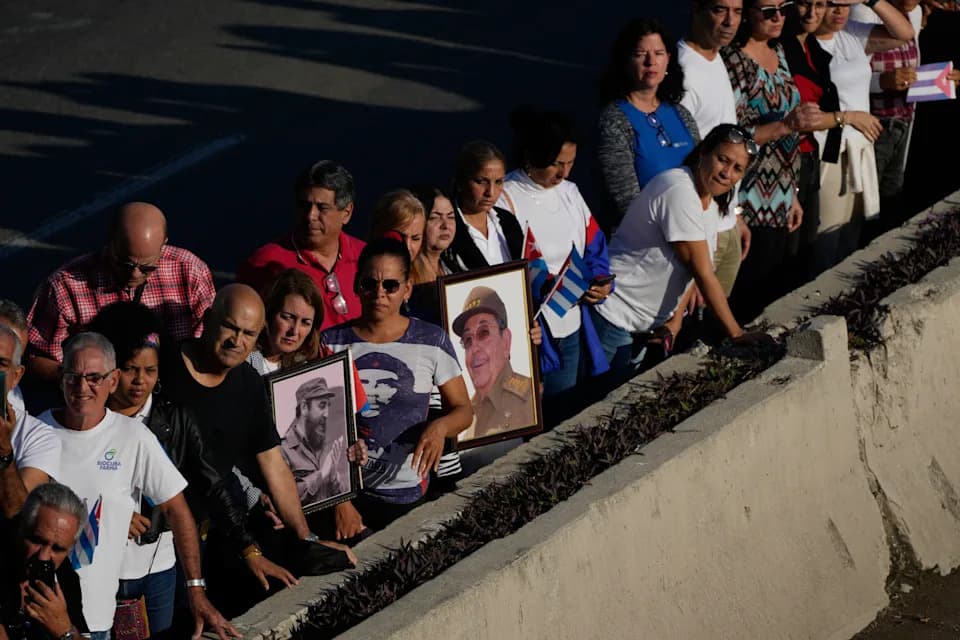
People line the streets of Havana, Cuba, Thursday, Jan. 15, 2026, to watch the motorcade carrying urns containing the remains of Cuban officers killed during the U.S. operation in Venezuela that captured Venezuelan President Nicolas Maduro. (AP Photo/Ramon Espinosa)(ASSOCIATED PRESS)
Havana — The remains of 32 Cuban military officers killed in a U.S. strike on Venezuela were flown back to Havana Thursday, where solemn ceremonies and large public gatherings marked their return as tensions between Cuba and the United States escalated.
National Mourning and Public Tributes
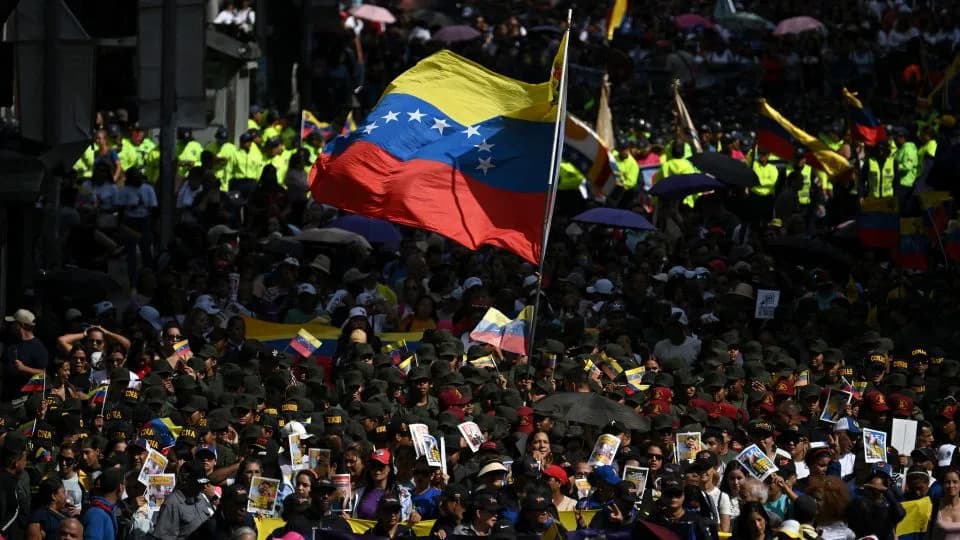
Uniformed servicemembers wearing white gloves marched the urns from the plane while trumpets and drums sounded at the capital’s airport. Thousands of Cubans lined one of Havana’s most recognizable avenues to watch as the coffins of colonels, lieutenants, majors and captains were carried into the Ministry of the Armed Forces near Revolution Square. The urns were placed on a long table beside portraits of the deceased so the public could pay respects.
State television also broadcast footage of more than a dozen wounded individuals described as "combatants" arriving from Venezuela alongside Cuban Foreign Minister Bruno Rodríguez. Some of the injured were shown in wheelchairs.
Officials’ Statements and Public Reaction
President Miguel Díaz-Canel, dressed in military uniform as commander of the armed forces, and former President Raúl Castro stood solemnly as officials unfurled a large Cuban flag at the airport. Cuban Interior Minister Lázaro Alberto Álvarez Casa said the soldiers did not die in a foreign land but in what he called a “natural extension of their homeland.”
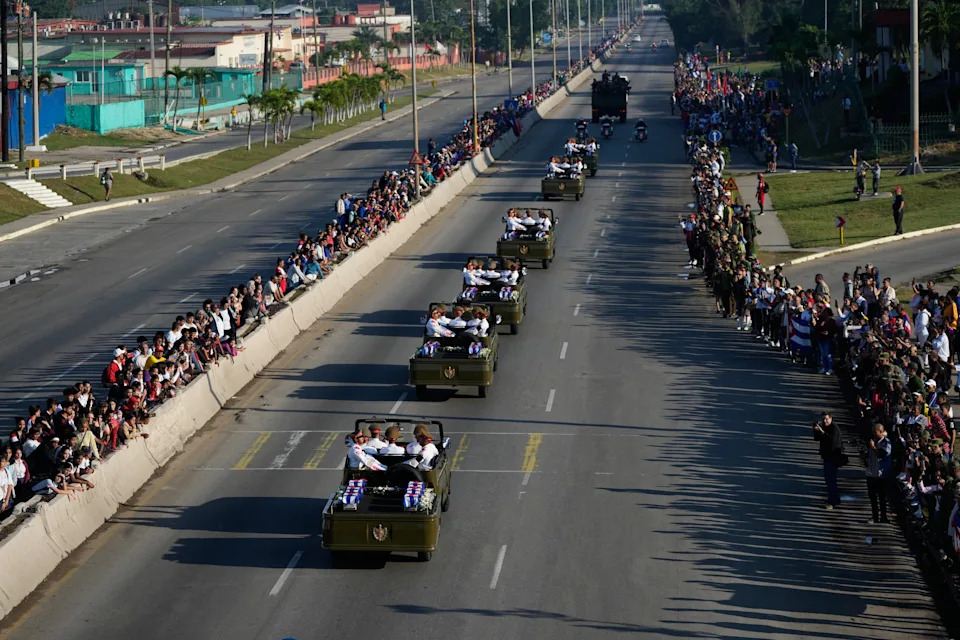
Una caravana transporta los restos de los oficiales cubanos fallecidos durante la operación estadounidense en Venezuela para capturar al expresidente Nicolás Maduro, a través de La Habana, Cuba, el jueves 15 de enero de 2026. (Foto AP/Ramón Espinosa)(ASSOCIATED PRESS)
“We, on the other hand, speak of faces, of families who have lost a father, a son, a husband, a brother,” Álvarez said, calling the slain “heroes” and praising their honor and sacrifice.
On Havana’s streets, many expressed anger and sorrow. “They are people willing to defend their principles and values, and we must pay tribute to them,” said Carmen Gómez, 58, an industrial designer who attended the procession. “It’s because of the sense of patriotism that Cubans have, and that will always unite us,” she added.
Who Were the Deceased
Cuban authorities released the names and ranks of the 32 military personnel, whose ages ranged from 26 to 60. Officials said they were part of the security detail for Venezuelan President Nicolás Maduro during the January 3 raid on his residence and included members of Cuba’s Revolutionary Armed Forces and the Ministry of the Interior. Havana and Caracas have said the uniformed personnel were present under bilateral protection agreements.
Political and Diplomatic Fallout
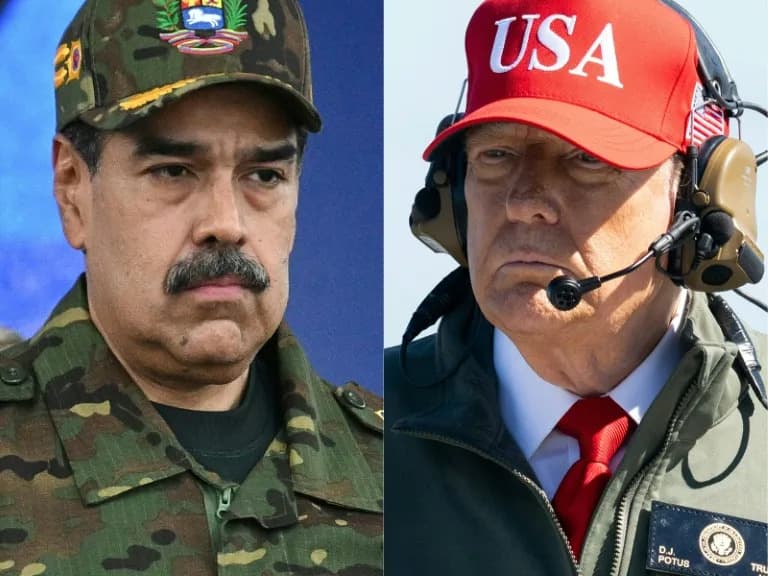
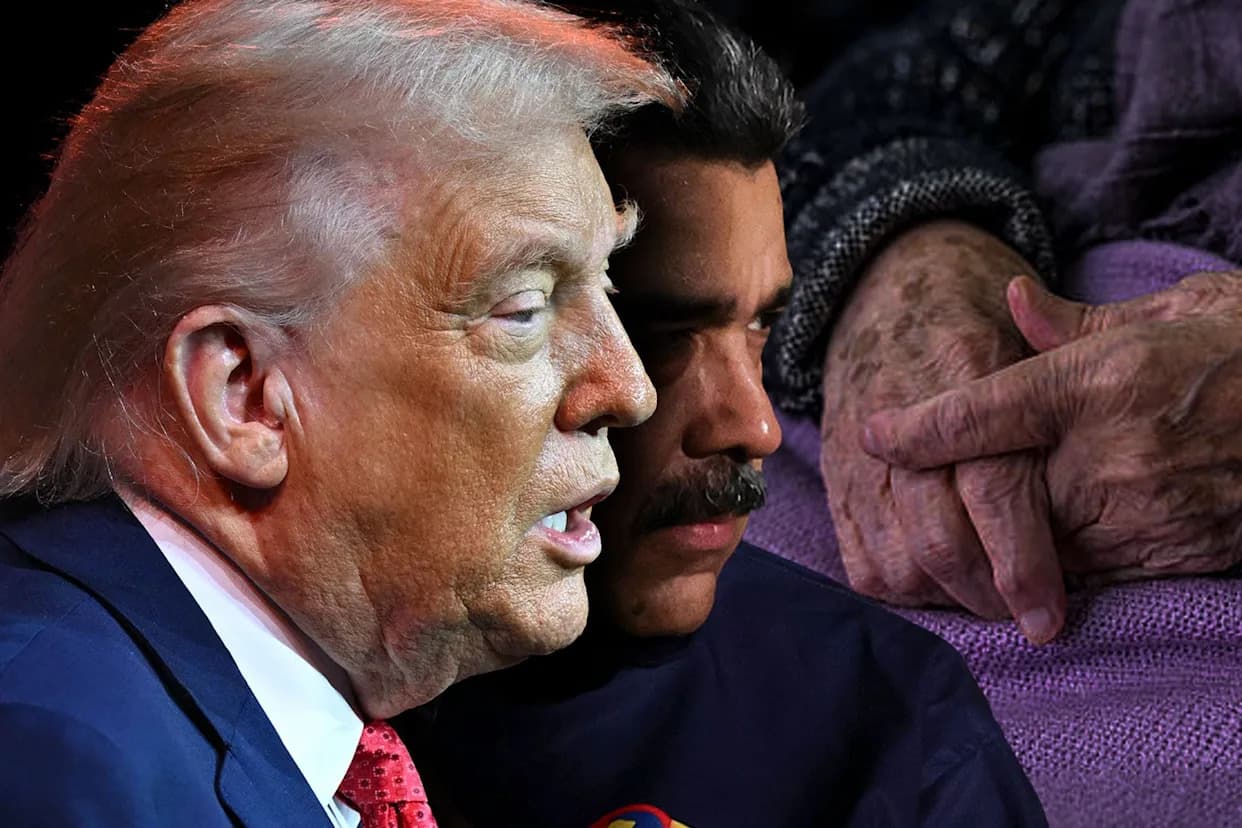
The arrivals come amid rising rhetoric between the two countries. President Donald Trump recently urged Cuba to reach a deal with his administration “before it is too late,” without specifying terms. Trump has also asserted that Cuba “will no longer live off Venezuela’s money and oil,” a shift experts warn could be devastating for Cuba given its dependence on Venezuelan energy amid ongoing blackouts and a fragile power grid.
A demonstration was planned for Friday opposite the U.S. Embassy at the outdoor site known as the Anti-Imperialist Tribune; officials said they expected a large turnout. Analysts noted that many on social media and in public discussions view the dead as martyrs in a long-standing struggle against U.S. policy toward Cuba.
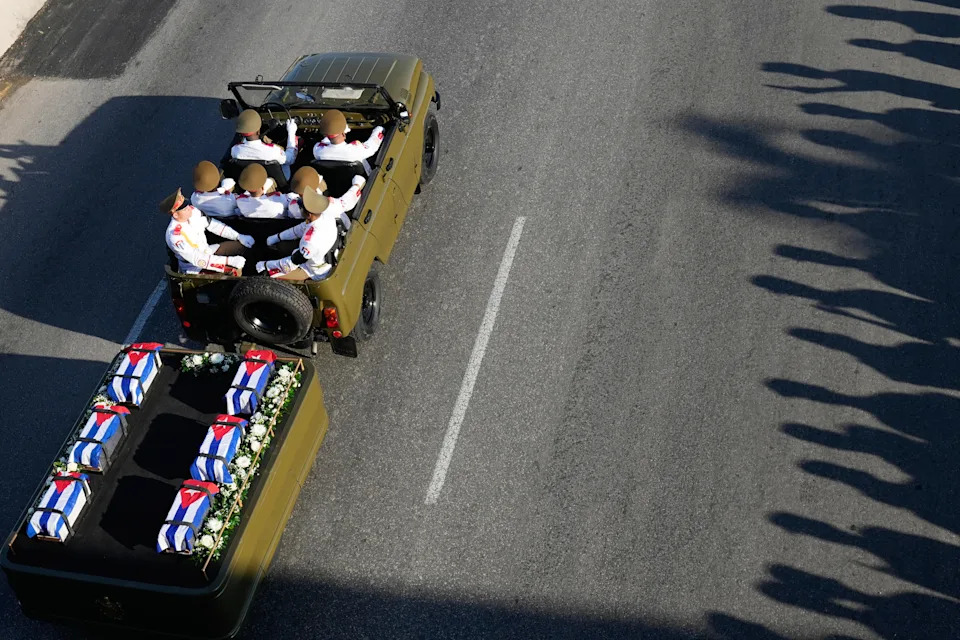
A motorcade transports urns containing the remains of Cuban officers, who were killed during the U.S. operation in Venezuela that captured Venezuelan President Nicolas Maduro, through Havana, Cuba, Thursday, Jan. 15, 2026. (AP Photo/Ramon Espinosa)(ASSOCIATED PRESS)
Humanitarian Aid and a Contested Gesture
A day before the remains arrived, U.S. Senator Marco Rubio announced $3 million in humanitarian aid to help Cuba recover from Hurricane Melissa, which struck in late October. The first flight of aid departed Florida on Wednesday, with another scheduled for Friday and a commercial vessel due to deliver additional supplies.
“We have taken extraordinary measures to ensure that this assistance reaches the Cuban people directly, without interference or diversion by the illegitimate regime,” Rubio said, adding that the U.S. government was coordinating with Cuba’s Catholic Church.
Cuban Foreign Minister Bruno Rodríguez criticized the announcement as politically opportunistic. “As a matter of principle, Cuba does not oppose assistance from governments or organizations, provided it benefits the people and the needs of those affected are not used for political gain under the guise of humanitarian aid,” he said.
Historical Context
The mass funeral is one of the few such events the Cuban government has organized in recent decades. Officials cited precedents including the 1976 ceremonies for victims of the Cubana de Aviación bombing, December 1989’s tributes to Cuban combatants who died in Angola, and the 1997 return of Che Guevara’s remains. For many Cubans, the current ceremonies serve both to mourn the dead and to reinforce national unity in the face of external pressure.
Coto contributed to this report from San Juan, Puerto Rico.
Help us improve.