Humans Likely Have Far More Than Five Senses. Research from Charles Spence’s Crossmodal Laboratory suggests perception is deeply multisensory and that humans may possess 22–33 distinct senses. Examples include proprioception (body position and movement) and interoception (internal physiological states via the vagus nerve and parabrachial nucleus). Multisensory cues like smell and texture can significantly change how we perceive flavor and product quality.
Scientists Say Humans May Have 22–33 Senses — Far More Than Five
Scientists Think We Might Have 33 SensesYana Iskayeva - Getty Images
We were all taught about five senses, but modern research suggests human perception is far richer. Psychologists now propose we may have between 22 and 33 distinct senses — and understanding them helps explain why small multisensory cues can dramatically change how we experience the world.
Why Five Senses Aren’t Enough
Traditional lists of sight, sound, touch, taste and smell miss many specialized internal and integrative systems. Charles Spence of Oxford’s Crossmodal Laboratory argues that perception is inherently multisensory: our brains constantly combine signals from many channels to build coherent experience, and those channels can be counted as separate senses.
Proprioception and Kinesthesia
Proprioception is the subconscious sense that tells us where our body parts are and how they move without looking. It lets us walk on uneven ground, balance when lifting, and perform habitual actions like scratching an itch automatically. Kinesthesia is closely related — it’s the awareness of motion and the fine-tuning of movement that underlies muscle memory and learned skills such as playing the piano without watching the keys.
Interoception: Sensing the Inside
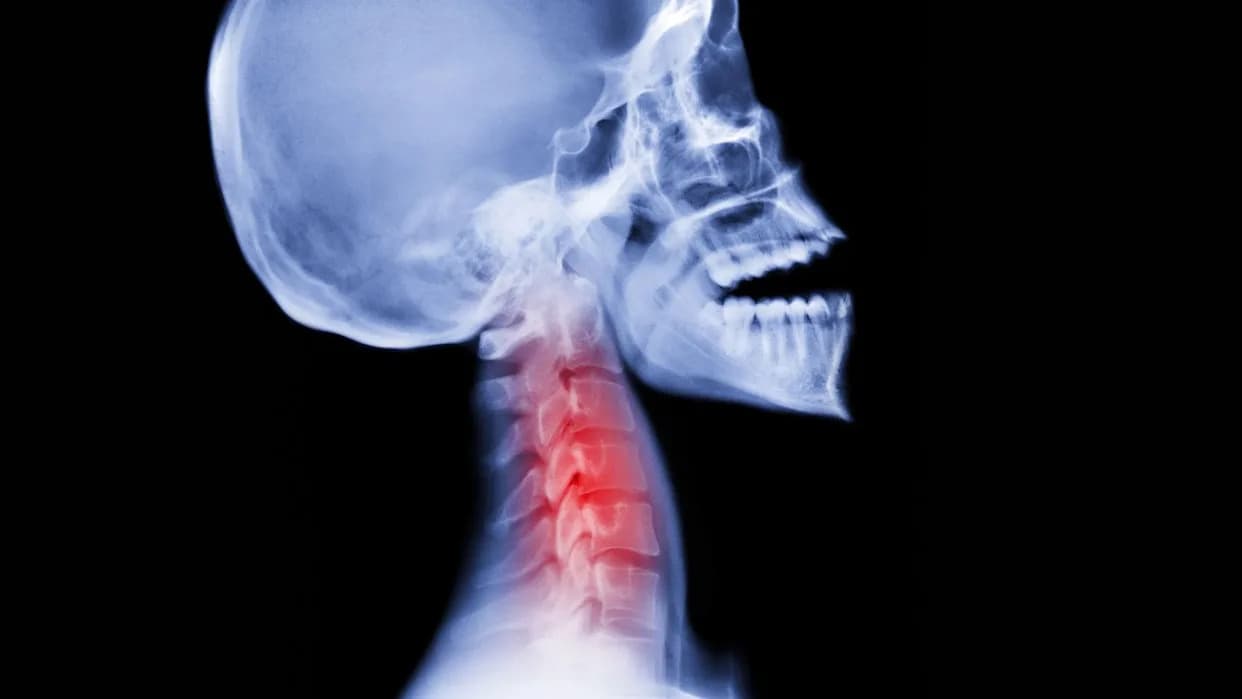
Interoception monitors internal bodily states to help maintain homeostasis — noticing a racing heart, hunger, or internal pain are interoceptive experiences. Many interoceptive signals travel via the vagus nerve to the brainstem and are routed through regions such as the parabrachial nucleus before reaching higher brain centers that shape conscious feeling.
Body Ownership and Illusions
Our sense of body ownership — the feeling that a limb belongs to us — emerges from the integration of multiple sensory channels. The rubber hand illusion shows how quickly ownership can be manipulated: when a hidden real hand and a visible rubber hand are stroked synchronously, many people begin to feel the rubber hand is their own within about a minute. Conversely, some stroke patients experience a limb as foreign or detached, illustrating how fragile ownership can be.
Multisensory Effects on Perception and Consumer Experience
Everyday judgments are shaped by multisensory inputs. The Japanese concept shitsukan (material perception) captures how non-visual cues — smell, texture, weight — change how we evaluate objects. Smell strongly influences flavor: we perceive "strawberry" largely because of its aroma. A 2007 experiment found that participants judged thicker foods as having less flavor despite identical flavoring; a 2009 study reported that rose-scented shampoo made people say their hair felt silkier than an unscented formula with the same ingredients. These examples show how small cross-sensory differences can alter experience.
Even Familiar Senses Are Composites
What we call touch actually blends pressure, temperature and texture; taste is produced by a convergence of gustation (salty, sweet, sour, bitter, umami), smell and oral somatosensory cues. Counting these distinct channels helps explain the estimate of dozens of human senses rather than just five.
Bottom line: Recognizing multiple, specialized senses — and how they combine — gives us a clearer, more accurate picture of perception and helps explain why small multisensory changes can have outsized effects on how we experience food, products and our own bodies.
Help us improve.