
More House Republicans are leaving Congress to run for governor this cycle than at any point in CNN's records since 1974, reflecting frustration with partisanship and gridlock in Washington. Ten House Republicans — and at least 14 members of Congress overall — have launched gubernatorial bids for 2026. Lawmakers cite the desire for clearer executive authority, security concerns and the emotional toll of a "toxic" legislative environment, even as party leaders express confidence about retaining control of the House.
Record Number of House Republicans Leave Congress to Run for Governor as 'Toxic' Washington Pushes Many Home

Rep. Tom Tiffany cheers as Donald Trump is announced as the winner of Wisconsin's Electoral College votes during a joint session of Congress in the House chamber on Monday, January 6, 2025. - Tom Williams/CQ-Roll Call/Getty Images/File
A growing wave of House Republicans is abandoning congressional careers to run for state governorships, a trend party officials and members attribute largely to frustration with partisan gridlock and the personal toll of life in Washington.
A Historic Shift
Ten House Republicans are running for governor this cycle — the most from either party in CNN's available data going back to 1974. Overall, at least 14 members of Congress have launched gubernatorial bids for 2026, including three senators. Eleven House members (10 Republicans and one Democrat) are currently running for governor, surpassing the previous high of nine in 2018.
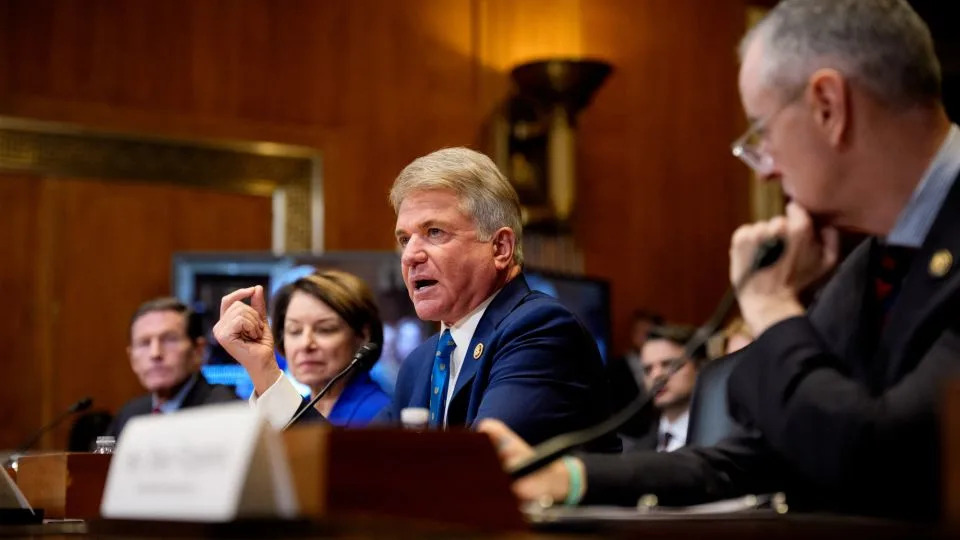
Rep. Michael McCaul speaks at a Senate Appropriations Subcommittee hearing on Capitol Hill on December 3, 2025 in Washington, DC. - Andrew Harnik/Getty Images/File
Why Lawmakers Are Heading For Statehouses
Many lawmakers say they believe a governor's office offers more direct power to implement policy than serving in a narrowly divided Congress. "I just think that I'll have more impact as a chief executive versus being a legislator," Rep. Tom Tiffany, running for Wisconsin governor, told CNN. Others cite long-standing frustration with the tone and function of Congress.
"The level of partisanship, rancor, vitriolic debate, demonizing the other side of the aisle... and just the overall toxic environment," said Rep. Michael McCaul, who is retiring after roughly two decades in the House.
Beyond policy influence, lawmakers point to safety concerns for themselves and their families, relentless media scrutiny, and the emotional drain of constant partisan conflict. One anonymous Republican summed up the calculus bluntly: "I can be one of 435 or one of one."
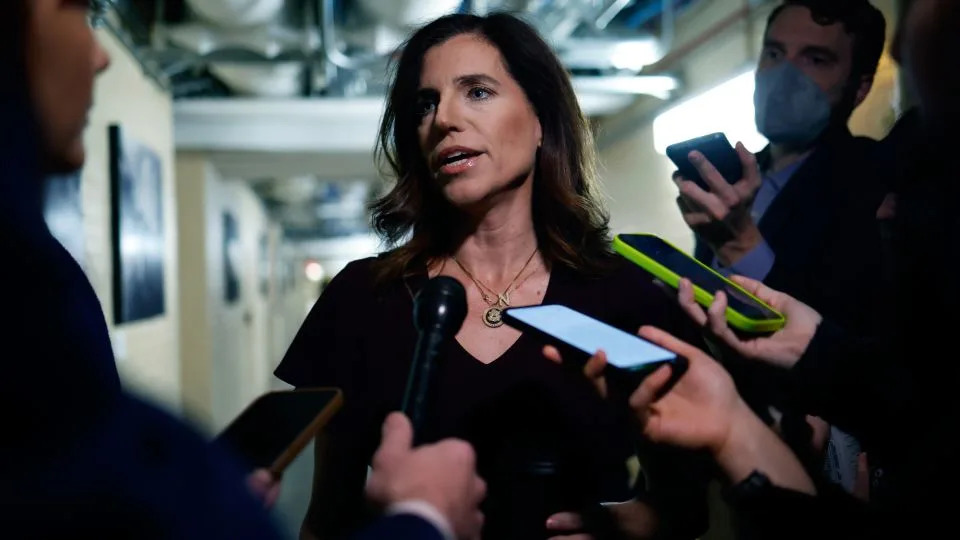
Rep. Nancy Mace arrives for a House Republican conference meeting at the US Capitol on November 19, 2024. - Kevin Dietsch/Getty Images/File
Political Context And Party Reaction
The departures come after a year in which Republicans captured the White House and control of both congressional chambers, and secured a major legislative package this summer. Yet the narrow margins in the House have created friction and made governing difficult, a dynamic House Speaker Mike Johnson acknowledged while remaining optimistic about the party's prospects in the 2026 midterms.
Some candidates frame their moves as opportunities rather than escapes. Rep. Dusty Johnson of South Dakota emphasized that state leadership poses its own challenges, and Sen. Tommy Tuberville said a governor can "build" more directly than a senator. Others, like Rep. Nancy Mace of South Carolina, have criticized House leadership and warned that unresolved internal tensions could harm the party's national standing.
What To Watch
Several contests are already notable for intra-party rivalry: in Arizona and South Carolina, two Republican members are running against each other for the same governor's seat. A handful of senators have also entered gubernatorial races, with two contemplating stepping down early if they win. How these shifts reshape state and national politics will depend on primary outcomes, general-election dynamics, and how parties replace departing incumbents in the House.
Bottom line: A record number of House Republicans are pursuing state executive power this cycle, driven by a mix of strategic calculations, political opportunity in GOP-leaning states, and growing weariness with the partisan, often "toxic," environment of federal Washington.


