Researchers at the University of Guelph used mathematical modeling and timed sampling to track how oven temperature affects cookie spread, texture and moisture. Baking identical dough at 185°C, 205°C and 225°C showed that temperature controls early spreading while moisture loss dominates later. In the lab test, 205°C (401°F) provided the best balance between structure and retained moisture; 225°C dried fastest and 185°C often failed to reach comparable doneness within 12 minutes. The findings can help home bakers and industry improve consistency and energy use.
The Oven Temperature Food Scientists Say Makes Cookies Bake Best
Cavan Images / Getty Images
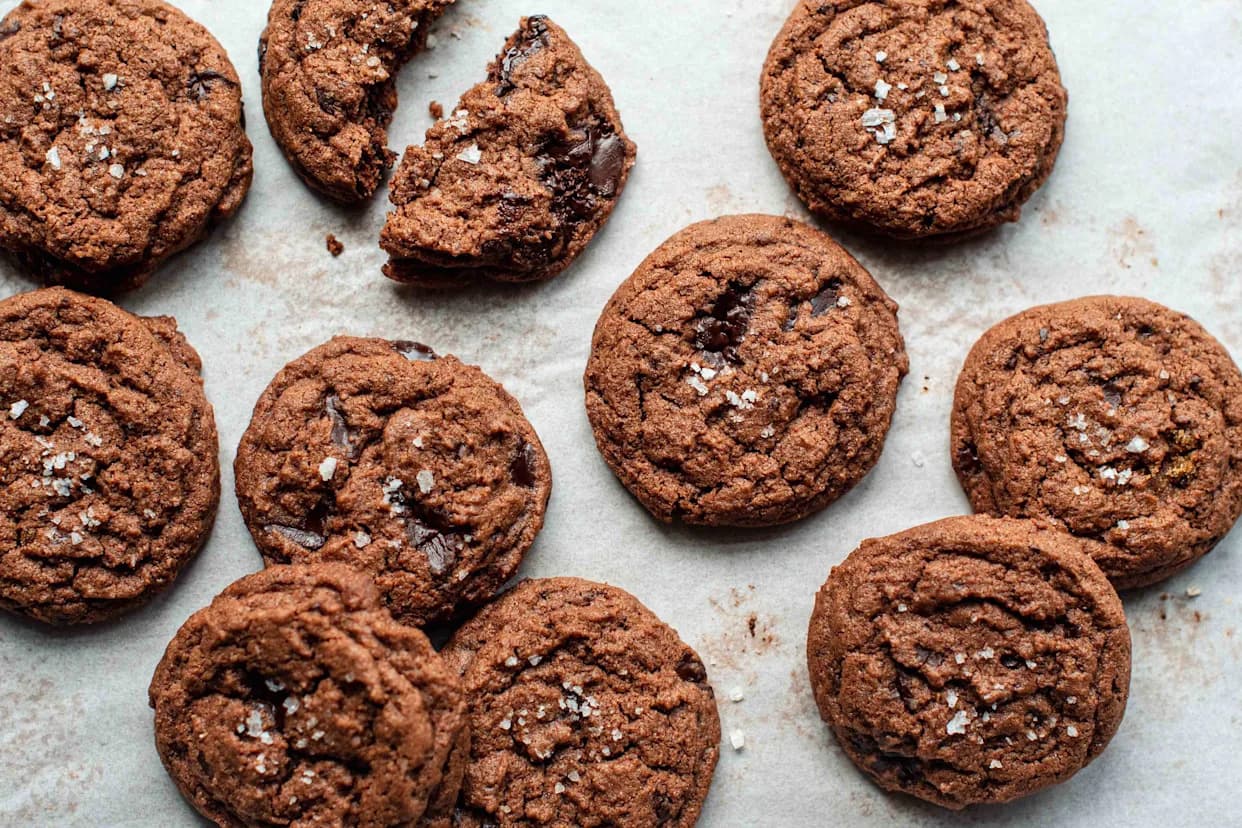
Food scientists at the University of Guelph have used mathematical models and controlled baking tests to map how oven temperature governs a cookie’s size, shape and moisture — and what that means for both home bakers and industry.
Study Overview
Led by Maria Corradini of the Department of Food Science and the Arrell Food Institute, the team baked standardized cookie dough at three temperatures — 185°C (365°F), 205°C (401°F) and 225°C (437°F) — removing samples every two minutes for up to 12 minutes. Researchers measured surface temperature, diameter, thickness, color and moisture to track the sequence of physical and chemical changes that occur during baking.
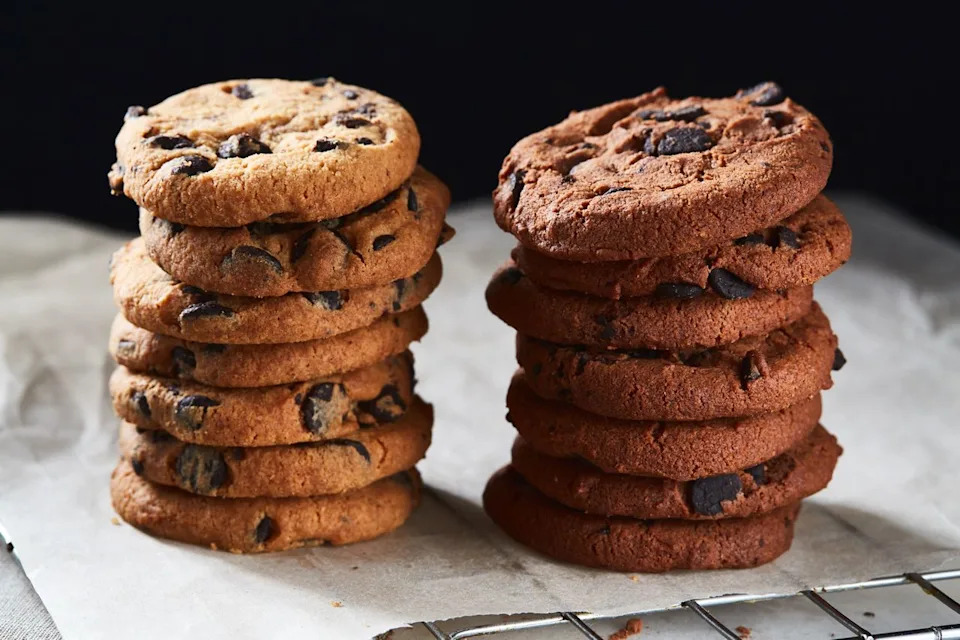
lenina11only / Getty ImagesBy studying how one dough behaved across repeated bakes—measuring spread, firmness, and moisture loss each time—researchers built a detailed model of the reactions that shape a cookie from start to finish.
Key Findings
The study showed that oven temperature controls how cookies spread early in the bake, while moisture loss becomes the dominant factor after a critical inflection point. Higher temperatures (225°C) caused rapid spreading and the fastest drying; lower temperatures (185°C) led to slower drying and continued spreading, which in the 12-minute test could prevent cookies from reaching the same perceived doneness. In the laboratory conditions used, 205°C offered a middle ground: it promoted structure and doneness without excessive drying, helping cookies retain more moisture than those baked at 225°C.
"We are assuming every reaction in food is linear," Corradini told the Institute of Food Technologists. "But this is wrong. It is a complex reaction; we have to separate each reaction into stages, and each has to be characterized."
Practical Implications
The models can help recipe developers, manufacturers and home cooks better predict how baked goods behave under different heat regimes. For home bakers, the research supports checking oven accuracy with a thermometer, considering slightly higher temperatures for crisper edges and correct structure, and remembering that texture preferences (soft vs. crisp) remain subjective. For industry, improved modeling can increase consistency and energy efficiency.
Next Steps
Corradini’s team plans to refine the models to apply them to a wider range of products and baking conditions. While baking will always involve some variability, the research narrows the guesswork and helps bring lab-tested predictability closer to everyday kitchens.
Help us improve.