The New York Times reports a U.S. military aircraft was allegedly disguised to resemble a civilian plane before striking a suspected drug-smuggling boat on Sept. 2, prompting questions about a possible war crime. Retired Major General Steven Lepper warned the concealment of identity and weapons could constitute "perfidy," a prohibited tactic under international law. The report also revisits allegations of a later "double-tap" strike that killed survivors, while the administration maintains the strikes are lawful efforts to stop drugs reaching U.S. shores.
New York Times Alleges US Aircraft Was Disguised As Civilian In Controversial Drug-Boat Strike
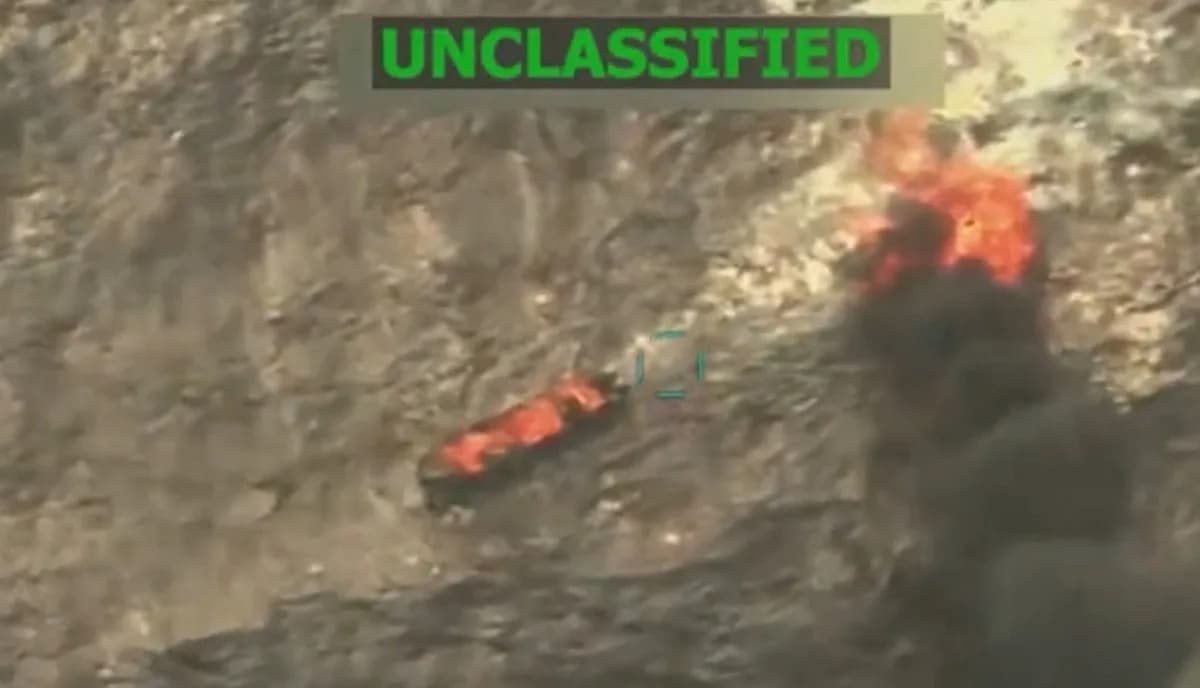
The Trump administration has conducted dozens of air strikes against boats in the Caribbean Sea and Eastern Pacific since September [File: US President Donald Trump's Truth Social account/AFP handout]
The New York Times reported that a U.S. military aircraft was allegedly made to resemble a civilian plane when it struck a suspected drug-smuggling boat from Venezuela on Sept. 2, raising fresh questions about whether the attack may have violated the laws of armed conflict.
Key Allegations and Sources
The Times says the plane was painted in a plain grey and lacked normal military markings while its missiles were stowed inside the fuselage rather than mounted under the wings, though the transponder reportedly broadcast a military tail number. Three unnamed sources told the newspaper those details; the report did not identify who ordered the changes.
Legal Concerns: Perfidy
Legal experts quoted in the report warned the concealment could amount to perfidy — a prohibited form of deception under the law of armed conflict that can constitute a war crime. The newspaper quoted Major General Steven Lepper, a retired deputy judge advocate general of the U.S. Air Force:
"Shielding your identity is an element of perfidy. If the aircraft flying above is not identifiable as a combatant aircraft, it should not be engaged in combatant activity."
Survivors, 'Double Tap' Allegations, And Video Evidence
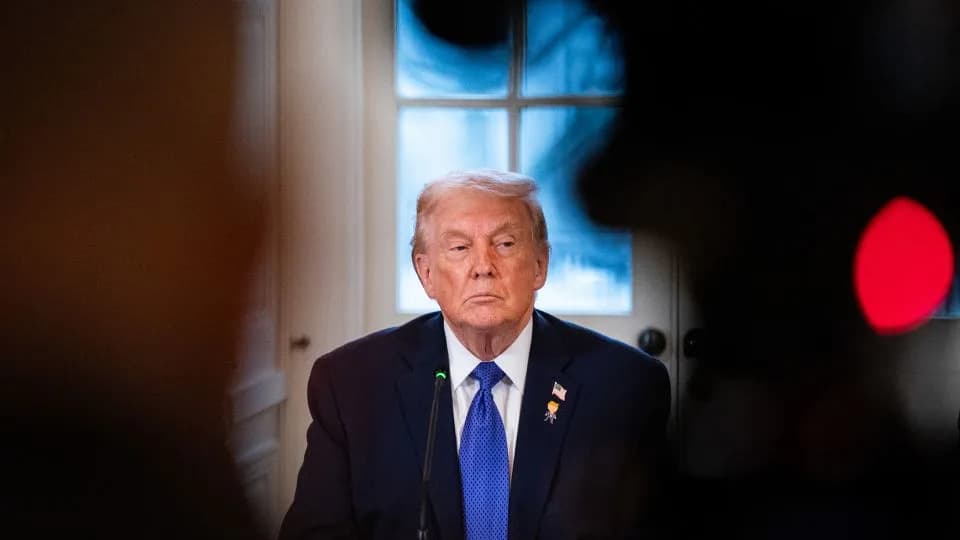
President Donald Trump posted a short video on Truth Social after the strike, saying the initial attack had killed 11 people he called "narcoterrorists." Later reporting in The Washington Post alleged the strike was a "double-tap," claiming a second missile strike killed two survivors of the first blast after they clung to debris.
The New York Times report raises further questions about that sequence, noting sources who said the aircraft flew low enough to be seen and that two survivors appeared to wave at the plane before a second strike killed them. Members of Congress have been shown extended footage of the Sept. 2 attack, and concerns about perfidy were reportedly raised in closed briefings with military leaders.
Context, Responses, And Numbers
The Trump administration has defended the operation as part of a campaign to prevent illicit drugs from reaching U.S. shores and has said it believes its actions fall within legal authority. In a memo to Congress, the administration described its operations as part of a "non-international armed conflict" with drug cartels — a characterization many legal experts say lacks a sound legal basis because drug trafficking is generally a criminal activity, not an armed attack under international law.
Human rights groups and some U.N. experts have labelled the strikes extrajudicial killings and violations of international law. The Times report also references an allegation that U.S. forces earlier this month detained Venezuelan President Nicolás Maduro and moved him to New York to face criminal charges; that claim remains tied to the reporting in news accounts and has not been independently verified in this article.
According to available reporting, at least 35 strikes have been conducted in the Caribbean and eastern Pacific since Sept. 2, with as many as 114 people killed and one person presumed dead.
Aftermath
The newspaper noted that U.S. forces appear to have shifted to clearly marked military aircraft, including MQ-9 Reaper drones, for subsequent strikes after Sept. 2. The Trump administration continues to deny any unlawful actions in the campaign.
Help us improve.