
Donald Trump has moved from discreet influence to open intervention in foreign politics. He has sought pardons, tied economic aid to political outcomes, imposed punitive tariffs and used military presence to pressure governments from Latin America to Africa and Europe. The White House’s new security strategy even endorses patriotic European forces, alarming Western allies. While U.S. meddling has precedents, Trump’s approach is unusually public and expansive.
How Trump Is Trying to ‘MAGAfy’ Global Politics: Pardons, Pressure and Payoffs

President Donald Trump dons a "Make America Great Again" hat after a signing ceremony for the One Big Beautiful Bill Act on the South Lawn of the White House on July 4, 2025. - Kent Nishimura/Bloomberg/Getty Images
Most modern presidents publicly avoid overtly meddling in other nations' domestic politics. Donald Trump largely discards that restraint.
The president who remade the Republican Party around his personality and treats leverage as a policy instrument has pushed beyond traditional diplomatic norms, openly backing allies, demanding legal favors and using economic and military tools to try to shape outcomes abroad.
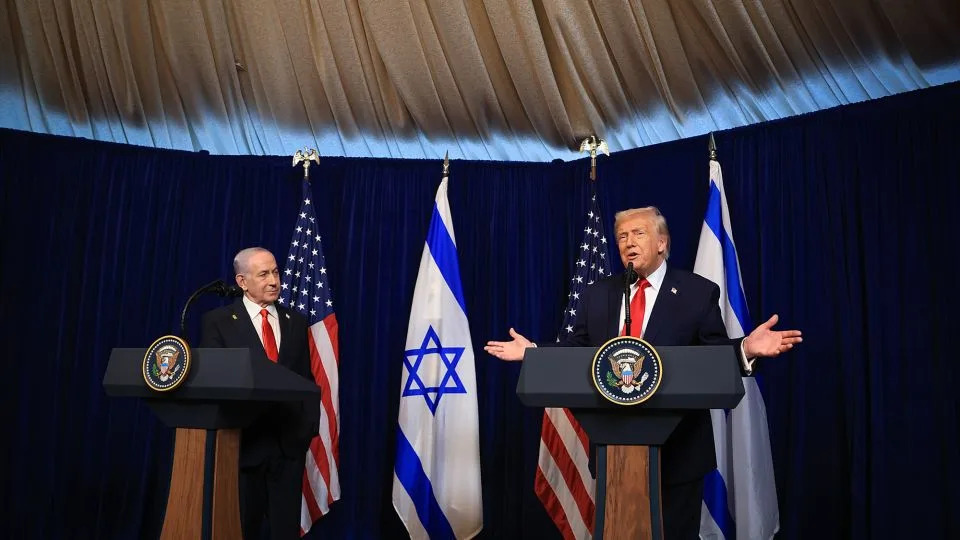
President Donald Trump holds a press conference with Israeli Prime Minister Benjamin Netanyahu at his Mar-a-Lago club on December 29, 2025, in Palm Beach, Florida. - Joe Raedle/Getty Images
Open Endorsements and Legal Interventions
In recent weeks Trump claimed he had sought a pardon for Israeli Prime Minister Benjamin Netanyahu, who faces bribery and fraud charges, telling reporters the pardon was “on its way” after he said he spoke with Israel’s President Isaac Herzog. Herzog’s office denied a direct call with Trump and said any process would follow normal procedures. If a U.S. pardon or other intervention freed Netanyahu from trial, it would ease his legal troubles and deepen his personal obligations to Trump.
Economic Leverage and Trade Pressure
Trump has linked economic support to political outcomes: he warned that Argentina’s access to a proposed $20 billion package hinges on Javier Milei’s political fortunes. He also imposed steep tariffs — reported as 50% on some Brazilian imports — in response to moves against former Brazilian President Jair Bolsonaro. These moves illustrate how trade tools are being used as foreign-policy levers rather than solely economic measures.
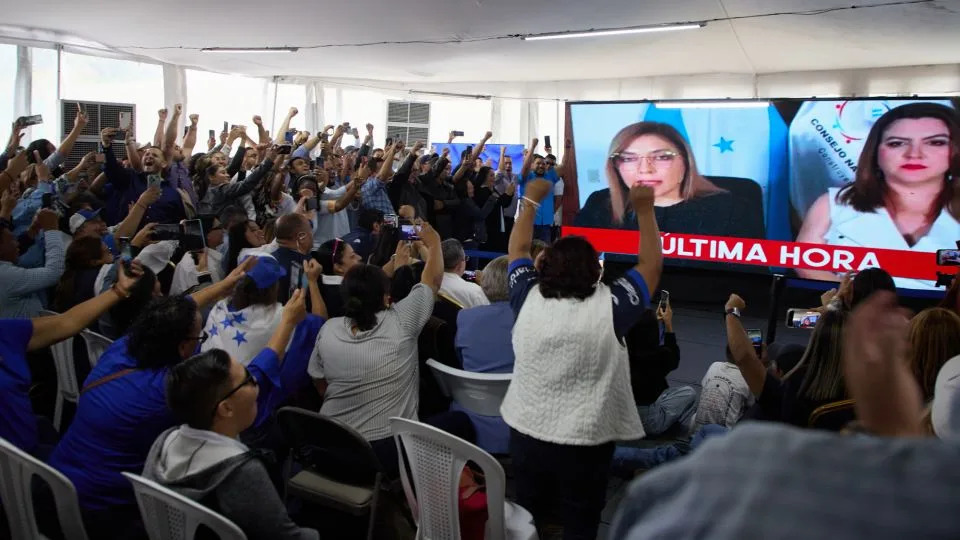
Supporters of the National Party celebrate as the National Electoral Council declares Nasry Asfura the presidential election winner in Tegucigalpa, Honduras, on December 24, 2025. - Fernando Destephen/AP
Security Tools and Military Posturing
The administration has deployed a significant naval presence near Venezuela, citing narcotics interdiction, while critics say the pressure also aims to produce a leadership change in Caracas and potentially accelerate broader regional shifts.
Backroom Moves Across the Hemisphere and Beyond
Trump has weighed in on elections and leadership disputes from Honduras and Colombia to South Africa and South Korea. In Honduras, Trump warned of consequences during a protracted vote count that resulted in a narrow victory for the conservative candidate; a defeated rival blamed Trump’s interventions, including a controversial pardon, for weakening his chances. In Colombia and elsewhere, Trump’s public taunts and warnings have added pressure on sitting leaders.
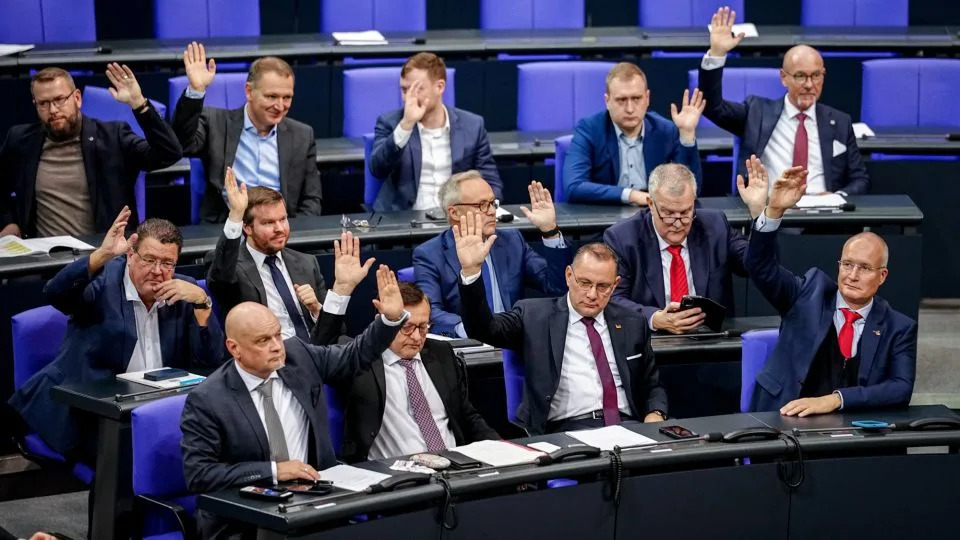
Alternative for Germany MPs with Tino Chrupalla (front, second from right), AfD federal and parliamentary group leader, raise their hands for a vote in the plenary chamber of the Bundestag on December 19, 2025, in Berlin. - Kay Nietfeld/Picture Alliance/dpa/Getty Images
Europe and the New Security Strategy
In its recent national security strategy, the White House framed European immigration and cultural change as a risk of "civilizational erasure" and explicitly welcomed the growing influence of patriotic, often far-right, European parties. That language alarmed leaders in France, Germany and the UK, who view parties sympathetic to Trump — such as National Rally, Alternative for Germany and Reform UK — as threats to liberal democratic norms.
Historical Context
U.S. interference in foreign politics has deep roots, from covert coups to open military interventions. The CIA-backed 1953 coup in Iran, the Bay of Pigs invasion and various regime-change operations in Latin America are stark precedents. What sets the current approach apart is the scale and brazenness: Trump appears to combine public endorsements, economic coercion and military posturing into an "everywhere, all at once" playbook.
Why This Matters: Overt engagement in foreign elections and judicial matters risks fueling anti-American backlash, undermining democratic norms that let citizens choose their leaders, and binding foreign leaders to U.S. political figures in ways that can distort sovereign decision-making.
Whether driven by ideology, personal loyalty or transactional geopolitics, Trump’s strategy marks a notable shift in how presidential influence is being wielded across the globe.


