Democrats, led by Rep. Chellie Pingree, successfully removed a rider from the 2026 appropriations bill that critics said would have limited state health warnings and made lawsuits against pesticide makers more difficult. The provision—backed by Bayer—would have blocked federal funds for guidance or labeling inconsistent with EPA human health assessments. Advocacy groups including the "Make America Healthy Again" movement helped push lawmakers to reject the language, but Pingree warned similar efforts could resurface in future legislation.
Pesticide 'Immunity Shield' Stripped From 2026 Appropriations Bill After Pushback
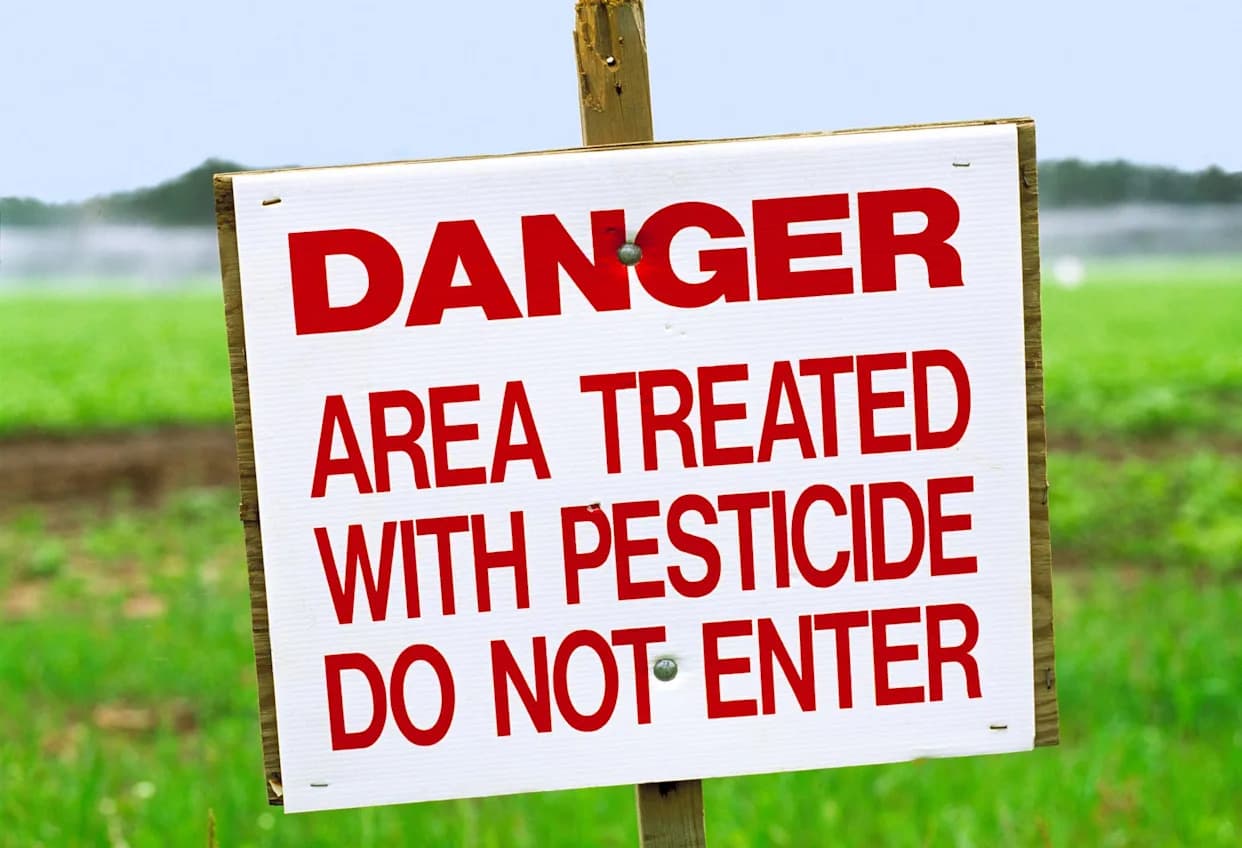
A chemical application warning sign on the edge of a field in Wisconsin.Photograph: Wolfgang Hoffmann/Design Pics Editorial/Universal Images Group/Getty Images
Democrats secured a significant victory on Monday when language widely described as a pesticide industry "immunity shield" was removed from the 2026 congressional appropriations bill. Representative Chellie Pingree (D–Maine), the ranking member of the House subcommittee on Interior, Environment, and related agencies, said the contested rider was stripped after Senate Republican leaders agreed not to press the matter further.
What the Rider Would Have Done
The deleted provision would have barred federal funds from being used to "issue or adopt any guidance or any policy, take any regulatory action, or approve any labeling or change to such labeling" that conflicted with the findings of an Environmental Protection Agency (EPA) human health assessment. Critics warned that this language could have limited state and local governments from issuing health warnings based on new scientific findings and made it more difficult for consumers to sue pesticide manufacturers for failing to warn about emerging risks.
"This provision would have handed pesticide manufacturers exactly what they've been lobbying for: federal preemption that stops state and local governments from restricting the use of harmful, cancer-causing chemicals, adding health warnings, or holding companies accountable in court when people are harmed," said Rep. Chellie Pingree.
Industry Backing and Legal Context
Bayer and industry allies pushed the provision as part of a broader effort to establish state and federal protections that critics say would limit litigation. Bayer, which acquired Monsanto in 2018, has faced thousands of lawsuits alleging its glyphosate-based herbicide Roundup causes cancer; the company maintains its products are safe when used as directed and has disputed claims that the rider would create "blanket immunity." Bayer says it seeks "legislative certainty" to protect research, product development and farming from disruptive lawsuits.
Advocacy and Political Response
Pingree credited advocacy groups, including members of the "Make America Healthy Again" (Maha) movement and Moms Across America, with helping to build opposition to the rider. Zen Honeycutt, a Maha leader, called the removal a win for public health and accountability. Pingree cautioned the issue is not over: she expects future attempts to insert similar, industry-favored language into other bills, including the next Farm Bill.
This article is co-published with The New Lede, a journalism project of the Environmental Working Group.
Help us improve.