Archaeologists at Boğazköy-Hattusha uncovered a previously unknown Anatolian language on a cuneiform tablet during 2023 excavations. The passage appears as a ritual recitation embedded in a Hittite text and is identified as originating from Kalašma, near modern Bolu/Gerede. Although untranslated, experts classify the idiom as part of the Anatolian Indo-European family and expect more fragments may be found across Anatolia.
Previously Unknown Anatolian Language Discovered in Hittite Capital

Archaeologists Discover a Brand New LanguageGaleanu Mihai - Getty Images
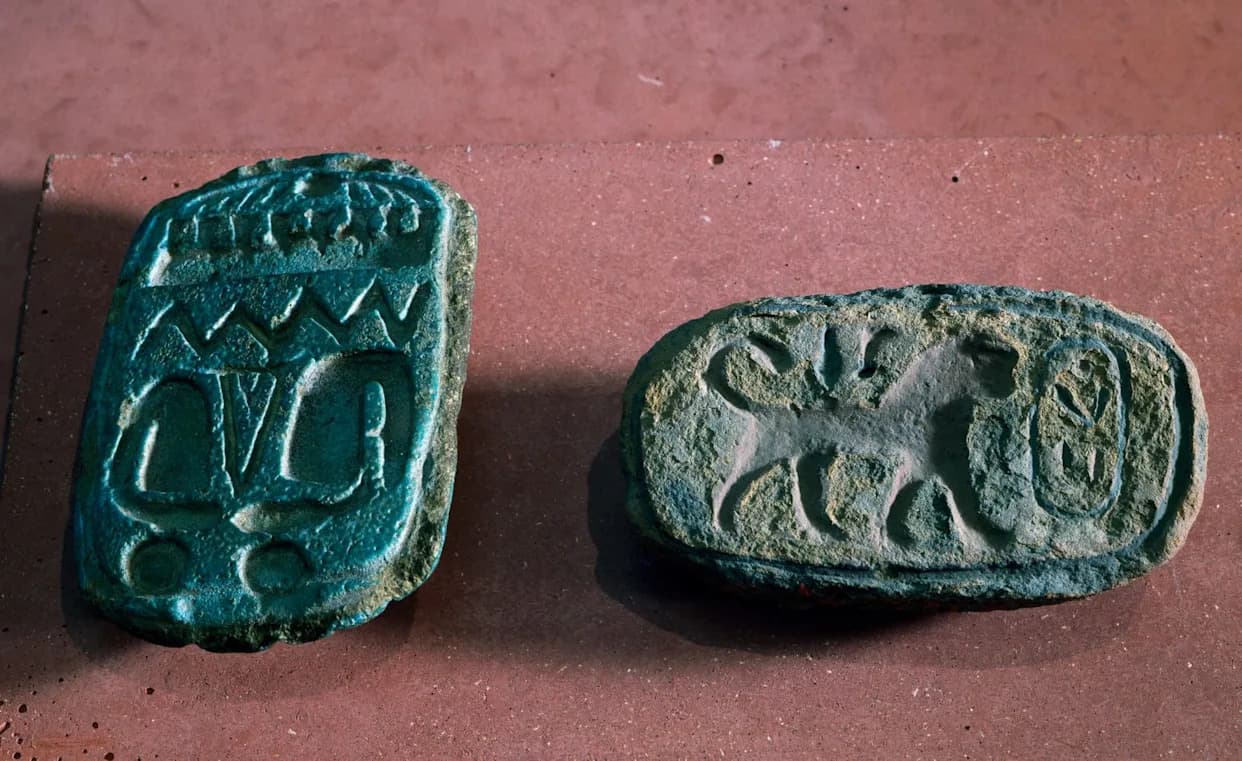
Archaeologists working at Boğazköy-Hattusha, the Bronze Age Hittite capital in modern Turkey, have identified an unknown language preserved on a cuneiform tablet recovered during 2023 fieldwork.
The tablet is embedded within a Hittite ritual text and contains a recitation written in a speech previously undocumented by scholars. Although the lines remain untranslated, linguistic analysis places the idiom firmly within the Anatolian branch of the Indo-European family, which also includes Hittite, Luwian and Palaic.
Boğazköy-Hattusha is one of the richest Bronze Age archives in the ancient Near East: more than a century of excavations has produced roughly 30,000 cuneiform tablets recording law, ritual, diplomacy and daily life. The importance of the site helped secure its designation as a UNESCO World Heritage Site in 1986.
Field director Daniel Schwemer of Julius-Maximilians-Universität Würzburg emphasized the Hittites' habit of preserving rituals in foreign languages:
“The Hittites were uniquely interested in recording rituals in foreign languages.”
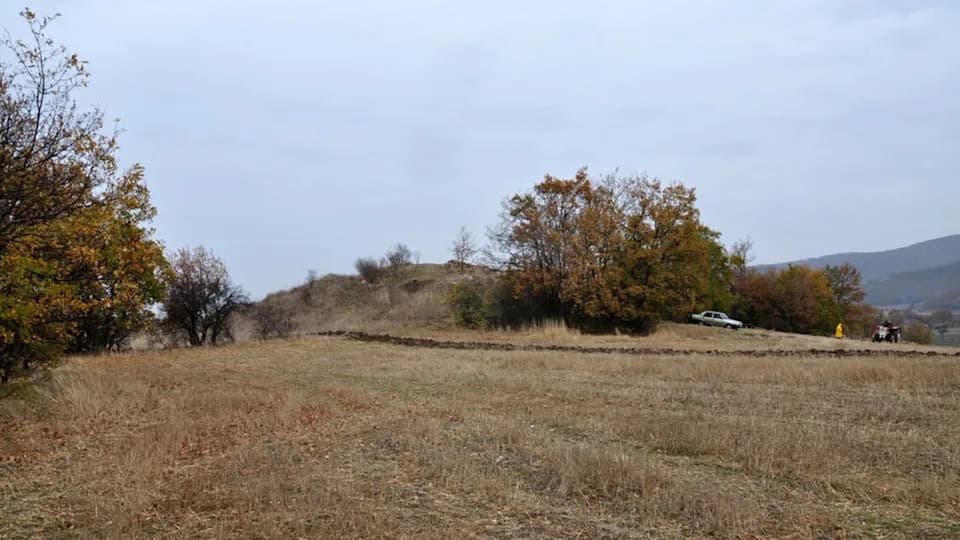
The excavators report that the Hittite outer text identifies the recitation as coming from the land of Kalašma, a border district that likely lay near the empire's northwestern frontier—near present-day Bolu or Gerede. Paradoxically, the newly attested idiom shows closer affinities with Luwian, a language more commonly associated with the southeastern reaches of the Hittite realm.
Scholars cannot yet read the passage, but its classification as Anatolian Indo-European adds an important new data point to our understanding of Bronze Age linguistic diversity in Anatolia. Many linguists reconstruct Proto-Indo-European as originating in the steppes north of the Black Sea (modern southern Ukraine), from where Anatolian branches later emerged.
Only a short fragment of the Kalašma idiom is preserved so far. Researchers say it is likely that additional examples of this forgotten vernacular remain buried across Anatolia and may surface in future excavations.
Why it matters: The discovery expands the known linguistic map of Bronze Age Anatolia, highlights the Hittites' multilingual ritual practices, and offers fresh material for comparative Indo-European studies.
Help us improve.